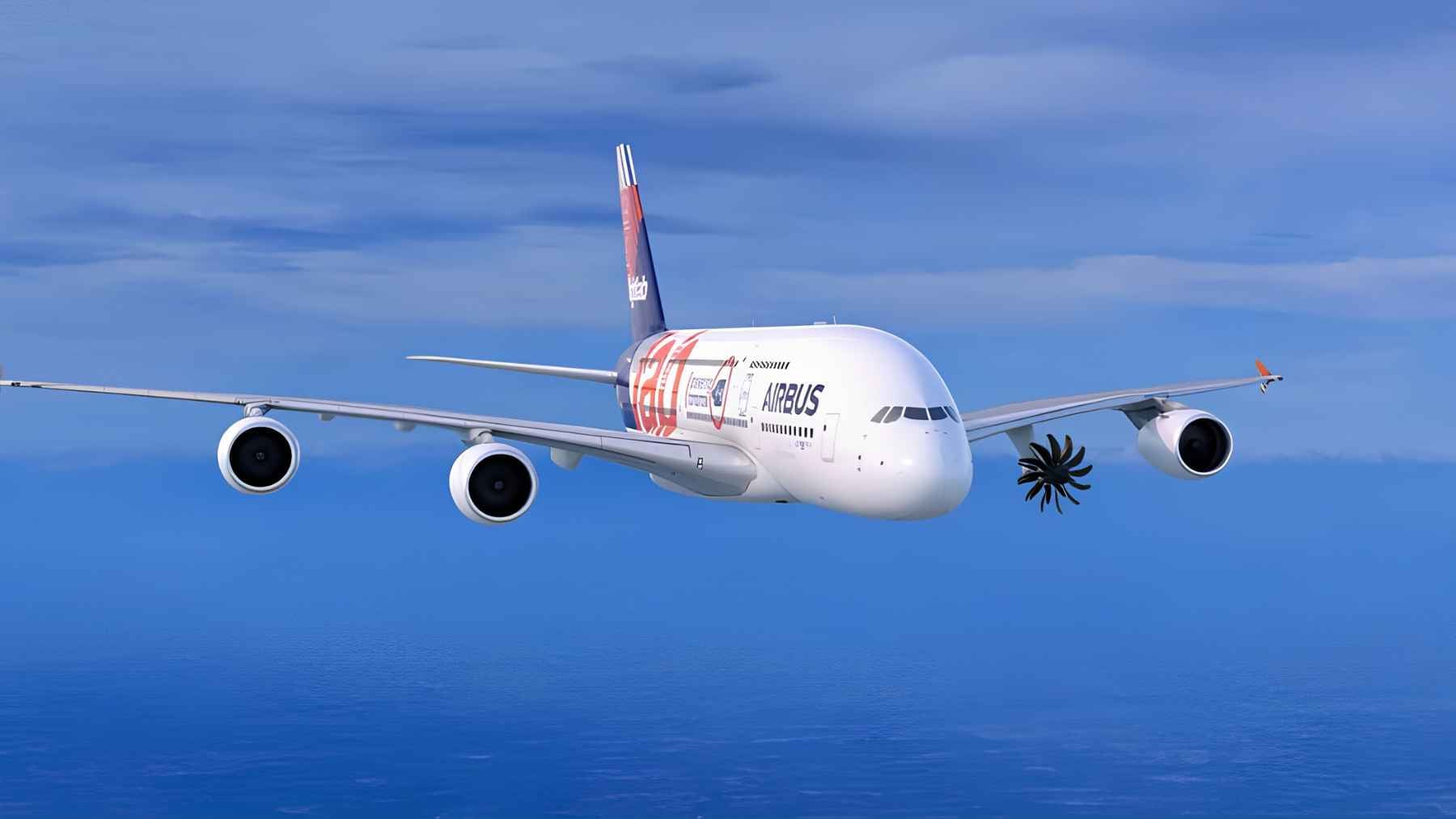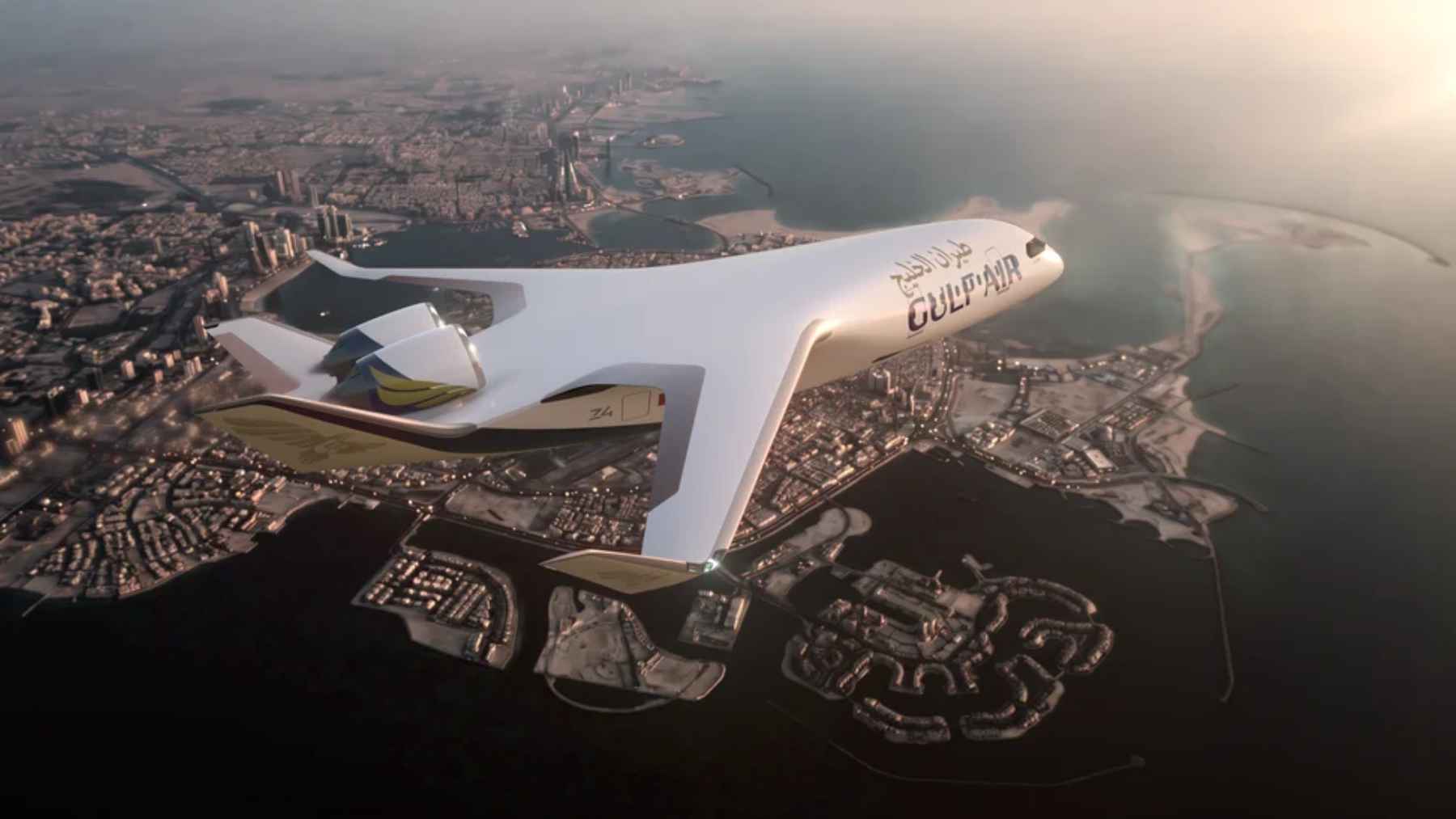
What if part of an airplane could do two jobs at once, carrying mechanical loads while also storing power like a battery? That is the idea behind RE-CELL, a Spanish project developing structural batteries and supercapacitors made with recycled carbon fiber for future aircraft components.
The project does not mean electric passenger jets are suddenly ready for long-haul flights. Not even close. But it does point to one of aviation’s most stubborn climate problems, which is that batteries are heavy, and every extra pound matters when an aircraft leaves the runway.
A lighter way to store power
RE-CELL is being coordinated by SOFITEC, with AIMPLAS and I2CON also taking part. According to AIMPLAS, the project began on September 1, 2024, and is scheduled to run through August 31, 2027.
The idea is simple to explain, even if it is hard to build. Instead of placing a separate battery inside an aircraft, engineers want the aircraft component itself to store energy. In practical terms, that means turning part of the structure into a useful power source.
For now, the first applications are expected to be non-critical systems, such as cabin lighting. That matters because aviation is not a place for shortcuts, and any new material must prove itself slowly before it moves into more demanding roles.
Why aviation needs this
Aviation is under pressure to cut emissions, but the path is not easy. The International Air Transport Association says airlines have committed to net zero carbon emissions by 2050, with new technology, electric aircraft, hydrogen and other measures forming part of the plan.
The European Commission also warns that aviation remains a highly energy-intensive sector and one of the fastest-growing sources of greenhouse gas emissions. It reported that aviation accounted for 2% of global carbon dioxide emissions in 2022.
That’s where structural batteries become interesting. They are not a magic wand, but they could reduce the dead weight linked to separate batteries, brackets and protective housings.
The weight problem
Electric aviation has a familiar problem. Batteries can deliver clean power at the point of use, but they add weight that aircraft designers cannot ignore.
The U.S. Government Accountability Office said in May 2026 that manufacturers are developing fully electric and hybrid-electric aircraft mainly for short-range and medium-range flying. It also noted that the FAA had not yet issued a type certification for a manned electric aircraft as of March 2026.
That puts RE-CELL in the right context. This is not about replacing jet fuel overnight. It is about shaving weight and improving efficiency where the technology can realistically fit first.
Recycled fiber does the work
One of the most important parts of the project is the use of recycled carbon fiber. Carbon fiber is prized in aerospace because it can be strong and light, but composite waste has long been a headache for industries that depend on high-performance materials.
AIMPLAS says RE-CELL aims to develop a structural battery based on carbon fiber and recycled materials for non-critical aeronautical applications. The project targets storage capacity of up to 70 watt-hours per kilogram, which equals about 31.8 watt-hours per pound.
The same official project page lists a target tensile strength of 500 megapascals, or about 72,519 pounds per square inch, and an elastic modulus of 3.5 gigapascals, or about 507,632 pounds per square inch. Those numbers show the double ambition behind the work, because the material must behave like a structure and an energy device at the same time.
A landing gear demonstrator
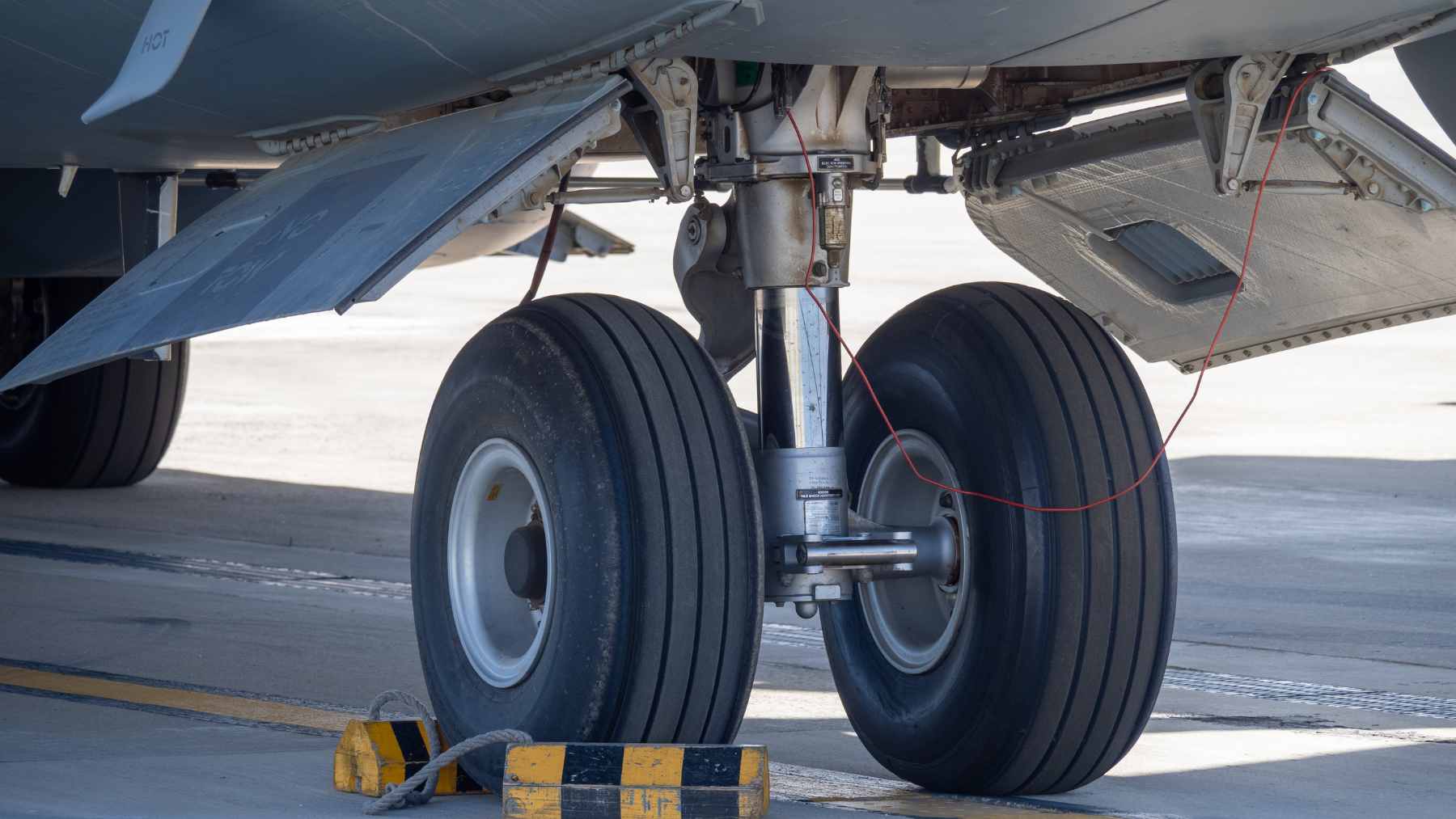
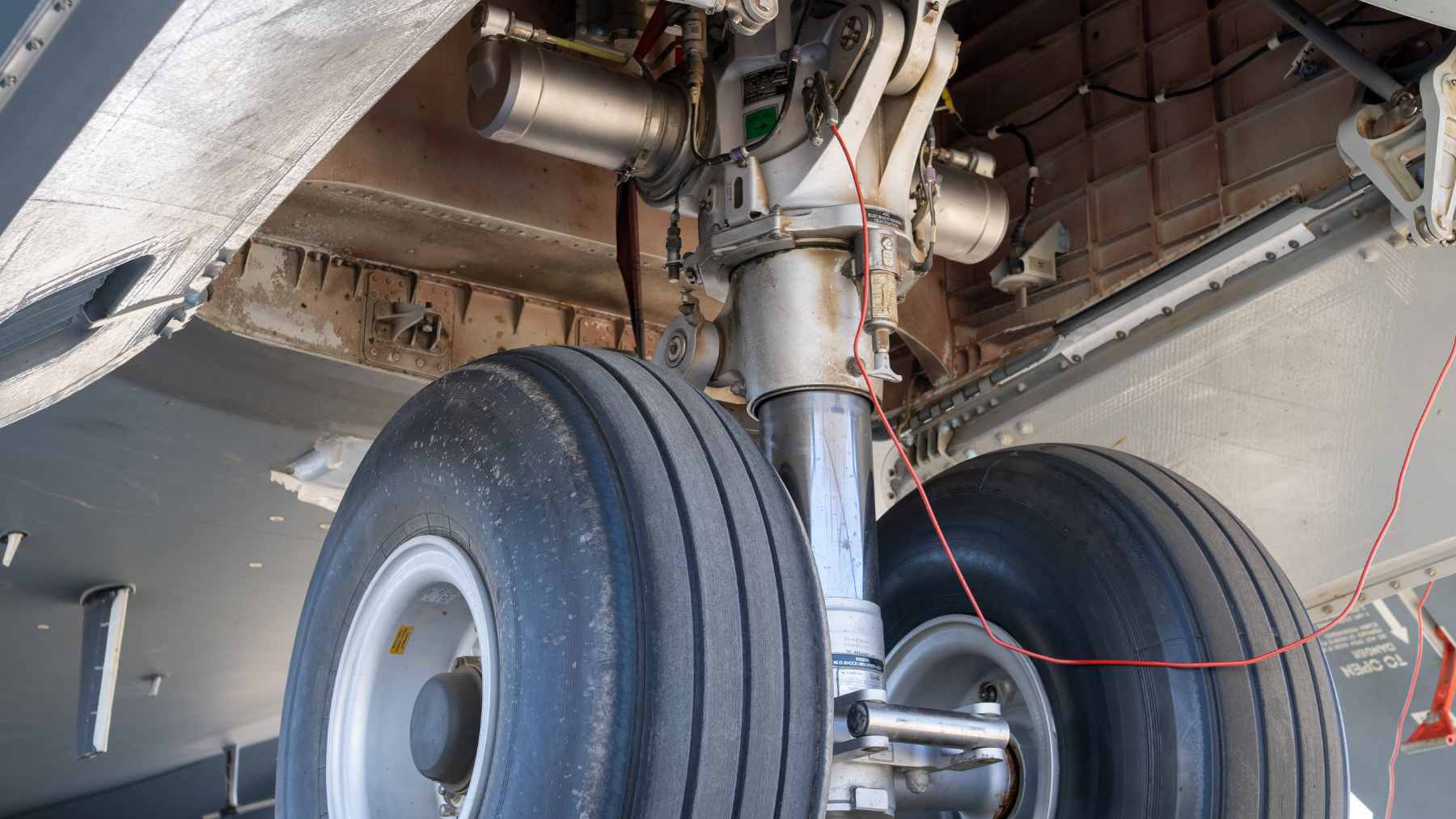
The project is expected to end with a real-scale demonstrator linked to an aircraft landing gear component. That does not mean a battery-powered landing gear is ready for airports tomorrow, but it gives engineers a physical test bed instead of just a lab sample.
AIMPLAS says this demonstrator will help validate the technology in representative conditions and move it closer to industrial use. It is a crucial step because aerospace materials must survive vibration, loading, temperature changes and strict certification demands.
There is also a business angle here. If recycled carbon fiber can be turned into valuable aviation-grade material, waste from high-end manufacturing stops being just a disposal problem and starts looking more like a supply chain opportunity.
The science is tricky
The hard part is making the same material handle two jobs that usually belong to different systems. A battery must move ions and store charge. An aircraft component must carry loads and hold its shape.
AIMPLAS says the project is working on challenges such as functional solid electrolytes, the variability of recycled fibers and the combined behavior of mechanical and electrochemical properties. That last part is the real puzzle. How does a material change when it is carrying force and storing energy at the same time?
Esteban Castro, an R&D engineer at SOFITEC, described the key challenge as storing energy “without penalizing weight.” Fernando Ramos of AIMPLAS said the work is also about giving carbon fiber a second life as “a high value-added resource.”
What happens next
The big promise of RE-CELL is not that tomorrow’s airliners will fly on structural batteries alone. The more realistic takeaway is that future aircraft could use smarter materials that reduce weight, reuse valuable carbon fiber and power smaller systems more efficiently.
That may sound modest. Still, in aviation, modest weight savings can matter, especially when multiplied across fleets, routes and years of operation.
The official project page was published on AIMPLAS.