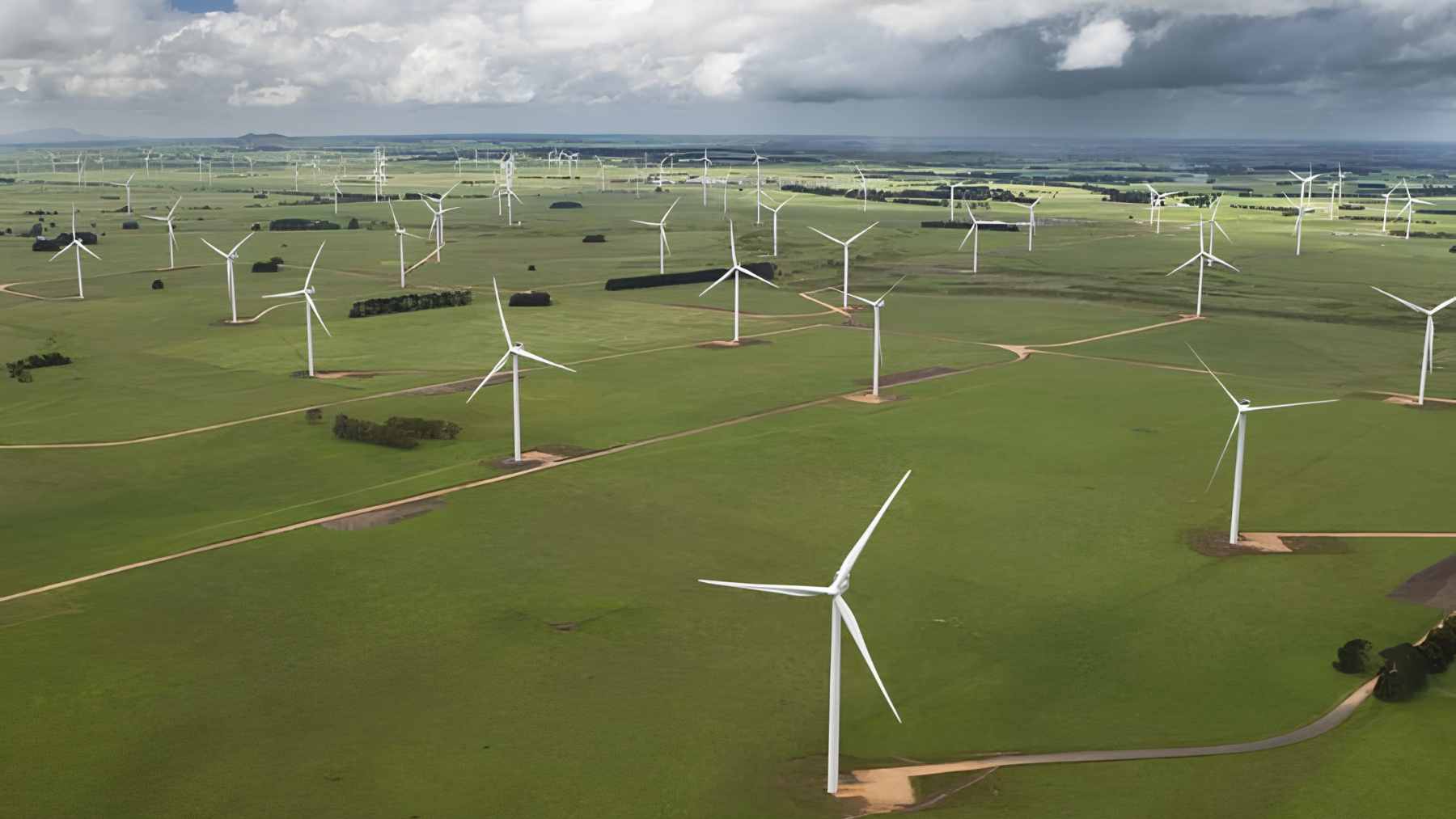
A major wind and battery project in Western Australia has cleared a key federal environmental step after promising to keep its turbine blades high enough to reduce risks to threatened wildlife.
The Twin Hills Wind Farm, planned near Eneabba, was declared “not a controlled action if taken in a particular manner” under Australia’s national environment law, according to federal records and source material provided for this article.
That small phrase matters. In practical terms, the project can avoid a deeper federal assessment if it follows the specific environmental limits attached to the decision, including a rule that no operating turbine blade can dip below about 197 ft. above ground level to help protect Carnaby’s Black Cockatoo.
A big clean energy project
Twin Hills is proposed for farmland about 19 miles northeast of Eneabba and about 160 miles north of Perth. The federal referral describes a project with up to 110 wind turbines, a co-located battery energy storage system, and supporting infrastructure spread across freehold properties and road reserves.
Earlier reporting and project material described Twin Hills as a 930-megawatt wind proposal, though the federal documents now focus less on headline capacity and more on the physical footprint, turbines, storage, and biodiversity risks. That is often where renewable projects live or die, not in the press release, but in the map lines, habitat surveys, and engineering details.
The land is already used mostly for livestock grazing and broad-acre cropping. Federal documents say those activities would be able to continue across most of the site during construction, operation, and decommissioning, which is important for farmers watching the clean energy buildout arrive at their fence lines.
Why blade height matters
The key wildlife condition is simple enough to picture: if a turbine is operating, no part of its blade can come lower than 197 ft. above the ground, a clearance designed to avoid and reduce harm to Carnaby’s Black Cockatoo.
That does not appear to force a redesign, at least based on the original federal referral. The planned turbines would have blades up to 328 ft. long and hub heights up to 656 ft., with total tip height capped at 984 ft.
Do the math and the lowest blade tip would still swing 328 feet above the ground under that setup. In other words, the project’s own turbine design already leaves a larger buffer than the federal condition requires.
The cockatoo at the center
Carnaby’s Black Cockatoo is not just another bird in an environmental file. It is a threatened Western Australian species, and federal guidance lists Carnaby’s cockatoo as endangered under the EPBC Act.
The decision also sets strict clearing limits. The proponent must not clear more than 37 acres of Carnaby’s Black Cockatoo foraging habitat, more than two potential black cockatoo breeding trees, 12.6 acres of Western Spiny-tailed Skink habitat, or 10.6 acres of threatened flora habitat.
There is a quiet lesson here. Clean power is meant to cut emissions, but it still lands in real places where birds fly, lizards shelter, and rare plants grow.
Not a blank check
The federal decision is helpful for Twin Hills, but it is not a blank check. The decision says the action is not controlled only if it is taken in the specific manner set out in Annexure A, which includes the clearing limits and turbine construction rules.
Australia’s EPBC Act is the country’s main national environmental law, designed to protect nationally important plants, animals, habitats, and places. The department says the law is used to assess projects that may affect protected matters before major land-use changes go ahead.
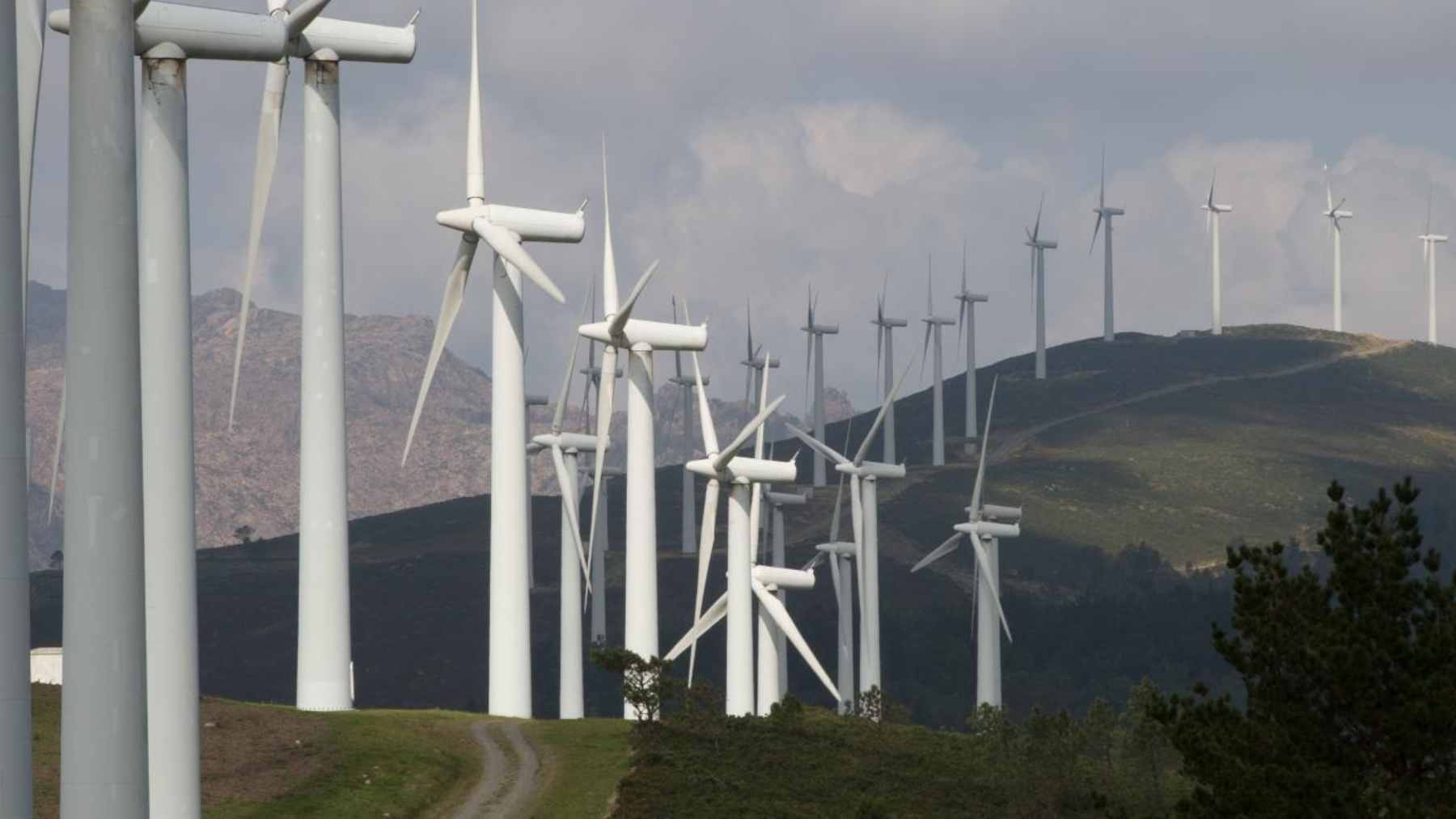
So the Twin Hills decision is really a conditional green light at the federal referral stage. Roads, planning permissions, community concerns, supply chains, and grid work can still influence what happens next.
Batteries and the grid
The project is not only about turbines. The referral includes a battery energy storage system, which matters because wind power is strongest when it can be stored, managed, and delivered when the grid needs it.
Twin Hills would connect to an existing 330-kilovolt transmission line that forms part of Western Australia’s South West Interconnected System. That existing grid access is part of the project’s appeal, since renewable energy projects can move faster when they are not stranded far from transmission.
The wider grid is changing, too. Western Power has said upgrades in the northern section of the South West Interconnected System are meant to unlock renewable energy capacity and help decarbonize the grid.
Jobs and the buildout
The referral says construction would take about two to three years, with a peak workforce of around 300 people. Once operating, the project is expected to support about 15 permanent full-time jobs over an anticipated 25-year operating life.
Those numbers are not massive on their own, but they tell part of the business story. Renewable projects bring construction bursts, long-term maintenance work, lease income for landholders, and demand for local services, even when the day-to-day operation is lean.
At the end of the day, Twin Hills shows how the next wave of clean energy may be decided: not only by megawatts, but by whether developers can prove that turbines, batteries, farms, and threatened species can share the same landscape.
The official statement was published on the EPBC Act Public Portal.