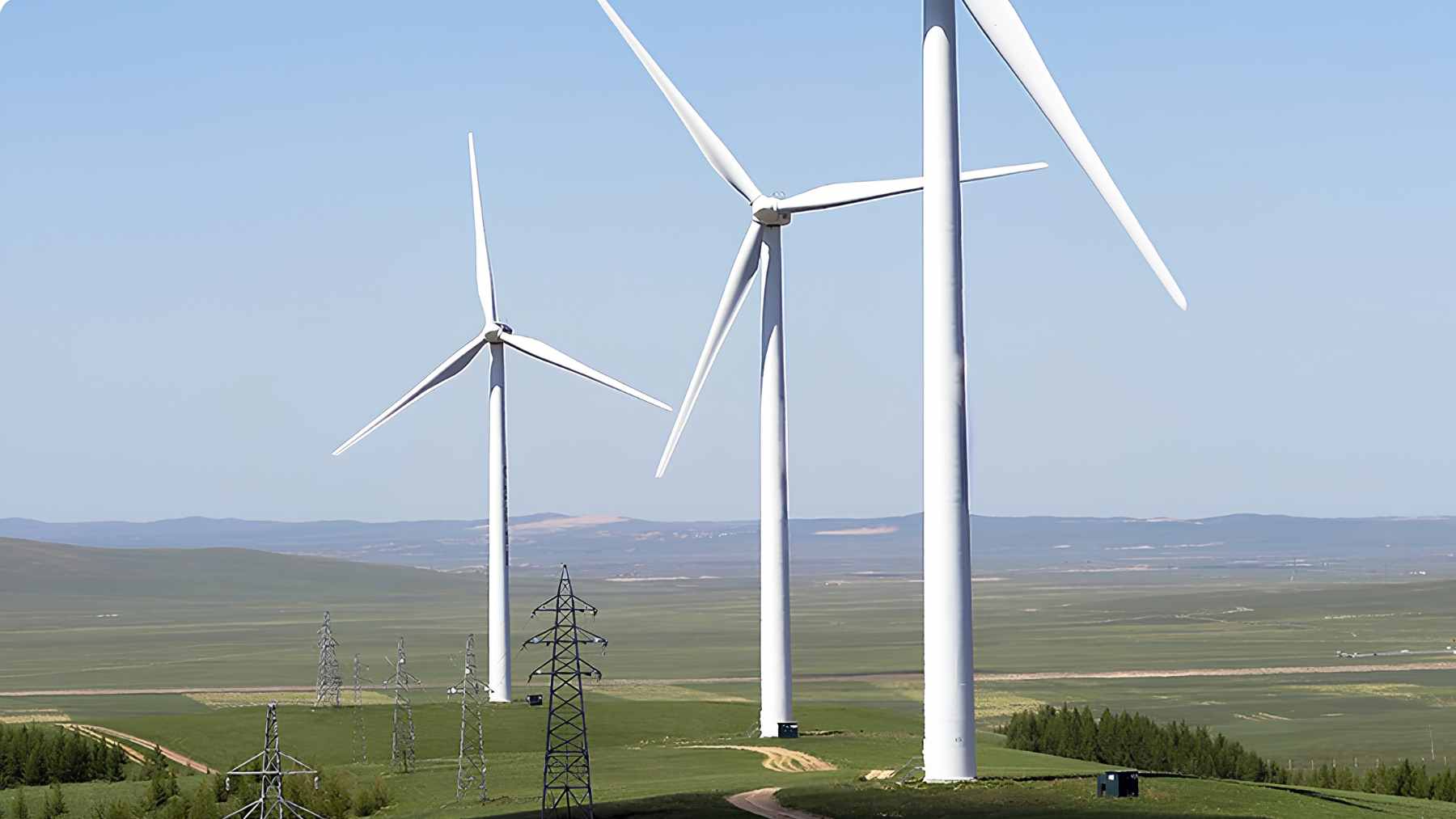
A wind turbine in China has moved from record-breaking hardware to actual electricity on the grid. The 26 MW machine, developed by Dongfang Electric, was connected in Shandong province on October 29, making it the largest grid-connected wind turbine by single-unit capacity and rotor diameter, according to Xinhua.
That matters because this is not just a bigger version of yesterday’s windmill. It is a sign of where offshore wind technology is heading, with taller towers, longer blades, tougher materials, and a new industrial race over who can build the machines that feed tomorrow’s clean power grids.
Bigger, in this case, is also a business message. For countries worried about energy security, it is a reminder that the clean power race is becoming a manufacturing race, too.
A record now on the grid
The turbine is installed at the Dongying Wind Power Equipment Testing and Certification Innovation Base. It is designed for offshore operations, although the test prototype itself is located onshore, which makes certification and monitoring easier before similar machines move into harsher sea conditions.
Xinhua said the site began operating in May 2025 and includes 12 high-power wind test positions.
Its scale is hard to picture. The rotor is more than 1,017 ft. across, each blade is about 502 ft. long, and the swept area covers roughly 19 acres, which is larger than most neighborhood parks.
At full load, each turn of the rotor can generate 62 KW/h of electricity. Under annual average wind speeds of about 22 mph, one unit is expected to produce 100 million KW/h a year, enough for about 55,000 ordinary households in the Chinese estimate.
Why size matters
So why keep making turbines bigger? The simple answer is that longer blades catch more wind, especially offshore, where winds are often stronger and steadier than on land.
In practical terms, that can mean fewer turbines are needed to reach the same wind farm capacity. Fewer machines can also mean fewer foundations, fewer cables, and fewer maintenance visits, although the math is never quite that tidy in the real world.
The harder part is engineering. Dongfang says the 26 MW unit contains more than 30,000 components, uses a fully sealed design to fight salt spray corrosion, and is equipped with typhoon resistance technology for extreme coastal conditions.
China’s offshore push
The timing is important. The Global Wind Energy Council said offshore wind capacity reached 83.2 GW worldwide by the end of 2024, while China accounted for half of the cumulative global offshore market and led new installations for the seventh year in a row.
That helps explain why this turbine is more than a science project. For the most part, the countries that master the factories, ports, cranes, software, and grid equipment around offshore wind will have more control over the price and pace of deployment.
It is part of a larger industrial strategy, where China wants to lead not only in building wind farms but also in manufacturing the giant equipment that other markets may eventually need.
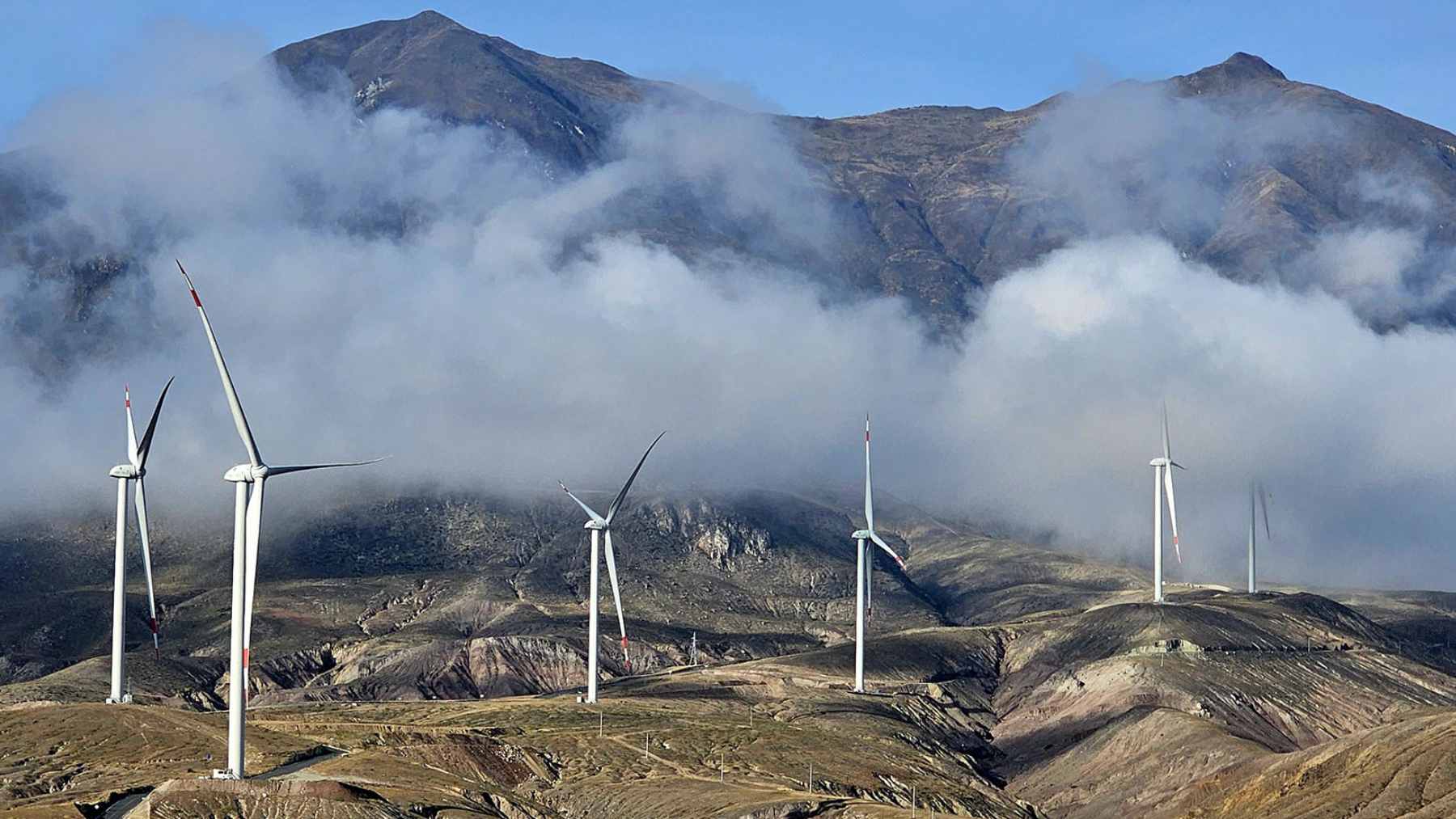
The global picture is mixed, however. Offshore wind made up only 7.3% of total global wind capacity at the end of 2024, according to GWEC, and the group warned about policy instability, failed auctions, transmission delays, and slower commissioning in some regions.
The climate payoff
By Dongfang’s own estimates reported by Chinese state media, one 26 MW turbine can save more than 33,000 tons of standard coal each year. The same calculation puts avoided carbon dioxide emissions at more than 88,000 tons annually.
Those figures sound huge, and they are. Still, they depend to a large extent on where the turbine is placed, how often the wind blows, how smoothly the grid takes the electricity, and what fossil fuel generation is actually displaced.
There is also the everyday environmental question that sits behind all offshore wind projects. Cleaner electricity is the prize, but developers still have to manage marine habitats, supply chains, port expansion, blade recycling, and the visual impact of very large machines.
A bigger business race
CGTN reported in October that testing was progressing smoothly and that Dongfang planned to build similar turbines in Guangdong and Fujian as early as 2026. That would move the story from one striking prototype toward a possible new generation of offshore wind deployments.
For utilities and developers, the appeal is obvious. A single larger turbine could reduce the number of units needed in a project, but it also raises the stakes if one machine fails or if a port cannot handle components the size of skyscrapers laid on their sides.
That is where the next race begins. The future of offshore wind will not be decided only by who builds the biggest turbine, but by who can make giant machines reliable, affordable, easier to install, and gentle enough on the environment to win public trust.
The official report was published on Xinhua.