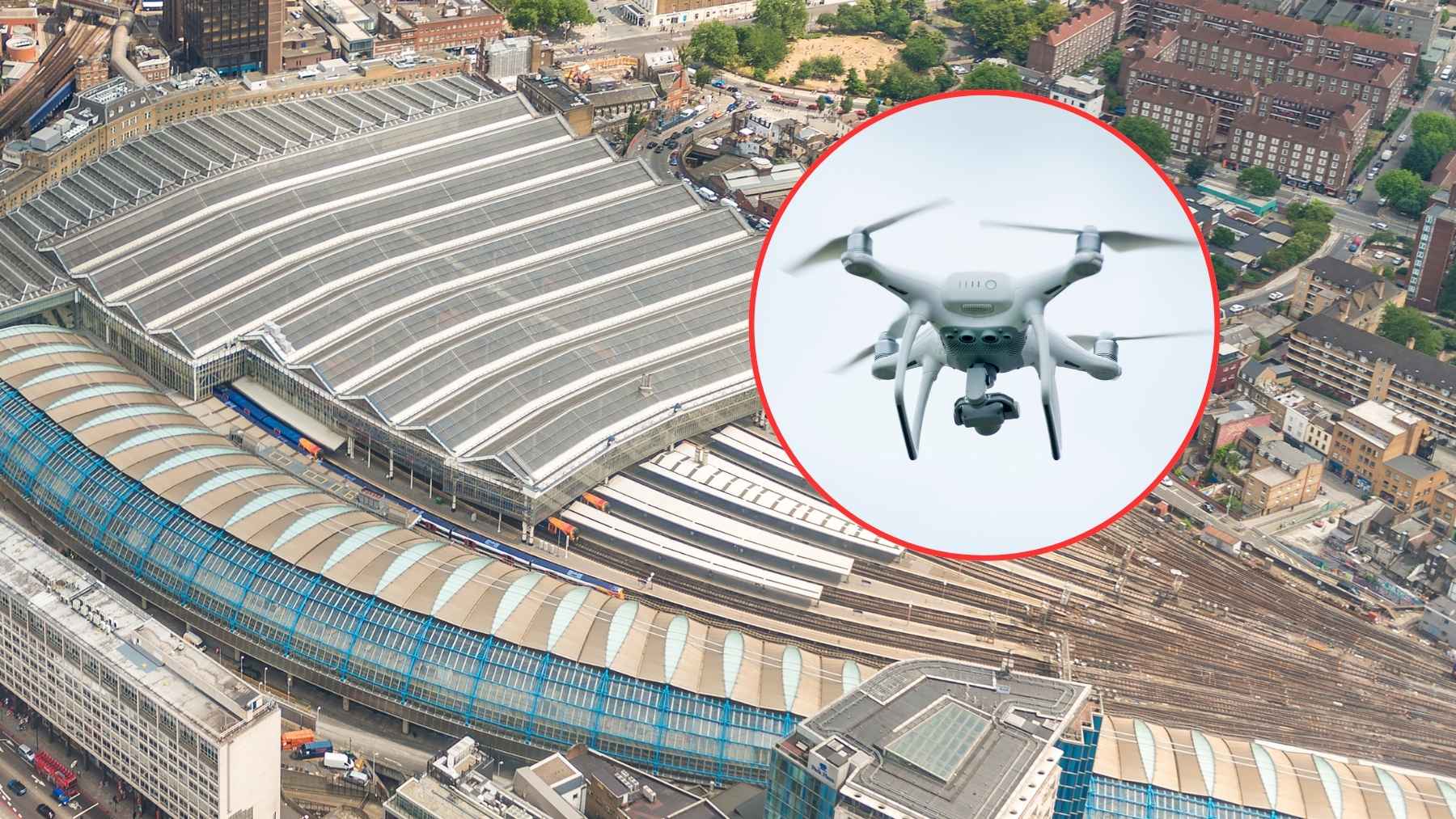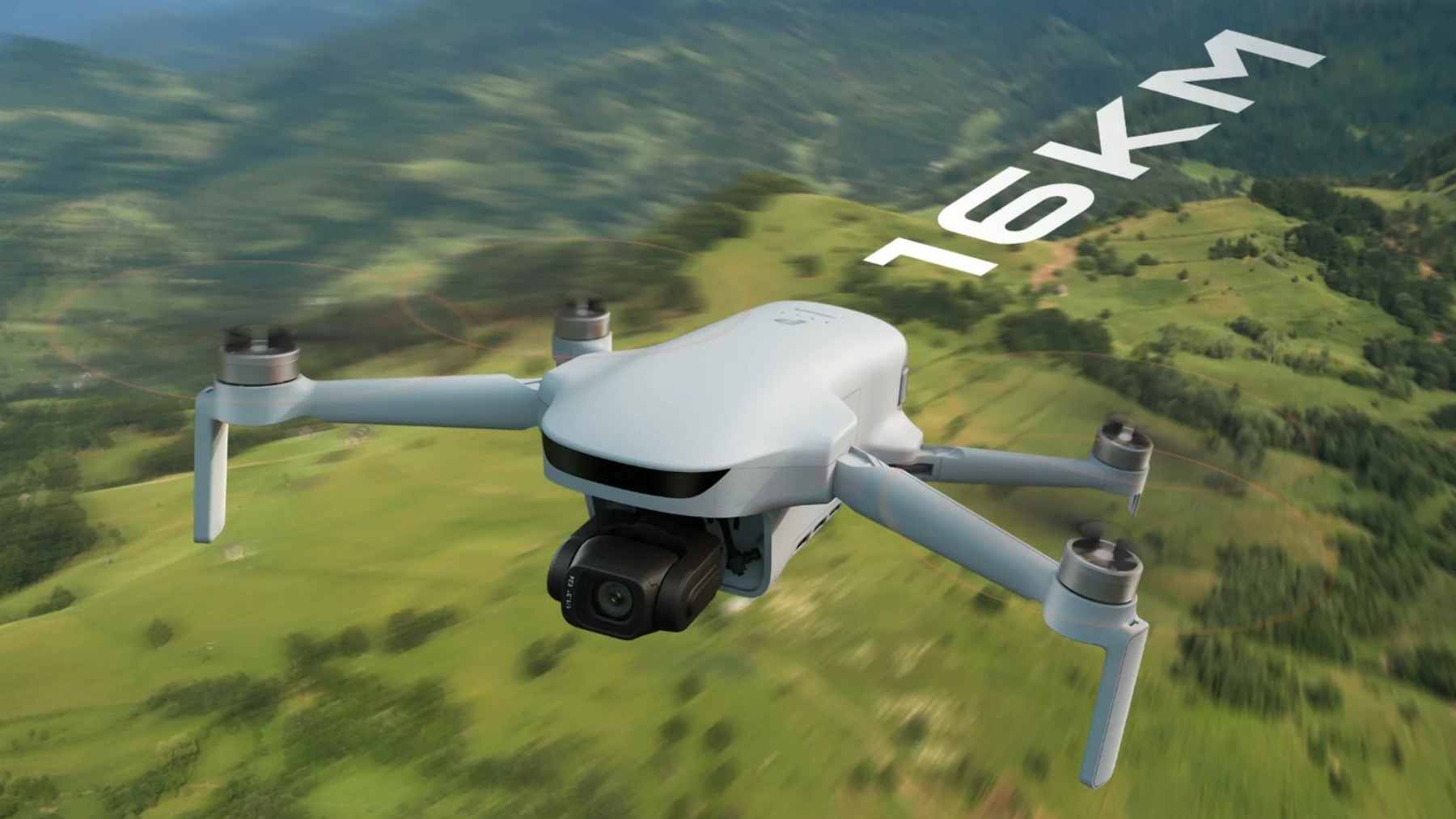
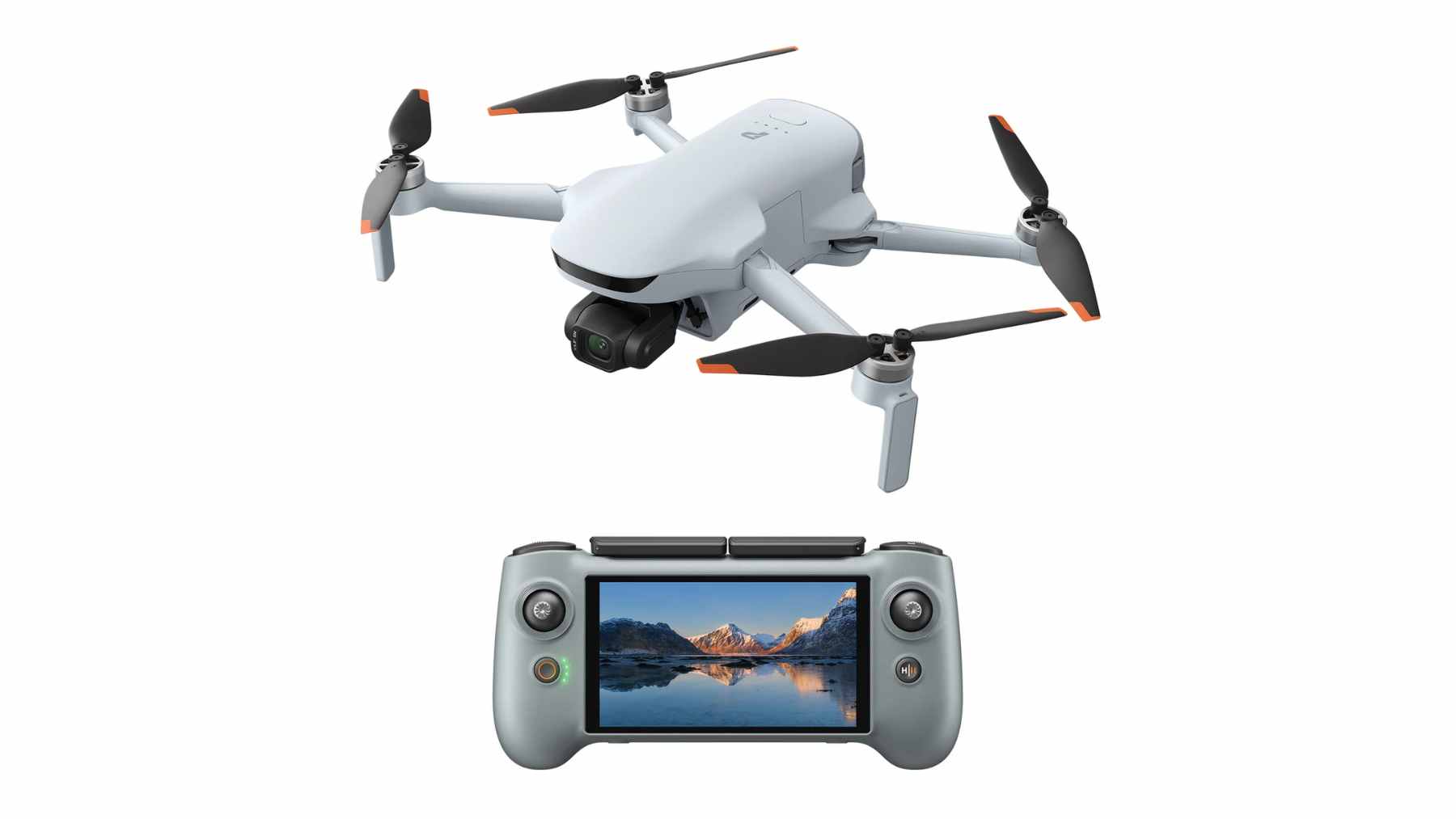
Potensic’s new Atom 3 looks like exactly the kind of drone many beginners, creators, small businesses, and field teams would want. It is light, relatively affordable, and packed with camera upgrades, but U.S. buyers may not get a clean path to buy it because of the Federal Communications Commission restrictions on new foreign-produced drones.
That matters beyond weekend aerial videos. Small drones are now part of everyday environmental work, from checking water quality and vegetation health to surveying protected species. So when a budget model gets blocked from the U.S. market, the story is not just about gadgets. It is also about who gets access to affordable aerial data.
A small drone with big upgrades
The Atom 3 is built around a 1/1.3” camera sensor, 4K video at 60 frames per second, and 50-megapixel photos. Potensic also lists up to 9.9 miles of video transmission and a weight under 8.8 oz., keeping the standard version in the small-drone sweet spot many casual pilots look for.
Battery life is another major selling point. Potensic says the Atom 3 can fly for 40 minutes with the standard battery or 50 minutes with the extended-range battery, though that larger pack changes the weight category.
In practical terms, this is the kind of drone someone might pack for a roof inspection, a farm scouting trip, a trail video, or a quick land survey. Not every job needs a professional aircraft that costs several times more. Sometimes, a small flying camera is enough.
Why the FCC matters
The issue is that drones need FCC authorization when their wireless systems are marketed, imported, or sold in the United States. The FCC says new models on the Covered List are barred from receiving that authorization, which effectively keeps those new devices from entering the U.S. market.
The agency added foreign-produced uncrewed aircraft systems and critical components to the Covered List after a national security review. It later created temporary exceptions, until January 1, 2027, for drones and components on the Blue UAS Cleared List and for certain items that meet the Buy American Standard.
There is an important catch for people who already own drones: the FCC says previously authorized devices can still be used, sold, and imported. So this is mostly a forward-looking squeeze on new models, not a sudden shutdown of every drone already sitting in a garage or agency storage room.
The environmental angle
Why should an environmental reader care about one missing consumer drone? Because drones are increasingly becoming low-cost eyes in the sky for conservation, agriculture, and emergency response.
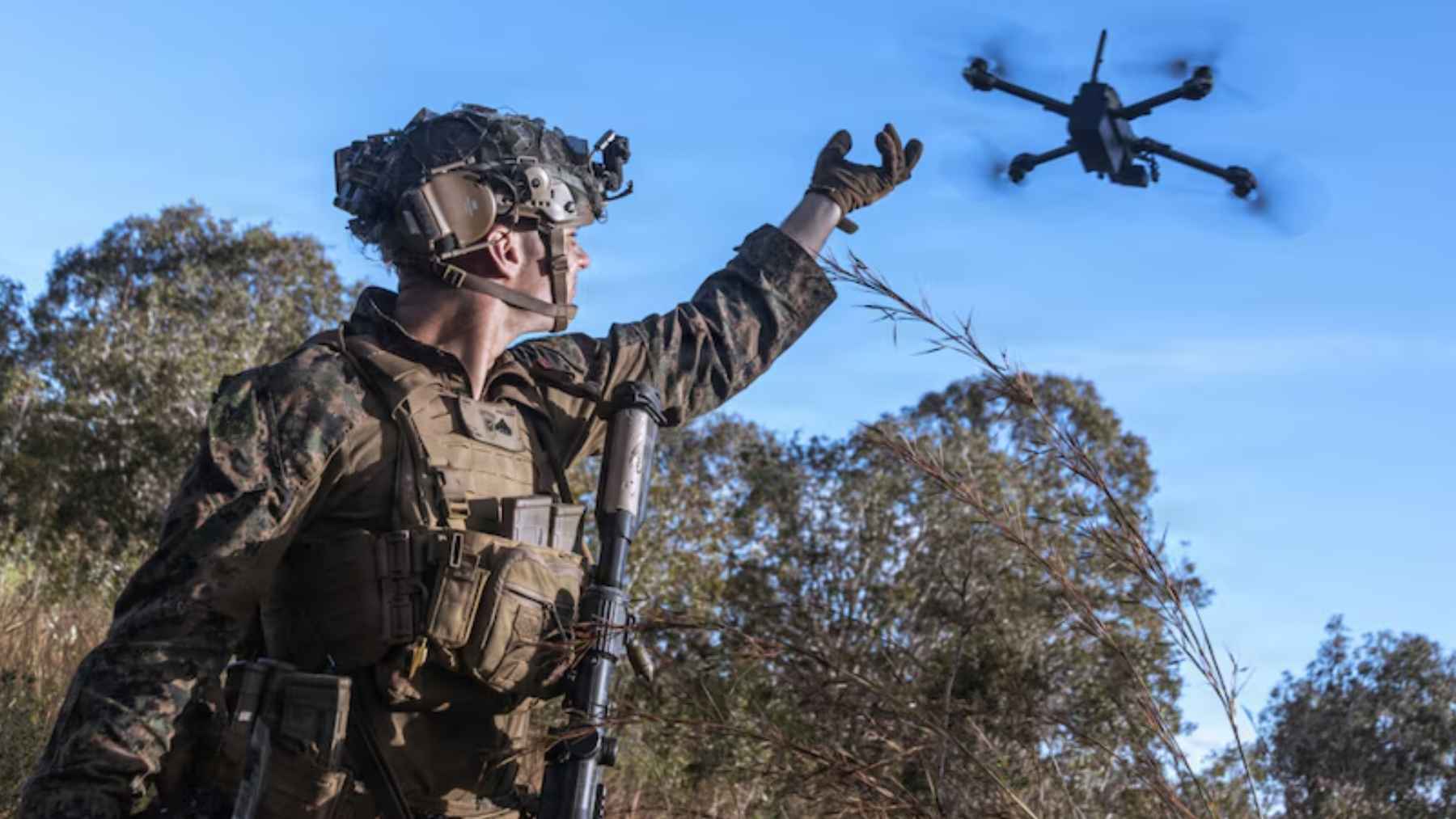
The USDA’s Natural Resources Conservation Service says drones can help track soil erosion, water quality, and vegetation health. It also says drone imagery, lidar, 3D imaging, and elevation mapping can help teams collect data faster and make better decisions in the field.
The National Oceanic and Atmospheric Administration (NOAA) also notes that government and private researchers use small drones to study marine mammals and other protected species, including through aerial surveys and identification work.
That does not mean the Atom 3 is automatically a scientific instrument, but it shows why affordable drone access matters in the broader environmental toolkit.
Security and supply chains
The FCC’s concern is not image quality or flight time, it is security.
In its January fact sheet, the agency said national security officials cited risks including attacks and disruptions, unauthorized surveillance, sensitive data exfiltration, and threats to the homeland.
The same determination also pointed to the U.S. drone industrial base, which has become a bigger issue as drones move from hobby tools into public safety, infrastructure, agriculture, and defense work.
That is where the debate gets tricky. A blanket restriction can push buyers toward trusted supply chains, but it can also remove inexpensive tools from smaller users who cannot easily switch to pricier alternatives. For the most part, the FCC is choosing security certainty over consumer choice.
Potensic still hopes
Potensic is not publicly giving up on the U.S. market. According to the supplied report, a company representative said it is “working actively” to obtain FCC certification for the Atom 3 and remains optimistic about future U.S. opportunities.
That optimism may not be enough on its own. The FCC’s own guidance says covered companies can seek individual Conditional Approvals, but those requests are evaluated by national security authorities before any path opens.
So the Atom 3 is not necessarily gone forever. Still, for U.S. shoppers looking for a sub-8.8-oz. 4K drone right now, the safer assumption is that this model remains outside normal U.S. retail channels unless Potensic secures a clear approval.
What buyers should know
The FCC has also started carving out very small “toy drones,” but that does not appear to help a camera drone like the Atom 3. Reuters reported that the toy-drone exception applies to drones under 5.3 oz., limited to about 328 ft., with no connectivity, no surveillance-grade sensors or cameras, and a maximum flight time of 10 minutes.
The Atom 3 is built around a serious camera, longer flight times, and long-range transmission. By those public criteria, it sits in a very different category.
For buyers, the key point is simple: older FCC-authorized foreign drones may still be usable, but new models face a much harder U.S. approval path. For environmental teams, small businesses, and first-time pilots, that could mean fewer affordable choices at the exact moment drones are becoming more useful in the real world.
The official statement was published on the Federal Communications Commission.