Most of us never think about what sits under the belly of a VIP aircraft. Yet new reporting based on documents and public photos suggests that some of the most sensitive aircraft in Qatar’s royal fleet have been carrying Israeli-made missile-defense technology, even though Qatar and Israel do not have formal diplomatic ties.
That is the real headline here. This is not just a story about one secretive defense deal, it is a glimpse into how modern air security works, where U.S. contracts, Israeli technology, Gulf buyers, fighter jets, VIP aircraft, and environmental questions all meet in the same crowded hangar.
A quiet Gulf channel
According to a Haaretz investigation summarized by The Times of Israel, three aircraft in Qatar’s 11-plane royal fleet were fitted with Elbit Systems’ C-MUSIC air-defense system between 2020 and 2022 while undergoing maintenance in Basel, Switzerland. The report also said Qatar’s Emir Tamim bin Hamad Al Thani flew to Tehran last year on an aircraft equipped with the system.
That detail matters because Qatar and Saudi Arabia have no official diplomatic relations or openly acknowledged defense ties with Israel. On paper, the politics remain frozen. In the supply chain, though, things appear much more fluid.
What C-MUSIC does
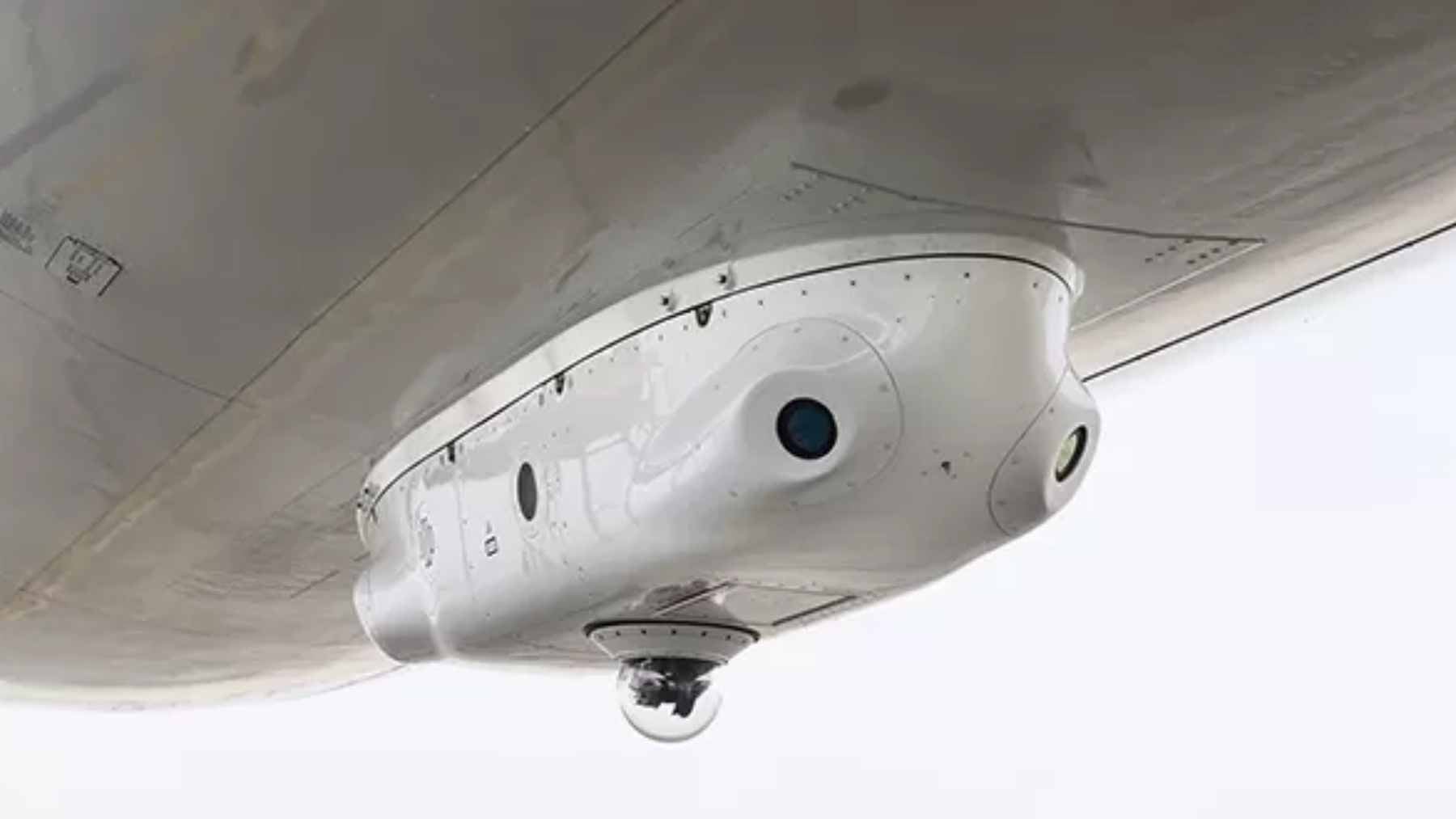
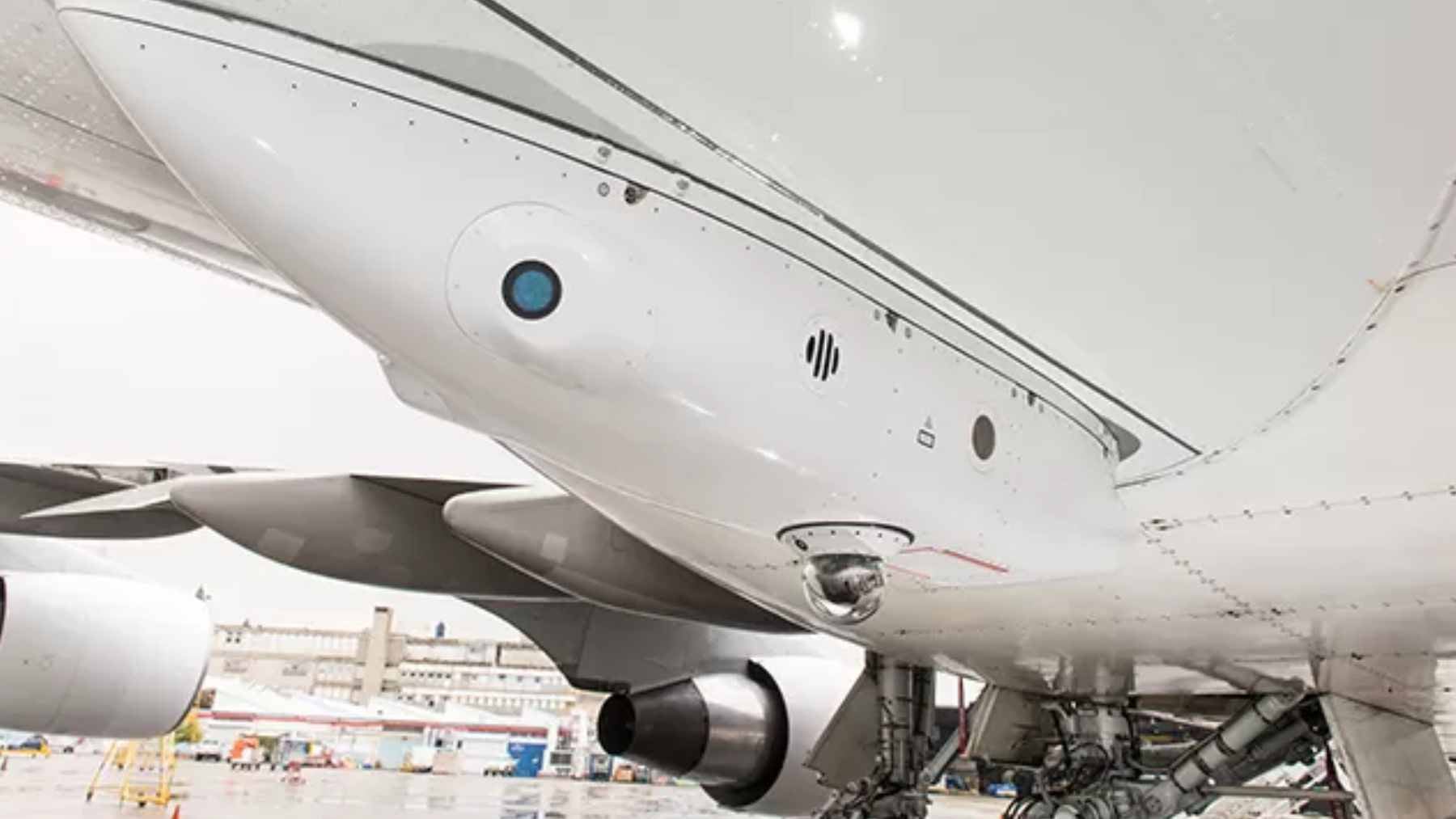
C-MUSIC is not a missile launcher. It is a defensive system designed to protect large jets from heat-seeking, shoulder-fired missiles, often called MANPADS. Elbit describes it as a laser-based, fully automatic DIRCM system built for commercial and VIP aircraft.
In practical terms, the aircraft carries a pod that can detect an incoming missile and try to disrupt its guidance. Think of it as a small electronic bodyguard tucked onto the fuselage–quiet, expensive, and easy to miss from the airport window.
The F-15 connection
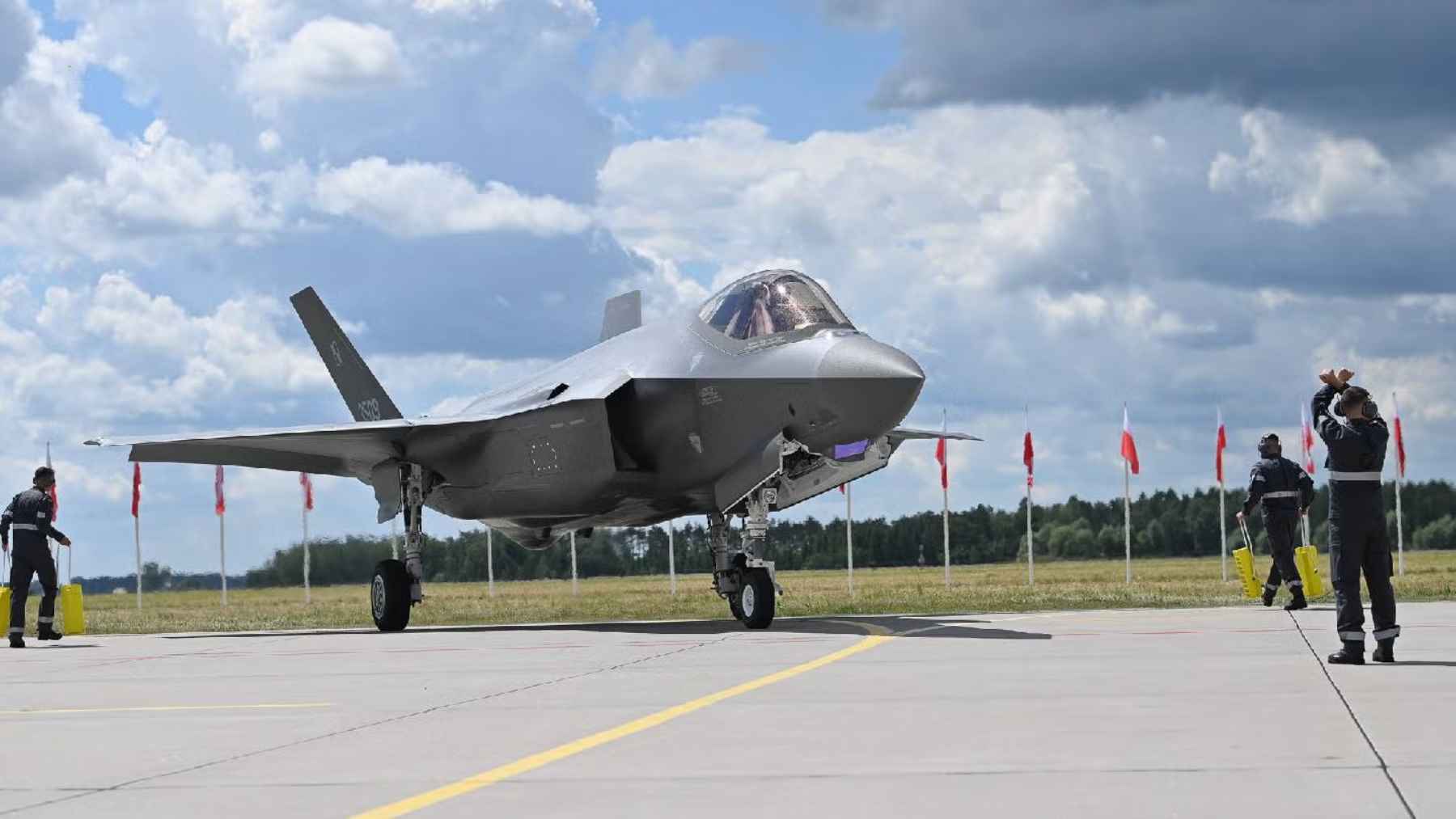
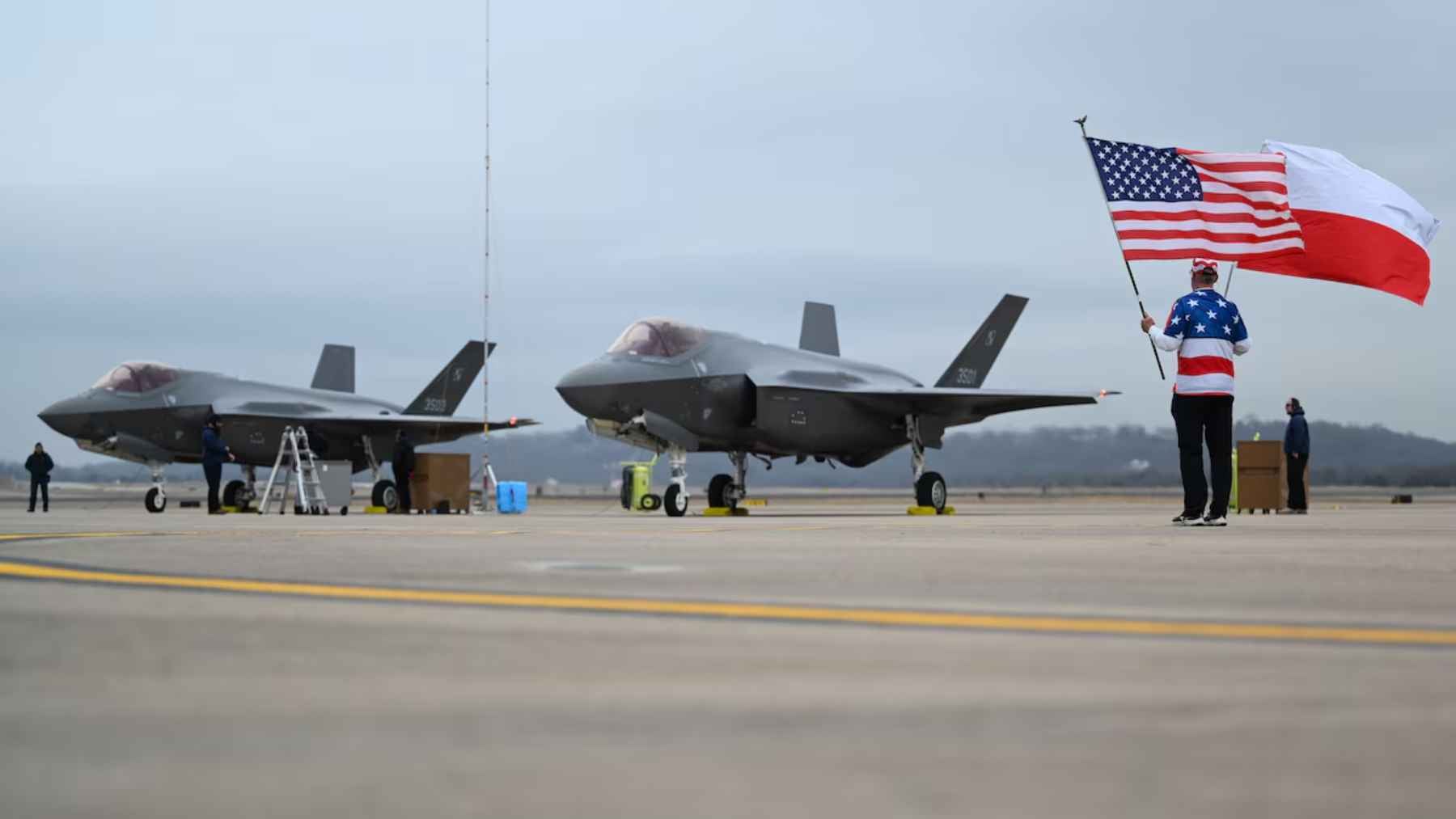
The other half of the story runs through fighter jets. In 2016, the Defense Security Cooperation Agency said the State Department had approved a possible $21.1 billion sale to Qatar for up to 72 F-15QA aircraft with weapons, equipment, training, and support, with Boeing listed as the prime contractor and Elbit Systems of America named among additional contractors.
A year later, Boeing received a $6.17 billion U.S. contract for 36 F-15QA aircraft for the Qatar Emiri Air Force. The Times of Israel, citing the Haaretz report, said Israeli-linked firms won $150 million to $250 million in subcontracts tied to advanced systems and parts for those jets, including JHMCS helmets and AN/AVS-9 night-vision gear.
Saudi Arabia appears, too
Saudi Arabia’s F-15SA program shows a similar pattern, although through official U.S. arms-sale paperwork. A DSCA notice from 2010 listed 84 F-15SA aircraft, 338 Joint Helmet Mounted Cueing Systems, 462 AN/AVS-9 night-vision goggles, and a separate line for 462 JHMCS helmets as part of a package estimated at $29.4 billion.
That is where the business story gets interesting. A country may not buy directly from Israel, but Israeli-developed or Israeli-linked systems can still move through U.S. prime contractors, joint ventures, subsidiaries, and subcontracting chains. It is less like a straight road and more like an airport terminal with many connecting gates.
The helmet is the interface
The JHMCS helmet is one of those systems that sounds technical when you imagine a pilot in combat. Collins Aerospace says the Joint Helmet Mounted Cueing System is a modular helmet display for aircraft including the F-15, F-16, and F/A-18, with day and night options and magnetic tracking for situational awareness.
In everyday language, it helps put key information where the pilot is already looking. The helmet can turn head movement into a faster way to cue sensors and weapons. For a fighter pilot, seconds matter.
A growing market
This is not a niche business anymore. In January 2026, Elbit Systems said it had won new contracts worth about $150 million to provide DIRCM systems to European aircraft fleets, including transport aircraft used by European NATO member countries.
That helps explain why Gulf aircraft matter. Once a technology is trusted on VIP jets, military transports, and fighter programs, it becomes part of a bigger market for aircraft survivability. The customer list may be politically sensitive, but the demand is not mysterious.
The environmental blind spot
Here is the quieter question: what happens when more aircraft, more protection systems, and more high-end military upgrades become normal? The documents reviewed here are mainly about security, contracts, and aircraft capability, not the climate footprint that comes with operating large aviation fleets.
By the U.S. Energy Information Administration’s estimate, burning one gallon of jet fuel releases about 21.5 lbs. of carbon dioxide. That does not mean a missile-defense pod causes extra emissions by itself, but it does remind us that air power has a fuel trail, and that trail is often easier to ignore when the subject is national security.

What to watch next
The big lesson is simple: formal diplomacy is not the only map that matters. Subcontractors, maintenance sites, export approvals, and joint ventures can reveal relationships that official statements leave out.
For readers, the key is not to assume that every part of a defense deal is visible from the headline. A helmet, a night-vision goggle, or a small pod under a jet can say a lot about where the security business is going.
The official press release was published on Elbit Systems.