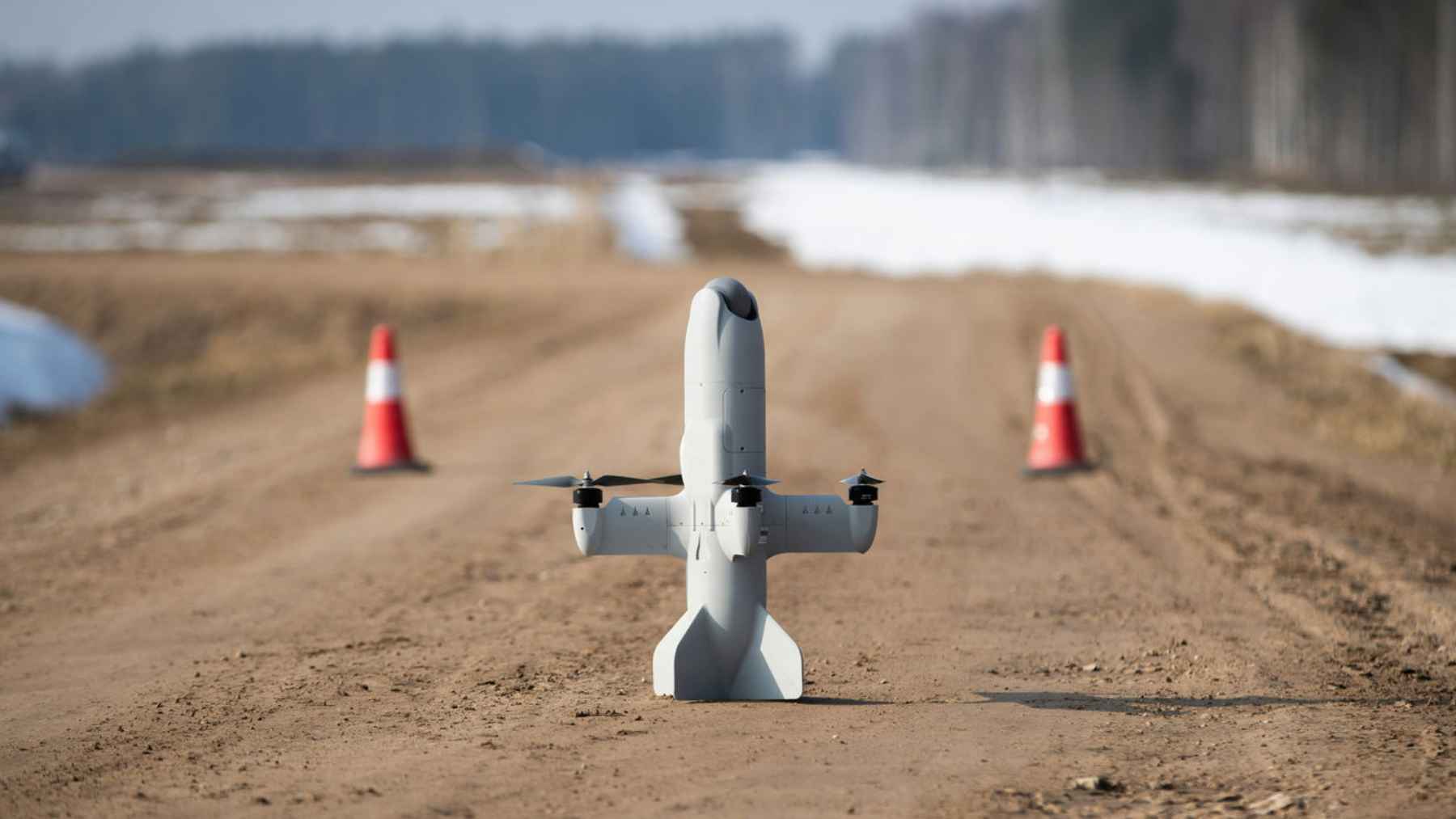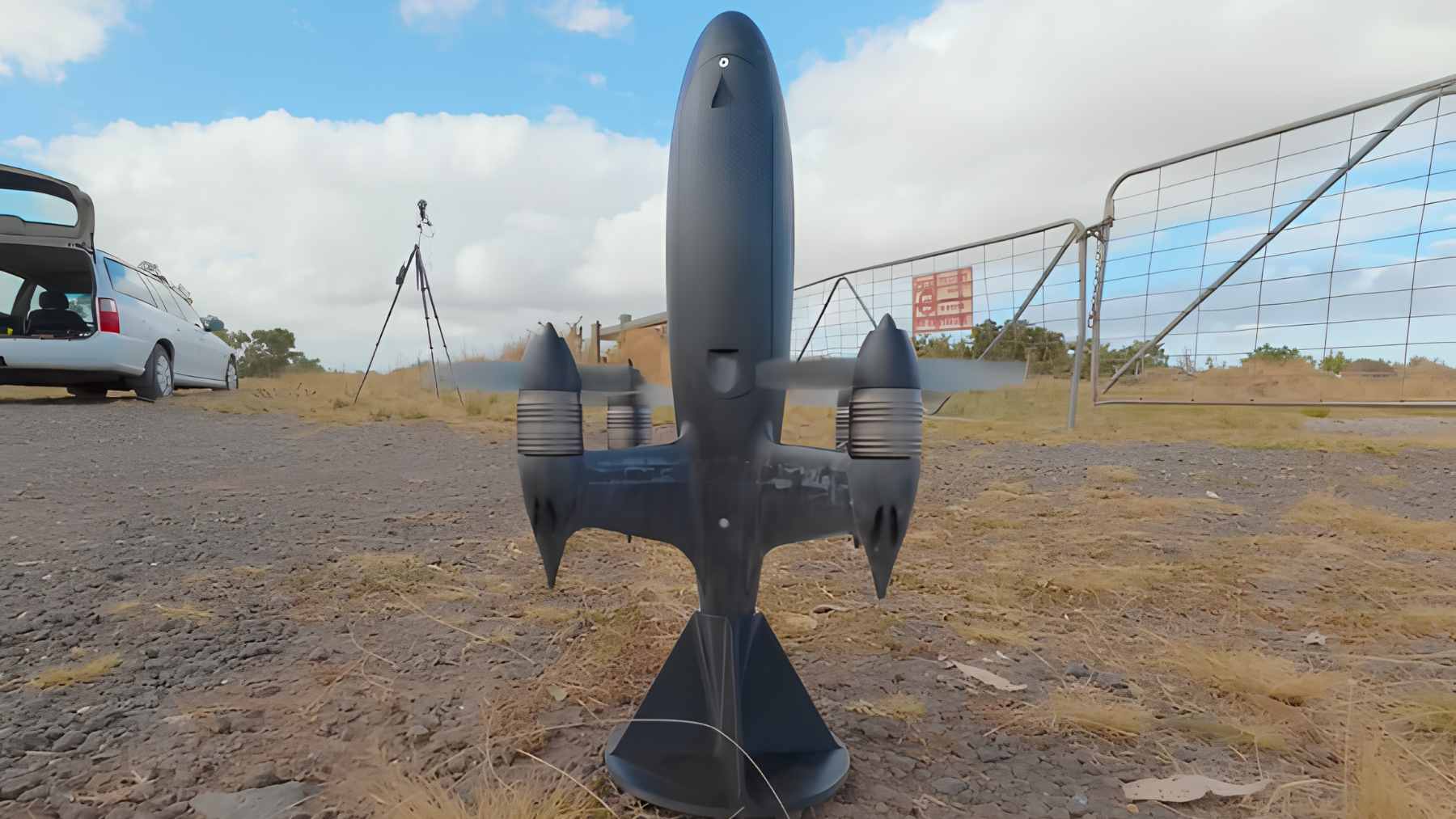
A small custom drone called “Blackbird” has pushed high-speed electric flight into a strange new place. Built by Australian aerospace engineer Ben Biggs and Drone Pro Hub’s Aidan Kelly, the aircraft reportedly reached 453 mph on a downwind pass and 426 mph as a two-way average during testing.
That is faster than the current Guinness World Records mark for a battery-powered remote-controlled quadcopter, which stands at 408.60 mph. But there is a catch: Blackbird’s flight has not been certified by Guinness, so for now, the official crown still belongs to Luke Bell and Mike Bell of South Africa, who set their record in Cape Town on December 11, 2025.
Why Blackbird matters
Most consumer drones are built to hover, film smoothly, dodge obstacles, and come home with enough battery left to land. Blackbird was built for something much narrower; it exists to go very, very fast.
That makes the aircraft less like a vacation drone and more like a flying engineering argument. How much speed can a small electric machine find before the air, the batteries, and the radio link all start pushing back?
The answer, at least from this test, is ‘a lot’. The reported two-way average of about 426 mph would clear the official Guinness figure, but speed alone is not the same as a verified world record.
The propeller trick
The most interesting part of Blackbird is not a glossy camera or a bigger body, it is the propeller.
The team used handmade carbon fiber blades with a much steeper pitch than typical drone props. That means the blades were angled more aggressively toward the direction of flight, helping them work better when the drone was already moving at extreme speed.
Why does that matter? At more than 400 mph, the air is no longer just something the drone moves through. It becomes the main obstacle, and a propeller that works well at low speed can become wasteful once the aircraft is screaming forward.
Those strange sawtooth blades
Look closely at the blades and the design gets even more unusual. Their leading edges have small sawtooth shapes instead of a smooth curve.
Those teeth are meant to create tiny vortices that help keep airflow attached to the blade. Think of dragging your hand through a pool. When the water breaks away unevenly, you lose control and efficiency.
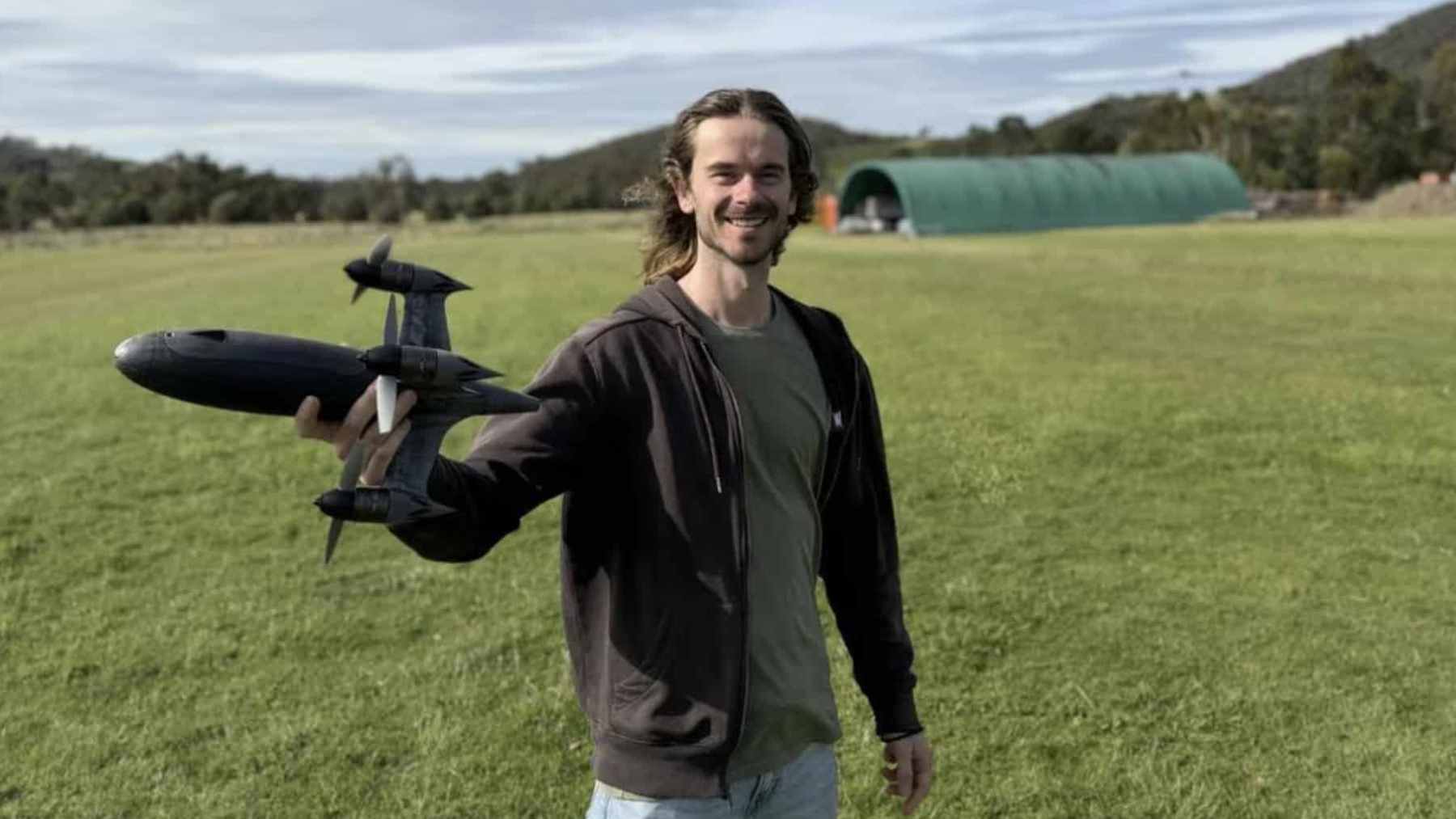
On a high-speed drone, that same idea becomes much more serious. If the air spills off the blade too early, the drone can lose thrust, add drag, and waste battery power at exactly the wrong moment.
Records need more than video
This is where the story gets complicated. A fast pass on camera can be thrilling, but a world record needs a process.
Guinness lists the official record as 657.59 kilometers per hour, or 408.60 mph, achieved by Luke Bell and Mike Bell. It also notes that records can change and are not always published online immediately, which is a useful reminder for a fast-moving niche like drone speed.
For Blackbird, the issue is not only whether the numbers are exciting. The attempt lacked the full official verification required for Guinness recognition, including accredited observers and certified timing. That leaves the aircraft in an awkward place–impressive but still unofficial.
A brutal test flight
High-speed drone flying is not smooth or forgiving. In earlier testing, one Blackbird was lost after the video feed dropped out at roughly 391 mph, leaving the pilot effectively blind.
That is a huge problem in FPV flying, which means “first-person view.” The pilot relies on a live video feed from the aircraft, so losing that picture at highway speed would be bad enough. Losing it at several times highway speed is something else entirely.
The second aircraft survived the faster run, but not without stress. Reports said the drone pulled about 400 amps for around 10 seconds, with batteries heating severely and some wiring showing damage after landing.
Speed has a battery cost
There is an environmental angle here, but it is not the easy kind. Blackbird is electric, yes, but this was not a demonstration of gentle efficiency.
The propeller design appears to help at high speed, while making low-speed work such as takeoff and landing more demanding. That means the same design that helps the drone slice through the air can also punish batteries and motors before and after the fast part of the flight.
Still, the lesson matters. Better aerodynamics can reduce wasted energy, and that idea could help future drones become more capable without simply adding bigger batteries. The catch is that racing hardware and practical aircraft live by different rules.
Why defense watchers care
A tiny aircraft moving beyond 450 mph will naturally draw attention outside the hobby world. Fast electric drones are already part of a broader conversation about military technology, air defense, and low-cost interceptors.
That does not mean Blackbird itself should be treated as a weapon. It is better understood as a speed-focused experimental platform. But the same physics behind it, including compact propulsion, efficient blades, and fast iteration, is clearly relevant to a world where small drones are becoming more capable.
For builders, the bigger point may be more down-to-earth. This flight shows that aerodynamic details once associated with larger aircraft are now being tested by small teams with custom parts, real flight data, and a willingness to crash hardware.
What happens next
The likely next step is an official attempt under stricter conditions. That would mean not just repeating the speed, but doing it with fewer doubts around timing, wind, observers, and measurement.
The pressure is back on. Peregreen V4 remains the official Guinness record holder, while Blackbird has shown that the practical ceiling for small battery-powered quadcopters may be higher than many people expected.
At the end of the day, this is not just a story about a drone going fast. It is about what happens when builders stop treating the propeller as a standard part and start treating it as the heart of the aircraft.
The official demonstration was published on Drone Pro Hub.