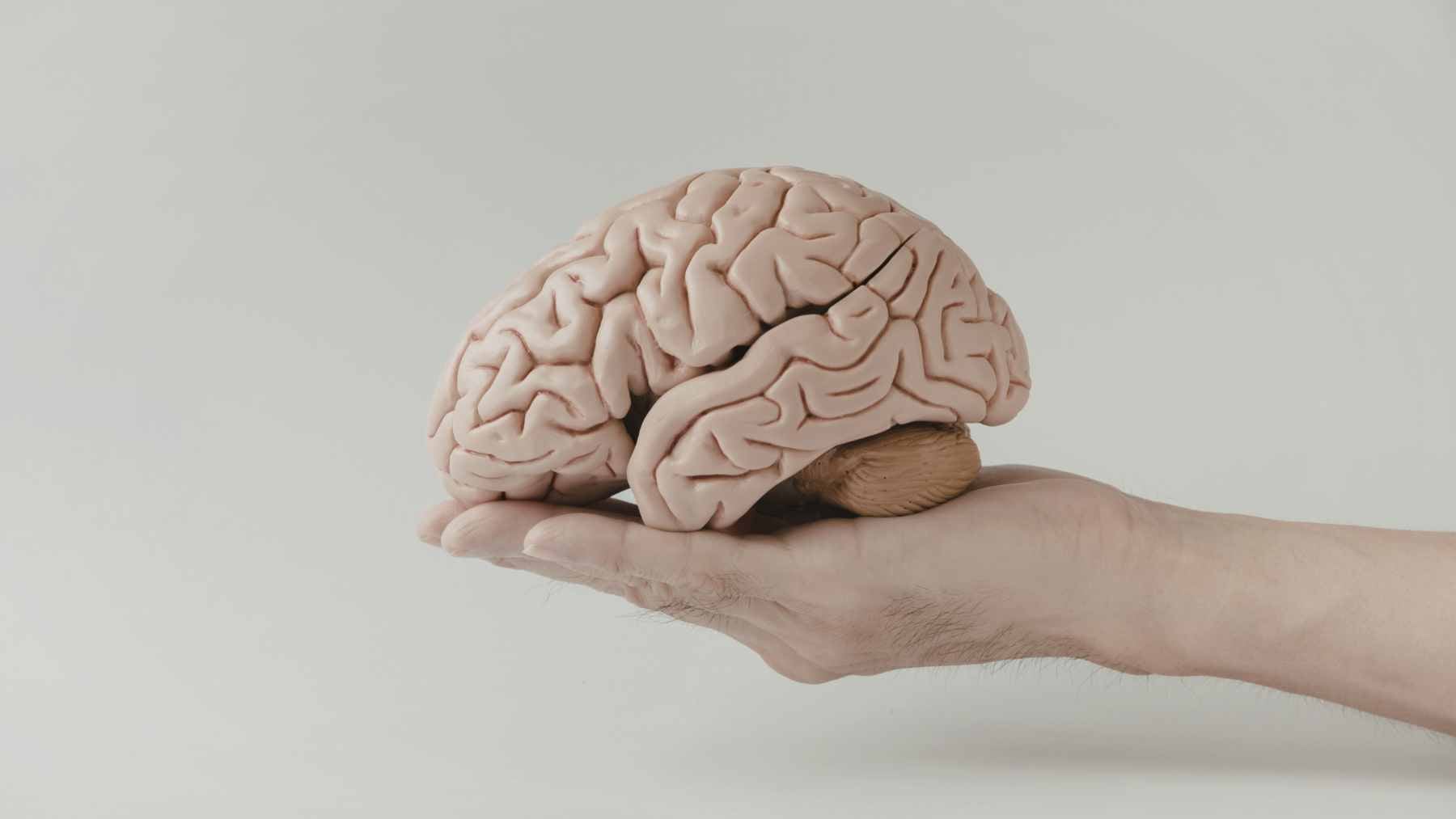
A U.S. biotech startup is using donated human brains after death to test experimental drugs for Alzheimer’s, Parkinson’s, and other central nervous system disorders. Bexorg’s BrainEx platform does not claim to revive people, but it keeps molecular and metabolic activity in postmortem brains long enough for scientists to watch how drugs behave in actual human tissue.
Can a brain be dead and still useful to science? That uncomfortable question now sits at the center of one of the most striking biotech stories of the year, where the promise of faster treatments is colliding with serious concerns about consent, consciousness, and the future of animal testing.
A lab in the gray zone
Bexorg is based in New Haven, Connecticut, and its technology grew out of Yale-linked research that showed some cellular and metabolic functions could be restored in pig brains hours after death. The company now applies a related approach to postmortem human brains donated specifically for research.
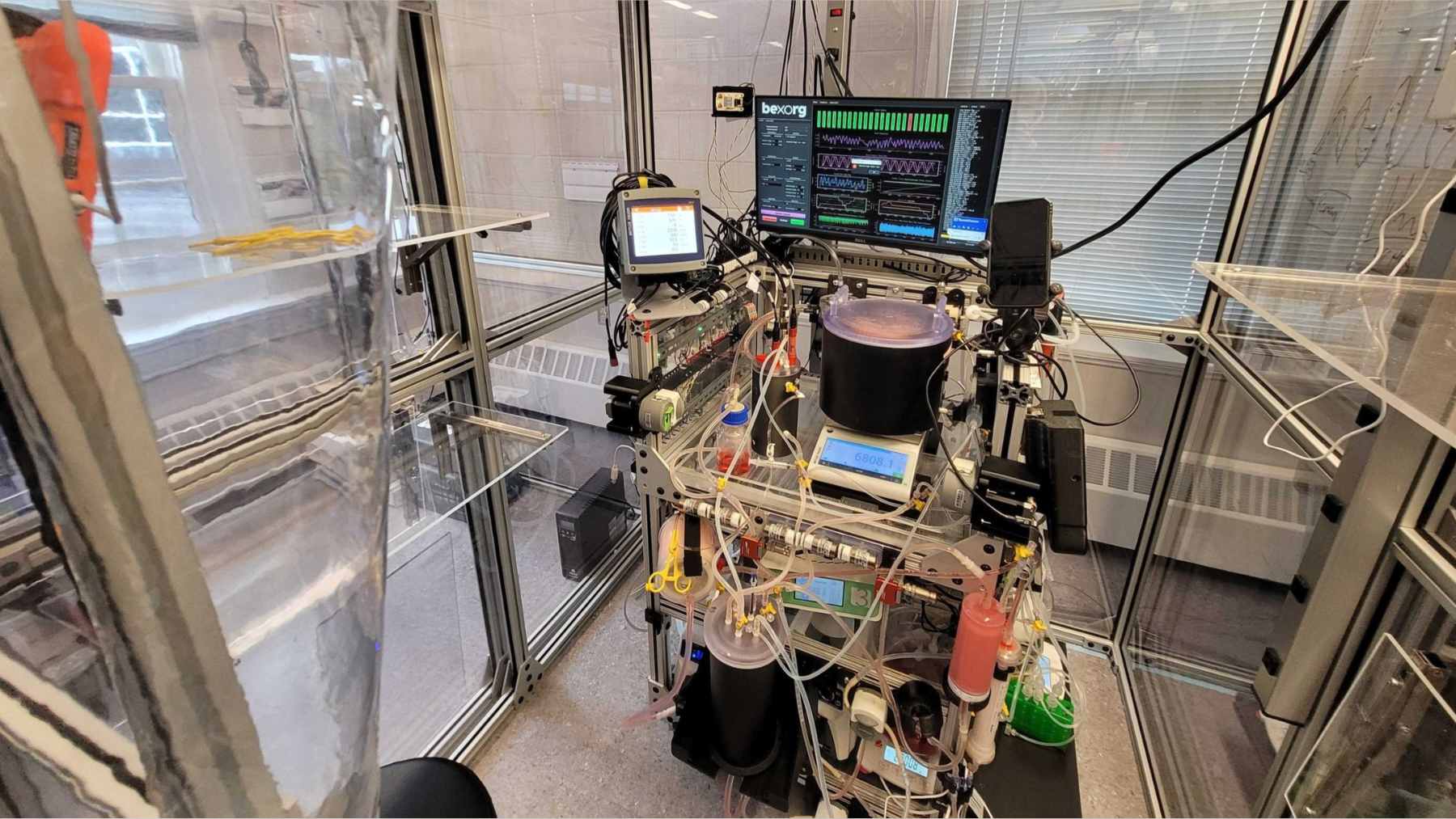
The system, called BrainEx, circulates a custom artificial blood-like solution through the brain’s blood vessels. That fluid supplies oxygen and nutrients, removes waste, and keeps enough cellular activity going for researchers to test drugs and measure biological responses.
This is not a science-fiction resurrection machine. Bexorg says its research brains have working cells but are not connected to a body, nerves, or sense organs, and the company states that perfusion “can never bring the research brain back to consciousness.”
Why drug companies care
The medical need is enormous. In 2026, an estimated 7.4 million Americans age 65 and older are living with Alzheimer’s, while more than 1.1 million people in the U.S. are living with Parkinson’s disease.
For families, those numbers are not abstract. They are mistaken names at the dinner table, slower steps across the kitchen, and caregivers trying to stretch time a little further.
Drug developers have struggled because the human brain is hard to model. A therapy may look promising in a mouse or a dish of cells, then fail when tested in people, partly because animal brains cannot fully reflect decades of human aging, medication use, genetics, and environmental exposure.
The animal-testing question
That is where Bexorg’s platform becomes more than a medical story. It also lands in the middle of a wider push to reduce reliance on animal testing in drug development.
In April 2025, the FDA announced a plan to reduce, refine, or potentially replace some animal testing requirements with human-relevant methods, including AI models, organoids, and lab-based human systems.
One year later, the agency said more than 90% of drugs that pass animal studies still fail to win approval, often because human trials reveal safety or effectiveness problems.
Bexorg’s work is not the same as a standard organoid or organ-on-a-chip. It uses whole postmortem brains, which makes the science more realistic in some ways and far more ethically sensitive in others.
What happens inside BrainEx
According to reports based on Science coverage, Bexorg has studied more than 700 human brains using BrainEx. During an experiment, the organ may metabolize a test drug while sensors collect data on cells, proteins, and physiology. After about 24 hours, tissue can be divided into many samples for deeper analysis.
In practical terms, scientists can now ask questions that are hard to answer in animals. Did the drug reach the right target? How long did it stay active? Did it trigger early signs of side effects?
Bexorg says its platform can help researchers understand drug behavior before expensive human trials begin. The company also says the technology allows testing in diseased and non-diseased whole human brains, giving drug developers a closer look at the biology they actually hope to treat.
Biohaven enters the picture
The business side is already moving. In June 2025, Bexorg announced a multi-program research collaboration with Biohaven to support two preclinical central nervous system drug programs. The goal was to generate data on target engagement, biomarkers, pharmacokinetics, pharmacodynamics, and mechanism of action.
That is a lot of technical language, but the idea is simple. Before a drug reaches patients, companies want stronger evidence that it goes where it should, acts on the right biology, and does not create obvious warning signs.
Bexorg later announced that it had raised $42.5 million in total funding to expand its AI and whole-human-brain platform. The company said central nervous system drug development has a clinical trial failure rate above 95%, largely because current models do not capture human biology well enough.
The consciousness concern
Here is the part most people will pause over. If a brain is active enough to respond to drugs, could it ever feel pain, remember, or become aware?
Bexorg says no. The company states that its research brains do not show the electrical activity needed for thought or physical sensation, and that its perfusion fluid includes anesthesia as an added safeguard.
Still, bioethicists are watching closely. The ethical issue is not only what the technology does now, but what it might do later if methods improve, experiments last longer, or researchers try to restore more activity.
A useful model, not a living person
There is another limit worth remembering. A postmortem brain on a machine is not the same as a living brain inside a body.
Blood pressure, immune activity, hormones, sensory input, and a person’s full physiology are missing. Some experts warn that suppressing electrical activity may also affect how the system models real brain function, especially for drugs that influence neural firing.
So, BrainEx is not a perfect window into a living person, but it may be a powerful bridge between animal studies and human trials. That bridge could matter a lot in diseases where failure has become painfully common.
What comes next
At the end of the day, Bexorg’s work forces medicine to sit with two truths at once: the technology could speed up the search for treatments that millions of families desperately need, while it pushes science into a moral gray zone that cannot be handled casually.
The most responsible path is not panic or hype. It is transparency, strict consent rules, independent bioethics oversight, and clear limits on what researchers are allowed to restore.
For now, these brains are not awake, but the debate around them certainly is.
The official statement was published on Bexorg.