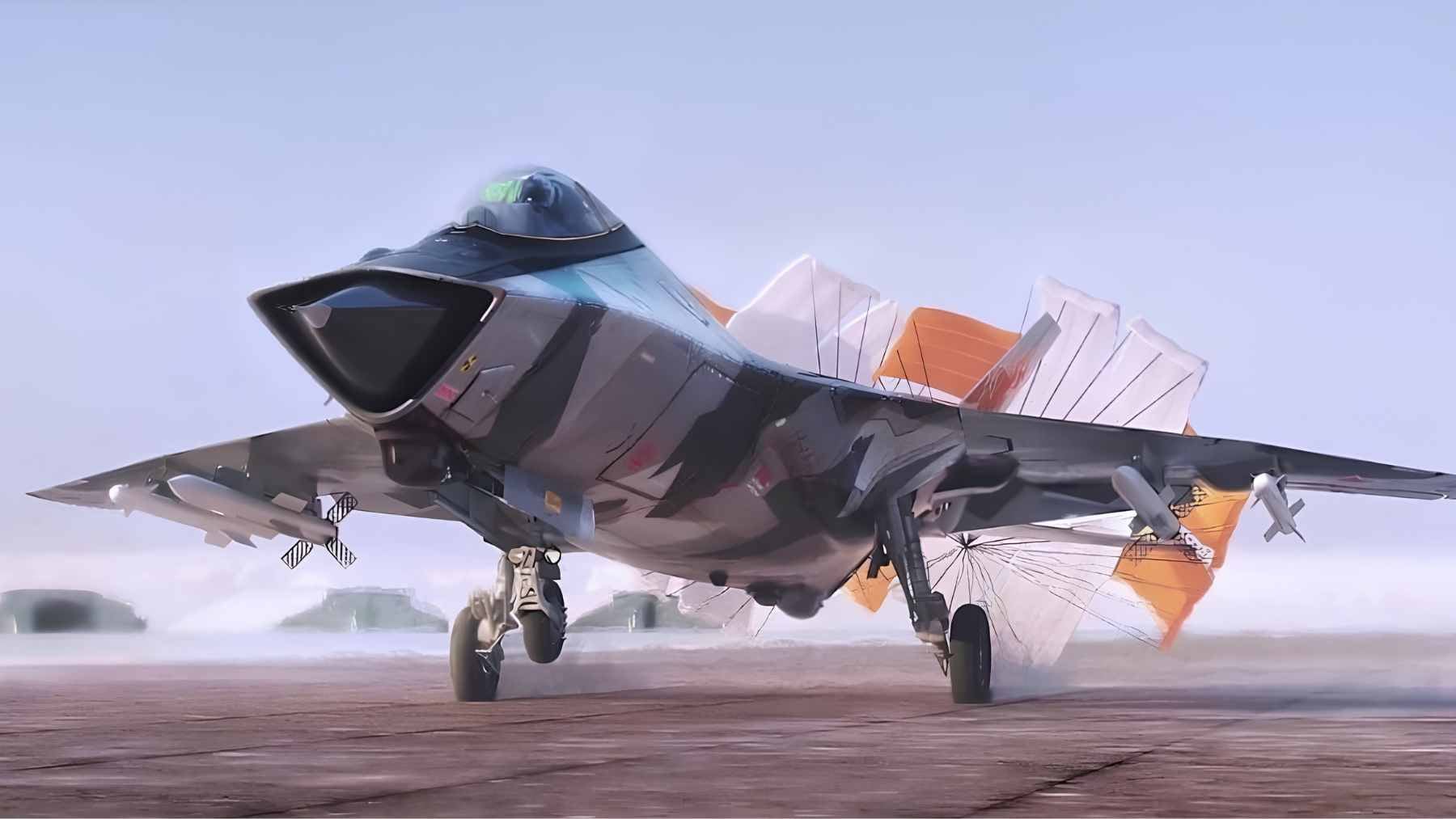
A proposed Russian interceptor often called the MiG-41 is back in the conversation because some commentators argue it may need to fly without a pilot. The logic is blunt: at extreme speed and altitude, reaction time collapses and high-G maneuvers can turn a human into the limiting factor.
Russia’s state conglomerate Rostec has said work on the next-generation interceptor program has begun, but public details remain thin.
That uncertainty is why the story matters for the environment. Autonomy and “manned-unmanned teaming” can change how often militaries fly, what they buy, and how much fuel they burn, even in peacetime.
The trouble is that military emissions are still reported unevenly, and high-altitude effects like contrails make the climate math less straightforward than it looks.
Speed hits biology
High-performance aviation has always wrestled with the human body. A U.S. military health briefing notes that “G-LOC likely occurs at or above 9 G,” and that the average “anoxic reserve time” at 9 G is about 6 to 7 seconds, leaving only a few seconds to recover before blackout.
That is a big deal for any aircraft designed to intercept fast targets. If an engagement window is measured in seconds, a pilot’s physiology and cognition become part of the system’s hard limits, right alongside engines and sensors.
So the pilotless argument is not science fiction–it is a reminder that pushing toward ever-higher performance can quietly push decision making toward software.
Optional manned and unmanned
Officially, Russia has confirmed the development phase for the interceptor program. In a report cited by Janes, Rostec said “Development of the next generation of interceptor fighters has already begun,” and linked it to the PAK DP project often labeled “MiG-41” in public coverage.
The idea of an unmanned version is also not new. In 2017, MiG chief Ilya Tarasenko told TASS that the advanced interceptor “may become unmanned in the future,” describing a path from a “brand new” aircraft to an unmanned follow-on.
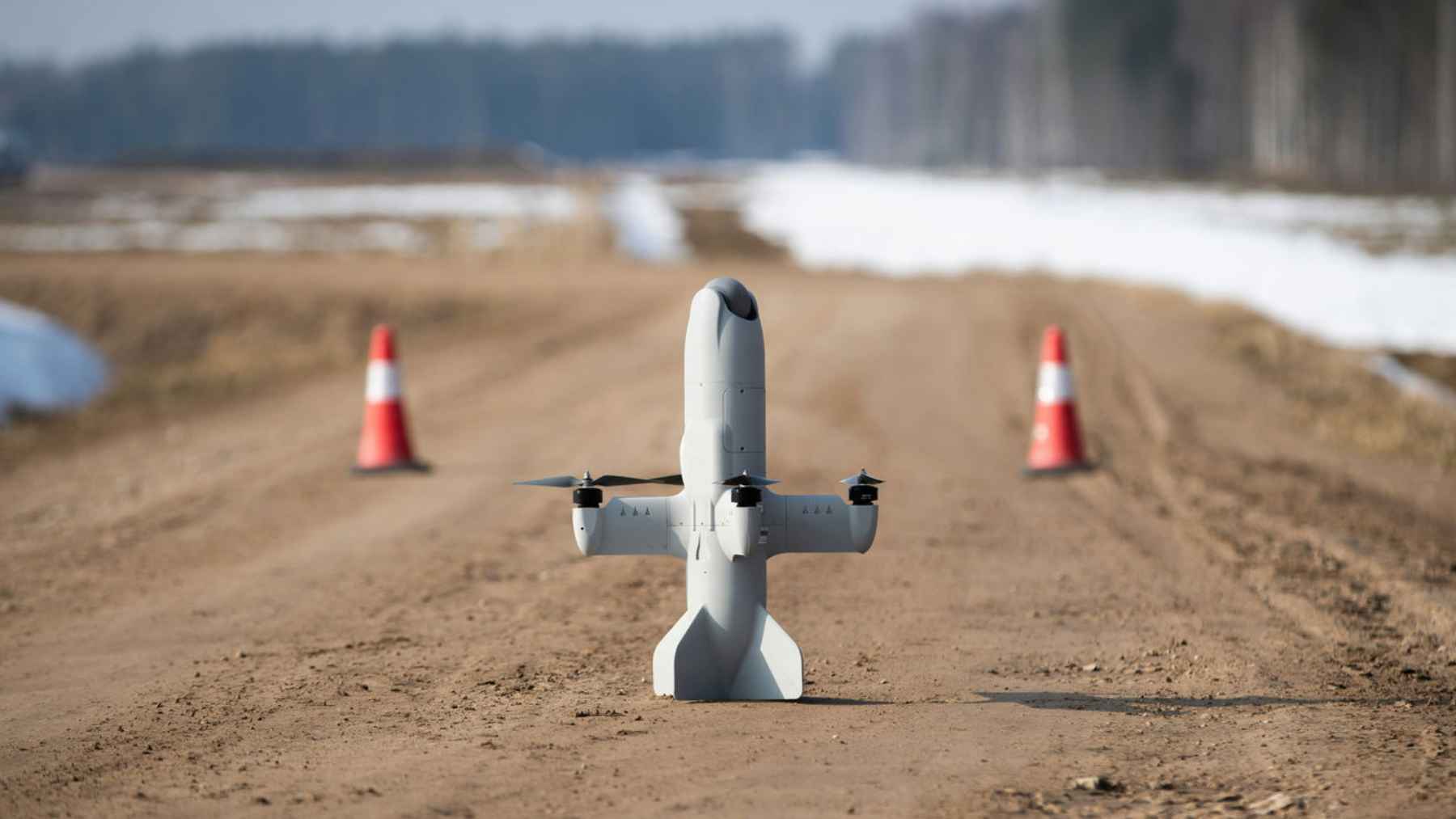
In practical terms, that points to a hybrid future. A platform might fly with a pilot when rules of engagement or communications demand it, then switch to autonomous modes when speed, risk, or workload overwhelm what a human can safely do. So who is responsible when software makes the split-second call?
Drones and networked air defense
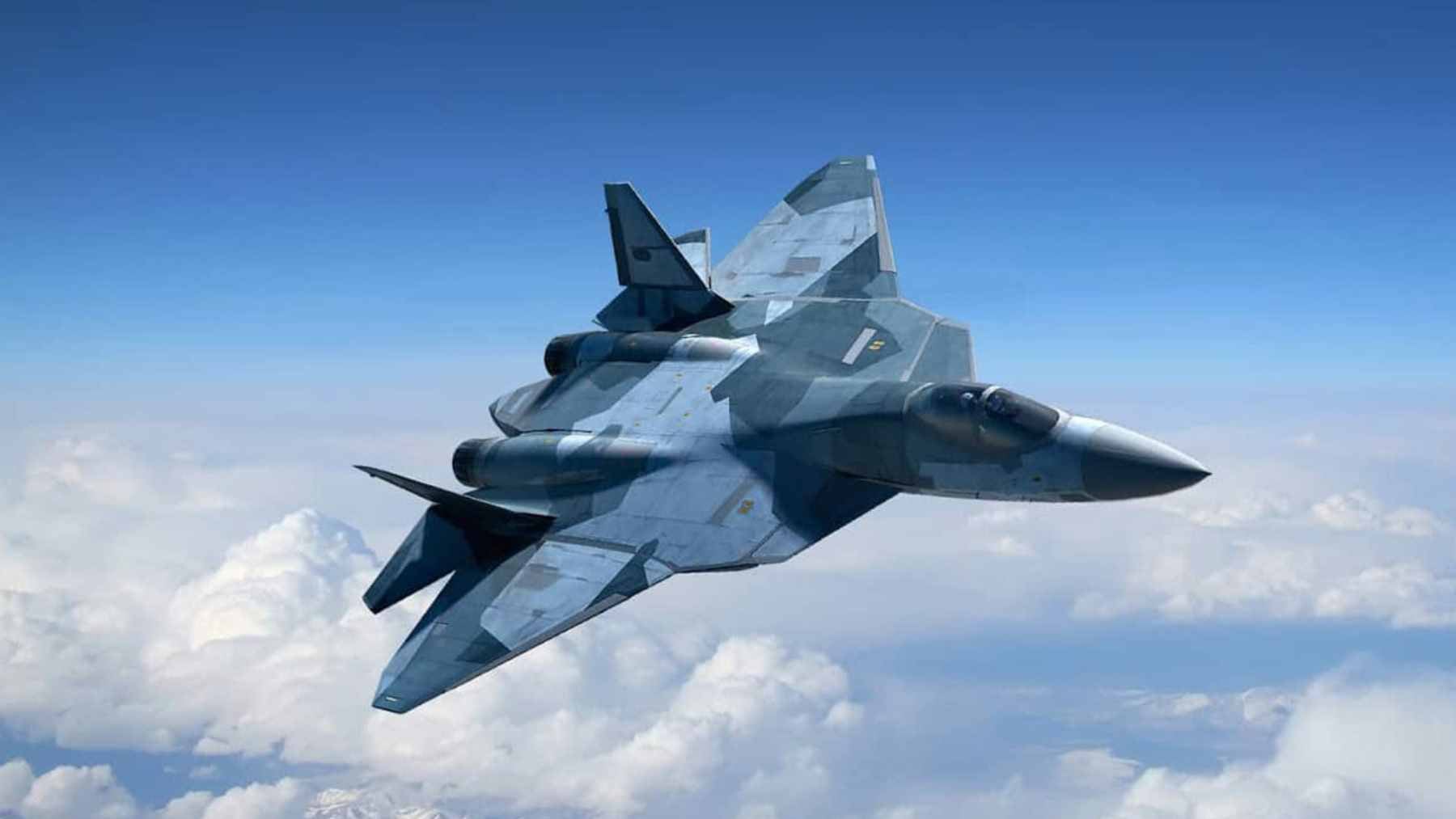
The MiG-41 discussion also shows how quickly modern airpower becomes a “system of systems.” Russian state reporting has described the heavy S-70 Okhotnik drone as capable of operating in conjunction with Su-57 fighters, using “network-centric interaction” for strikes and targeting.
There is also talk of one crewed aircraft coordinating multiple drones, even if some details have been reported as unconfirmed. In 2021, TASS cited an industry source saying a Su-57 pilot could coordinate up to four Okhotnik drones, while noting it had no official confirmation at the time.
More aircraft in the air can mean more capability, but it can also mean more fuel logistics, more spare parts, and more test flying. For communities near air bases, it can be the everyday stuff like noise, exhaust, and that familiar kerosene smell on a hot day.
The emissions gap
Here is where ecology collides with defense accounting. A 2022 paper by Scientists for Global Responsibility and the Conflict and Environment Observatory estimated the world’s militaries account for about 5.5% of global emissions, while stressing the limits of available data.
The reporting problem is not just academic. In a 2025 media release, Scientists for Global Responsibility argued that data submitted to the UN on direct military emissions covers, on average, “less than 10%” of an estimated full-military carbon footprint when broader scopes are included.
That gap matters when budgets rise. SIPRI reported world military expenditure reached $2.887 trillion in 2025, which tends to translate into more procurement, more operations, and more industrial activity across the defense supply chain.
Altitude makes climate math tricky
Jets do not warm the atmosphere only through CO2. Aviation bodies note there is consensus that the annual global average effect from contrails and contrail cirrus is net warming.
Recent research helps put numbers on why this gets attention. A 2024 study in Atmospheric Chemistry and Physics says the best estimate for global annual mean radiative forcing from contrail cirrus is thought to be about three times larger than the radiative forcing from aviation’s cumulative CO2 emissions.
A 2025 contrails research roadmap from ASCENT adds that model assessments conclude contrail cirrus is likely forcing warming and of a similar magnitude to aviation CO2 emissions since the start of the jet age.
What to watch next
Whether the MiG-41 arrives as advertised is almost beside the point. Autonomy, drone coordination, and high-altitude operations are spreading, and they are happening in a world that is trying to count carbon more carefully.
For defense planners and the businesses that support them, the next step is boring but important: emissions reporting needs to get more complete, procurement should include lifecycle impacts, and flight operations should test practical mitigations like contrail-aware routing when missions allow.
At the end of the day, speed can outrun a pilot, but it cannot outrun physics. The press release was published on SIPRI.