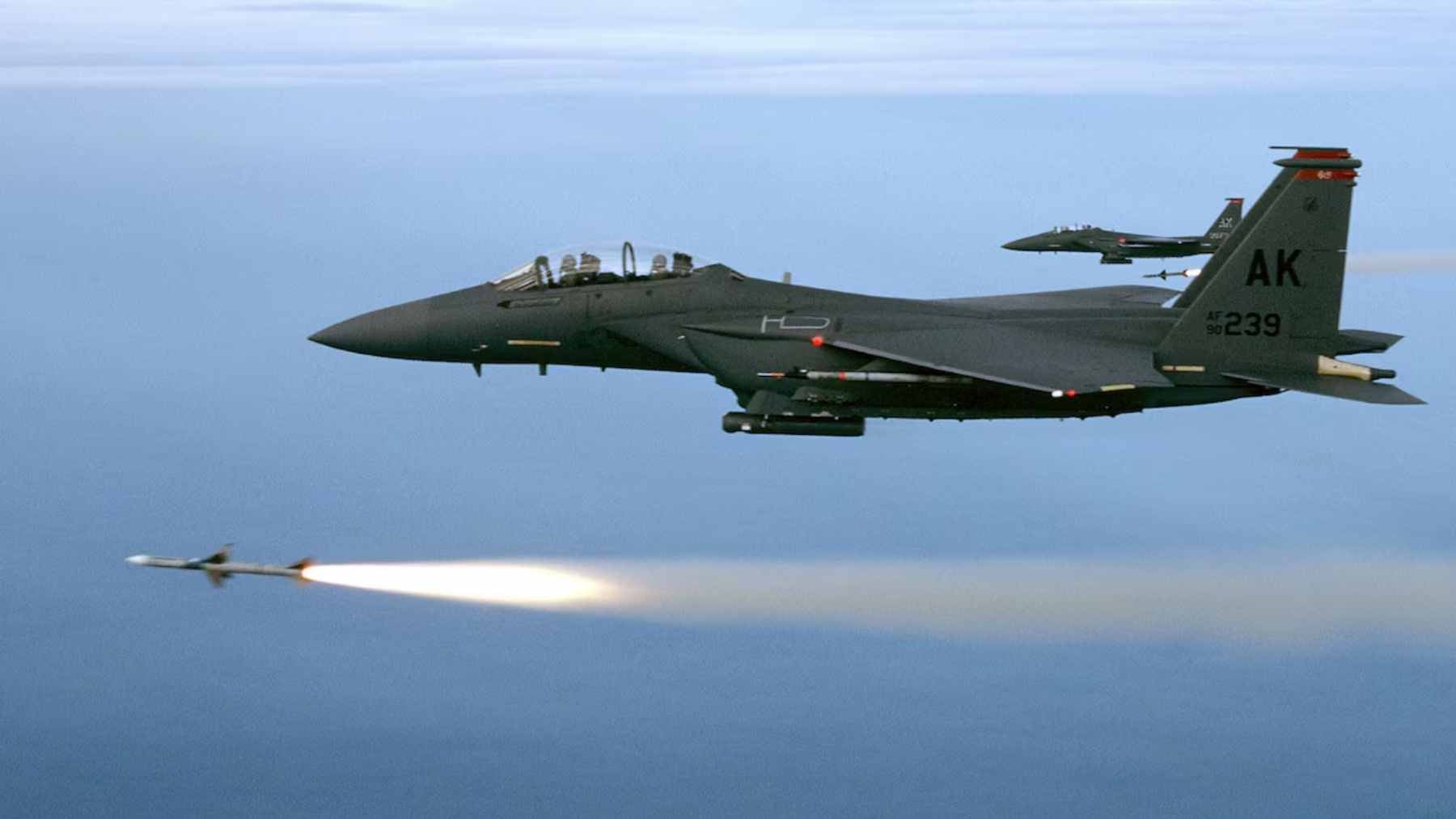
U.S. forces just carried out two high-risk combat search and rescue missions in Iran after an F-15E Strike Eagle went down, recovering both crew members from hostile territory. Public accounts described a surge of aircraft and a deception effort, with one briefing putting the second rescue package at 155 aircraft.
That “leave no American behind” promise is powerful, but it also comes with a fuel bill and an emissions bill. When fighters, tankers, and rescue helicopters stay airborne for hours, they burn the same jet fuel that dominates the Pentagon’s operational carbon footprint. Can the U.S. keep rescue readiness sky-high while also cutting emissions in a world that is literally heating up?
The promise behind the risk
Combat search and rescue is more than a tactic. Retired Air Force pilot John Venable called the commitment to recover downed Americans the “lifeblood” of morale, and it also sends a warning to adversaries who might want a captured aircrew member for intelligence or propaganda.
That logic helps explain why commanders will risk more aircraft and more people to save one or two. President Donald Trump argued the rescue decision could have meant “a hundred dead” instead of “one or two,” yet still framed the mission as non-negotiable. In the heat of the moment, climate goals do not get a vote.
What a sky full of aircraft means for emissions
A mission that leans heavily on refueling tankers is a mission designed to last, and lasting means fuel. The U.S. Energy Information Administration estimates that burning a gallon of jet fuel produces about 21 lbs. of carbon dioxide, so even small changes in flight hours can add up fast.
The Pentagon has put its own numbers on the broader problem. In its greenhouse gas reduction plan, the Defense Department reported 56 million tons of carbon dioxide equivalent in Scope 1 and Scope 2 emissions for fiscal year 2021, and it said jet fuel made up 80% of operational emissions and 50% of its total. If you want a single category to watch, that is it.
Cleaner drop-in fuel is the near-term play
Sustainable aviation fuel, usually called SAF, is attractive because it works with today’s aircraft. TheU.S. Department of Energy’s Alternative Fuels Data Center says SAF can be blended with conventional Jet A, with blend limits typically between 10% and 50% depending on the production pathway and certification.
The same DOE resource points to the federal “SAF Grand Challenge,” which targets 3 billion gallons per year by 2030 and 35 billion by 2050 while aiming for at least a 50% lifecycle emissions cut compared with conventional jet fuel. Airlines are already signing supply deals for blended SAF at major hubs, but volumes are still tiny by today’s standards.
That DOE page also cites EPA data showing U.S. SAF consumption was about 24.5 million gallons in 2023.
Tech that cuts fuel can also boost survival odds
The Pentagon’s emissions plan argues that efficiency can be a “warfighting advantage” because it increases readiness and resilience and reduces exposure when energy supply lines are threatened. Less fuel demand means fewer vulnerable logistics links, and it can also mean less time waiting on tankers that have to loiter in predictable patterns.

It is not hard to see the link during a rescue. Officials described the stranded airman using a “beeper type” signal and intelligence support to narrow down a moving target in rough terrain. Better sensors, planning software, and communications can shave wasted flight time, and that helps both the mission and the atmosphere.
Defense contracts are starting to price in climate reality
Climate pressure is reaching defense procurement, not just base recycling programs. The Defense Department plan discusses a proposed federal acquisition rule that would require major contractors to disclose greenhouse gas emissions and climate-related financial risk and set science-based targets, pushing climate accounting deeper into aerospace supply chains.
The money side is also plain. The Pentagon reported spending $3.3 billion in fiscal year 2021 to power, heat, and cool its buildings, so energy efficiency is not only a climate story, it is a budget story, the kind that shows up like your own electric bill after a brutal summer.
The next question is whether politics treats climate work as readiness work, or cuts it when headlines move on.
The official statement was published on The White House.