In the Northern Mariana Islands, solar power is starting to look less like a green upgrade and more like a survival plan. After Super Typhoon Sinlaku damaged power infrastructure and electricity costs jumped, more residents are asking a simple question: what if the safest power line is the one on your own roof?
The Commonwealth Utilities Corporation (CUC) has lowered its fuel adjustment charge for June, which should bring some relief. But local solar providers say the interest in off-grid systems has not cooled, partly because families remember the outages, the heat, the spoiled food, and the shock of opening a utility bill after fuel prices moved the wrong way.
A cheaper way out
For years, rooftop solar in Saipan sounded expensive, complicated, or simply out of reach. That is changing fast, according to Stacey Wang of Saipan Green Energy and Construction, who said prices have dropped sharply since the company began promoting solar around 2012.
A typical two-bedroom home can often use an 8 to 10-kilowatt system, depending on appliances and battery storage. Smaller setups may start around $6,000, while larger homes with several bedrooms and multiple air conditioners can land closer to $12,000 to $20,000.
Jeannifer Cubangbang of Green Energy Solutions said some households can get “totally off the grid” with a 10-kilowatt setup costing about $13,800. She also said her own system survived Sinlaku without damage and helped shrink what had once been a monthly power bill of about $750.
Why the fee matters
The fuel adjustment charge is the part of the electric bill that follows fuel and fuel-related costs. For June 2026, CUC said it would drop from $0.445 per kilowatt-hour to $0.413 per kilowatt-hour after Mobil Oil Mariana Islands reported lower average international fuel oil prices.
That sounds like good news, and for many households it is. The catch is that CUC also said the May fuel charge had been calculated at $0.605 per kilowatt-hour based on prices at the time, but the utility did not ask regulators to raise it that high.
So residents are not only reacting to today’s rate, they are reacting to the possibility that tomorrow’s bill could swing again, especially in a territory that still depends heavily on imported fuel to keep the lights on.
Sinlaku changed the math
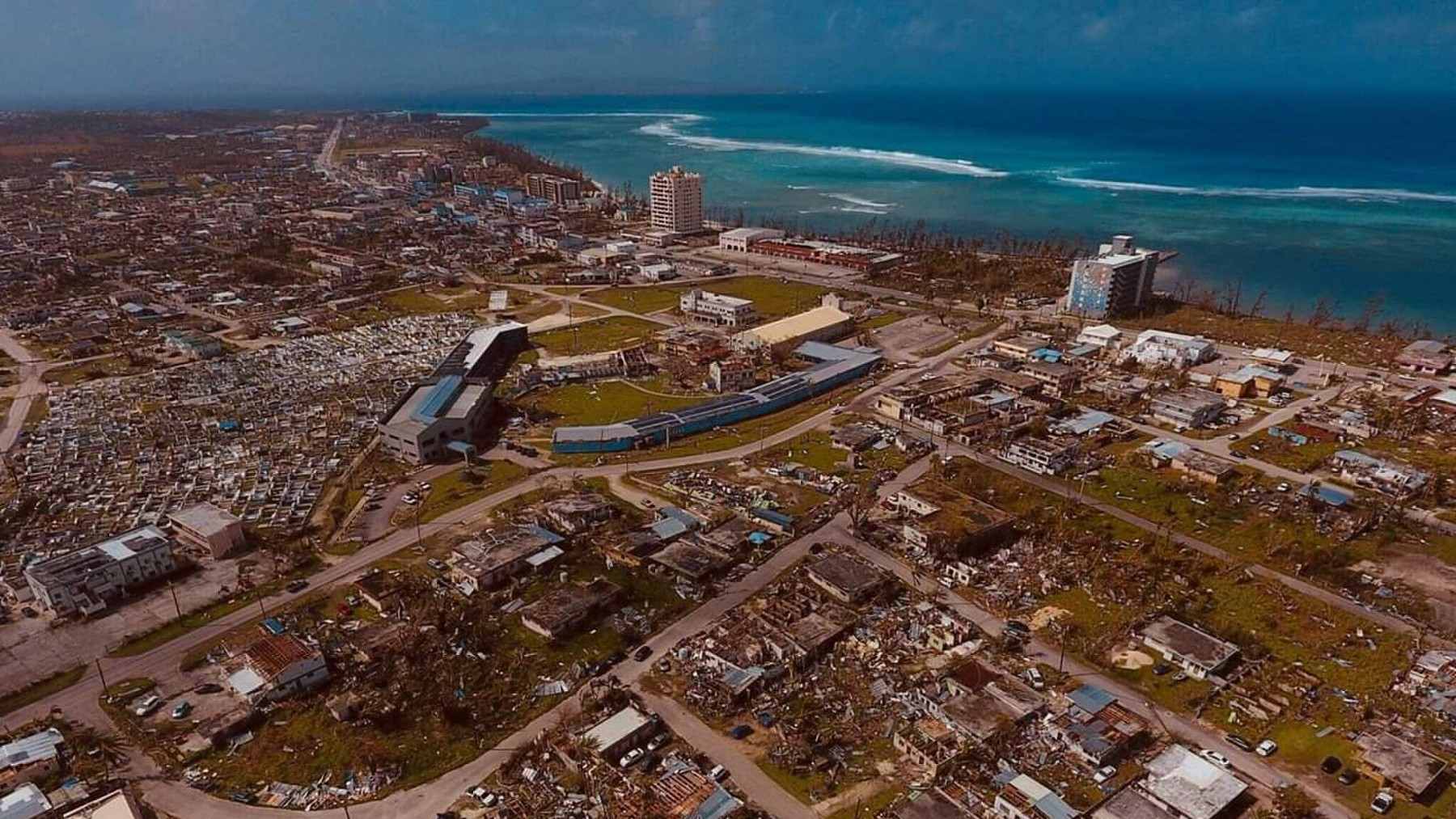
Super Typhoon Sinlaku turned that worry into something more concrete. The storm battered Saipan and Tinian with winds of up to 150 mph, while power and water outages left some hard-hit areas facing the possibility of weeks without service.
The recovery numbers show why people are rethinking energy security at home. A CNMI recovery update listed 610 downed power poles, 15,624 customers without power, and 11,769 residential customers without power during the restoration effort.
In everyday terms, refrigerators stopped being reliable, air conditioners became a luxury, and charging a phone could turn into a neighborhood errand. That is where solar starts to feel less like a lifestyle choice.
Solar as resilience tech
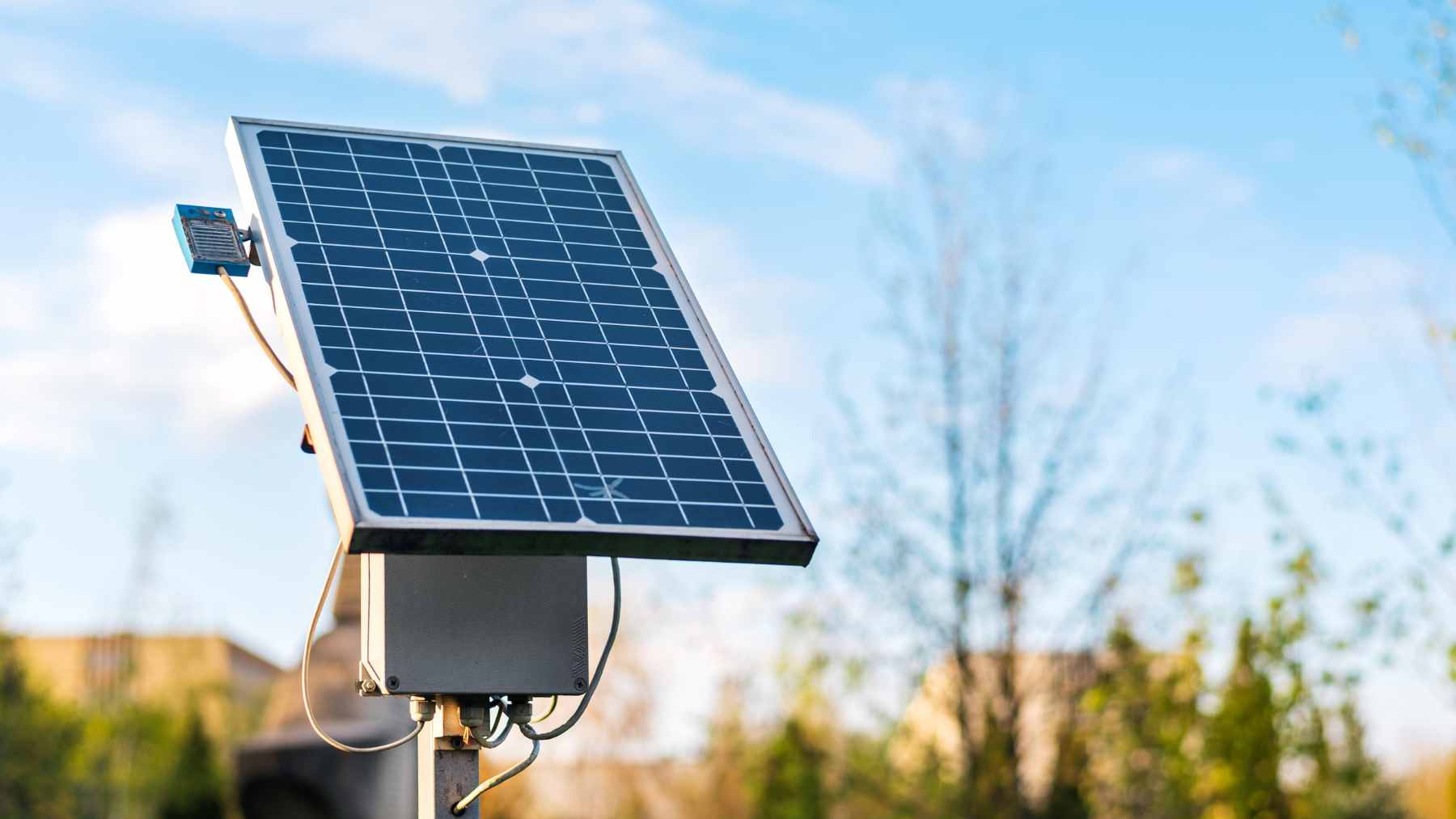
The most important part of the new solar push is not just the panels. It is the batteries, the mounting systems, and the design choices that decide whether a home can keep running when the grid goes down.
Wang said her company has placed greater focus on storm durability after Sinlaku, including mounting structures made for typhoon and strong-wind conditions. She put it plainly, saying “structural design is just as important” as the equipment itself.
That matters because a solar system that fails in a typhoon is not resilience, it is an expensive repair bill. For the most part, the residents asking about off-grid power are not chasing a futuristic dream. They want cold food, working lights, and enough power to sleep through another hot night.
Military crews showed the stakes
The energy problem also has a military and disaster-response side. After Sinlaku, the U.S. Army Corps of Engineers’ 249th Engineer Battalion worked with local officials and FEMA to provide temporary emergency power to critical facilities in Saipan.
Within 24 hours of arriving on Saipan, the team installed generators for local water facilities. The Army said the effort helped restore running water to parts of the island, while 18 generators were fully operational during the response.
That is the bigger lesson. When the grid fails, electricity is not just about lamps and television, it is about water pumps, hospitals, dialysis care, wastewater systems, and the basic rhythm of daily life.
The catch for families
Going off grid is not a magic switch. A system that works for a small household may not be enough for a larger home with multiple air conditioners, freezers, pumps, or heavy nighttime use.
There is also the upfront cost. Even if a system can reduce or nearly eliminate monthly bills, $6,000 to $20,000 is still a serious investment for many families, especially after a disaster that may have damaged roofs, vehicles, or businesses.
That is why some residents may start smaller. Solar fans, solar lights, and portable solar generators have become popular entry points, according to local providers. It is not the whole answer, but it is a start.
What happens next
CUC’s June fuel-charge reduction may ease some pressure, but it probably will not end the solar conversation. Once people have lived through long outages and unstable bills, “normal” electricity starts to feel less secure than it did before.
Now, CNMI residents are weighing two versions of risk. One is the monthly risk of fuel prices and storms hitting the grid, and the other is the upfront risk of buying and maintaining a private power system.
At the end of the day, the solar surge is about more than saving money. It is about households in a storm-exposed island chain trying to control one essential part of their future, one rooftop at a time.
The official press release was published on Commonwealth Utilities Corporation.