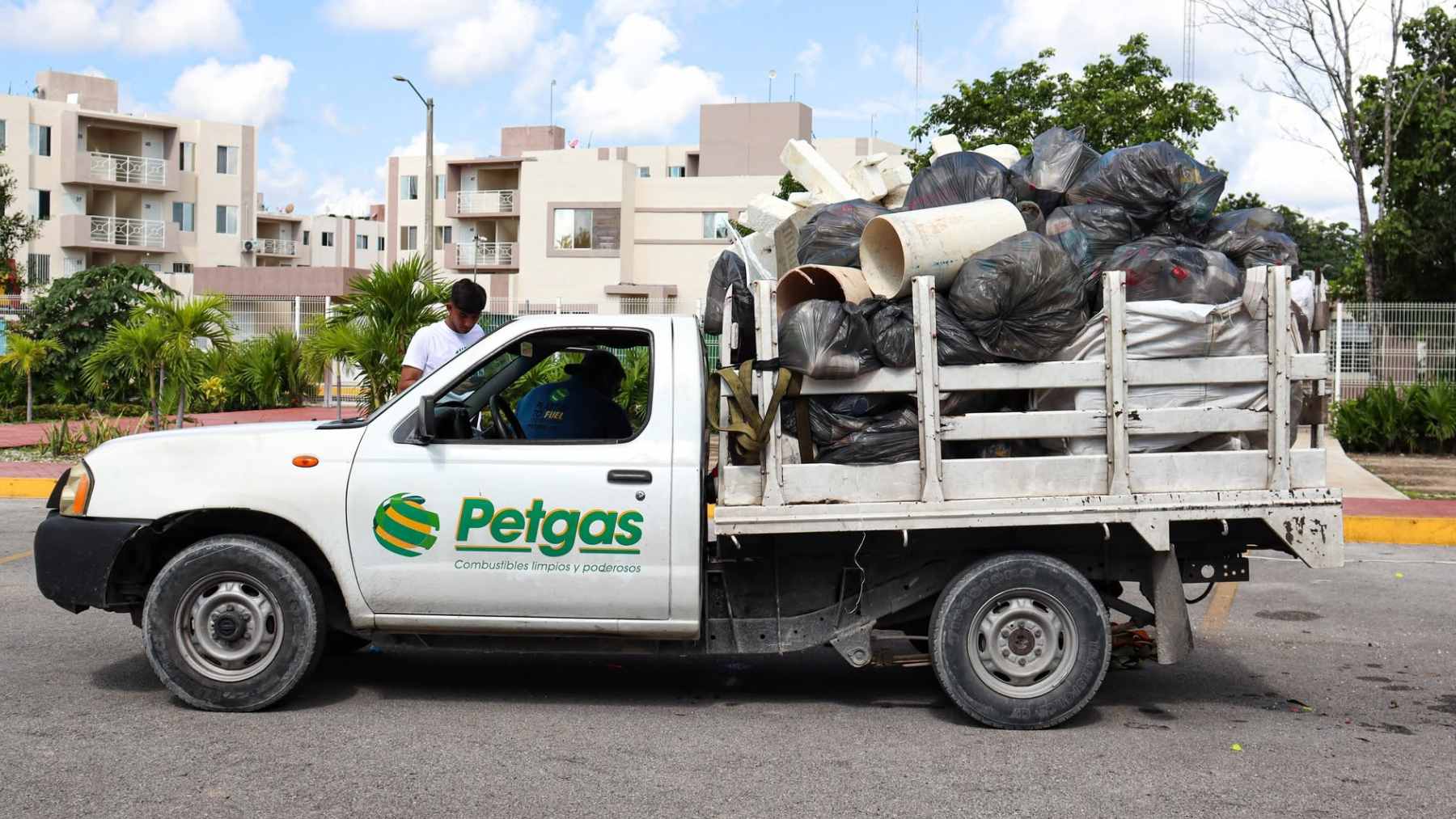
Plastic that might have been buried in a landfill, washed onto a beach, or carried down a river is being turned into fuel in Mexico. The company behind the project, Petgas, says its technology can transform non-recyclable plastic into gasoline, diesel, paraffin, kerosene, and gas, a claim now drawing attention far beyond the port city of Boca del Río.
At first glance, it sounds like the kind of solution every polluted coastline would want. Take the trash nobody wants, run it through a machine, and get fuel that can power engines. But here comes the harder question: is this really recycling, or is it just a cleaner-looking way to move carbon from plastic waste into exhaust pipes?
Plastic becomes fuel
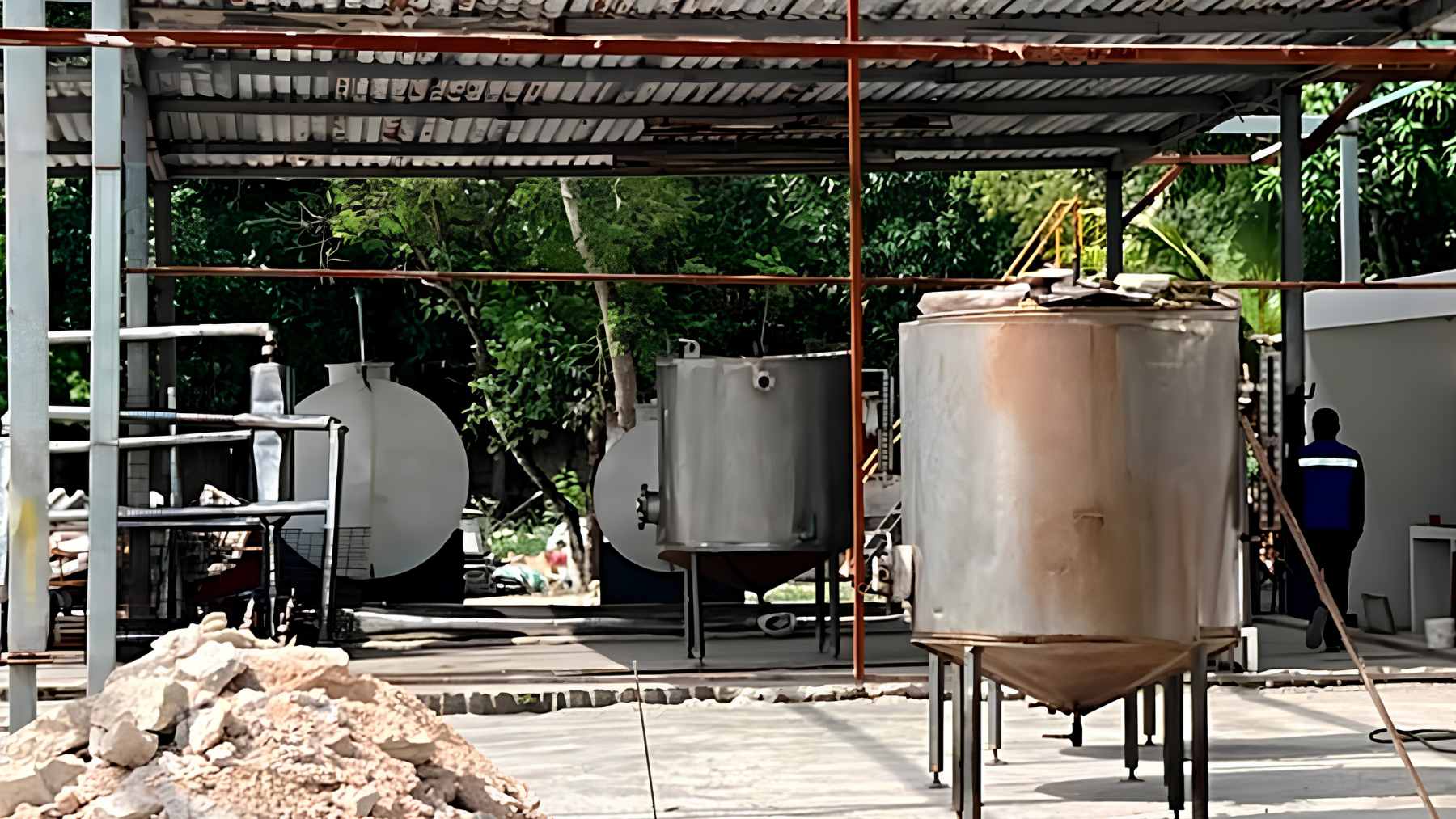
Petgas uses pyrolysis, a process that heats plastic without oxygen and breaks long hydrocarbon chains into smaller fuel-like molecules. According to AP, the company’s machine in Boca del Río can produce gasoline, diesel, kerosene, paraffin, and coke from plastic waste.
That idea matters. In everyday life, most people think of recycling as turning an old bottle into another bottle, a container, or at least a new material. Here, the plastic does not become plastic again, it becomes fuel, and fuel is meant to be burned.
In practical terms, Petgas is not making trash disappear, it is changing its form. That can still be useful, but it is not the same thing as keeping plastic in circulation for years.
How the machine works
AP reported that Carlos Parraguirre Díaz, Petgas’ chief technology officer, said the machine can process about 1.5 tons of plastic in a week and produce 356 gallons of fuel. The system needs propane to get started, but once pyrolysis begins, the gas produced by the process helps keep it running.
That self-feeding design is one reason supporters see promise in the technology. Less outside energy can make the process more efficient, at least inside the machine itself.
Still, efficiency inside a reactor is only one part of the environmental picture. The bigger test is what happens before the plastic arrives, what comes out of the process, and what is released when the fuel is finally used.
Why the idea is tempting
The world has a plastic problem too large to ignore. UNEP says humanity produces more than 440 million tons of plastic each year, and much of it ends up in the environment.
That number is hard to picture. Think of every bottle cap, snack wrapper, shampoo container, takeout lid, shipping film, and broken bucket that passes through daily life. Then multiply it by cities, countries, and global supply chains.
For communities dealing with dirty beaches or stressed landfills, a machine that turns low-value plastic into something useful can feel like a practical first step. Parraguirre Díaz told AP that the machine shows “we can transform that” into a high-value product.
The carbon problem
The trouble is that most plastic begins as fossil carbon. When that plastic becomes gasoline or diesel and is burned in a motorcycle, generator, truck, or boat, carbon dioxide still comes out at the end of the chain.
Petgas argues that its fuel has lower sulfur than comparable fuels, according to AP. That could matter for some pollution concerns, but lower sulfur does not erase the climate issue tied to combustion.
This is where the debate gets uncomfortable. Plastic may vanish from a beach, which helps wildlife, tourism, and local cleanup crews, but part of the environmental cost can return later as exhaust, the same kind people breathe in traffic every day.
Critics urge caution
Environmental groups have long warned that some forms of “chemical recycling” can blur the line between recycling and waste-to-fuel systems. The Natural Resources Defense Council (NRDC) argues that pyrolysis mostly produces fuels and says fuel production and use should not be treated as recycling.
That does not mean every pyrolysis system has the same impact. Inputs, temperatures, pollution controls, energy sources, and final products all matter. A small, controlled system is not automatically the same as open burning or a poorly regulated plant.
But the wording matters, too. Calling plastic-to-fuel “recycling” can make the process sound more circular than it really is. At the end of the day, if the final product is burned, the material’s life cycle has reached a dead end.
Not every plastic fits
Petgas focuses on plastics that are difficult to recycle through conventional systems. That is important, because not all plastic waste is the same. A clean bottle, a greasy food wrapper, and a mixed plastic fragment from a beach cleanup do not present the same challenge.
Some materials are better suited to mechanical recycling. Others may need special handling or can create byproducts that require careful treatment. That is why sorting, collection, and clear rules are just as important as the reactor itself.
A good waste system does not start at the machine door. It starts with packaging design, public collection, separation, reuse, and reducing throwaway products that never needed to exist in the first place.
Verification comes next
The key question now is not whether Petgas can make fuel from plastic. AP’s reporting and the company’s own statement show that it can.
The better question is whether doing so is cleaner than the realistic alternatives. That means measuring total energy use, process emissions, byproducts, fuel emissions, transportation, and the impact of collecting and preparing the plastic.
Those answers should not depend only on company claims. Independent testing, transparent data, and side-by-side comparisons with mechanical recycling, plastic-to-plastic chemical recycling, landfill disposal, and waste reduction would make the debate far clearer.
A tool, not a cure
Petgas may offer a useful outlet for discarded plastic that is unlikely to become new material. In places where waste leaks into rivers or piles up near neighborhoods, that role could have a positive impact. AP also reported that Petgas has donated fuel to local services, including the fire department and food delivery services.
However, this technology should not become an excuse to keep producing mountains of disposable plastic. That would be like mopping the floor while leaving the faucet running.
The stronger strategy still begins with using less throwaway plastic, designing products for reuse, and improving real recycling where materials stay in circulation. Turning plastic into gasoline may help manage part of today’s mess, but it does not make the mess disappear.
The official statement was published on Petgas México.