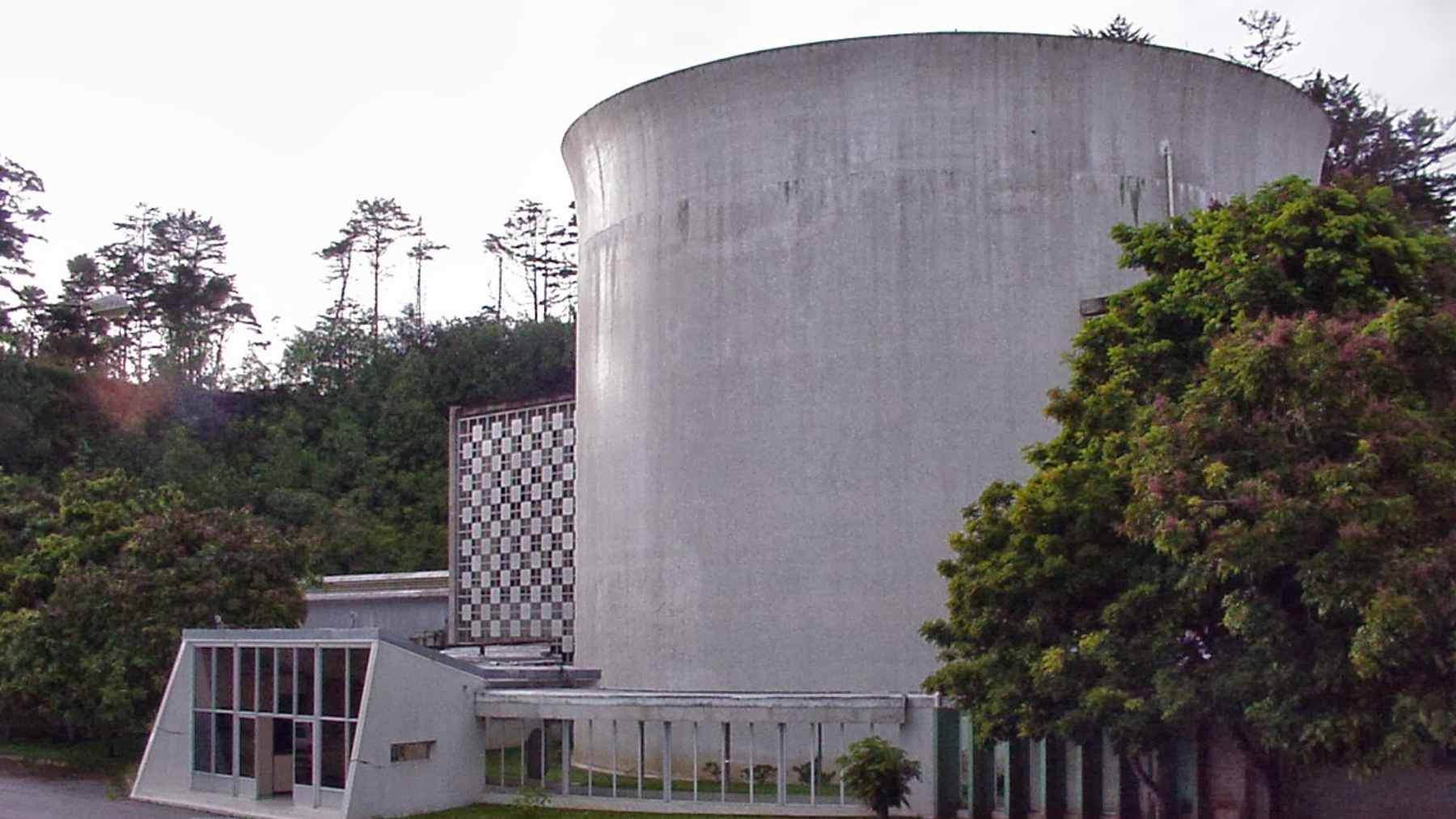
Venezuela has removed the last remaining enriched uranium from its long-shuttered RV-1 research reactor, closing a nuclear safety problem that had been sitting in place since the early 1990s. U.S. officials said 13.5 kilograms (about 30 pounds) of uranium enriched above the 20% threshold was taken from the site and sent to the Savannah River Site in South Carolina for processing and reuse.
For most people, nuclear security can feel distant, like something handled behind fences, badges, and warning signs. But when sensitive radioactive material remains for decades inside an inactive facility, the concern is very real for nearby workers, communities, water systems, and the environment around them.
A long-delayed removal
The RV-1 reactor, located at the Venezuelan Institute for Scientific Research (IVIC), supported physics and nuclear research for decades before its work ended in 1991. Once that program stopped, the uranium became surplus material, according to the U.S. Department of Energy’s National Nuclear Security Administration.
This was not a simple pickup job. NNSA said its Office of Defense Nuclear Nonproliferation worked with IVIC experts, the Venezuelan Ministry of Science and Technology, the International Atomic Energy Agency, the United Kingdom, and U.S. State Department personnel to prepare and carry out the removal.
Why the risk mattered
Highly enriched uranium is not just another lab material. Uranium enriched above 20% is considered sensitive because it can create serious proliferation and security risks if stolen, diverted, or mishandled.
That is why the cleanup matters beyond Venezuela. NNSA said its broader mission is to make sure nuclear material cannot be used to threaten the world through nuclear terrorism, and it has removed or confirmed the disposition of more than 16,000 lbs. of highly enriched uranium and plutonium from dozens of countries since 1996.
How it moved
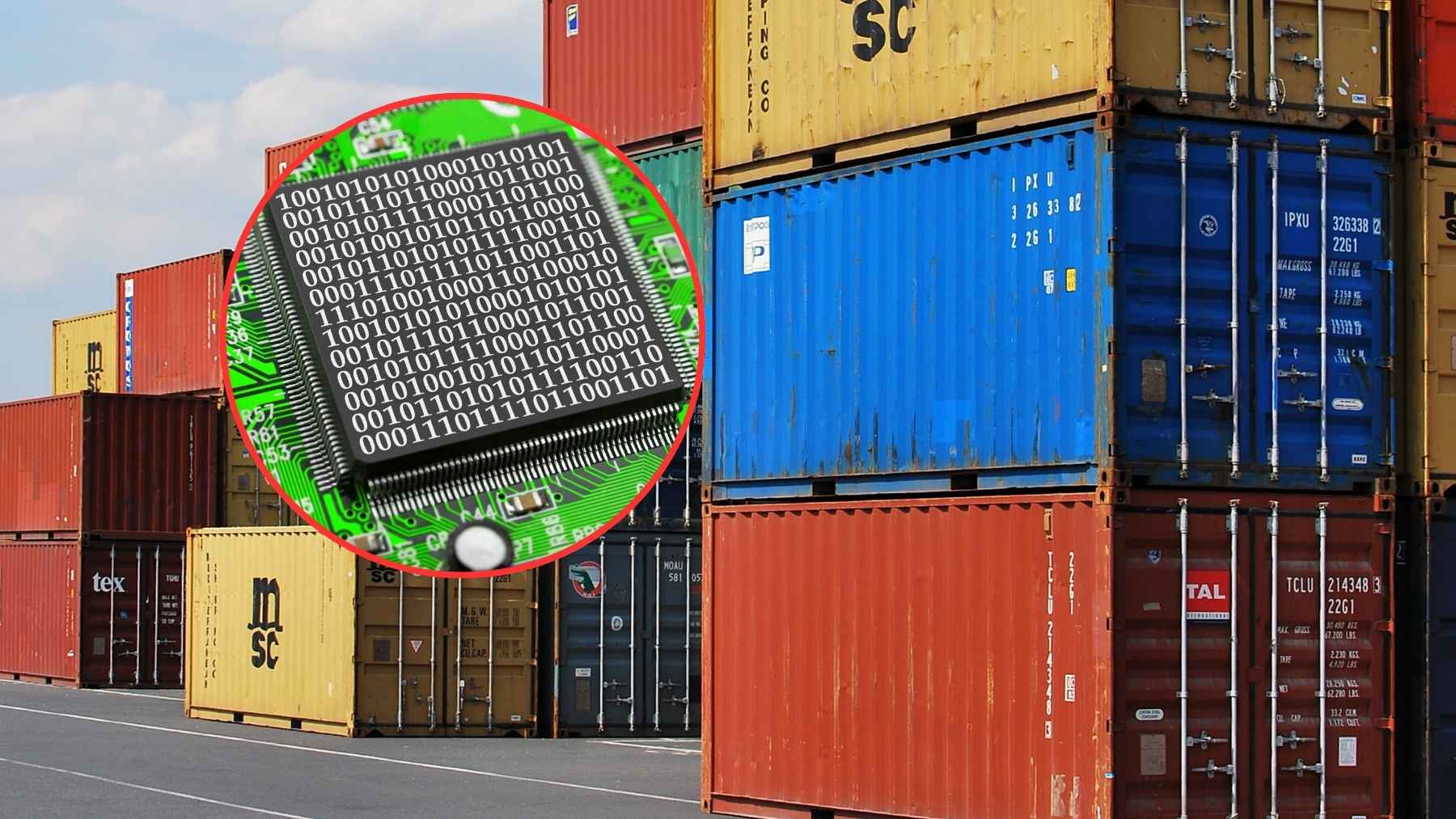
The uranium was packaged into a spent fuel cask and escorted about 100 miles overland to a Venezuelan port. From there, it was loaded onto a specialized carrier supplied by the United Kingdom’s Nuclear Transport Solutions and carried to the United States in early May.
Picture the logistics for a moment–this was not just a truck on a highway or a ship crossing the sea, but a tightly controlled chain where one missed step could turn a technical operation into a political and environmental emergency.
Venezuela points to January
Venezuela’s government said the January 3 military attack near IVIC increased the urgency of the operation. In a statement published by Venezuelan outlets, Caracas said the attack took place about 50 meters from the old reactor and “objectively increased the level of risk.”
That claim should be read carefully. The U.S. NNSA release confirms the uranium removal, the amount, the international partners, and the destination, but it does not frame the operation around the January 3 attack in the same way Venezuela’s statement does.
A rare point of cooperation
In a region where politics can move faster than practical fixes, this operation stands out because it required cooperation between countries that are not usually seen working smoothly together. The IAEA said it played a key role in the shipment of high-enriched uranium from Venezuela to the United States.
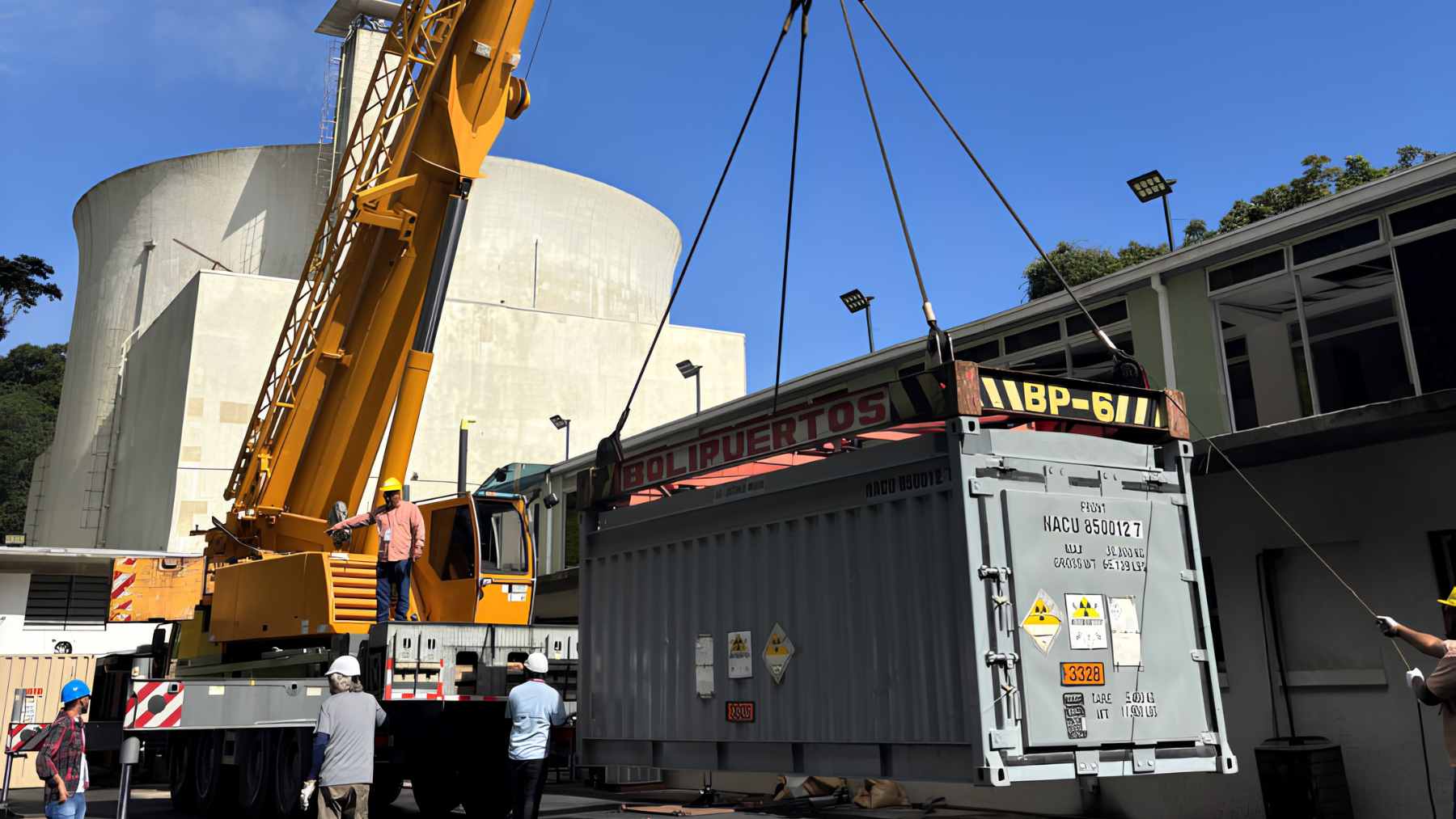
At the end of the day, nuclear security often comes down to less glamorous things, including packaging, transport, verification, training, and trust between technical teams. Those details rarely make headlines, but they are exactly what keep dangerous material from becoming an environmental or defense crisis.
From risk to fuel
Once the shipment arrived in the United States, the material was taken to the Savannah River Site. NNSA said technicians will process it at the H-Canyon chemical separations facility to obtain high-assay low-enriched uranium for future U.S. nuclear energy use.
In practical terms, a stockpile that once required long-term guarding in Venezuela is now part of a controlled U.S. nuclear fuel process. That does not erase the political questions around the operation, but it does change the physical risk on the ground.
What to keep in mind
For Venezuela, this closes a chapter tied to the country’s early nuclear research era. For the wider region, it is a reminder that old scientific infrastructure can leave behind risks long after the original project ends.
And for the public, the lesson is simple. Environmental safety is not only about forests, rivers, or clean air; sometimes it is about quietly removing 30 pounds of uranium before time, conflict, or neglect turns it into something worse.
The official press release was published on the U.S. Department of Energy’s National Nuclear Security Administration website.