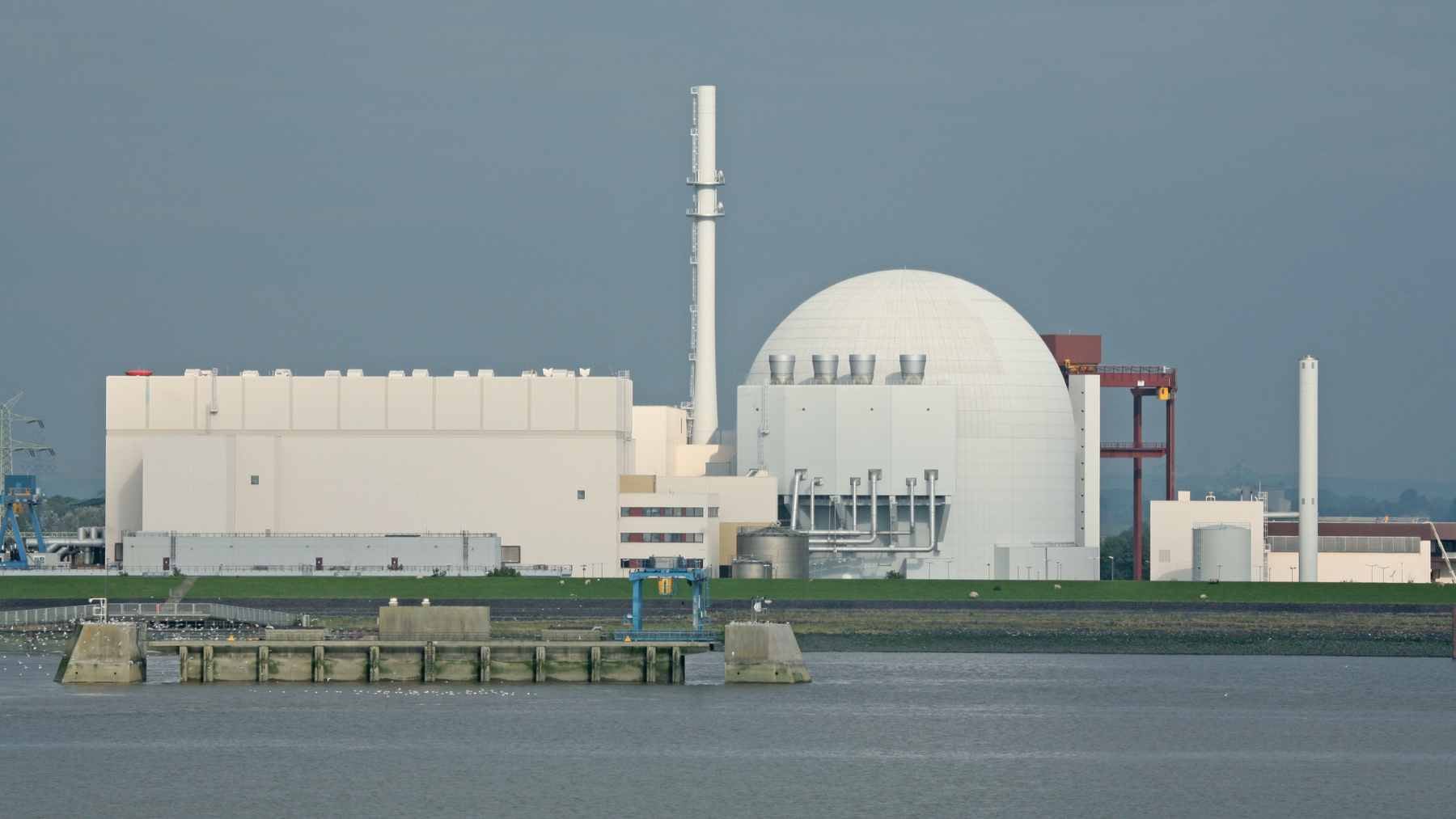
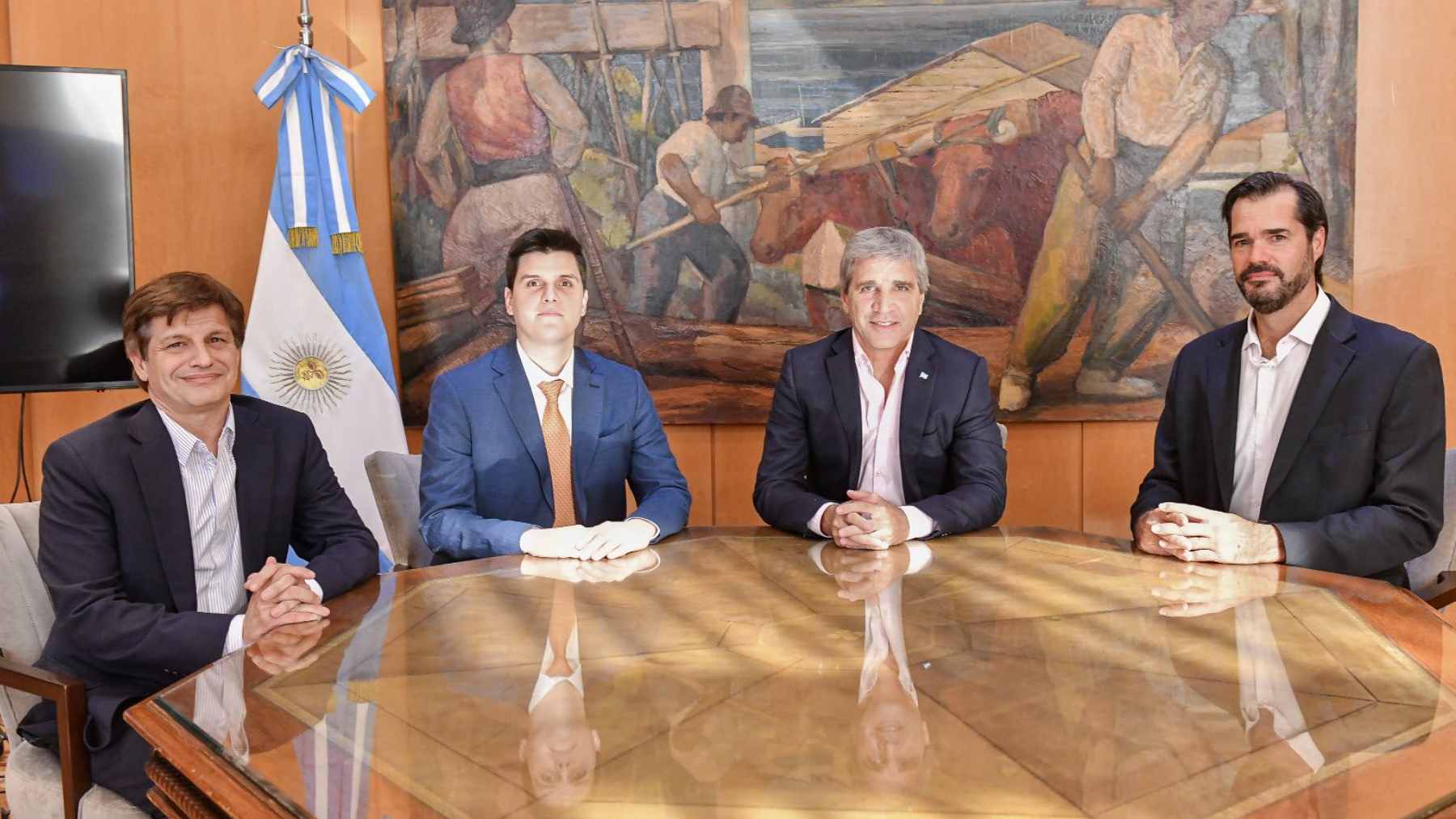
Argentina has put a major new nuclear proposal on the table. Meitner Energy wants to invest $1.2 billion in a privately financed 300-megawatt ACR-300 reactor at the Atucha complex, with officials projecting about 2,000 direct jobs across development, construction, commissioning, and operation.
The project could add reliable low-carbon power and turn Argentine engineering into a commercial export platform. But it remains a proposal, not a plant under construction, and its real test will be licensing, final financing, cost control, and whether a first-of-a-kind design can meet a five-year building target.
What Meitner Energy is proposing
The ACR-300 is described as a Generation III+ small modular pressurized-water reactor based on Argentine engineering. If completed, it would be the first commercial unit of this exact design, which means Argentina would enjoy the opportunity but also bear the risk that comes with a first build.
Meitner Energy is backed by the U.S. Ansari Group, while Argentina’s INVAP holds a 40 percent stake. The plan gives state-owned Nucleoeléctrica Argentina the right to take on operation and maintenance under market terms, while Meitner would pay for use of the Atucha land.
On the headline numbers, $1.2 billion for 300 megawatts equals roughly $4,000 per kilowatt of capacity. That looks competitive on paper, but early nuclear estimates can change once detailed engineering, financing costs, local supply contracts, and regulatory conditions are locked in.
Why Atucha gives the project a head start
Atucha is not an empty field. It is an established nuclear site with operating experience, grid infrastructure, and a local workforce tied to Argentina’s long nuclear history, although the new reactor would still need its own technical and environmental approvals.
Argentina operated three reactors with 1,631 megawatts of net capacity in 2025. They supplied 10.76 billion kilowatt-hours, equal to 7.3 percent of national electricity, so a 300-megawatt addition would amount to about 18 percent of today’s nuclear capacity before accounting for actual output and outages.
The climate promise and environmental limits
Nuclear power produces electricity without burning coal, oil, or gas, and the International Atomic Energy Agency classifies it as a low-carbon source that can operate around the clock. That steady output can complement solar and wind when clouds roll in or the air goes still, something grid operators deal with every day.
Still, “clean energy” does not mean impact-free. The project must address water use, uranium supply, spent fuel, radioactive waste, emergency planning, decommissioning, and the environmental footprint of construction.
In practical terms, a reactor delayed for years cannot cut emissions that the grid is producing today. The climate benefit will depend on what generation it displaces and whether environmental credibility and construction discipline move together.
A real-world test of the SMR business model
SMRs are supposed to reduce upfront size and make greater use of factory-built components. But the biggest savings are generally expected after developers repeat a standardized design, not necessarily on the first unit, and the IAEA notes that costs and delivery times still need careful testing.
That makes the ACR-300 more than an energy project. It is a business experiment in whether a privately backed company can fund a first commercial reactor in an emerging market while meeting the safety standards expected of any nuclear plant. Can it stay within the proposed budget?
Super RIGI could shape the deal
The proposal may seek benefits under Argentina’s “Super RIGI” investment framework because it exceeds the bill’s $1 billion threshold. The Chamber of Deputies approved the measure on June 24, 2026, but the legislation is now before the Senate, so the project’s eligibility is not yet settled.
Officials present the arrangement as a model in which government provides predictable rules and private investors put capital at risk. Yet the public role remains substantial because Argentina must license the design, oversee nuclear safety, manage the site relationship, and decide how long-term responsibilities are allocated.
The CNEA dispute cannot be ignored
The announcement landed during a bitter dispute at the National Atomic Energy Commission. CNEA President Martín Porro said 61 fixed-term contracts were not renewed and that scientific or strategic technical staff were not affected, while unions argued the cuts weakened essential capacity and organized protests.
The timing also renewed debate over CAREM, Argentina’s smaller state-led reactor prototype, whose construction has stalled.
CAREM and the 300-megawatt ACR-300 are not interchangeable, but the contrast raises a fair question. Can Argentina expand private nuclear investment while protecting the public research, regulatory, and engineering base that made the proposal possible?
A nuclear program is not just concrete and steel. It also runs on experienced people, and losing them can be much harder to reverse than loosening the pursestrings.
What happens next
Before any concrete is poured, the Ministry of Economy must approve the initiative and Argentina’s Nuclear Regulatory Authority must license it. Investors will also need to show a credible financing package, a final construction contract, a supply-chain plan, grid arrangements, waste provisions, and a schedule that survives independent scrutiny.
The proposal is significant because it combines U.S. capital, Argentine technology, an existing nuclear site, and a low-carbon power target. Still, the headline is only the opening move. The proof will come in permits, contracts, retained talent, and a reactor that actually reaches the grid.
The official statement was published on X.