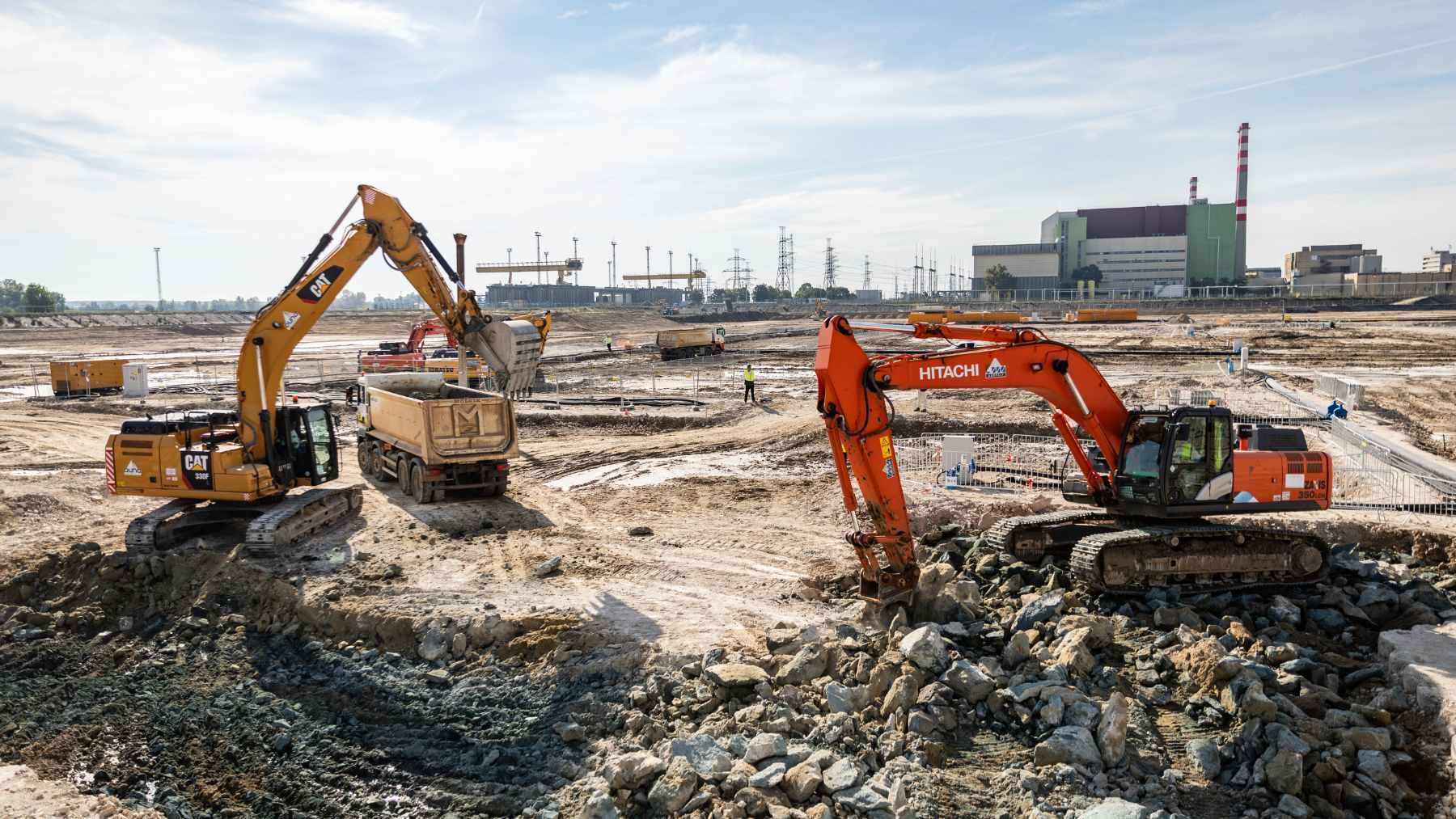
Hungary is turning a vast construction pit beside the Danube into one of Europe’s most closely watched nuclear projects. At Paks II, crews are cutting a hole 490 ft. wide, 623 ft. long, and 75 ft. deep for Unit 6, a space large enough to swallow a seven-story building.
More than half of the roughly 654,000 cubic yards of soil has already been removed, according to the latest project update.
This is not just another infrastructure job. Hungary already gets nearly half of its domestic electricity production from the four older Paks reactors, which began operating in the 1980s, and the country is betting that two new VVER-1200 units can help keep power steady as demand rises.
The project also sits, though, at the messy intersection of climate policy, energy security, Russian technology, and the everyday reality of keeping a power plant cool beside a warming river.
A hole big enough to tell the story
The newest work is at Unit 6, where Paks II says soil milling machines, crawler excavators, bulldozers, and trucks are working the pit. It is the kind of construction scene that sounds simple until you picture it in real life. A football field would look small down there.
The excavation is being stabilized with anchored secant pile walls, while a geodetic and geotechnical monitoring system watches for impacts during the work. Paks II says the excavation is on schedule and regularly inspected on site by the Hungarian Atomic Energy Authority.
Nearby, Unit 5 is further ahead. Its first concrete pour took place in February 2026, which made the new Paks unit count as a nuclear power plant under construction under International Atomic Energy Agency terminology.
The steel heart is made elsewhere
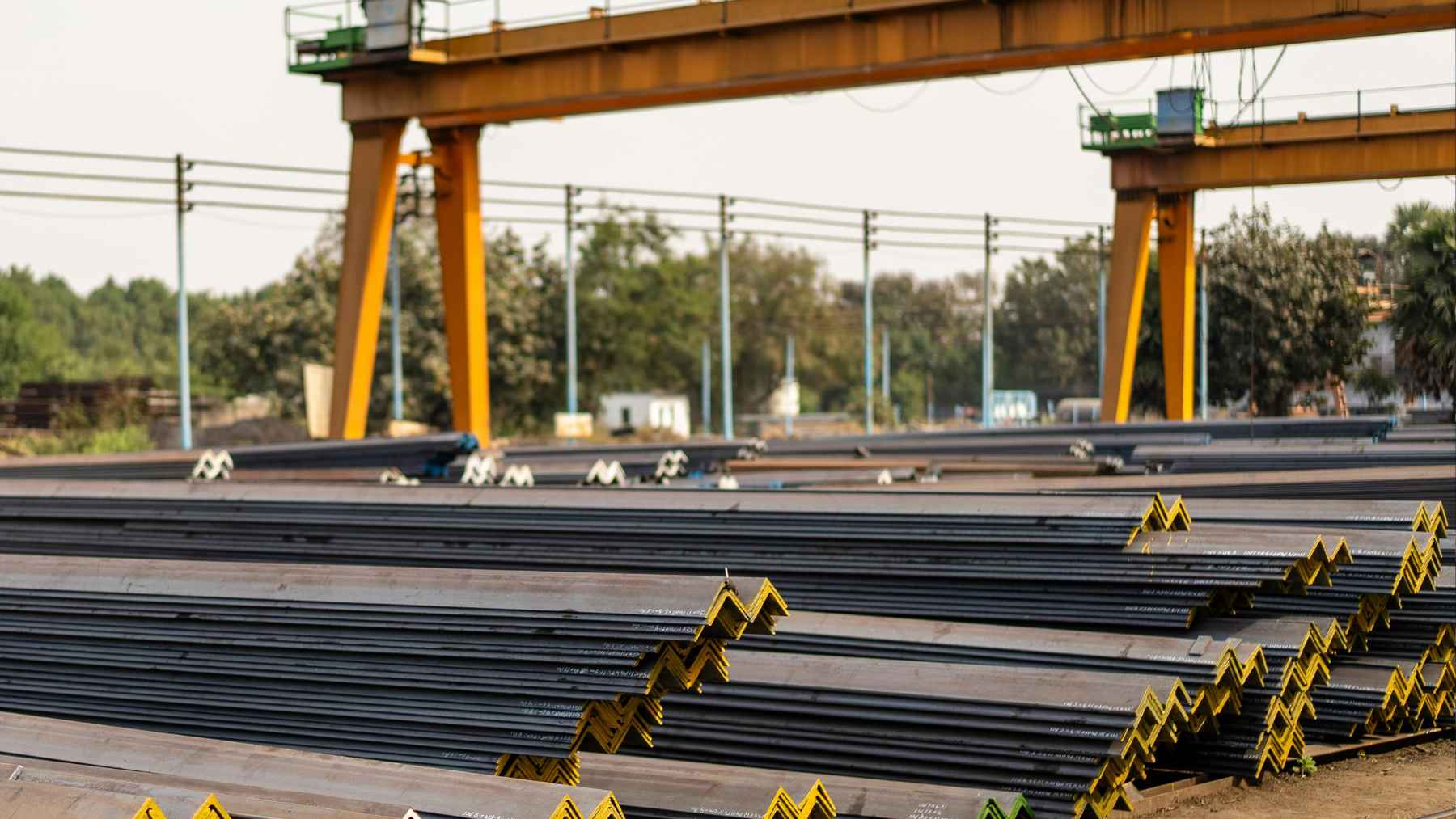
For all the dust in Hungary, one of the most important pieces of the project is being made hundreds of miles away in Russia. The reactor pressure vessel is the thick steel container that holds the fuel, coolant, and controlled chain reaction. In plain terms, it is the part you really do not want to fail.
Paks II and World Nuclear News describe a manufacturing process that starts with about 660 tons of steel blanks. In St. Petersburg, the rings and rounded bottom of the vessel are shaped under roughly 13,200 tons of forging force before later machining and assembly.
The finished vessel weighs upwards of 364 tons, stands 36 ft. tall, measures about 15 ft. across, and has walls up to 11.2” thick. Paks II says the VVER-1200 vessel is designed to handle about 572°F and 2,350 psi for a guaranteed 60 years, with material and manufacturing that may allow service up to 100 years.
Why Hungary wants more nuclear power
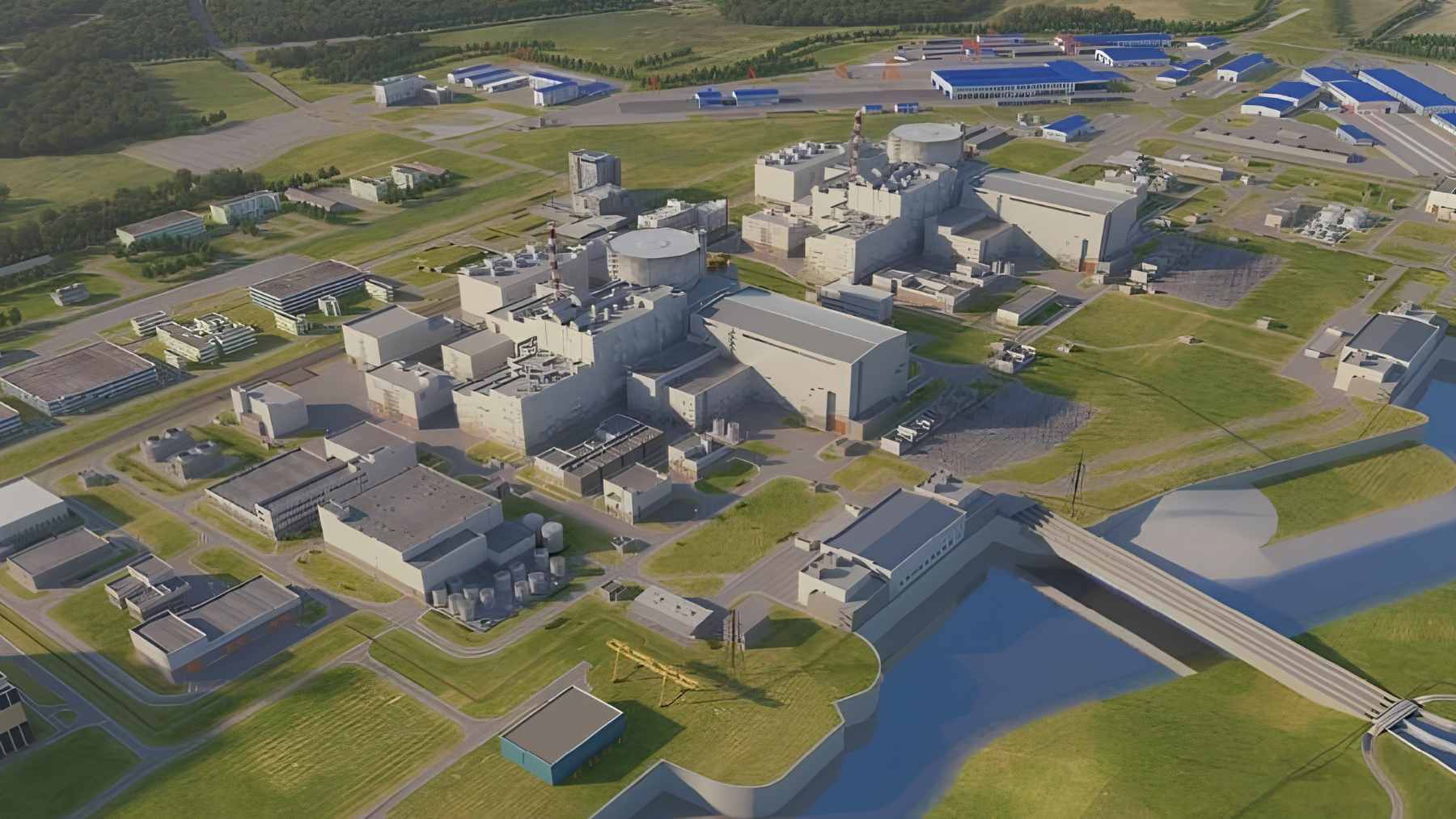
The existing Paks plant sits about 60 miles south of Budapest on the Danube and operates four Russian-supplied VVER-440 reactors that came online from 1982 to 1987. In 2024, those four units produced 47.1% of Hungary’s domestic electricity production, according to data cited by Paks II. For a country, that is not a backup generator, it is the backbone.
That explains why Hungarian officials frame Paks II as an energy security project. The International Energy Agency also classifies nuclear power as the world’s second-largest source of low-emissions electricity after hydropower, producing just under 10% of global electricity supply.
That climate argument is why nuclear is getting fresh attention in several countries, even where the politics are difficult.
Still, Paks II is not a simple green-energy fairy tale. The project uses Russian-designed reactors and Rosatom-linked manufacturing at a time when energy policy in Europe is tied tightly to war, sanctions, and supply-chain risk. Essentially, Hungary is trying to buy decades of low-carbon baseload power, but the bill includes geopolitical baggage.
The Danube still matters
Nuclear plants do not burn coal or gas to make electricity, but they are not invisible to the environment around them. The Paks site depends on the Danube, and that connection matters more during heat waves, when cooling water rules can collide with electricity demand. Anyone who has watched a summer river drop and warm knows this is not an abstract issue.
Reuters reported this week that Hungary granted the existing Paks plant a temporary exemption from downstream cooling-water temperature rules, while the plant still had to reduce output by 40 megawatts. Without that exemption, the cut would have been much bigger, according to the report.
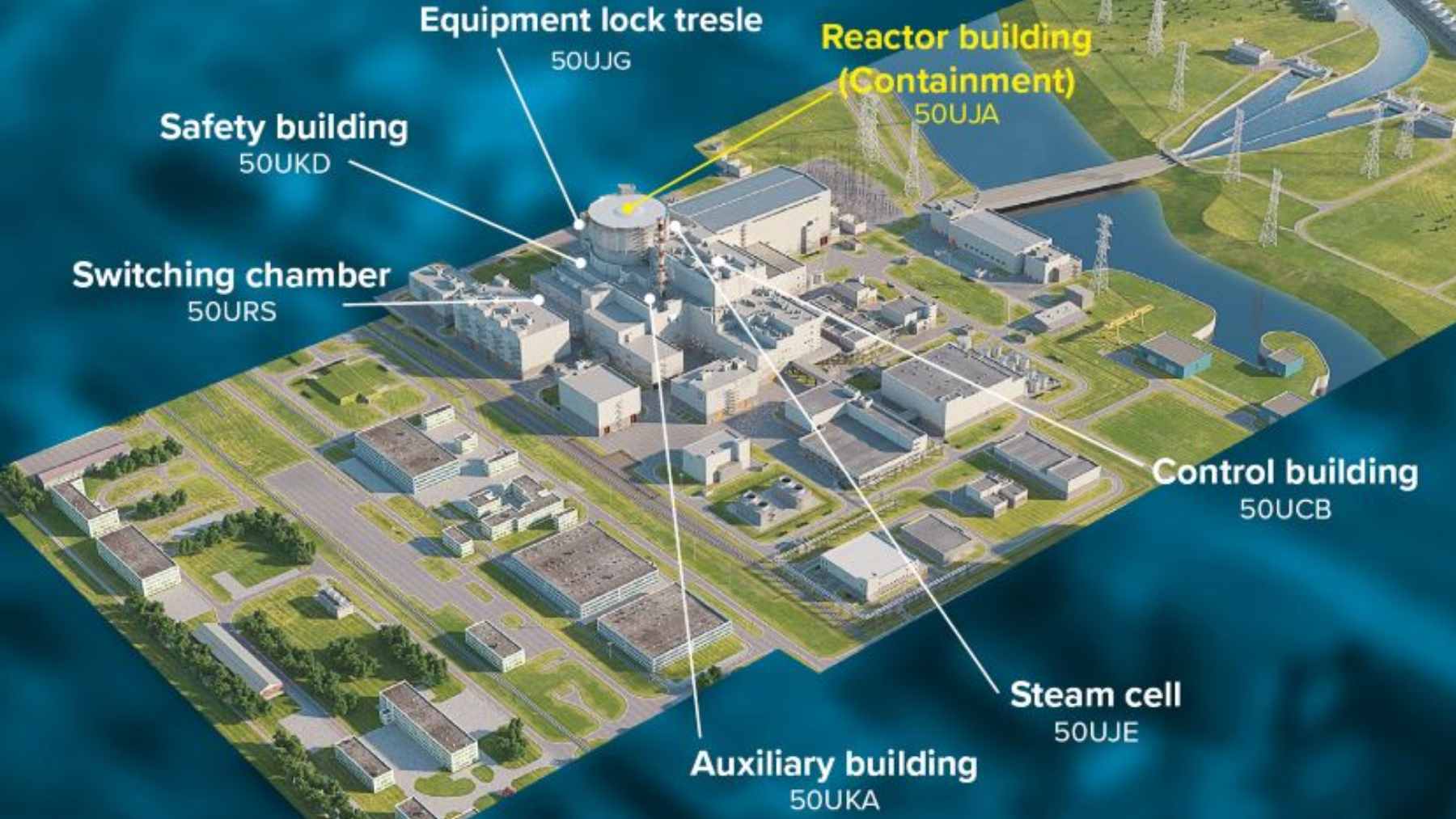
That is the environmental tension at the heart of the project. Nuclear power can help cut carbon from the grid, to a large extent, but it still needs careful water management, serious oversight, and public trust. The concrete and steel are only part of the job.
A project under scrutiny
There is another reason this construction pit matters. The Paks expansion has faced delays, legal disputes, financing questions, and political review, even while earthworks continue. World Nuclear News reported in June that Hungary’s new government has announced a review of the Paks operating life extension, the Paks II contracts, and the overall investment process.
On the ground, though, the schedule still has a physical shape. Unit 5 has concrete work underway, Unit 6 is being dug out, and the pressure vessels are moving through long-cycle manufacturing. That combination is why the project can feel both uncertain and very real at the same time.
The challenge now is not simply to build two reactors. It is to prove that a century-scale energy bet can meet today’s standards for safety, cost control, environmental protection, and political transparency. That is a high bar, as it should be.
Hungary’s 100-year bet
At the end of the day, the 75-ft. hole at Paks is a symbol of the way countries are rethinking power. Wind turbines and solar farms often grab the cleaner-energy spotlight, but Hungary is putting a huge amount of steel, concrete, and diplomatic risk behind nuclear energy.
If the plan works, the new units could help replace aging capacity and keep low-emissions electricity flowing for decades. If it stumbles, the pit beside the Danube will become a reminder that energy security is never just about engineering.
The official statement was published on Paks II.