The biggest renewable energy infrastructure project in U.S. history is now fully operational, and it comes with a striking comparison. SunZia, a massive wind and transmission project stretching across New Mexico and Arizona, can generate and deliver more power than Hoover Dam, according to Pattern Energy, the company behind it.
That is not just a big number on a utility spreadsheet. In practical terms, SunZia is designed to send enough electricity across the western grid to serve about one million American homes a year, while giving the region a new way to move clean power from windy rural areas to places where demand keeps rising.
A new giant in the desert
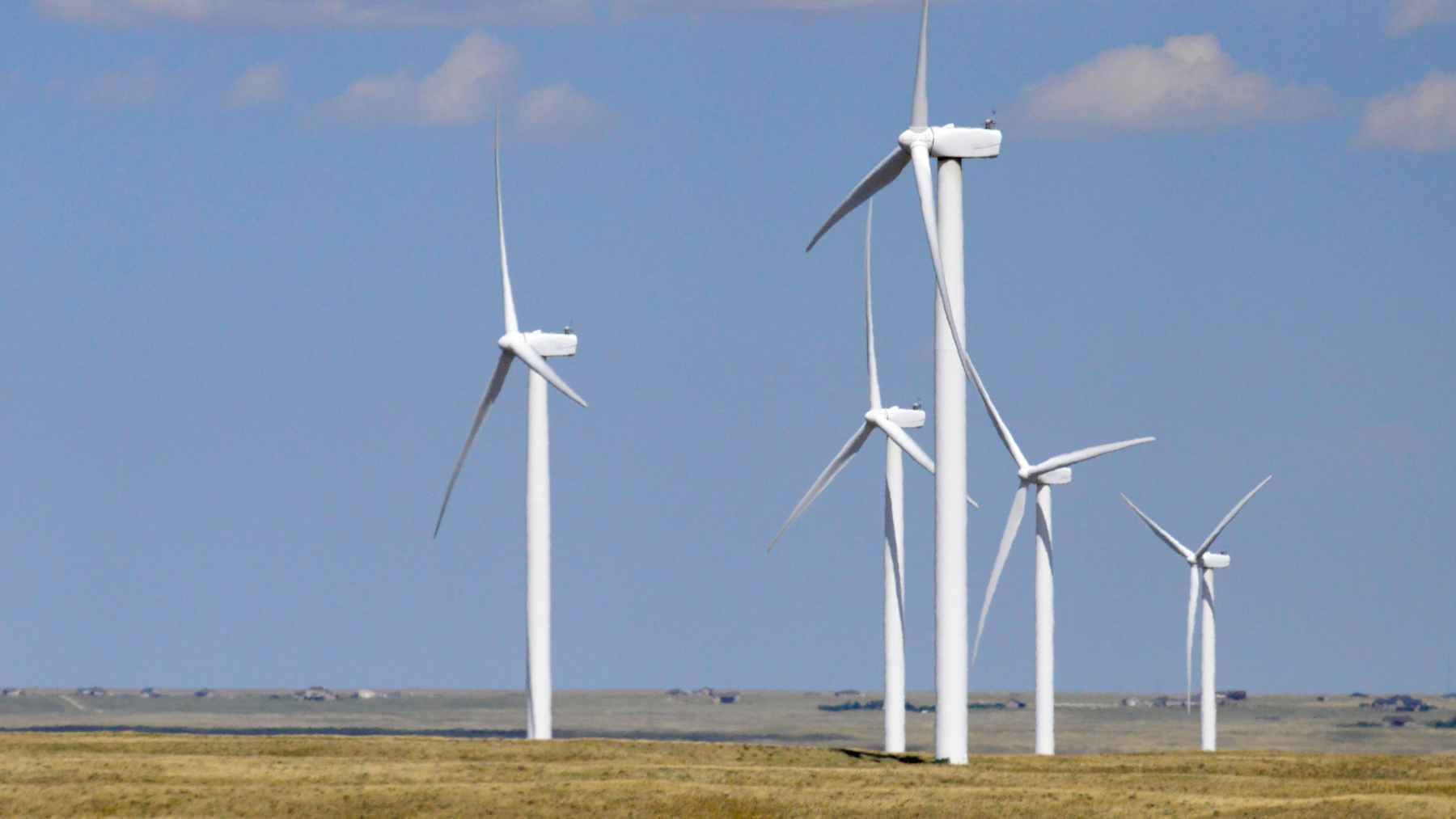
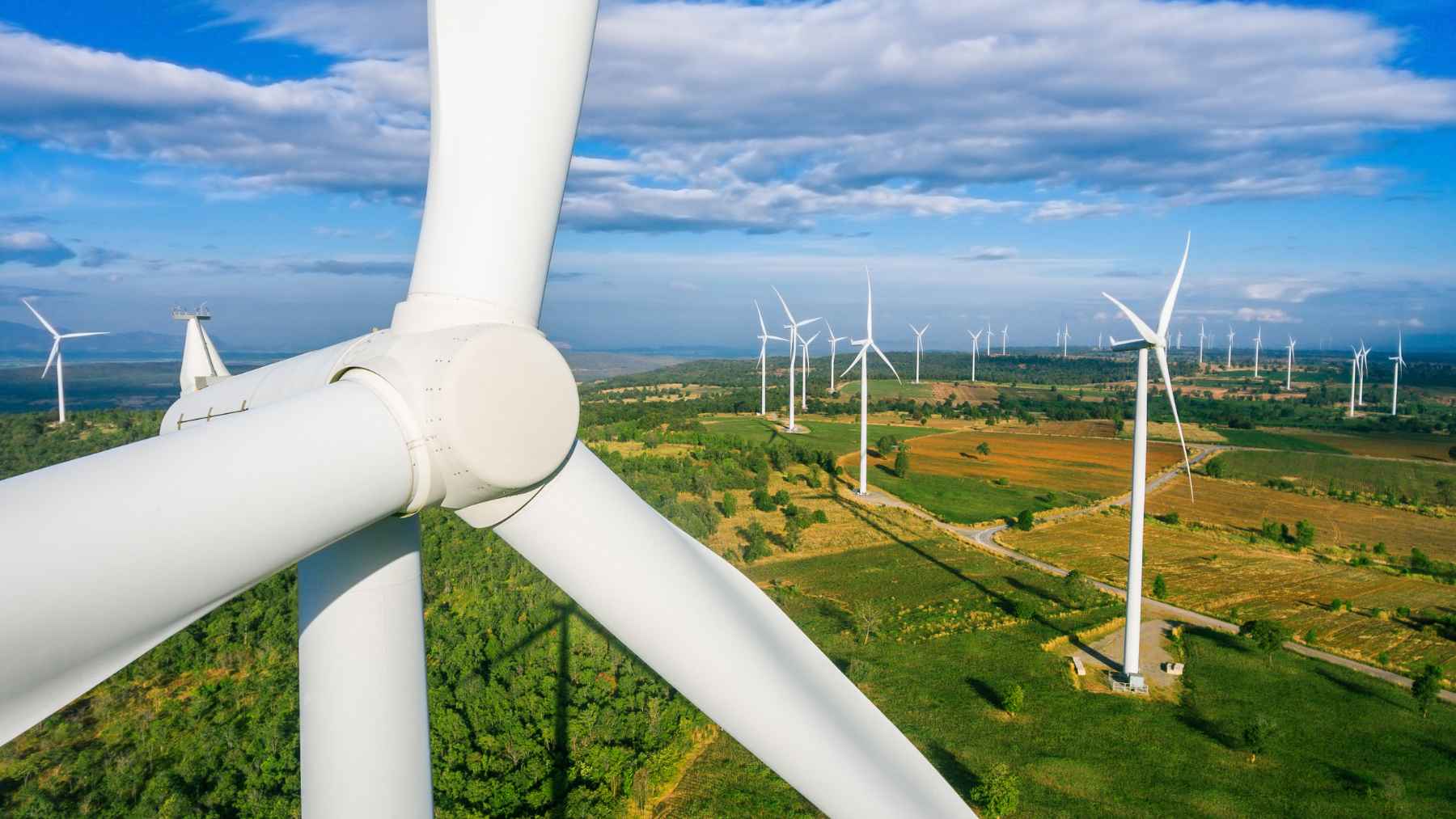
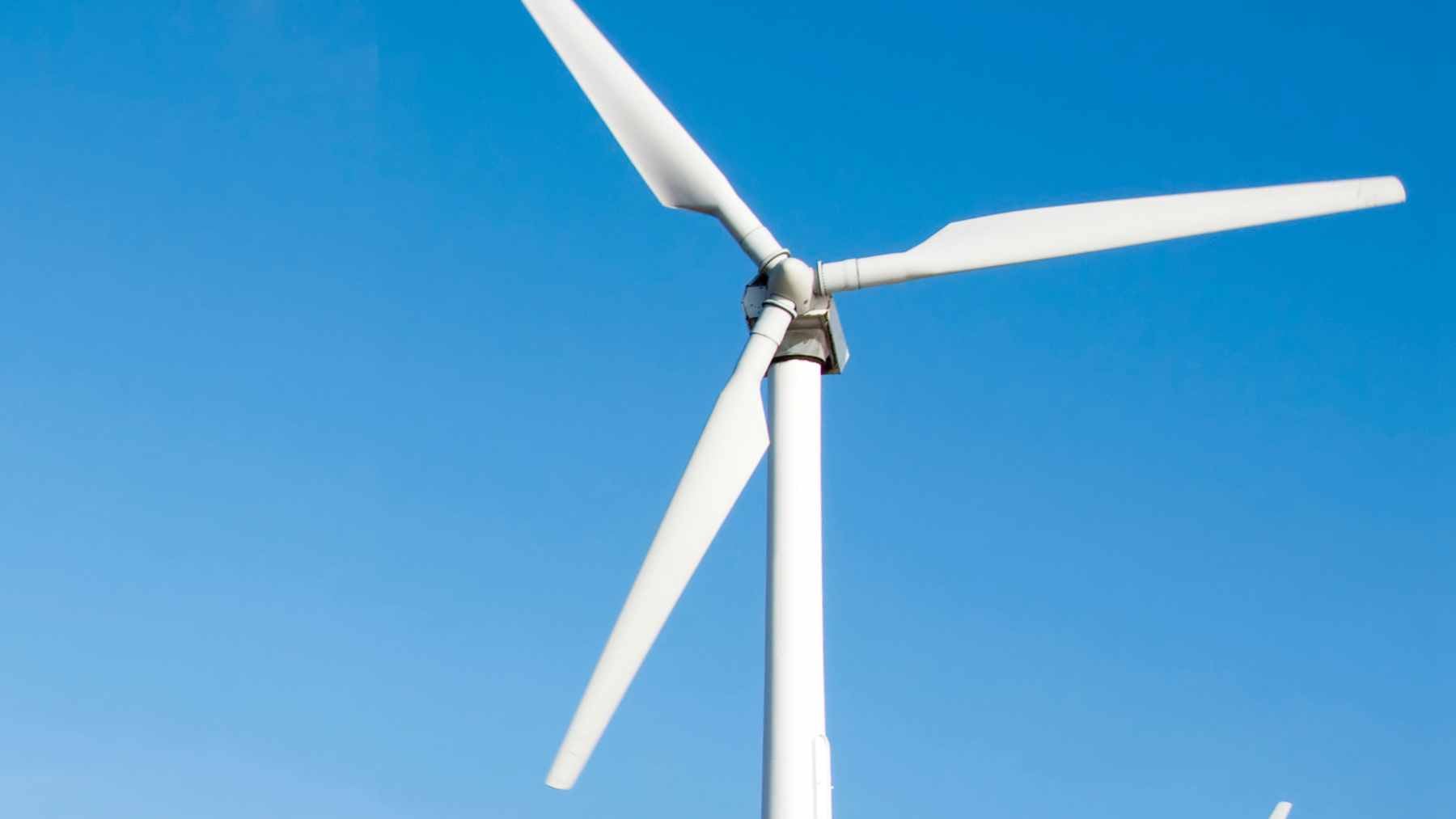
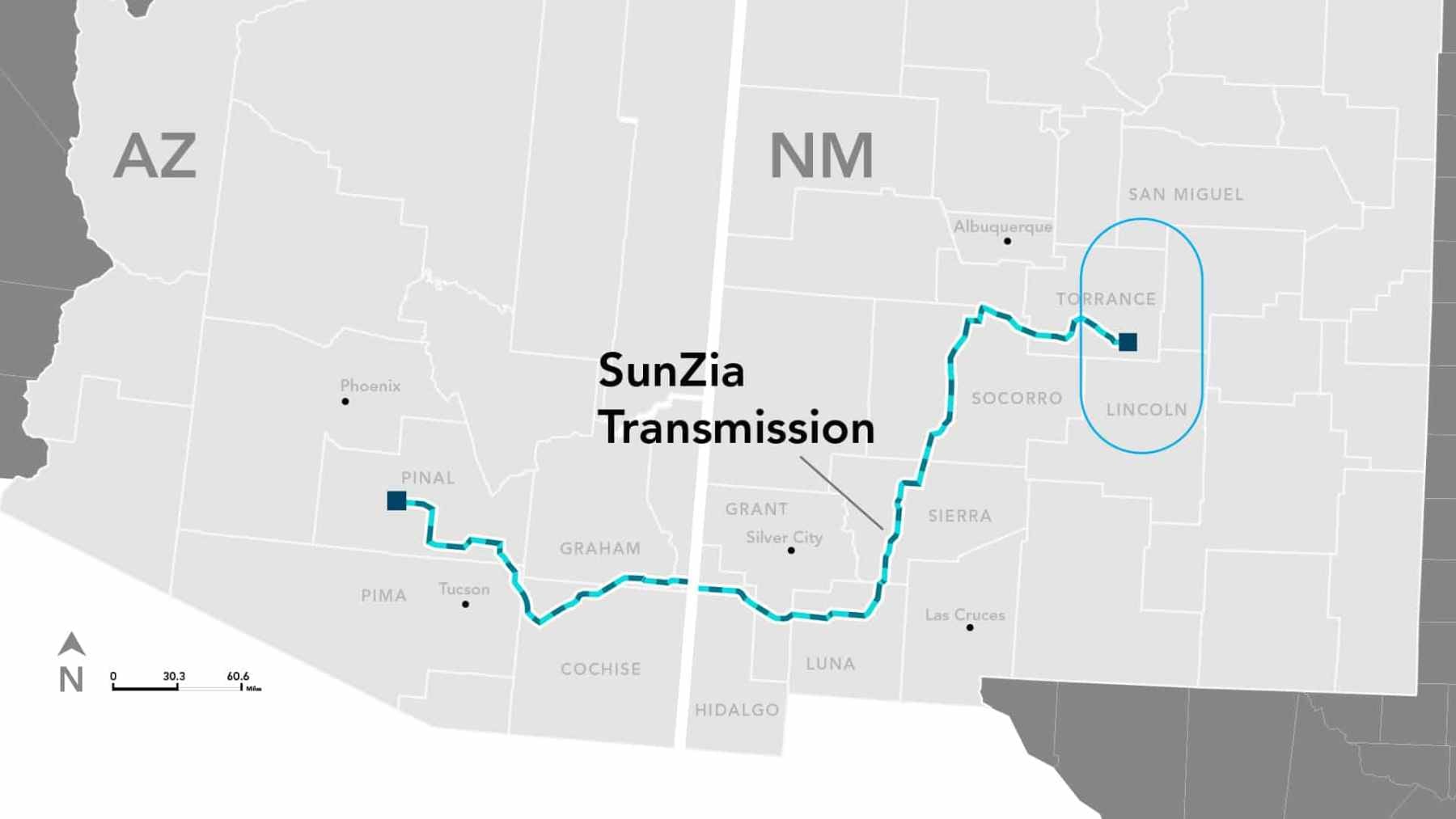
SunZia combines about 3,650 megawatts of wind generation with a roughly 550-mile high-voltage direct current transmission line. The turbines are located in New Mexico, while the power line carries electricity west into Arizona and then across the wider western grid.
Why compare it with Hoover Dam? The famous hydropower plant has a nameplate capacity of about 2,080 megawatts, according to the U.S. Bureau of Reclamation. SunZia’s wind capacity is much larger, although wind and hydropower operate differently and depend on different natural conditions.
Still, the symbolism matters. Hoover Dam helped define a previous era of American infrastructure, whereas SunZia is trying to do something similar for the age of renewable power.
The real breakthrough is the wire
The flashy part of SunZia is the wind farm, but the quieter breakthrough may be the transmission line. Clean power is not very useful if it gets stuck far from the homes, factories, data centers, and businesses that need it.
SunZia uses high-voltage direct current technology, often called HVDC, to move large amounts of electricity over long distances with better efficiency. Pattern Energy says the system uses major converter stations at each end of the line to move power into the grid, making it one of the first major HVDC systems built in the United States in a generation.
Hitachi Energy, which worked on the transmission technology, said the line can deliver up to 3,000 megawatts of clean power from New Mexico to Arizona. The company also said SunZia is meant to ease grid congestion and help meet demand from data centers, electrification, and industrial growth.
Why the West needs it
The western United States has a simple problem that is not simple to fix. Energy demand is growing, weather is becoming more extreme, and many of the best renewable resources are not located next to the biggest population centers.
That is where projects like SunZia come in. Elliot Mainzer, president and CEO of the California Independent System Operator, said large-scale transmission is “essential” for meeting the West’s rising energy needs and strengthening grid reliability.
It will mean fewer bottlenecks between where electricity is made and where it is used. It also means grid operators get more options when demand spikes in the evening, during heat waves, or when other power plants are under stress.
Jobs, money, and local impact
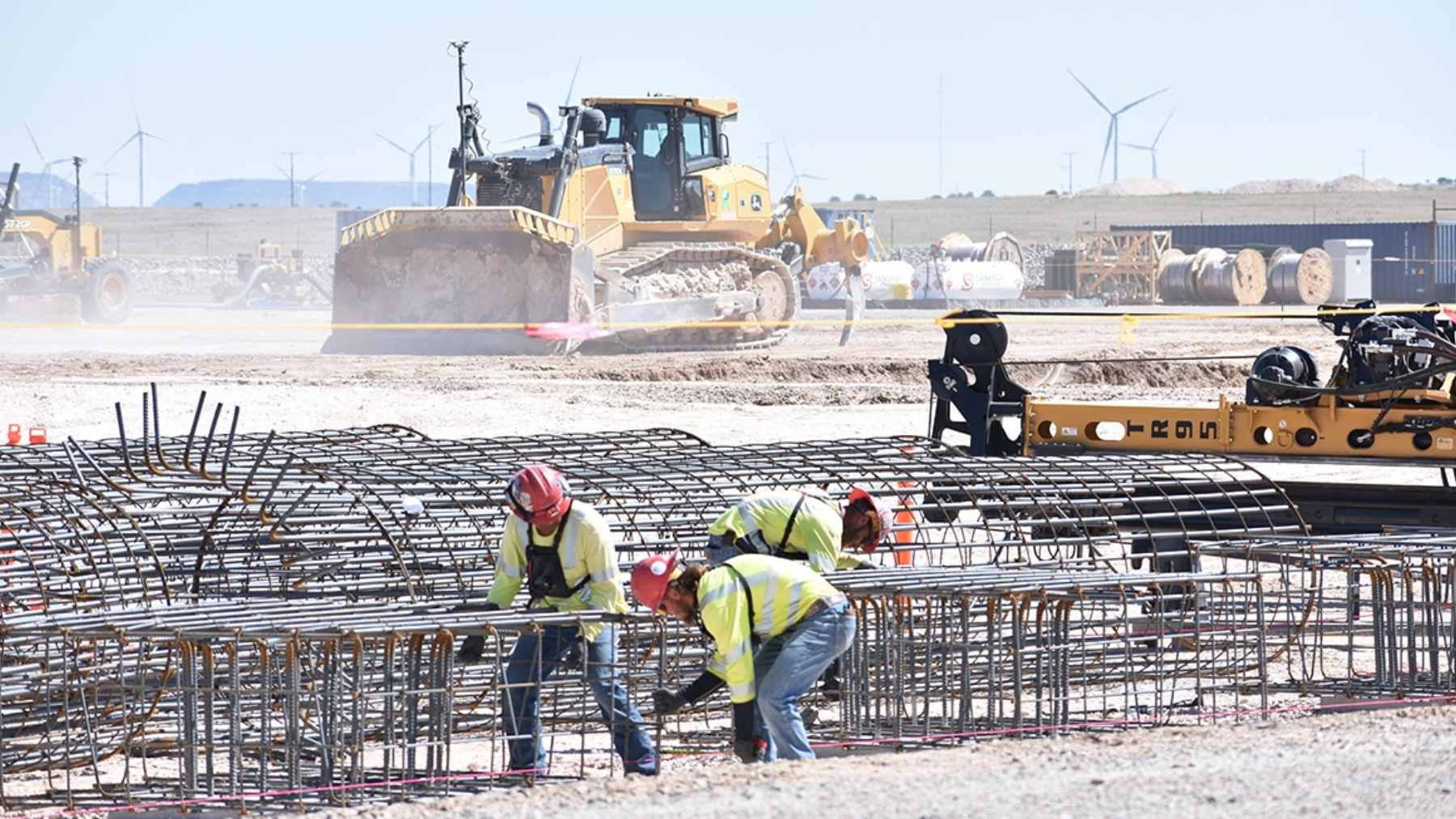
Construction on SunZia began in September 2023 and supported more than 2,000 jobs at peak construction, according to Pattern Energy. The company says the project will also create more than 100 permanent operations jobs in New Mexico and Arizona.
The economic footprint is just as large. Pattern Energy says SunZia is expected to generate about $20.5 billion in total economic benefit over the life of the project, including $1.3 billion in fiscal impacts for governments, communities, schools, and landowners across New Mexico and Arizona.
For small communities, that kind of money can show up in very practical ways. It can mean school funding, county revenue, lease payments, and long-term maintenance work that remains after the construction crews move on.
Building clean power is still messy
SunZia is a clean energy project, but that does not mean it arrived without environmental and cultural challenges. Large infrastructure leaves a footprint, especially when it crosses desert landscapes, private lands, sensitive habitat, and places with deep historical meaning.
Pattern Energy says SunZia Wind has worked on habitat restoration practices and says SunZia Transmission was built with environmental mitigation efforts developed with conservation stakeholders. One specific effort involved relocating more than 15,000 saguaros and agave plants across the project’s footprint, according to a Pattern Energy feature on the work.
There were also legal challenges from Native American tribes and environmental groups over parts of the route in Arizona. Reuters reported that a federal judge allowed construction to proceed in 2024, while later reporting noted that the full project is now operational after nearly two decades of permitting and construction.
A test for America’s energy future
Pattern Energy CEO Hunter Armistead said, “SunZia proves that we can still build the consequential infrastructure this country needs.” That line captures the bigger question around the project. Can the United States build clean power fast enough, and can it also build the lines needed to deliver it?
By the company’s own timeline, SunZia was more than 18 years in the making. That is impressive, but it also shows how slow big energy projects can be when permitting, financing, engineering, land use, and local concerns all collide.
At the end of the day, SunZia is not just another wind farm. It is a test case for whether renewable energy can move from promise to pavement, steel, turbines, wires, and real electricity flowing into the grid.
The official statement was published on Pattern Energy.