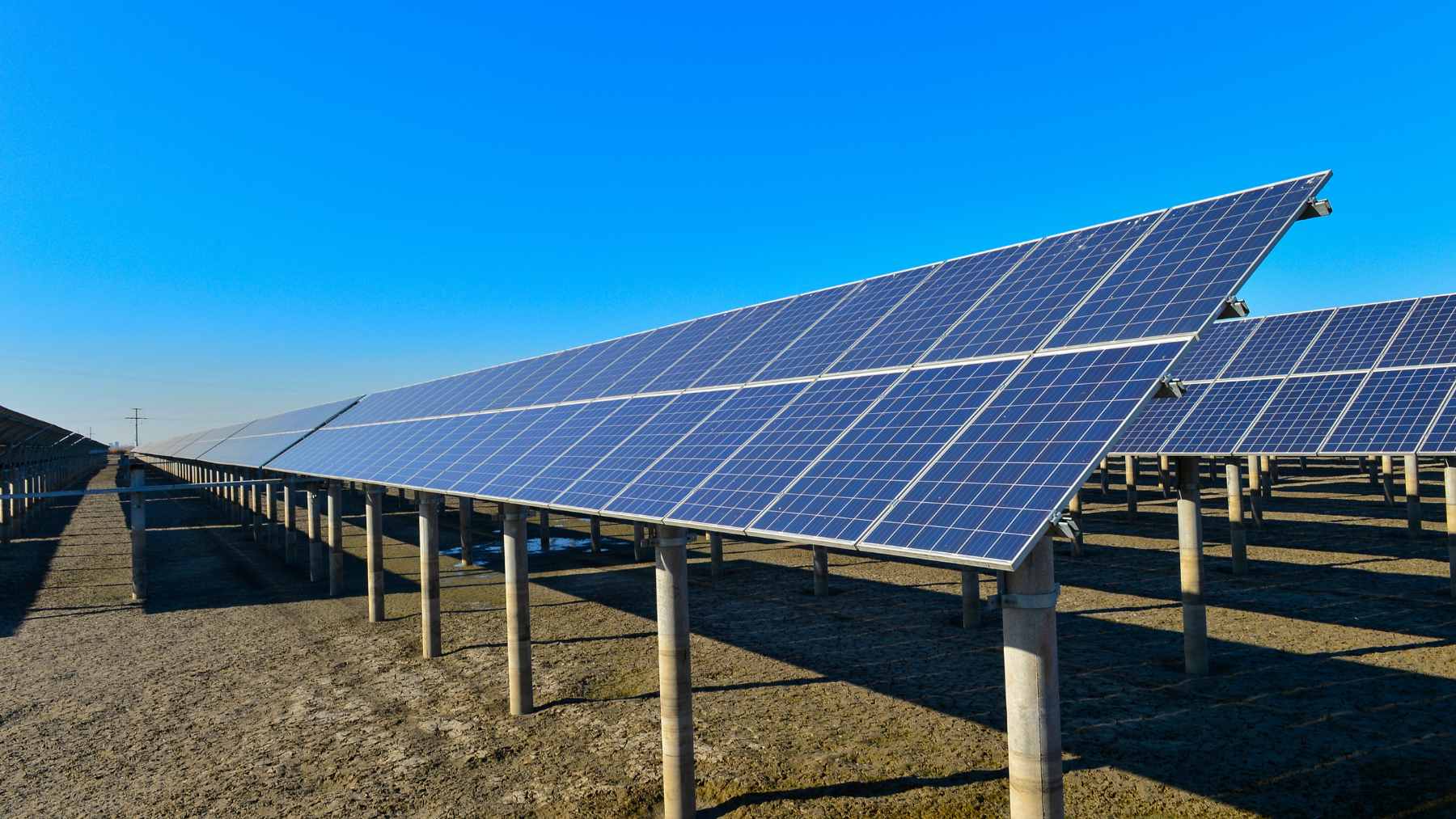
Ireland just got a bright glimpse of its clean-energy future, and it came from the sky. During a sunny spell, utility-scale solar supplied a record 37.06% of national fuel demand at 2:30 p.m. on May 24, according to Green Collective data cited by Solar Ireland.
That should be great news for households, businesses, and anyone worried about imported fossil fuels. But Solar Ireland is warning that the country may be letting too much clean electricity slip away because grid upgrades, storage, flexibility, and day-to-day system operations are not moving as fast as solar generation itself.
Solar’s record afternoon
For a country better known for wind than blazing sunshine, the new solar record is striking. Solar Ireland said utility-scale solar came within about 2% of imported gas use during the 24-hour period leading into that Sunday afternoon, while total wind and solar generation exceeded 46%, according to EirGrid figures cited by the group.
Ronan Power, CEO of Solar Ireland, called it “a fantastic week for solar in Ireland.” That line matters because it captures the speed of the shift, not just the number itself.
What does that mean in everyday terms? On a bright afternoon, solar farms are no longer a small extra on the edge of the system. They are becoming one of the main engines keeping lights, laptops, refrigerators, and factories running.
The grid bottleneck
Herein lies the problem. Clean electricity is only useful if the system can take it, move it, store it, and deliver it when people need it.
Solar Ireland says rising renewable output is leading to more “dispatch down” and curtailment. In plain English, that means solar or wind generators can be told to reduce output even when the weather is perfect, because parts of the system cannot absorb everything being produced.
That can feel almost absurd. Imagine filling a rain barrel during a storm, then watching water overflow because the barrel was too small. Ireland’s solar moment is similar, except the overflow is clean electricity that could have helped cut fuel imports and energy costs.
Wind still leads
Solar is grabbing headlines, but wind remains the heavy lifter in Ireland’s electricity mix. EirGrid said wind generated 38% of all electricity in April, making it the biggest contributor to the fuel mix that month.
Overall, renewables supplied 48% of Ireland’s electricity in April, including 6% from large grid-scale solar farms. That made April the third consecutive month in which renewable generation met roughly half of electricity demand, a sign that Ireland’s power system is changing quickly.
The solar numbers are moving especially fast. EirGrid reported that grid-scale solar passed 1 gigawatt for the first time in April, then set a new record of 1,133 megawatts on April 25, or 1.13 billion watts of output at that moment.
A fast-growing industry
The pace of growth is hard to ignore. Ireland’s first large-scale ground-mounted solar farm, Millvale Solar in County Wicklow, supplied the national grid in 2022.
By November 2025, Solar Ireland said national solar capacity had passed 2 gigawatts, supported by more than 155,000 rooftop installations across homes, farms, and businesses. That is a dramatic jump in only a few years, and it helps explain why sunny afternoons are now showing up so clearly in national electricity data.
There is a business story here, too. More solar means more construction, more grid connection work, more maintenance jobs, and more demand for software, batteries, forecasting tools, and smart controls. In practical terms, the energy transition is becoming an infrastructure race.
Why wasted power matters
Wasted renewable electricity is not just a technical headache. It has an environmental cost, because every clean unit that cannot be used may leave more room for imported gas or other backup sources.
It also has a consumer angle. Solar Ireland argues that every usable unit of renewable power can reduce reliance on imported fuels, improve energy security, and support consumers at a time when energy costs remain a concern.
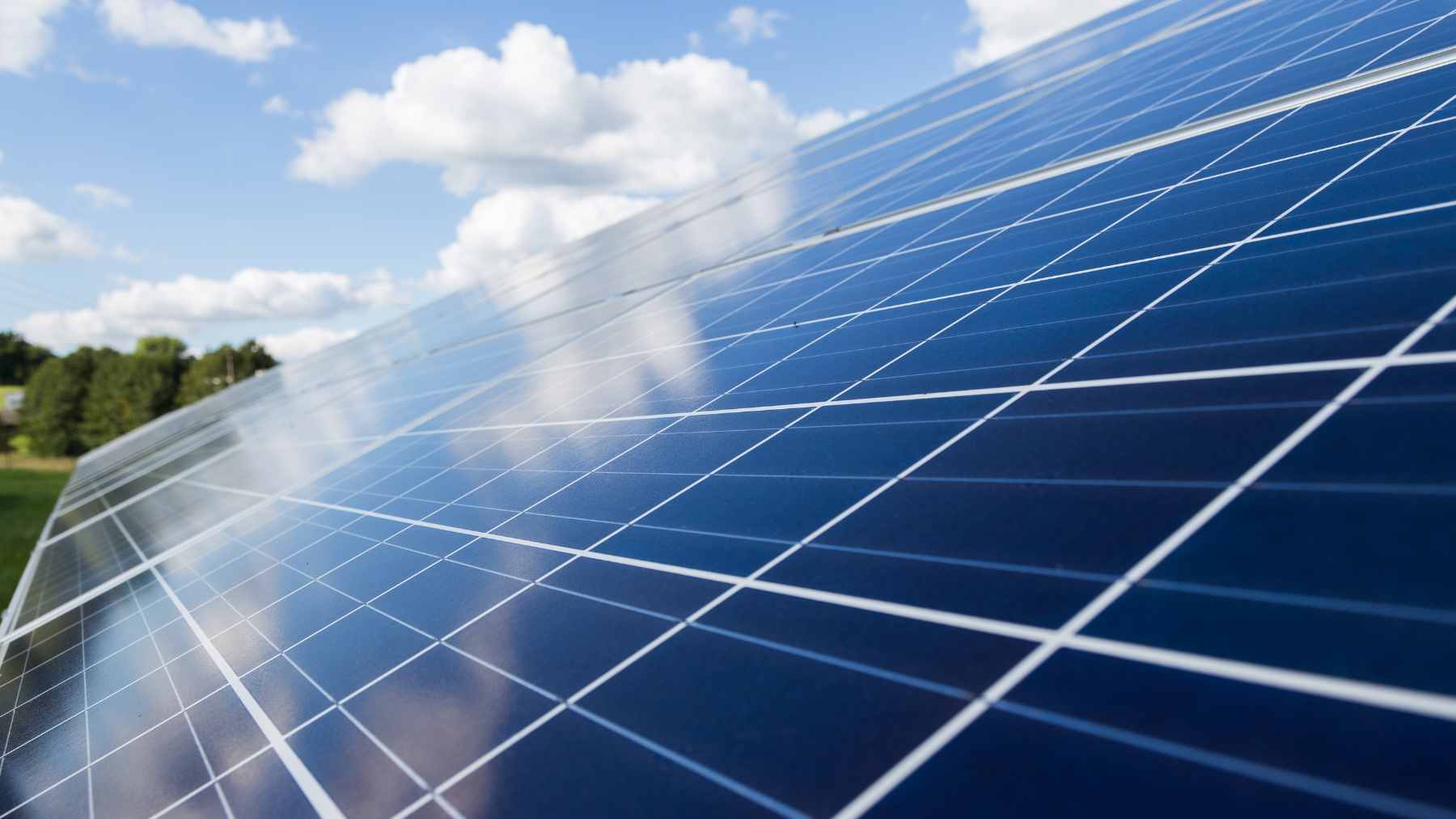
That does not mean solar alone can solve Ireland’s energy challenge. The country still needs a balanced system, with wind, solar, storage, interconnectors, flexible demand, and backup capacity. But the cleaner the daytime supply becomes, the more pressure there is to modernize the machinery behind it.
The 2030 clock
Ireland has set a target of reaching 80% renewable electricity by 2030, according to the Sustainable Energy Authority of Ireland. That target is now close enough to make grid delays feel less like paperwork and more like a real climate risk.
EirGrid says current developments already allow up to 75% of electricity to come from variable renewable sources such as wind and solar at any one time. It also has a major work program underway to raise that level to 95%.
That jump is not small. It requires more than building panels and turbines. It means faster grid delivery, better forecasting, batteries that can respond quickly, and operating rules that help the system stay stable when fossil fuels are playing a smaller role.
What happens next
Solar Ireland says the investment commitment is in place, but the next step is delivery. That means speeding up grid infrastructure, adding flexibility, improving storage, and making sure operational measures keep up with renewable deployment.
At the end of the day, Ireland’s solar record is both a success story and a warning light. The country has proved that solar can scale quickly, even in a climate where sunshine is not always guaranteed.
Now comes the harder part: Ireland has to make sure that when the sun does show up, the grid is ready to use every possible watt.
The press release was published on Solar Ireland.