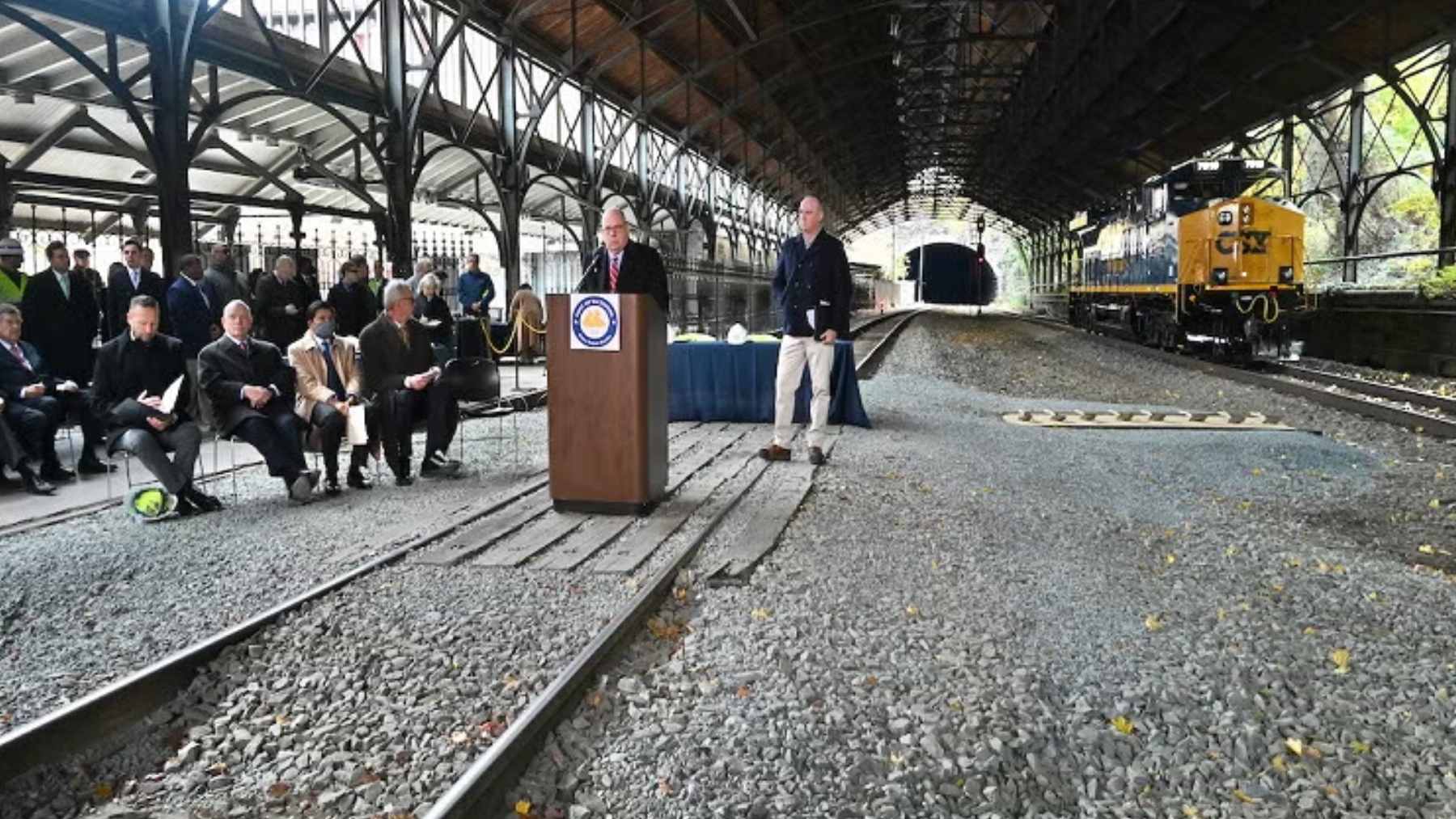
A rail tunnel under downtown Baltimore has just changed the way cargo can move along the East Coast. After years of planning, funding fights, engineering work, and plenty of waiting, the Howard Street Tunnel is now cleared for double-stack rail service at the Helen Delich Bentley Port of Baltimore.
Why does that matter to people who never think about shipping containers? Because this is not just a railroad story, it is also a cleaner-air story, a traffic story, and a business story about how America moves the everyday goods that end up in stores, warehouses, factories, and homes.
What changed underground
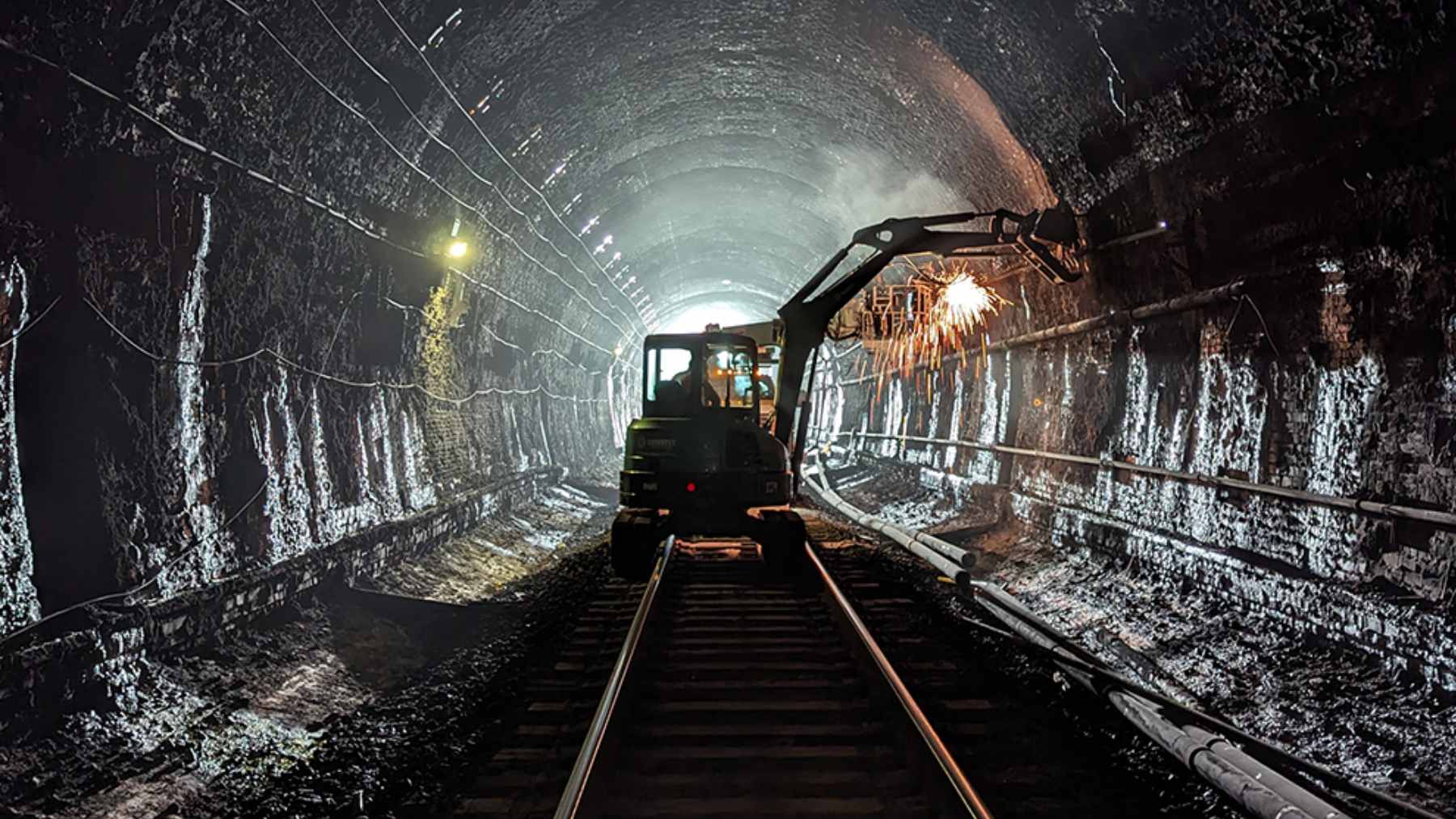
The Howard Street Tunnel is not new. The 1.7-mile railroad passage runs under the heart of Baltimore and was originally built in 1895, long before modern container shipping became the backbone of global trade.
For years, the tunnel and other nearby obstructions were too low for double-stack trains, which carry one shipping container on top of another. The Maryland Port Administration said some clearances were up to 18 inches short of the 21 ft. needed for that kind of service.
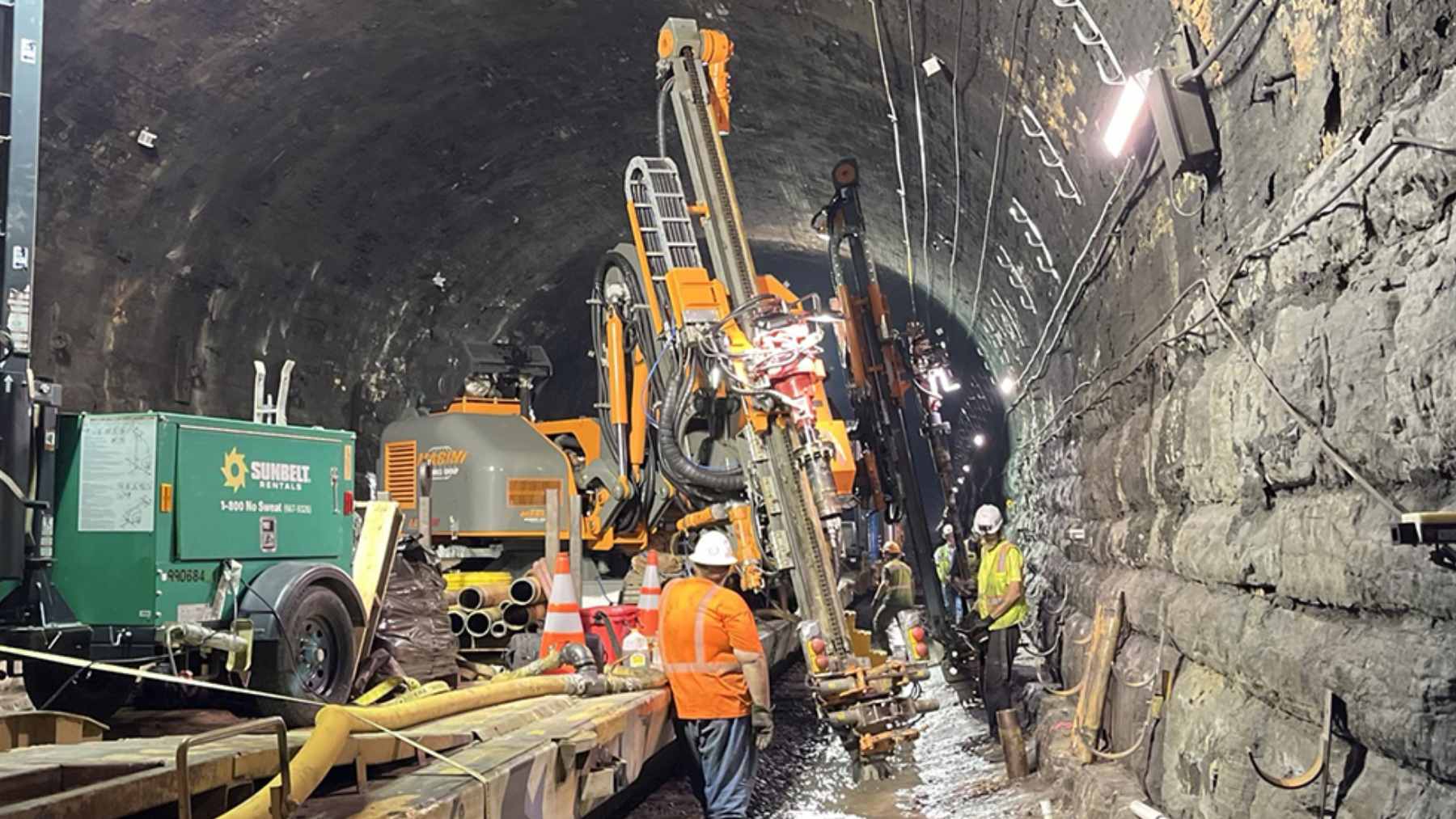
The fix was simple to explain, but not simple to do. Crews expanded the 131-year-old tunnel by 18 inches and made clearance improvements at 21 other locations in Maryland, Delaware, and Pennsylvania, allowing double-stacked containers to move to and from Baltimore.
Why double-stack matters
Double-stacking is one of those freight terms that sounds dry until you picture it. Instead of moving one container per railcar slot, a train can carry two, like stacking boxes in a garage to save space.
That means more cargo can move on existing rail routes, without needing a matching increase in trucks on the highway. CSX CEO Steve Angel said the project gives customers greater access, capacity, and flexibility across the East Coast.
As a result, Baltimore can now compete more directly for cargo headed to the Midwest and other inland markets. State officials say the completed project creates seamless double-stack capacity on the East Coast from Massachusetts to Florida.
The environmental math
The biggest environmental benefit comes from shifting freight from long-haul trucks to rail. According to the Federal Railroad Administration’s environmental assessment, the project is expected to avoid about 1.2 billion truck vehicle miles over its first 30 years and save an estimated 137 million gallons of fuel.
Those are forecasts, not guarantees. They depend on shippers actually choosing rail, port operations staying efficient, and the corridor attracting enough container volume to make the new capacity count.
Still, the direction is clear. The same federal review estimated that more than 2.5 million loaded units could shift from long-haul trucking to rail, with each converted unit reducing truck travel by an average of about 940 miles.
A port rebuilding fast
The timing is important. The Port of Baltimore is still living with the aftershocks of the Francis Scott Key Bridge collapse in 2024, yet it handled about 50 million tons of cargo in 2025, its second-best year ever.
That kind of rebound matters for Maryland’s economy. State officials said the port’s 2025 cargo had a value of $65.6 billion, while more than 273,000 jobs in Maryland are tied to the port’s broader economic activity.
Now the port has another growth tool. Officials expect double-stack availability to increase Baltimore’s container business by about 160,000 containers a year over time and support more than 13,000 jobs connected to the project and future port activity.
The next piece of the puzzle
Baltimore is not stopping at the tunnel. In May 2026, Maryland officials joined Tradepoint Atlantic and Terminal Investment Limited to break ground on the Sparrows Point Container Terminal, a 168-acre container terminal and on-dock rail facility at Coke Point.
That project is backed by about $1.2 billion in private financing and is expected to expand container handling capacity at the Port of Baltimore by 70%. Once completed in 2030, state officials say it could handle about 1 million containers a year.
This is where the tunnel becomes more than a local upgrade. A bigger terminal without better rail would risk putting more pressure on roads. Better rail without enough terminal capacity would leave potential sitting on the table.
Cleaner freight, if it works
At the end of the day, the Howard Street Tunnel project is trying to solve an old problem with a modern freight answer. Move more goods, but do it with fewer highway miles, less fuel, and a stronger connection between ships, trains, warehouses, and inland markets.
There is still a community test ahead. Cleaner air and less congestion will be judged not by ribbon cuttings, but by what people near port roads and rail corridors actually experience in the years to come.
For now, Baltimore has cleared a bottleneck that shaped its port for generations.
The press release was published on The Office of Governor Wes Moore.