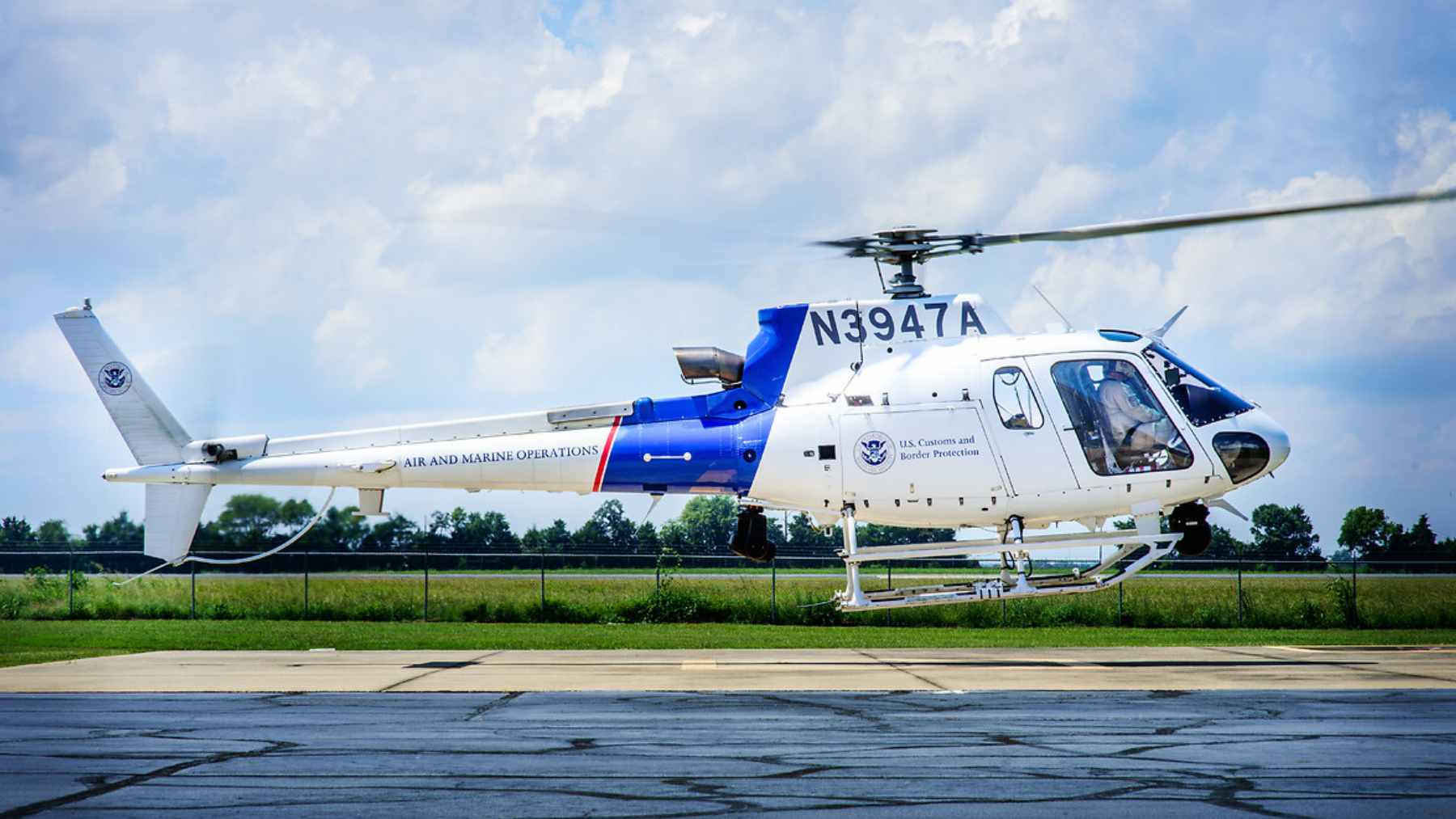
U.S. Customs and Border Protection is adding 10 Airbus H125 helicopters to its Air and Marine Operations fleet for law enforcement, border security, and public safety missions across the country. Airbus announced the finalized deal on July 7, 2026, while federal award records put the delivery order at $95,507,814.
The most important takeaway is not simply that CBP is buying more helicopters. It is choosing a light, single-engine platform for surveillance and tactical support alongside much larger UH-60 Black Hawks, a fleet strategy that may improve mission efficiency but does not automatically make the operation environmentally friendly.
The $95.5 million deal
The final price is lower than the pre-award figure that circulated in late 2025. At that time, a Department of Homeland Security acquisition forecast described a contract worth more than $100 million for configuring and managing up to 10 H125s plus related equipment, but the May 2026 delivery order to Davenport Aviation was recorded at about $95.5 million.
This distinction matters. Forecasts are planning estimates, while awarded obligations show what the government actually committed, and the federal record describes a fixed-price order for 10 H125 light enforcement rotorcraft with a performance period running through May 26, 2028.
Airbus executive Bart Reijnen said the choice reflects the “trust placed in the H125” for demanding public-safety missions.
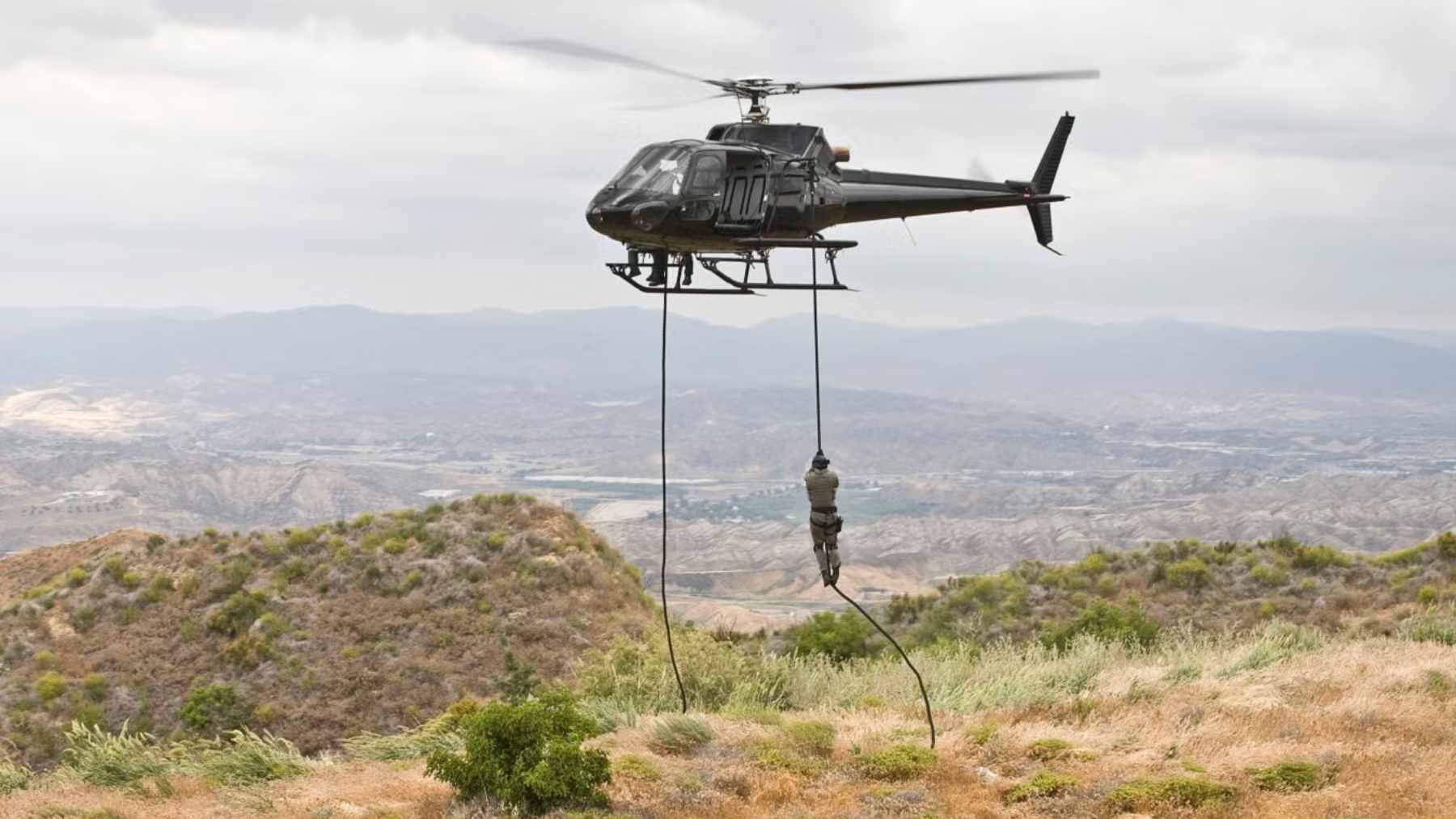
The new purchase follows Airbus’s 2020 order for 16 H125s, which were equipped for patrol, surveillance, and rescue work. That earlier package included infrared detection, thermal imaging, night vision compatibility, hoist capability, and loudspeakers, though Airbus has not detailed the full mission equipment fit for the 2026 batch.
Why the H125 keeps winning
The H125, previously known as the AS350 and called the AStar in North America, is built around a simple idea. Give agencies a compact aircraft that can remain on station, operate in heat and high terrain, and carry sensors without requiring a medium-lift helicopter for every call.
Airbus lists a maximum takeoff weight of 5,225 pounds, a range of 340 nautical miles, and maximum endurance of 4 hours and 27 minutes. Its Safran Arriel 2D engine produces 952 shaft horsepower, while dual-channel digital engine control, an engine data recorder, and dual hydraulic flight controls are designed to reduce pilot workload.
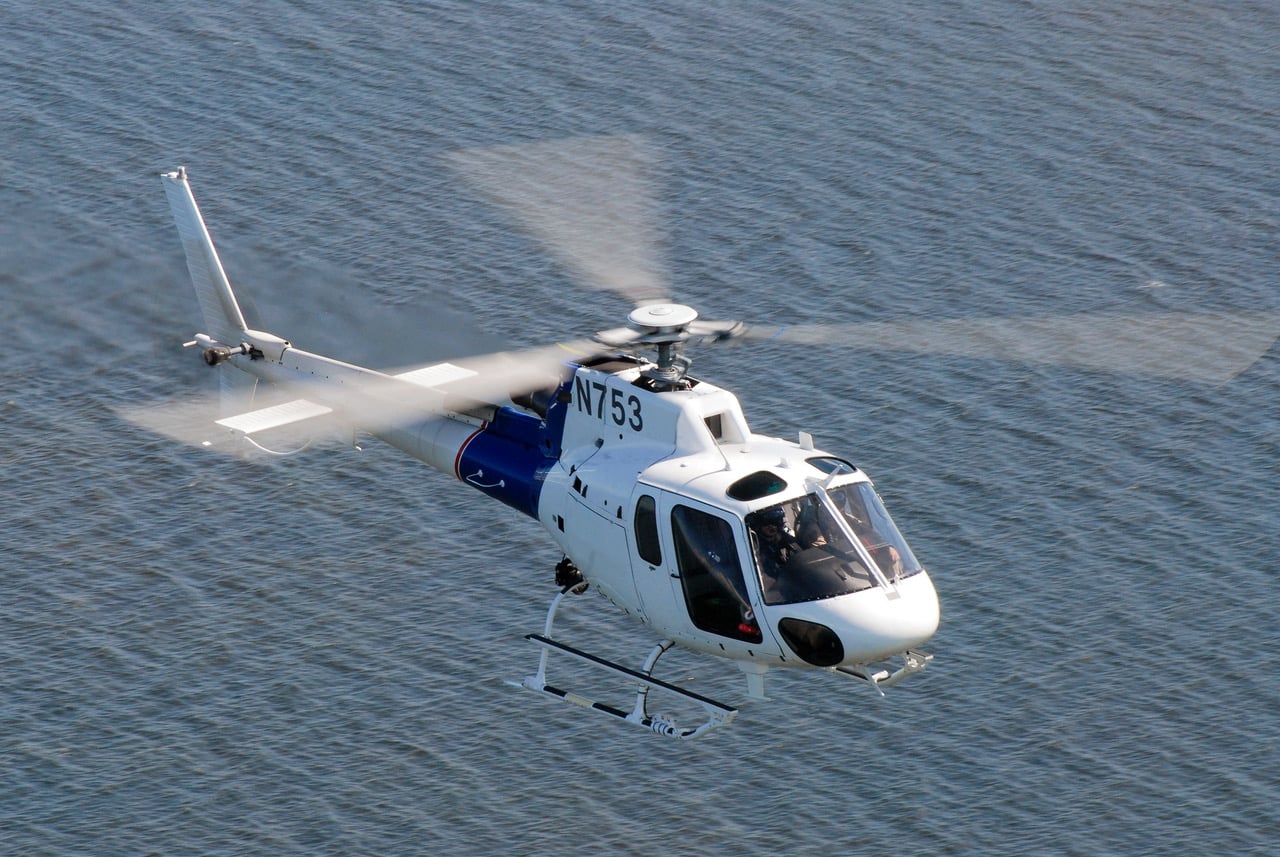
For CBP, the practical value is the view from the cabin and the ability to work close to ground teams. Existing H125 operations commonly use a pilot and a sensor operator, with electro-optical and infrared cameras, mapping tools, and video links helping crews follow people, vehicles, or vessels from the air.
A lighter partner to the Black Hawk
CBP also flies Sikorsky UH-60 Black Hawk variants for missions that need more lifting power, crew capacity, or rescue equipment. For scale, Lockheed Martin lists the UH-60M at a maximum gross weight of 22,000 pounds, more than four times the H125’s listed maximum takeoff weight.
That does not make one aircraft better than the other. A Black Hawk can handle heavy rescue, transport, and disaster response, while the H125 is better suited to many short-range observation and light enforcement tasks. In practical terms, matching the smaller helicopter to the smaller mission can avoid using a much heavier machine when it is not needed.
Using a smaller single-engine helicopter for a light surveillance task could also lower operating costs and fuel demand compared with sending a heavier twin-engine aircraft.
Still, that is a reasonable inference from aircraft size and role, not a measured environmental result from this contract, because Airbus did not publish expected annual flight hours, fuel consumption, emissions, or a comparison with the aircraft the new H125s will replace.
The environmental test
Helicopters bring environmental tradeoffs wherever they fly. Turbine fuel creates greenhouse gas emissions, while repeated low-level operations can add noise to desert, coastal, wetland, mountain, and residential areas that may already be sensitive to disturbance.
The National Park Service notes that intermittent noise and visual disturbance can be perceived by wildlife as threats and can trigger avoidance behavior. That makes route planning, altitude, time on station, and seasonal restrictions important, especially around nesting areas, migration corridors, and quiet communities.
The H125 does have a possible lower-carbon pathway. Airbus says its helicopters are certified for blends containing up to 50 percent sustainable aviation fuel, and an H125 completed a demonstration flight in China using a 40 percent blend in 2023.
But the CBP announcement contains no commitment to buy SAF, so technical compatibility should not be confused with actual emissions cuts.
Built in Mississippi
Airbus will manufacture the helicopters at its facility in Columbus, Mississippi, giving the order a clear U.S. industrial component despite the company’s European roots. The prime delivery order went to Davenport Aviation, a government aviation supplier that previously worked with Airbus and CBP on H125 procurement.
Federal award data says two bids were received and the order was placed through the Multiple Award Schedule. The procurement’s “light enforcement platform” description also indicates that the government is buying operational aircraft rather than 10 standard passenger helicopters sitting on a ramp.
What to watch next
The unanswered questions now matter more than the sales announcement. Airbus’s release did not state where the aircraft will be based, how quickly each one will enter service, which older helicopters will leave the fleet, or how many flight hours the new batch is expected to add.
Those details will determine the real operational and environmental outcome. A newer, lighter helicopter can be a smarter tool if it replaces aging aircraft, reduces maintenance downtime, and keeps Black Hawks off routine surveillance missions, but the benefit shrinks if it simply produces more total flying.
For now, the H125 order looks like a practical fleet-standardization decision with strong surveillance capability and a domestic manufacturing link.
The official press release was published on Airbus.