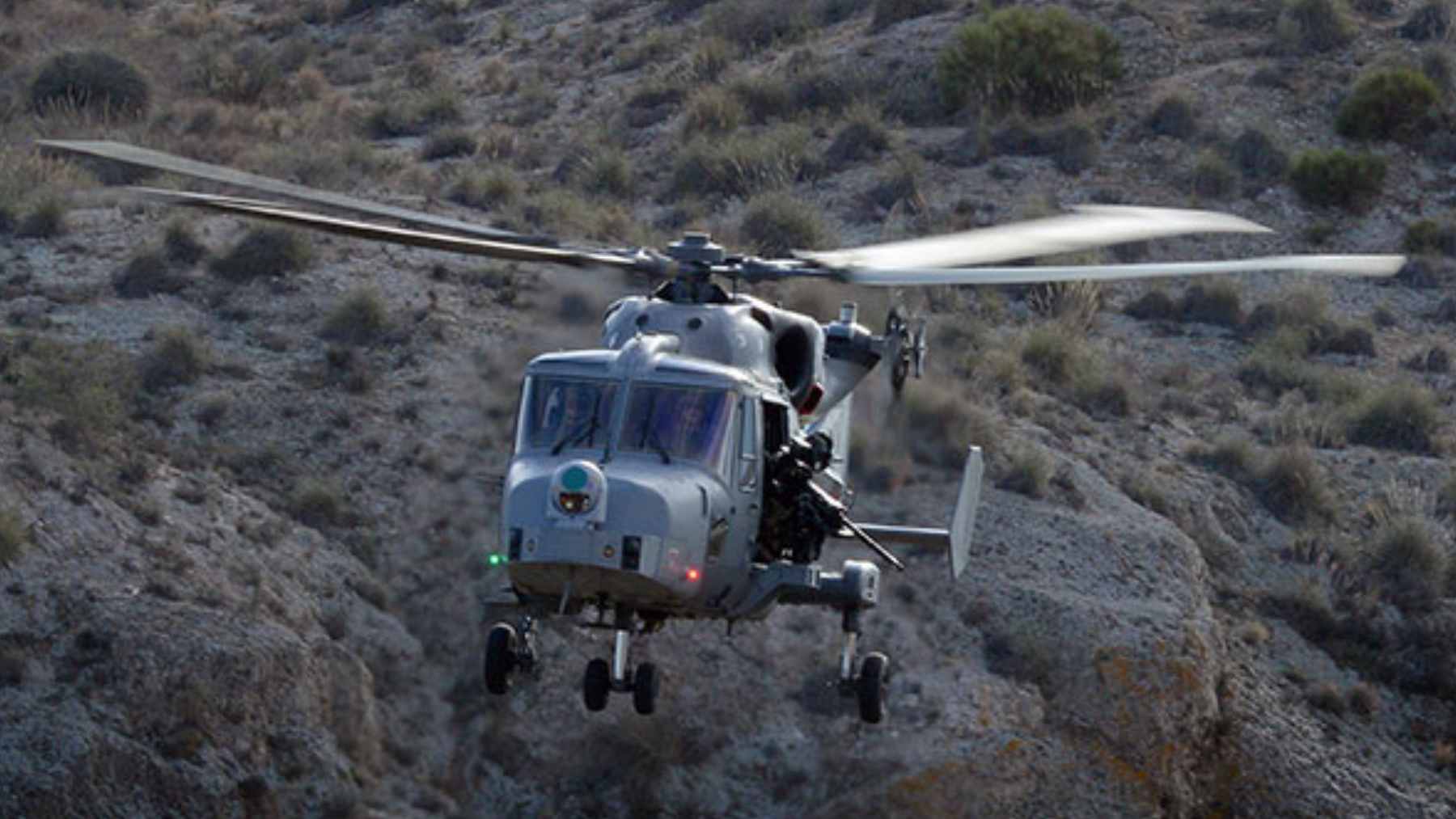
Britain is preparing to retire part of a helicopter fleet that is barely into middle age. The British Army’s Wildcat AH1 battlefield reconnaissance helicopters, which reached initial operating capability in 2014, are due to begin a phased early retirement from 2027 as the country redirects money toward drones, artificial intelligence, and autonomous systems.
The move sits inside a much larger Defence Investment Plan worth about $399 billion over four years, with about $6.7 billion set aside for drones and autonomous systems at recent exchange rates.
It is a defense story, of course, but it is also a technology and climate story, because the next generation of military hardware will have to prove not only that it works in war, but that it makes sense in a world trying to cut fuel use and emissions.
A short life for the Army Wildcat
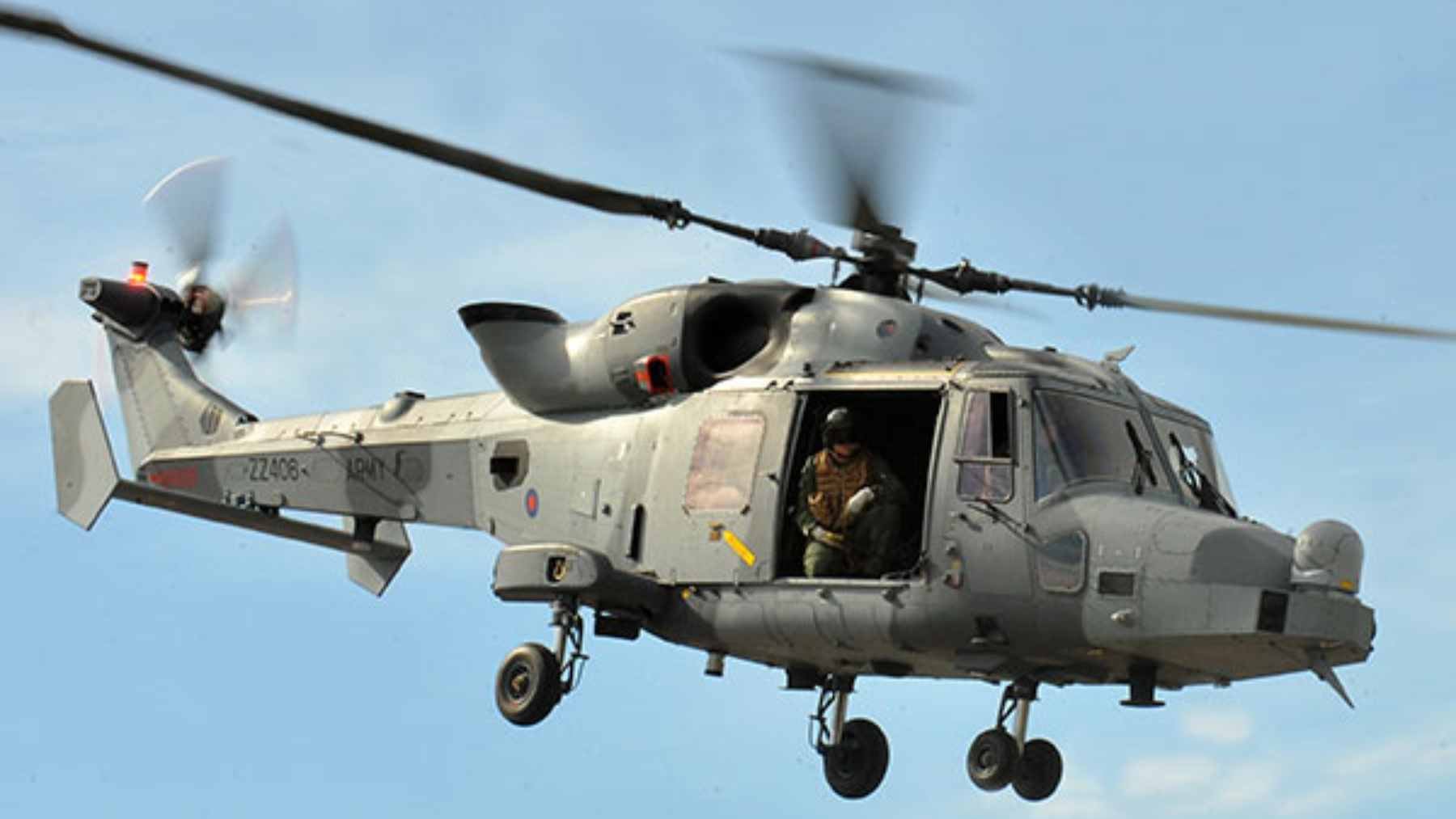
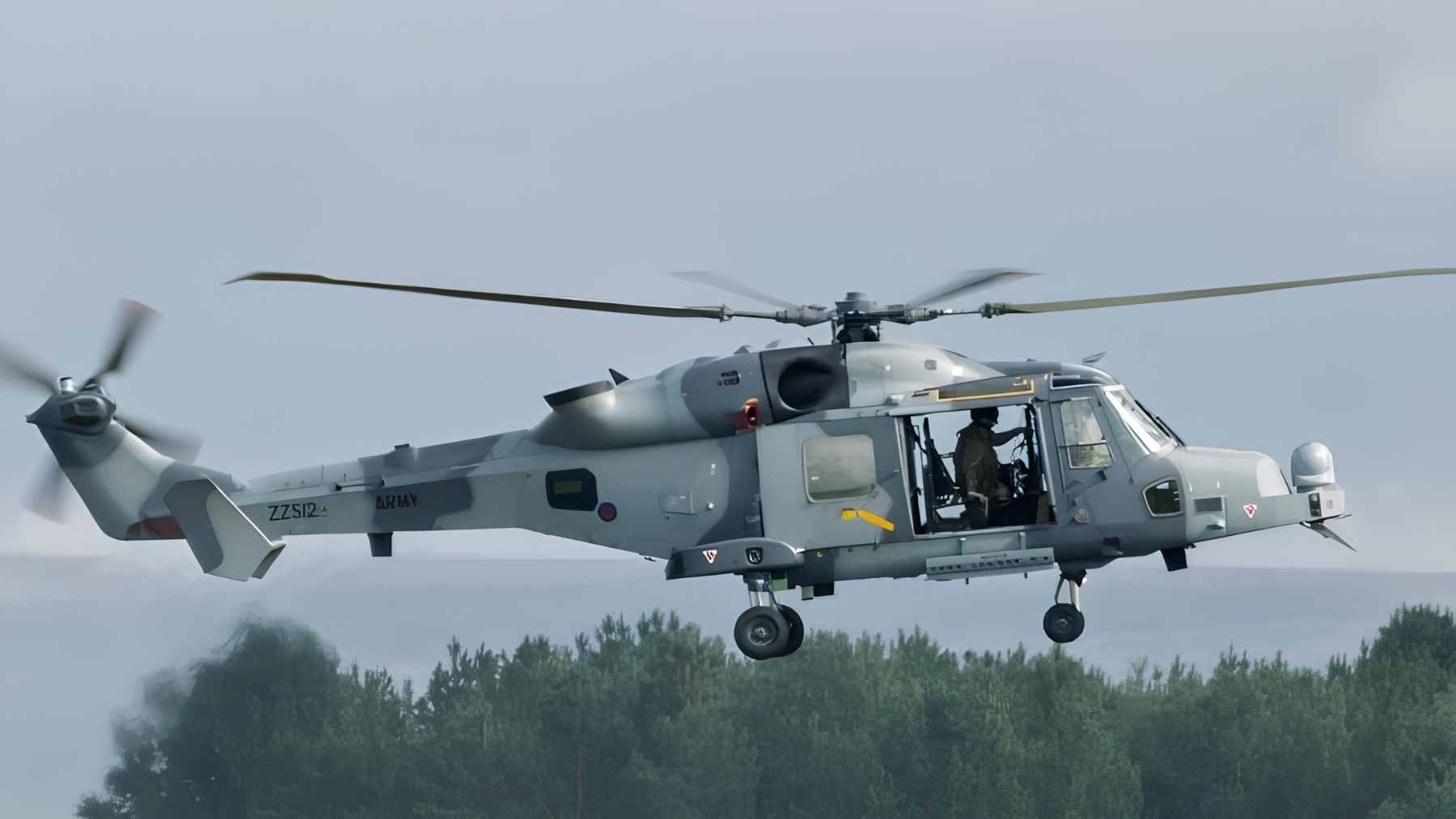
The Wildcat AH1 was introduced for the Army as a flexible aircraft for reconnaissance, light transport, battlefield support, command and control, and force protection. The wider Wildcat order included 34 aircraft for the Army and 28 for the Royal Navy, according to official defense procurement records.
Now, the Army version is heading toward an early exit. The Defence Investment Plan says the phased early retirement of Wildcat battlefield reconnaissance helicopters from 2027 will be offset by several programs, including Project NYX, Project CORVUS, the New Medium Helicopter, and newer Chinooks.
That is a big change for an aircraft that entered service just over a decade ago. For the most part, it shows how fast the battlefield has moved. A helicopter that once looked modern can suddenly feel expensive and exposed when cheaper machines can fly ahead without putting a crew in the air.
Drones take the lead
Why now? Ukraine is the clearest answer. The United Kingdom’s Strategic Defence Review says drones are now killing more people than traditional artillery in Ukraine, a striking sign of how quickly low-cost systems have changed the pace and danger of modern combat.
Prime Minister Keir Starmer made the same point in simpler language while presenting the investment plan. “We can’t just spend more. We’ve got to spend better,” he said, while pointing to more drones, better targeting, and an Army designed to be “ten times more lethal.”
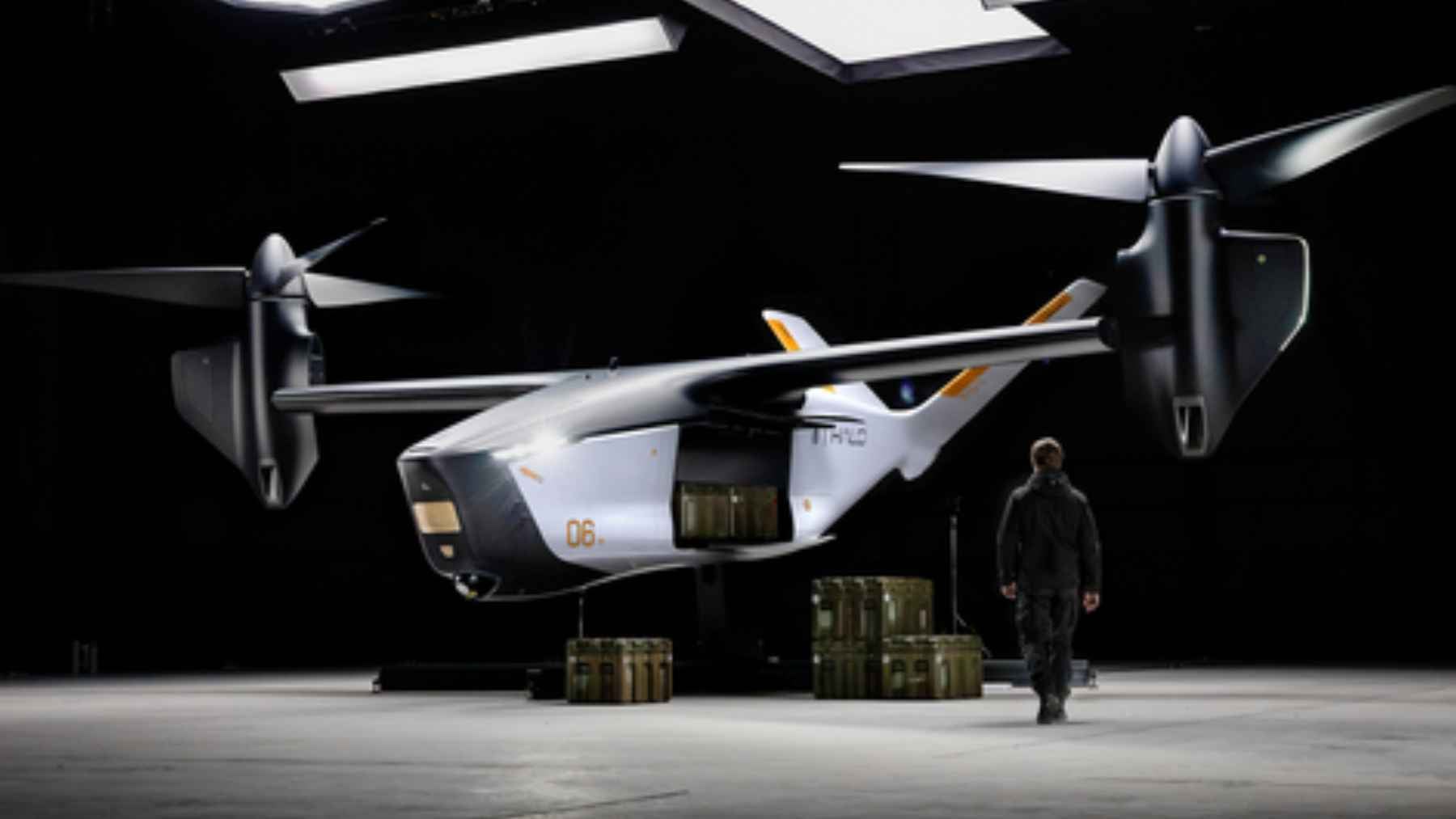
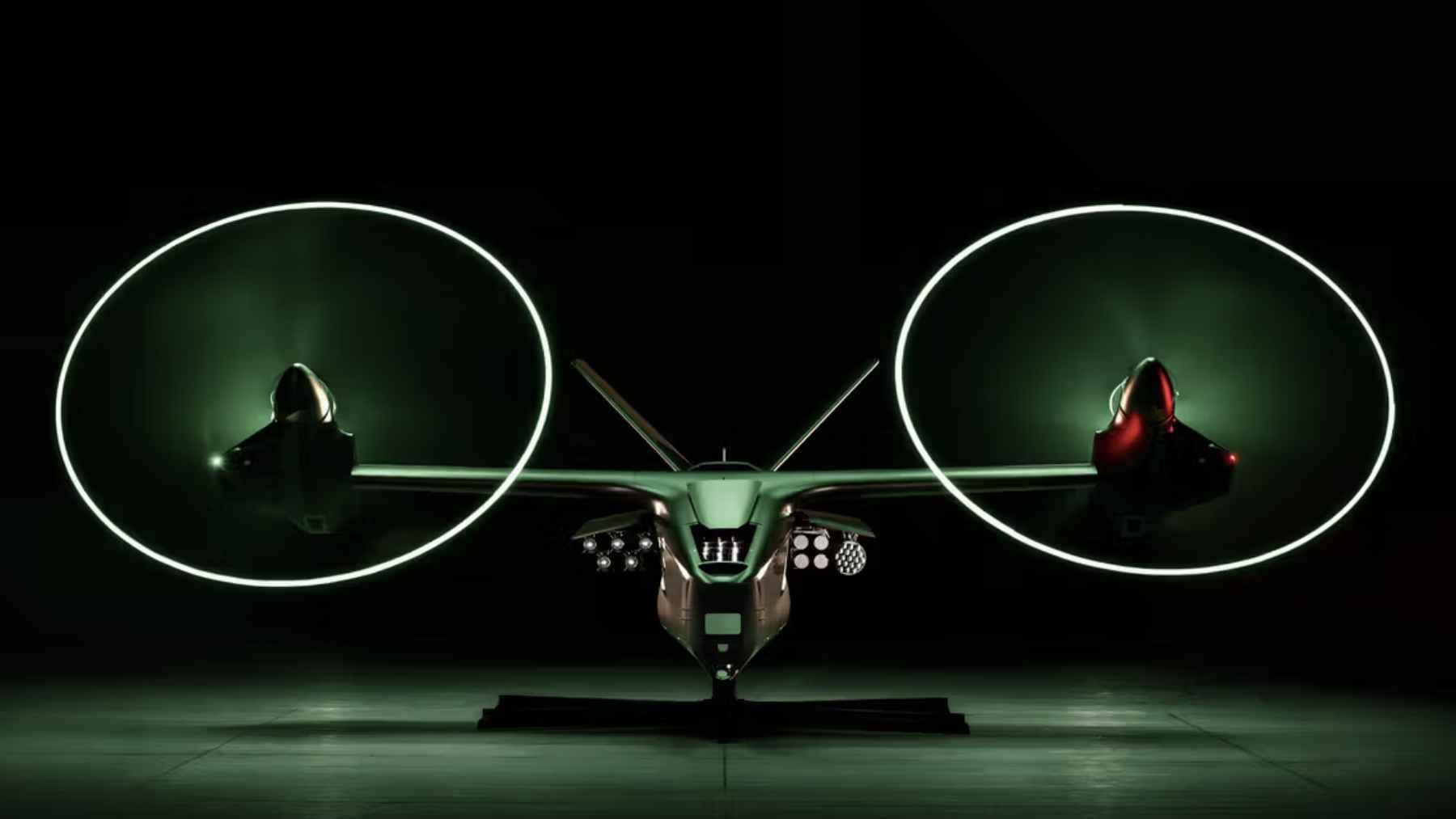
Simply put, money is moving toward machines that can scout, target, jam, strike, and feed data into digital networks. Project NYX alone is expected to receive about $295 million to build armed autonomous drones that can operate alongside Apache attack helicopters, with up to 24 planned by 2030.
The plan also puts new funding behind Project CORVUS, a long-range surveillance and reconnaissance effort meant to replace older uncrewed systems.
The climate question
Is replacing helicopters with drones automatically a climate win? Not necessarily. A small drone may burn far less fuel than a crewed aircraft during a mission, but the real answer depends on the full chain of manufacturing, batteries, sensors, maintenance, shipping, and battlefield losses.
Still, the fuel numbers show why this matters. The Ministry of Defence reported about 71.5 million gallons of aviation fuel use in the 2024 to 2025 financial year. That is not all Wildcat fuel, of course, but it shows the scale of the aviation footprint sitting behind military airpower.
At the end of the day, a drone-heavy force could reduce some fuel demand, especially for surveillance missions that do not need a crewed helicopter. Experts and defense planners still have to ask a less flashy question, though: what is the environmental cost when thousands of expendable systems become normal equipment?
The Navy gets a different story
The Wildcat story is not the same at sea. The Royal Navy’s Wildcat HMA2 remains a key maritime helicopter, and its role has grown with weapons such as Sea Venom, Martlet, and Sting Ray torpedoes. In 2025, the Royal Navy said Sea Venom had reached initial operating capability and that a Wildcat can carry up to four of the anti-ship missiles.
So the aircraft is not simply being “replaced by drones” across the board. The investment plan also points to a future hybrid fleet, where crewed ships, helicopters, and autonomous systems work together, with future autonomous replacement for Wildcat maritime helicopters listed for the 2030 to 2035 period.
What to watch now
The easy story is that drones are cheaper, greener, and safer, but the harder truth is more mixed. They can save pilots from dangerous missions and may reduce fuel use in some roles, but they also push militaries toward a faster cycle of electronics, batteries, rare materials, and disposable hardware.
That’s where the environmental side becomes serious. The Ministry of Defence has already said supply chain emissions are a significant part of its wider footprint, and it is working with suppliers on opportunities to cut them. That will matter even more as autonomous systems move from specialist tools to everyday military equipment.
For Britain, the Wildcat decision is a signal that the future force will be more digital, more robotic, and more data-hungry. Whether it is also cleaner will depend on what gets measured, what gets reused, and how honestly the full cost of “cheap” machines is counted.
The official statement was published on GOV.UK.