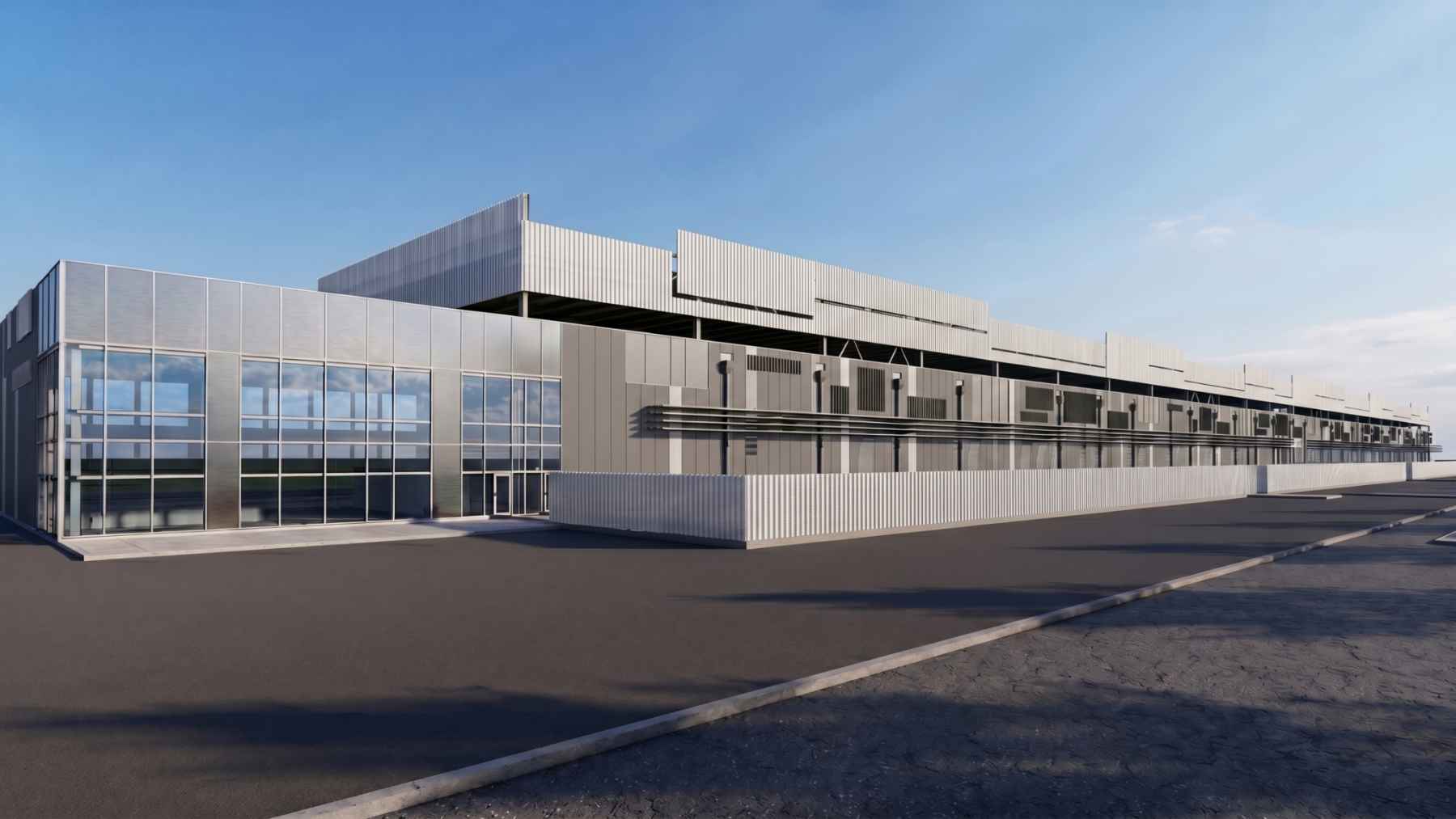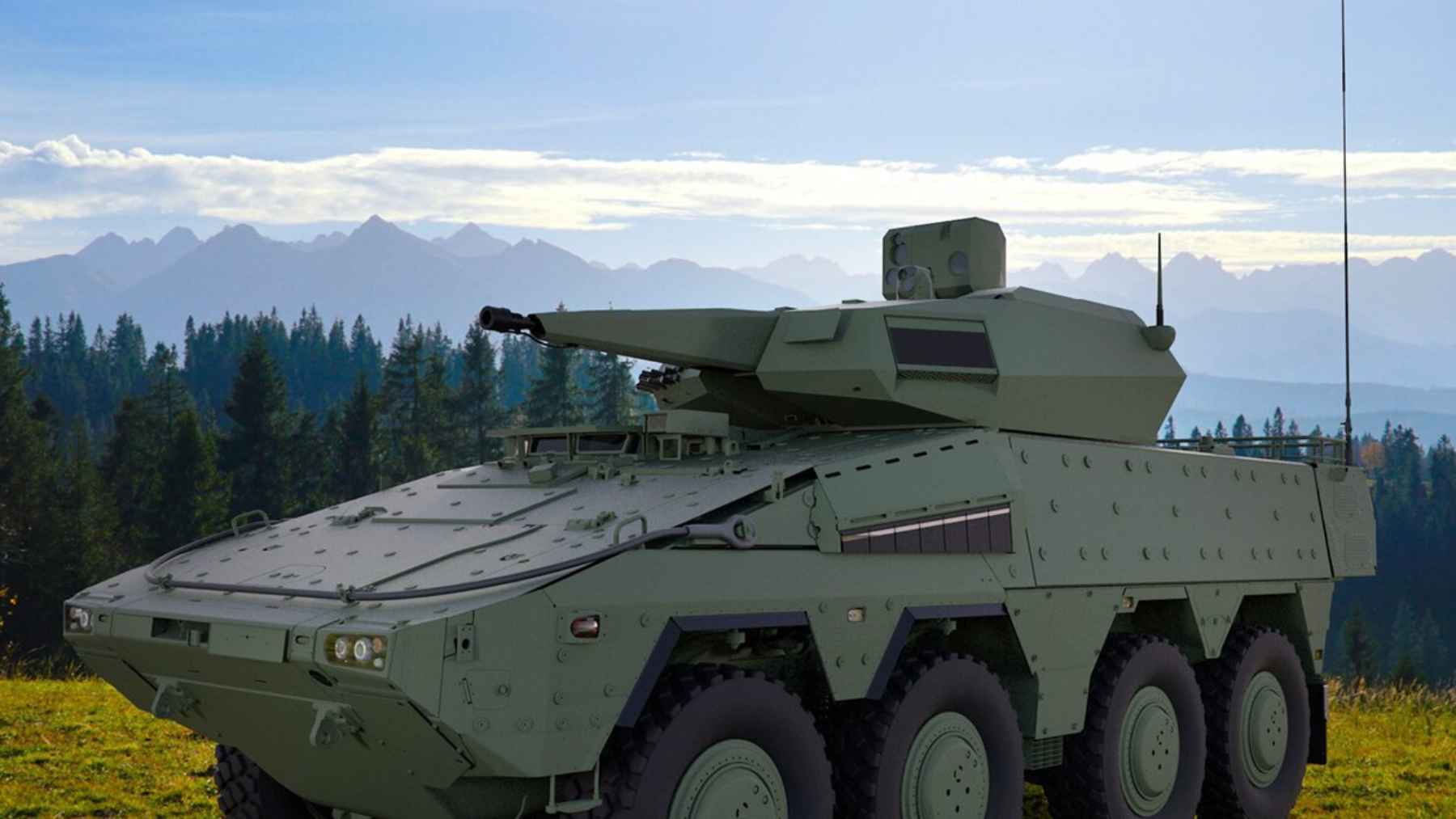
A defense factory in Zurich’s Oerlikon district is becoming a key workshop in Europe’s race to stop drones. Switzerland plans to commit about $992 million to a new short-range system from Rheinmetall Air Defence, designed to protect power plants, airfields, and army logistics centers from low-flying threats.
The industrial site may look old from the street, but the security problem it is solving is very current.
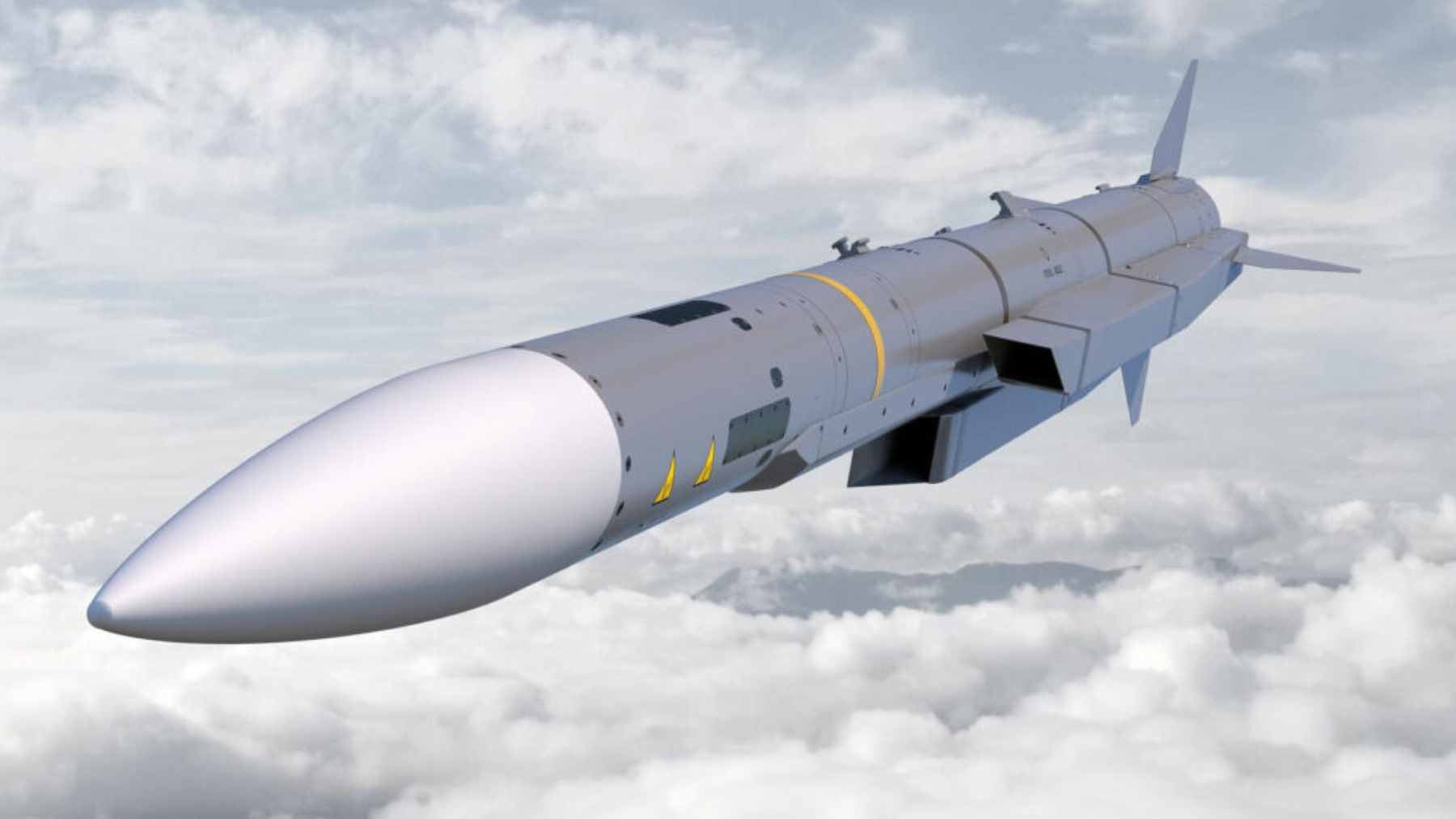
Here is the important part: the official Swiss plan shows a semi-mobile, 35 mm gun mounted on protected trucks and identifies the pictured system as Oerlikon Skynex, while Austria has ordered 36 Skyranger 30 turrets for armored Pandur EVO vehicles. They share technology and a Zurich manufacturing base, but they are not interchangeable names.
A nearly $1 billion gap
Switzerland’s existing short-range layer relies on Stinger missiles and older 35 mm guns. Both are expected to reach the end of service in the early 2030s, and Bern says they are only partly suited to defeating drones or protecting fixed locations. The replacement is scheduled to enter service from 2028.
Switzerland’s upper house approved the broader $4.2 billion military package in June, but parliamentary work is not finished. Some local reporting puts the planned order at 32 systems, while the public armament program does not state a unit count. That is worth keeping in mind before treating the proposal as a signed fleet contract.
The budget buys a network
Would dividing $992 million by 32 reveal the cost of each gun? No. The federal credit also includes expected inflation, risk allowances, tax, fire-control equipment, and systems that build a shared picture of the low-altitude airspace.
In practical terms, the less visible parts may decide whether the purchase works. A cannon can fire quickly, but it still needs an accurate track, a clear identification, and a command decision before a small object crosses the defended zone. The network is the product.
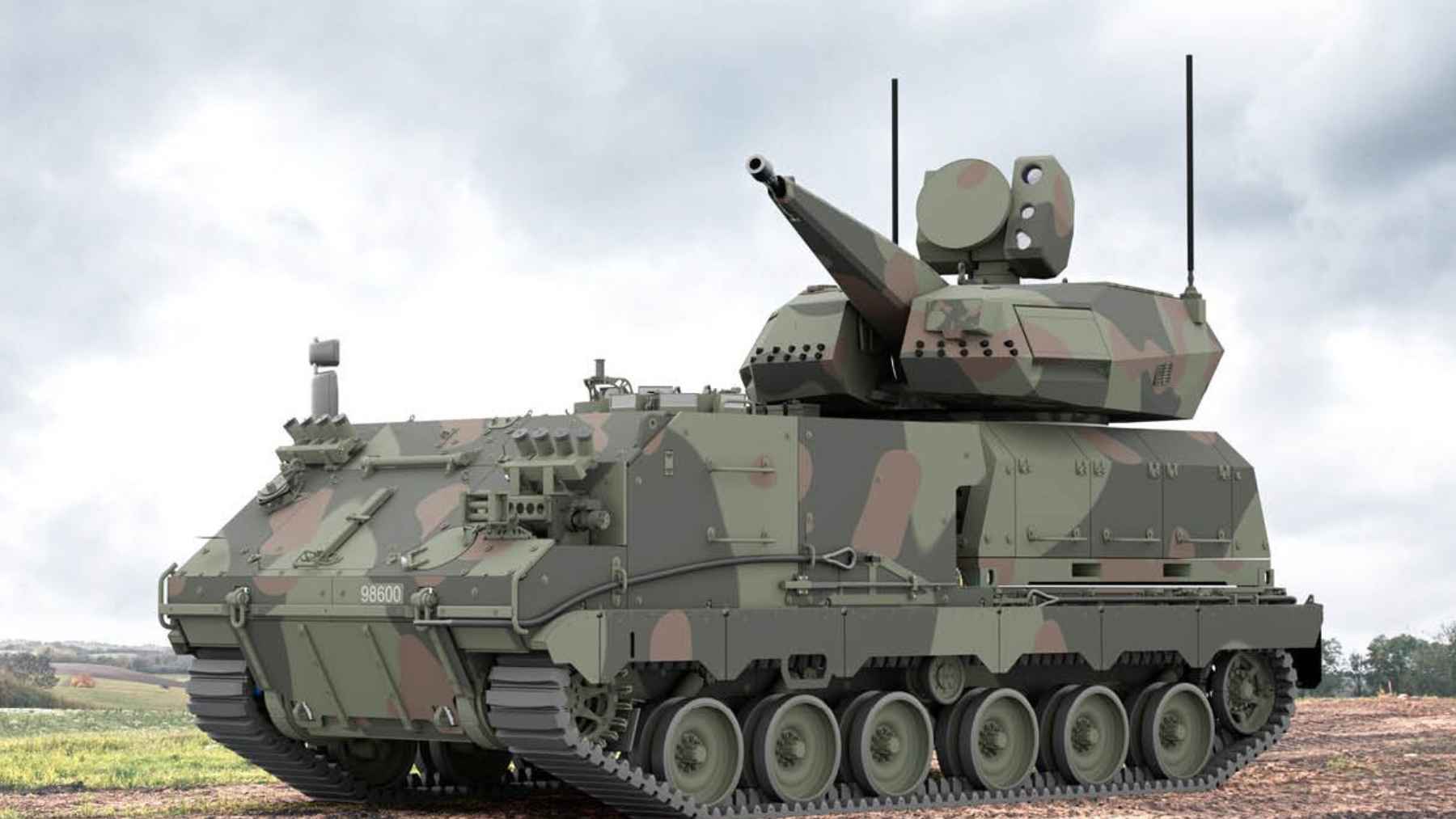
Skynex and Skyranger
Austria’s Skyranger 30 is designed to move with armored formations. It combines a 30 mm cannon, 360° sensors, and Mistral missiles in a turret fitted to the six-wheel Pandur EVO, and Rheinmetall’s contract covers 36 systems with delivery beginning in 2026. Its cannon reaches about two miles.
Switzerland chose protected trucks after considering armored vehicles and a mixed fleet. Its planned system is semi-mobile and aimed at guarding high-value sites, so the mission is closer to point defense than front-line escort. Same family, different job.
A cloud in the drone’s path
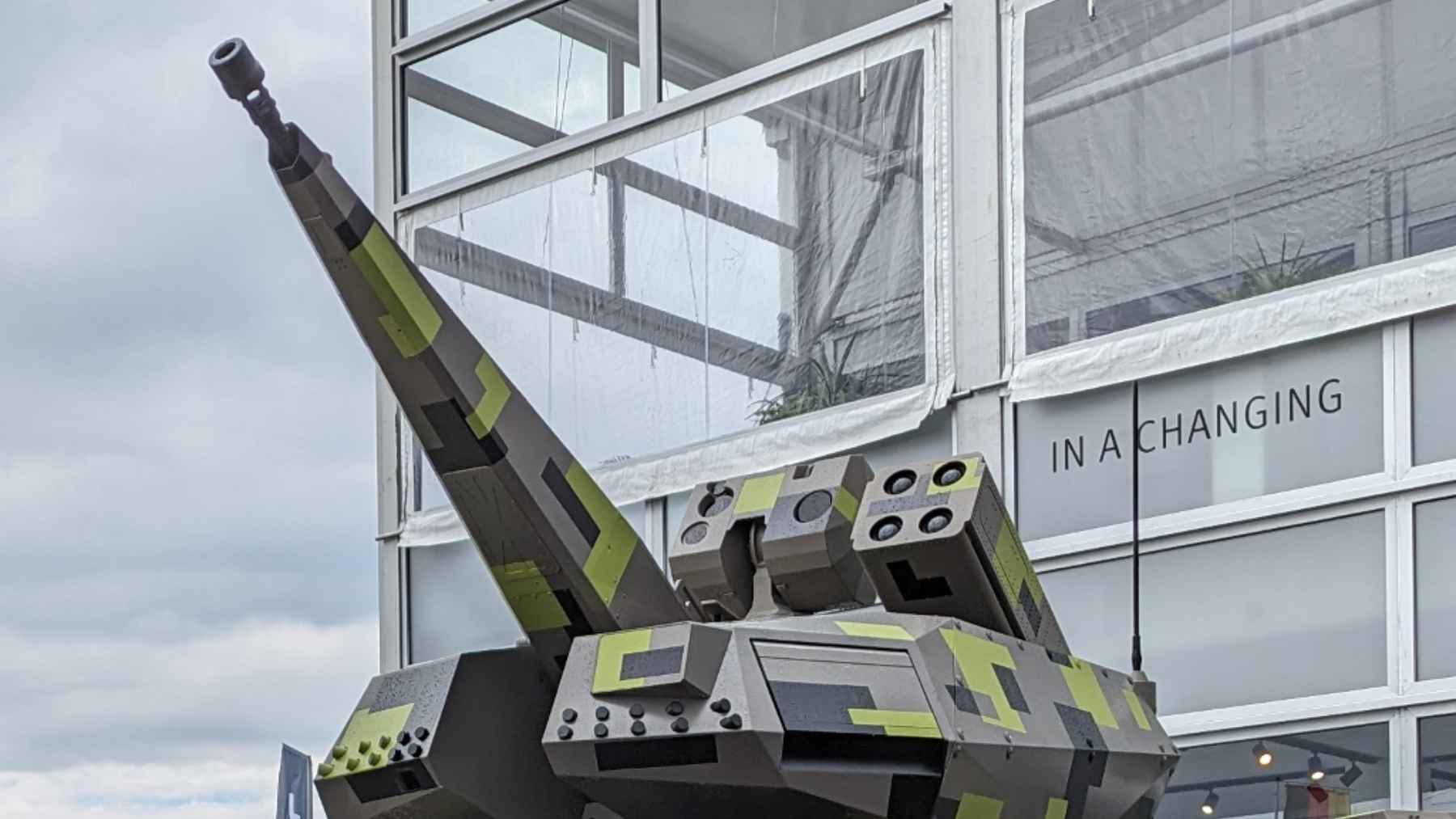
How does a cannon hit something as small and restless as a drone? The fire-control unit measures the round’s speed as it leaves the muzzle, then programs an electronic fuze to release tungsten subprojectiles just in front of the target. The drone flies into a carefully timed cloud rather than waiting for a direct hit.
One standard AHEAD round for the 35 mm cannon carries 152 tungsten subprojectiles, while a version optimized for small and agile aircraft carries more than 600. Rheinmetall lists an ammunition range of up to almost three miles, although real engagement distance depends on the gun, target, and conditions. Precision is the point.
One layer is not enough
Switzerland’s own shopping list shows the limits of any single gun system. Bern is separately seeking about $87 million for movable mini-drone defenses that can combine sensors, jammers, software, interceptors, and possibly lasers, while longer-range missiles cover larger threats. Think locks, alarms, and cameras rather than one oversized door.
That layered design points to the harder task: deciding what an object is and which response fits. The official mini-drone project emphasizes sensor fusion, identification, and threat prioritization, not just firing. In other words, the software must keep pace with the gun.
Oerlikon scales up
Demand is pushing the business out of boutique production. Rheinmetall says annual Skyranger turret capacity will rise from roughly 70 to 100 units today to as many as 400, while local reporting says the Oerlikon operation is recruiting up to 50 workers a month. For a factory in an expensive urban district, that is a striking reversal.
The order book reaches well beyond Switzerland and Austria. Germany has ordered 19 Skyranger 30 vehicles, the Netherlands placed a major order in 2025, and Romania selected Skyranger 35 in a wider package. “First come, first served” is how local reporting summarized the queue, which means domestic production does not automatically guarantee Switzerland an early slot.
The hidden materials bill
Local assembly does not make the whole supply chain local. AHEAD ammunition depends on tungsten, and the European Union lists that metal as both critical and strategic because it combines high economic importance with supply risk. The material sits at the intersection of defense, industrial policy, and environmental responsibility.
Local reporting quoted CEO Oliver Dürr saying ammunition has become more expensive as tungsten prices rose, even as larger production runs reduced the system’s cost. EU rules also require covered importers to check tungsten sourcing when conflict or forced-labor risks are present.
A gun made in Oerlikon can still depend on mines, refiners, and traders far beyond Switzerland.
What Switzerland should watch
The next test is not whether the cannon can destroy a demonstration drone. It is whether Switzerland can approve the package, secure delivery slots, integrate sensors, train crews, and hold enough ammunition without letting costs outrun the plan. Those are ordinary procurement questions, but in air defense they become urgent very quickly.
At the end of the day, Oerlikon’s advantage is not one famous turret but a full chain of engineering, software, ammunition, and production capacity. Switzerland’s proposal could close a serious low-altitude gap, but only as part of a layered system and only after Parliament funds it.
The official press release was published on the Swiss Federal Administration.