A drone does not have to explode to stop being useful. U.S. defense technology company NUBURU says a controlled trial in Italy completely suppressed the electro-optical sensors on two drone platforms, preventing visual target acquisition through intense laser light. The reported effect was sensor denial rather than a hard-kill strike.
That could change how troops protect vehicles, bases, ships, and people from small unmanned aircraft.
A laser dazzler may offer a fast, reusable layer between radio jamming and expensive interceptors, while potentially avoiding some explosive debris. This was an indoor test, not proof of battlefield readiness, and NUBURU says more safety work, qualification, and real-world validation are still required.
How the laser took away drone vision
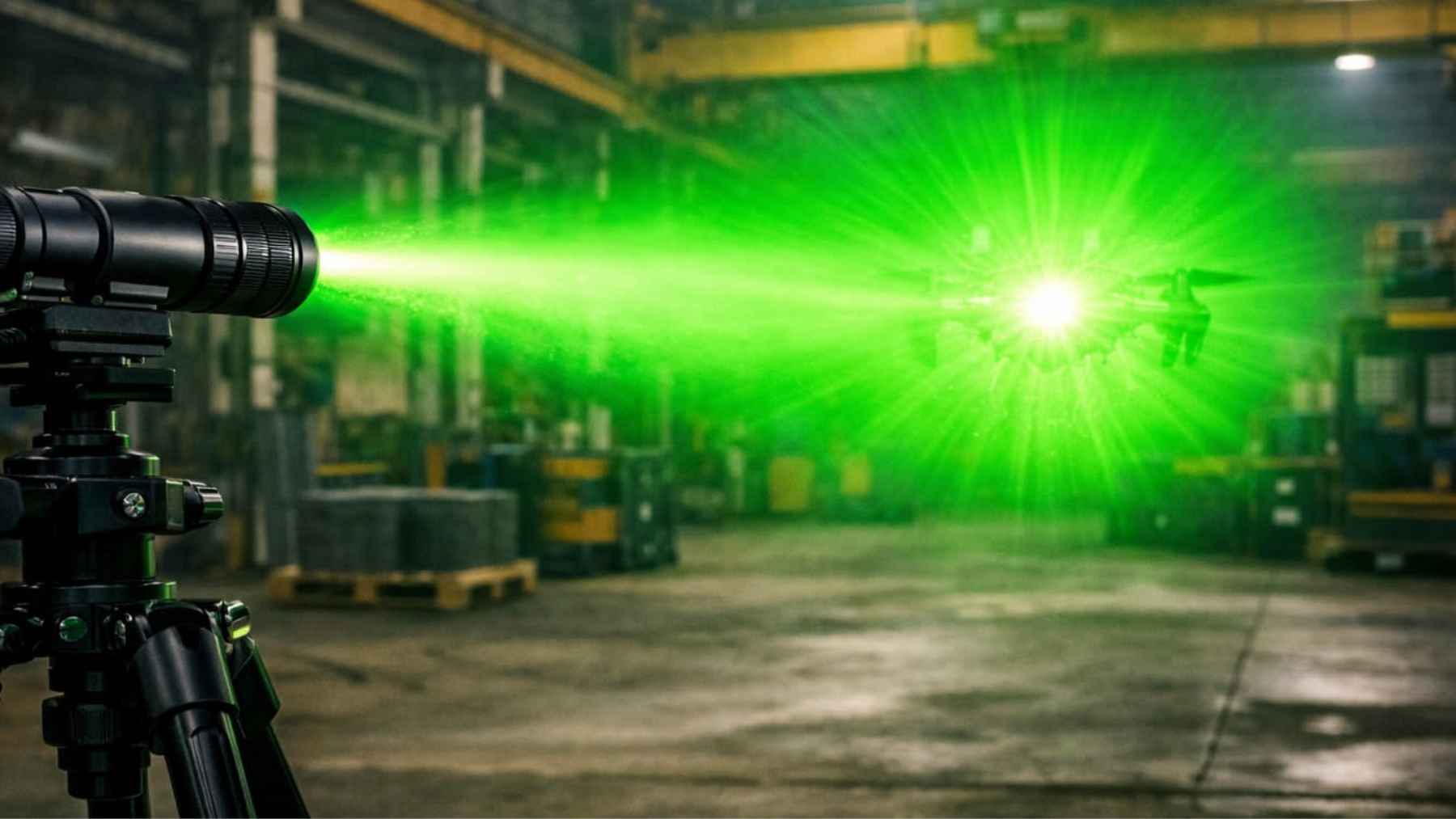
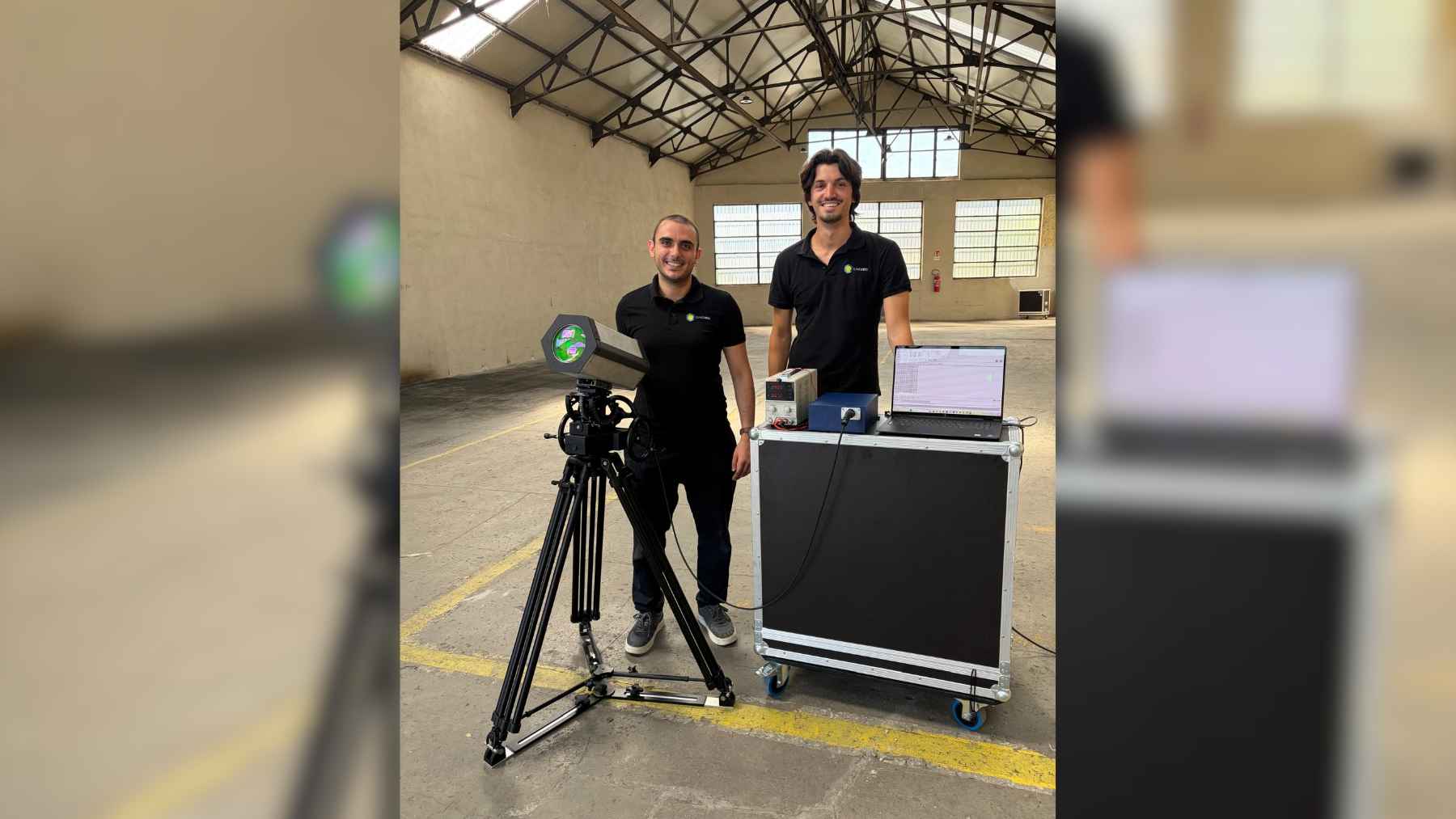
During the tests, NUBURU aimed the system at drone cameras and overwhelmed their optical input until the sensors could no longer scan reliably.
Think of walking from a dark room into harsh sunlight, except the glare is deliberately directed at the machine’s electronic eye. The company called the result “complete suppression” of the electro-optical sensors in the tested configurations.
Engineers used both continuous-wave and pulsed operation on two different UAV platforms. Most trials stayed within applicable optical safety limits, while additional comparisons reached as much as five times the regulatory exposure limit only to measure system behavior. The company reported a consistent dazzling effect across all configurations.
The 66-foot test
The clearest tactical demonstration came when a drone was told to find and track a designated operator. After laser activation, the operator moved to within 66 ft. without being detected. For someone crossing an exposed road or trying to reach cover, those seconds could matter.
Still, the result needs careful reading. The laser denied one class of sensor, but it did not show that every part of the drone had been disabled, nor that the aircraft could not rely on another guidance method. In action, this is a way to break the drone’s visual link to its target, not a universal off switch.
Range remains a question
Tests inside Tekne reached 328 ft., which was the physical limit of the building. NUBURU says beam-propagation data could support models for engagements beginning around 0.6 miles and extending farther. That longer reach has not yet been demonstrated outdoors in the announcement.
Why does that distinction matter? Dust, fog, rain, turbulence, and heat can change what happens to a laser beam between the emitter and a distant target. The U.S. Government Accountability Office has warned that atmospheric conditions and cooling requirements can limit directed-energy systems, so a clean indoor hall is only the first rung on the ladder.
Why militaries are interested
The economics are easy to understand. Launching a costly interceptor at a cheap drone can be a poor trade, while directed-energy systems use electrical power instead of expending a missile or round on each shot. The Government Accountability Office says that can lower the cost per shot, though power generation, cooling, maintenance, and trained operators still carry real costs.
The environmental footprint could also be smaller in some successful engagements because there is no explosive interceptor or spent ammunition. That is a reasonable potential benefit, not a result NUBURU measured, and a dazzled drone may still need to be recovered or neutralized by another system. At the end of the day, the laser works best as one tool in a layered defense.
A market growing around drone defense
By estimates cited by NUBURU, the laser-system segment of the anti-drone market could rise from about $1.46 billion in 2024 to $12.77 billion by 2033. That would amount to roughly 27% compound annual growth, although market definitions vary and the company stresses that the figures are not revenue guidance or contracted demand.
NUBURU positions the dazzler as a complement to radio-frequency jamming, protocol takeover, high-power microwave systems, kinetic interceptors, and more powerful lasers designed to damage aircraft. That distinction matters–a sensor-denial laser may be less destructive, but it also has a narrower job.
What comes next
The next-generation design is expected to combine green, blue, and infrared laser sources in one unit for day and night use. NUBURU and Tekne are studying portable, fixed-site, tower-mounted, maritime, and vehicle-mounted packages, along with power, thermal management, safety controls, and target-tracking software.
Dario Barisoni, NUBURU’s co-CEO and head of NUBURU Defense, said, “Technically, the campaign confirmed sensor saturation and visual-acquisition denial across multiple UAV configurations under controlled conditions.”
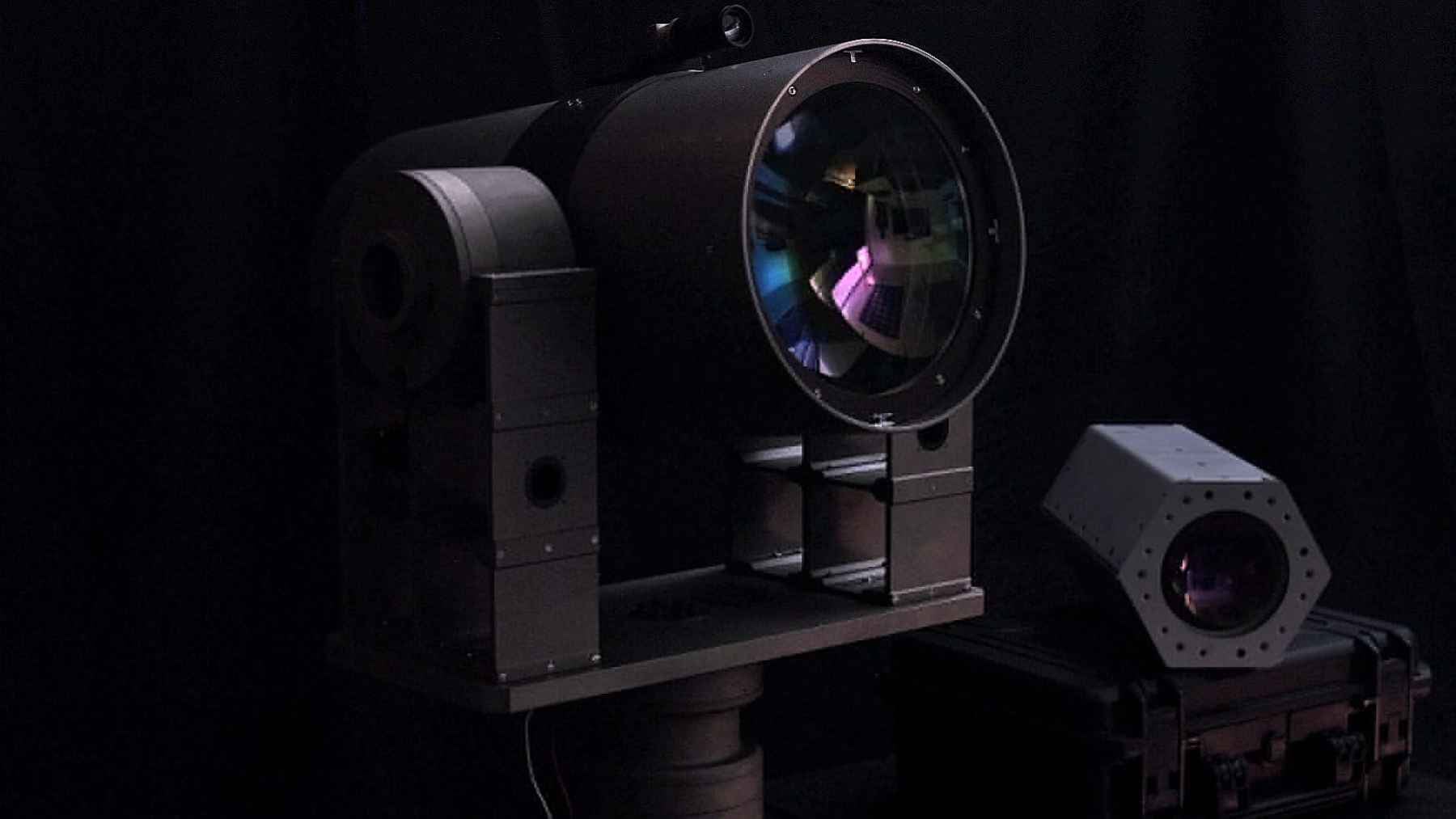
He added that the next phase will focus on configuration optimization, safety review, range modeling, platform integration, and repeatable qualification. The wording is cautious for a reason.
The business deal is not finished
The test was conducted with Tekne, an Italian defense and special-vehicle company that NUBURU plans to bring under majority control. A binding agreement sets a path for NUBURU to acquire 70%, but the transaction remains subject to Italy’s Golden Power review and other closing conditions. NUBURU has explicitly said it does not yet own that stake.
On July 17, NUBURU said it had closed a $38 million public offering intended partly to advance the proposed Tekne acquisition and support the regulatory process. Financing does not equal approval, however, and the company said the Golden Power review was continuing.
A promising layer, not a finished shield
The trial suggests a small drone’s visual acquisition can be defeated without using a hard-kill interceptor. That could buy troops time, stretch defensive resources, and reduce reliance on explosive responses in some situations. It is a meaningful result, but only within the controlled conditions reported.
Outdoor range trials, bad-weather testing, safety certification, platform qualification, and customer acceptance will decide whether the technology becomes a practical battlefield tool. Until then, the laser dazzler is best viewed as a promising additional layer, not a replacement for the rest of air defense.
The press release was published on NUBURU Investor Relations.