China has moved a new kind of AI infrastructure into a place most people would never expect: the cold water off Shanghai’s coast. The offshore wind-powered underwater data center in Lin-gang Special Area is designed to run high-demand AI workloads while easing pressure on electricity, freshwater and land at the same time.
That matters because AI is turning data centers into one of the fastest-growing loads on the power grid. The International Energy Agency says data centers used about 415 terawatt-hours of electricity in 2024 and could more than double to around 945 terawatt-hours by 2030, with AI as the most important driver.
A data center below the waves
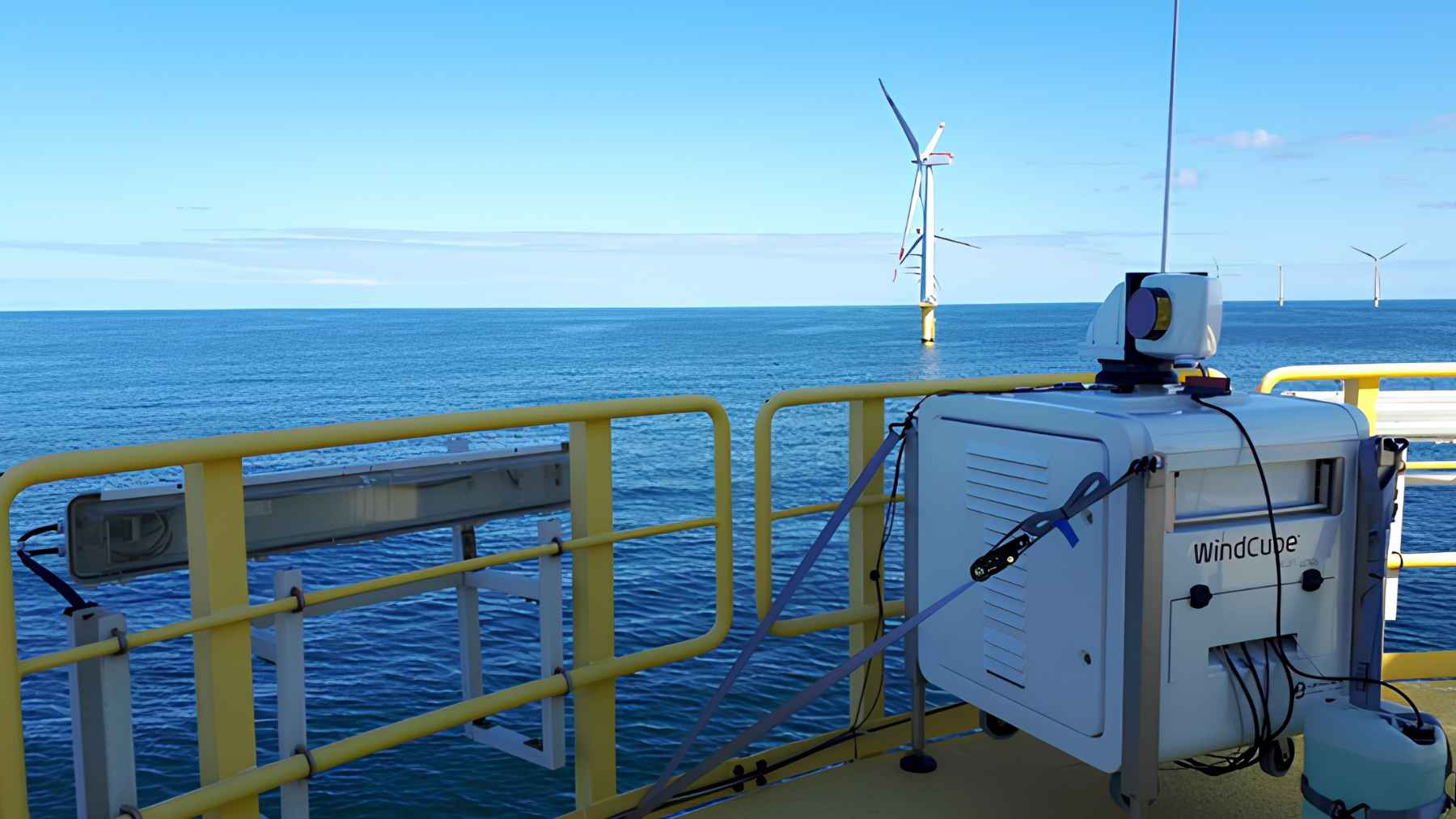
The project sits near the Lin-gang offshore wind farm and places computing modules next to turbines instead of crowding more hardware onto city land. Lin-gang officials describe it as a ¥1.6 billion project, roughly $228 million, with a planned capacity of 24 megawatts.
In practical terms, this is not just a science experiment in a tank. The site is meant to host GPU servers for big data annotation, AI model development and other intensive computing tasks, with China Telecom clusters already connected, according to Lin-gang.
Why the ocean matters
The simple idea is cooling. Data centers generate a lot of heat, and in ordinary facilities a large share of power can go into keeping servers from cooking themselves, a problem anyone with a hot laptop on a summer afternoon can understand.
Here, seawater does part of the work. Lin-gang says the modules use natural cooling from the sea and power drawn directly from the wind farm, a combination that gives the facility a stable power usage effectiveness of around 1.15.
Less water, less land
The environmental pitch is unusually direct. By the project developers’ estimates, the system cuts electricity consumption by 22.8%, eliminates water use and reduces land demand by more than 90% compared with traditional land-based data centers.
That land figure matters in crowded coastal cities. A conventional data center campus needs buildings, cooling equipment, power infrastructure and security space, while an underwater design shifts much of that footprint offshore. Tiny on the skyline, huge under the surface.
The hard part starts after launch
Still, the sea is not a free air conditioner. Salt water corrodes metal, pressure stresses seals and repairs become harder when a server rack is locked inside an underwater module instead of sitting behind a data center door.
That is why this project is also an engineering test. CityNewsService reported that crews had to manage strong winds, heavy waves and high sediment levels in Lingang waters, while the data cabin was lowered into seabed piles with tight installation tolerances.
A bigger race for cleaner AI
China is not the first country to test servers underwater. Microsoft’s Project Natick ran an underwater data center off Scotland’s Orkney Islands for two years, and the company later said the concept looked feasible and that the underwater servers were eight times more reliable than those in a replica data center on land.
The difference is scale and purpose. Microsoft’s effort was a research project, while the Shanghai site is being positioned as working infrastructure for AI and local offshore wind consumption. That makes it a possible compass for cities trying to grow computing power without adding even more strain to the electric bill.
What to keep in mind
This kind of project will not make AI carbon-free by itself. It still depends on manufacturing, maintenance, undersea cabling, backup systems and the real mix of electricity used over time, and experts will want long-term data before calling it a clean breakthrough.
The direction is important, though. As AI demand rises, the industry is being forced to think beyond bigger warehouses, more chillers and more water use. For the most part, China’s underwater data center shows that the next phase of cloud infrastructure may be built wherever energy, cooling and space can line up.
The official statement was published on Lin-gang Special Area.