Guangzhou has become the latest proving ground for a question that could shape the next decade of city life. Can a taxi with no driver help cut pollution, traffic noise, and wasted fuel, or will it simply put more cars on already crowded streets?
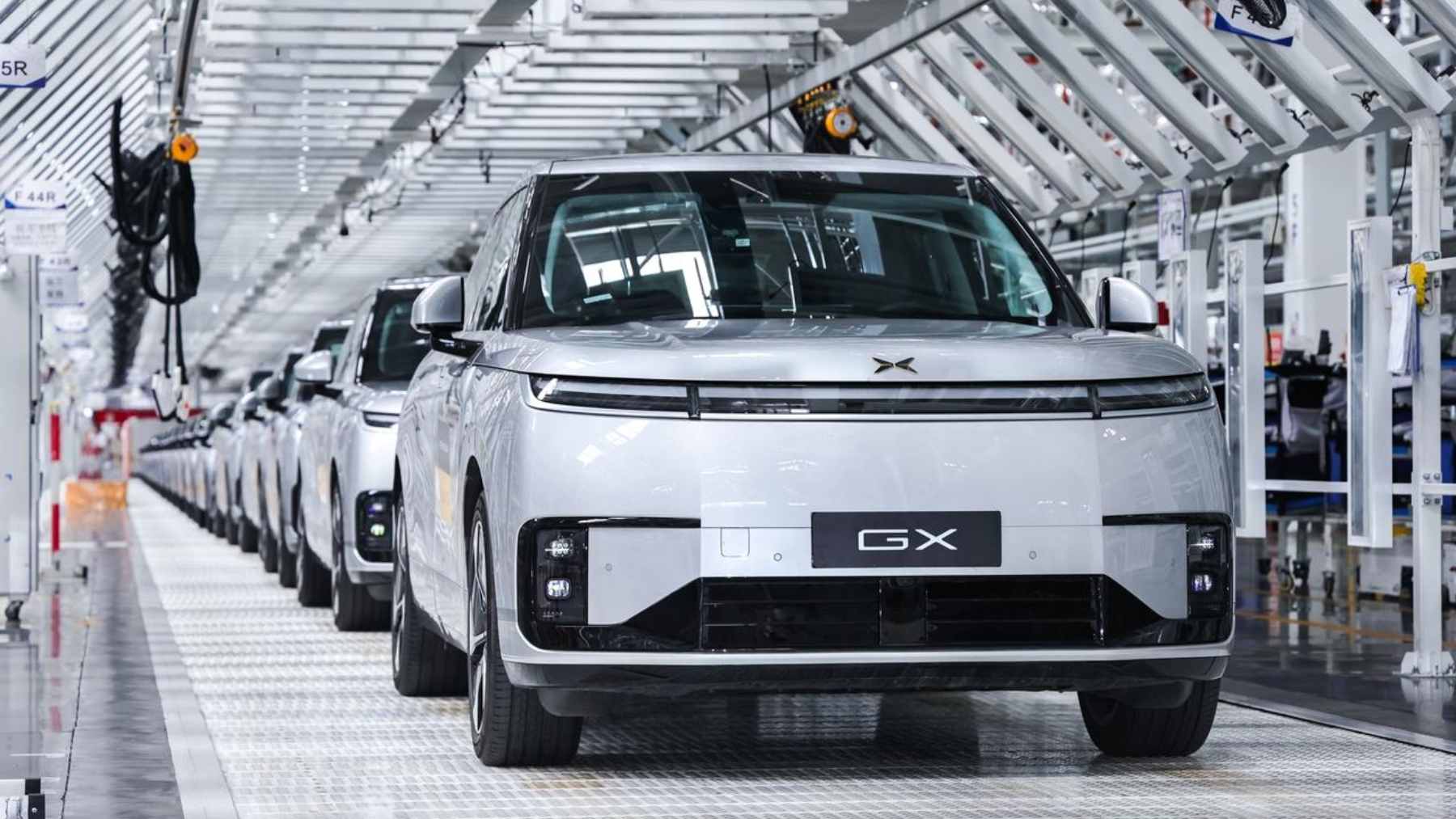
XPENG says its first mass-produced robotaxi has rolled off the production line in China, marking a new step for autonomous electric mobility. Built on the company’s GX platform, the vehicle is designed for Level 4 robotaxi use, with pilot operations planned for the second half of 2026 and fully autonomous service without an on-site safety officer targeted for early 2027.
A robotaxi built for scale
This is not just another self-driving demo car circling a closed test track. XPENG is presenting the vehicle as a production-ready robotaxi developed with its own chips, software, and vehicle platform.
That matters because the robotaxi race is moving from flashy prototypes to factories, city permits, and business models. That means the car has to survive potholes, heat, traffic jams, impatient scooters, and all the messy little decisions that make city driving such an adventure.
XPENG says the robotaxi secured a Guangzhou road testing permit in January and entered routine Level 4 public road testing before this rollout. The company also created a dedicated robotaxi business unit in March to handle product definition, research and development testing, and operations.
The cleaner transport question
Autonomous driving is not automatically green. A robotaxi becomes an environmental win only if it is electric, heavily used, efficiently routed, and able to replace gasoline trips rather than pulling people away from buses, bikes, or trains.
The stakes are real. The International Energy Agency says electric vehicles are a key technology for decarbonizing road transport, a sector that accounts for more than 15% of global energy-related emissions. Cars and vans alone produced 3.8 gigatons of CO2 in 2023.
For everyday riders, the promise is easier to picture. Less exhaust near the curb, quieter late-night pickups, and fewer stop-and-go engines in persistent summer heat. But there is a catch: if cheap robotaxi rides create more empty miles, the climate benefit can shrink fast.
Why XPENG’s tech stands out
XPENG’s biggest technical bet is its “pure vision” approach. The company says the robotaxi operates without LiDAR or high-definition maps, using cameras and its VLA 2.0 end-to-end model instead.
Under the hood, the system is powered by four self-developed Turing AI chips, delivering 3,000 TOPS of on-board computing power. XPENG also says its model cuts response latency to under 80 milliseconds, or less than a tenth of a second.
That may sound like a spec-sheet detail, but it is not. In city traffic, a fraction of a second can be the difference between smoothly yielding to a cyclist and slamming the brakes in a crosswalk. Trust starts there.
The business race is heating up
Robotaxis are no longer a side project for the auto industry. Grand View Research estimates the global robotaxi market at $0.61 billion in 2025 and projects it could reach $147.25 billion by 2033, though forecasts like that should always be treated as possibilities, not guarantees.
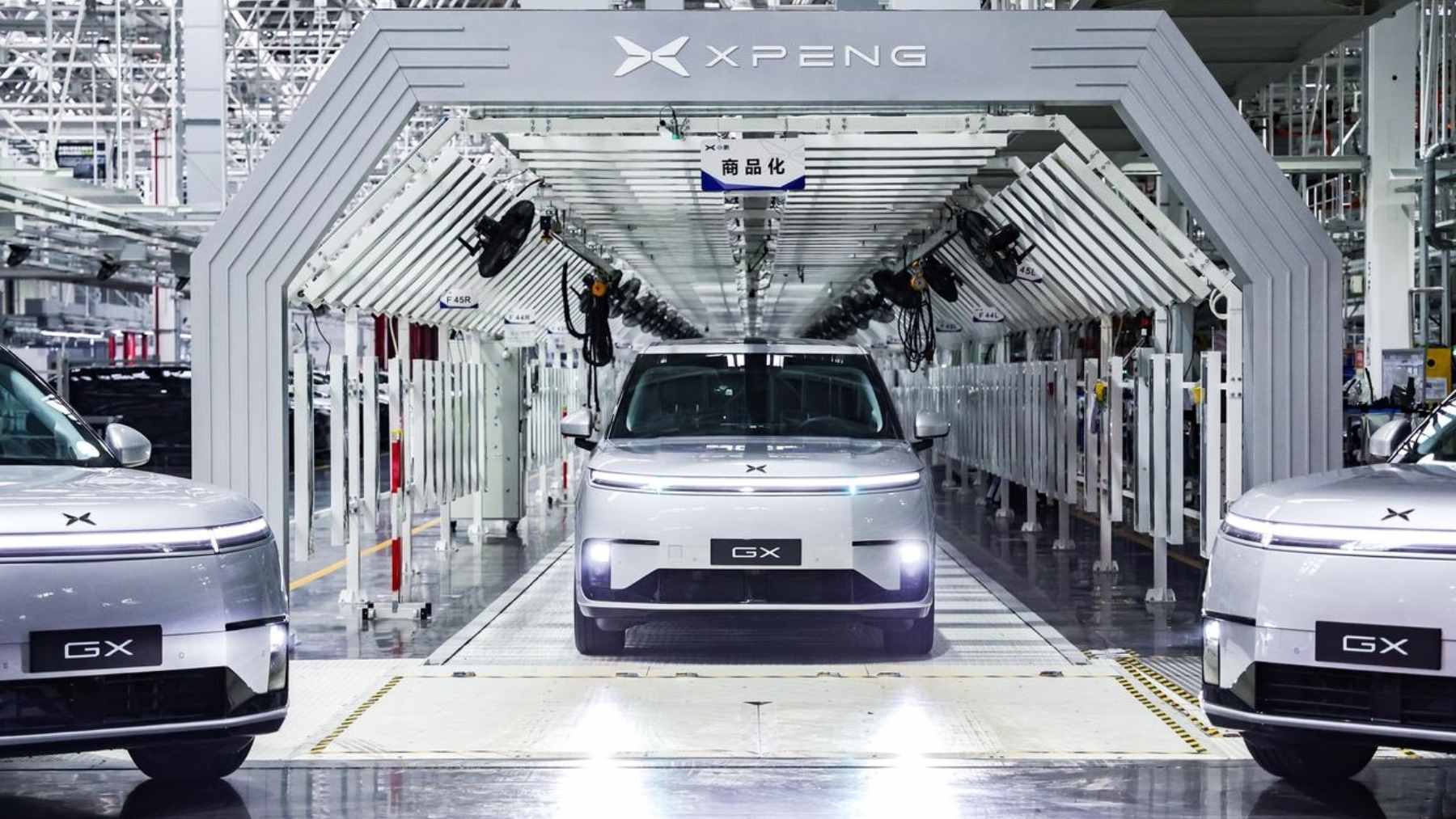
XPENG is entering a field already crowded with major players, including Waymo, Baidu Apollo Go, Pony.ai, and Tesla. Reuters reported that XPENG President Brian Gu expects the company to produce several hundred to a few thousand robotaxis over the next 12 to 18 months.
That is still small compared with the scale of a national taxi market, but it is large enough to test the harder questions. Can the cars run safely every day? Can passengers accept them? Can cities control their impact on congestion?
Regulation is still the bottleneck
Level 4 does not mean a car can drive anywhere, anytime, and in every condition. It means the system can handle the driving task within a defined operating area and set of conditions.
That is why local approvals, insurance rules, emergency response plans, and safety reporting will matter just as much as computing power. No family cares about 3,000 TOPS when they are crossing a busy street with groceries in hand.
For the most part, XPENG’s roadmap depends on city-by-city permission. The company wants pilot robotaxi operations in the second half of 2026, then fully autonomous service without an on-site safety officer by early 2027.
What happens next
The robotaxi may look like a technology story, but at the end of the day, it is also an urban environmental story. Cleaner rides, fewer tailpipe emissions, and quieter streets are possible, but only if autonomous fleets are managed carefully.
XPENG has made the first move from production line to public road ambition. Now comes the harder part: real passengers, real traffic, real safety data, and real proof that a robotaxi can make city life cleaner instead of just more automated.
The press release was published on XPENG.