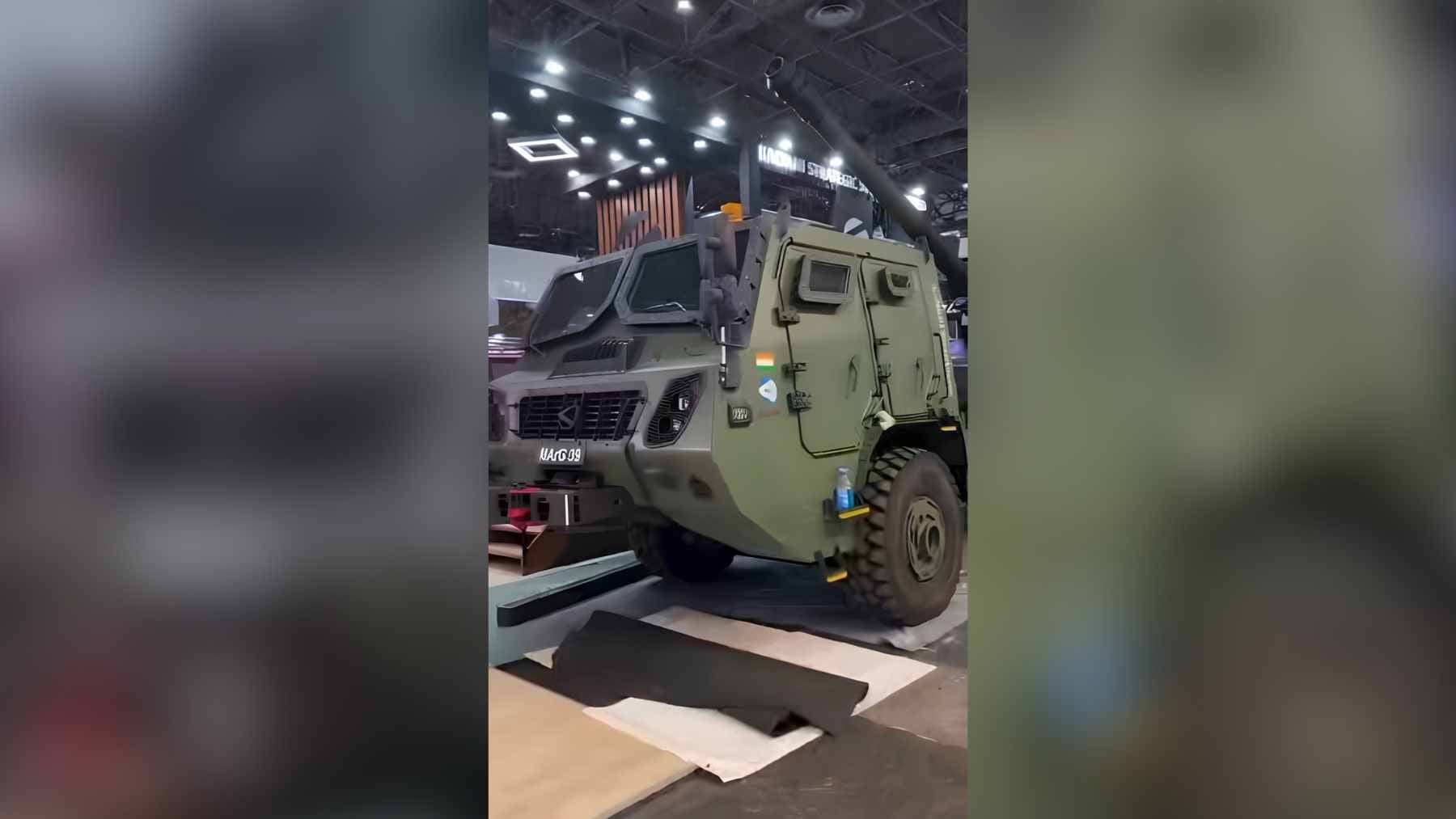
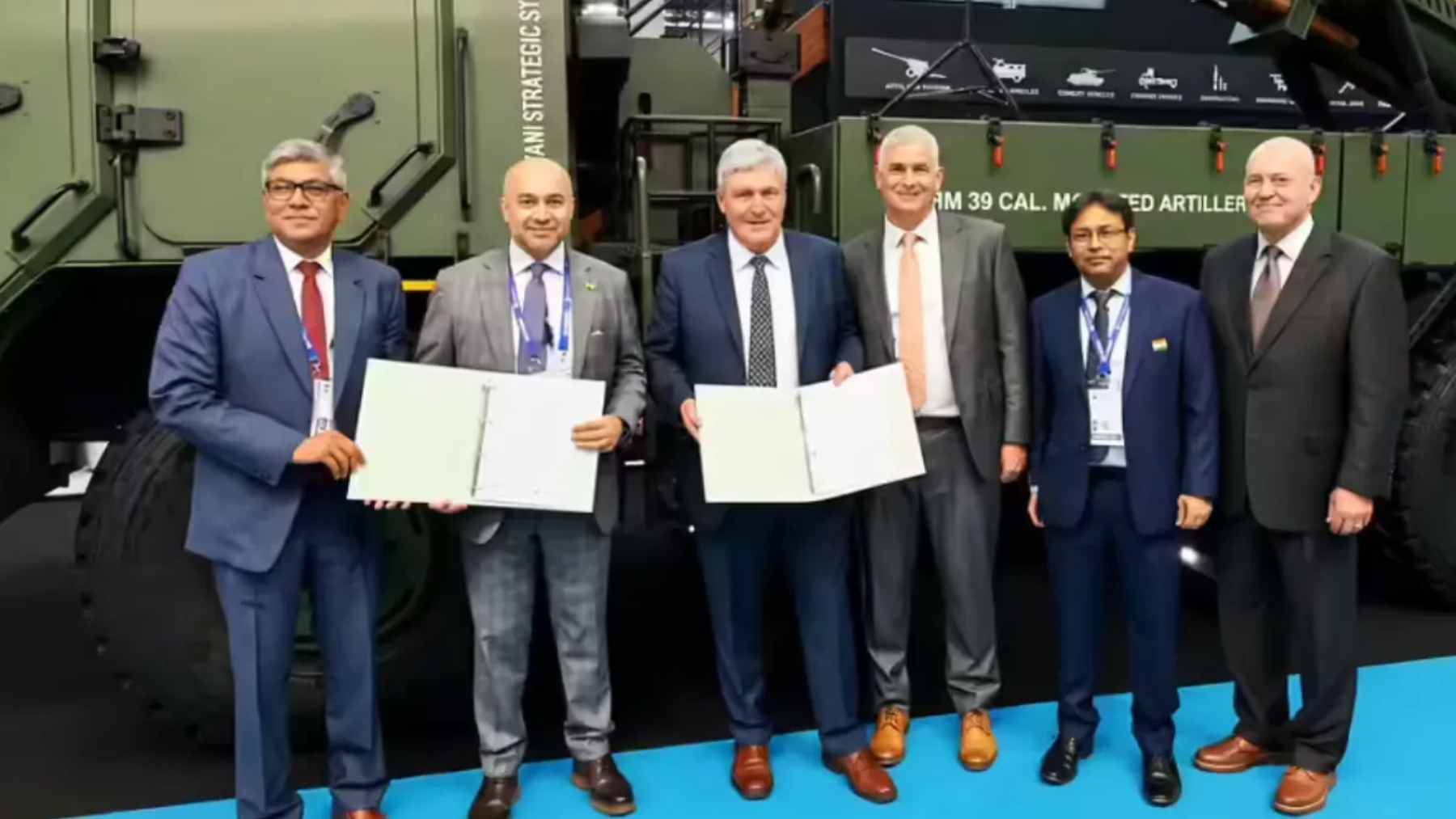
Europe’s rush to rebuild its defense supply chains has opened a surprising new door for Indian manufacturing. Bharat Forge Kilsta AB and NAMMO Sweden AB have signed a Letter of Intent to work together on large-caliber defense sub-systems, a move announced after meetings at Eurosatory 2026 in Paris.
The headline sounds like pure military news, but there is another story underneath it. Heavy forging, artillery components, steel, energy use, robotics and supply-chain security are all colliding at once. And as Europe re-arms, one question is hard to avoid: can the continent build faster without making its industrial footprint harder to defend?
A shift in Europe’s arsenal
For years, Nordic militaries have mostly looked within Europe and across the Atlantic for advanced weapon systems and key components. This agreement points to a wider map. An Indian-owned company operating in Sweden is now being positioned as part of the supply chain for Europe’s next phase of defense readiness.
The official language is careful. Bharat Forge Europe says the Letter of Intent covers collaboration on the supply of large-caliber defense sub-systems, while Bharat Forge Kilsta says it will expand manufacturing capabilities and production capacity in Sweden. No public price tag, delivery schedule or order volume has been released.
Why Sweden is looking east
The timing matters. Europe’s defense industry is under pressure after years of low inventories, slow procurement and the continuing need to support Ukraine. Nammo has previously said Nordic countries need stronger and more secure ammunition production, including stockpiles for armed forces across the region.
That includes the 6.1” artillery class, better known in military language as 155 mm, along with smaller calibers. In everyday terms, these are not flashy gadgets. They are the basic supplies armies burn through quickly when a war stops being theoretical and becomes a daily grind.
India and Sweden get closer
The defense deal also follows a bigger diplomatic shift. On May 17, 2026, India and Sweden elevated their relationship to a Strategic Partnership, built around security dialogue, economic cooperation, emerging technology and people, planet and resilience.
The two governments also set a goal to double bilateral trade and investment within five years, including through the “Make in India” and “Made with Sweden” initiatives. That makes the Bharat Forge and NAMMO move look less like a one-off business handshake and more like a sign of where the relationship is heading.
The factory story behind the headline
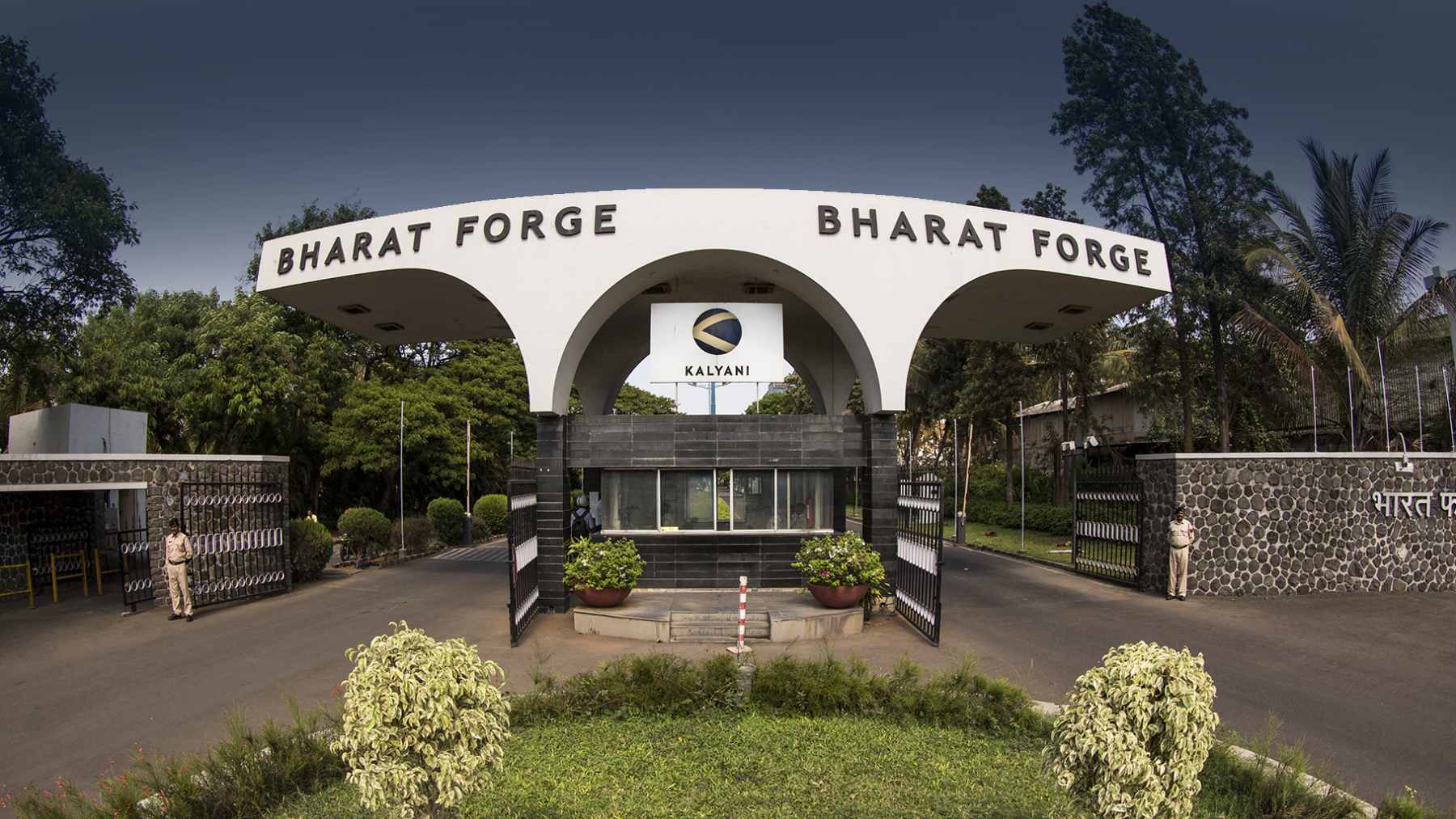
Bharat Forge Kilsta is not a newcomer dropped into Europe’s new war economy. Its forge in Karlskoga, Sweden, traces its industrial tradition back more than 300 years and works in heavy forging, heat treatment and machining. The company says it can produce parts weighing roughly 4.4 to 441 lbs.
For artillery, that matters. Barrels, breech systems and other large-caliber parts must survive extreme heat, pressure and shock over repeated use. In practical terms, this is where old-school metalworking meets modern precision, automation and quality control.
The green question
Here is the uncomfortable part. Defense manufacturing is still manufacturing, and heavy manufacturing has an environmental cost. The International Energy Agency says iron and steel account for about 8% of global final energy demand and 7% of energy-sector carbon dioxide emissions.
That does not mean every artillery part carries the same footprint. It does mean that any rapid expansion in forging, machining, heat treatment and ammunition supply chains should be watched closely. Europe cannot talk about green industry in one room and ignore defense industry in another.
Green defense is no longer optional
The European Defence Agency defines “Green Defence” as reducing the environmental impact of defense activities, including energy consumption, waste, critical raw materials and other resources. That is a big clue about where policy is going.
Bharat Forge says it has invested in renewable power solutions for forging facilities and automated forging lines, with the stated aim of leaving a smaller carbon footprint. Bharat Forge Kilsta also says it is working to minimize its environmental footprint through energy-efficient processes, responsible material sourcing and waste reduction.
ReArm Europe makes this bigger
The European Union’s ReArm Europe and Readiness 2030 plan aims to mobilize about $915 billion for defense spending, according to recent exchange rates. The package includes about $172 billion through the SAFE loan instrument and about $743 billion in possible fiscal space from higher national defense budgets.
That money is meant to help Europe produce faster, buy together and close major capability gaps. The same EU guidance also says simply spending more is not enough, however. Member states need to spend better, work together and build stronger European industrial capacity.
What to watch next
The first thing to watch is whether this Letter of Intent becomes a concrete production program. The second is which platforms the components will support, since artillery supply chains are often judged by reliability, speed and compatibility rather than headlines.
The third question is environmental transparency. If new production capacity is added in Sweden, companies and governments will face pressure to show how energy use, steel sourcing, waste and emissions are being handled. That may sound dull, but it isn’t.
For India, the agreement is another sign that its defense manufacturers are moving from domestic suppliers to global industrial partners. For Sweden and the Nordic region, it is a way to widen the supply base at a tense moment.
For the planet, it is a reminder that rearmament is not weightless. It has factories, furnaces and consequences.
The official statement was published on Bharat Forge Europe.