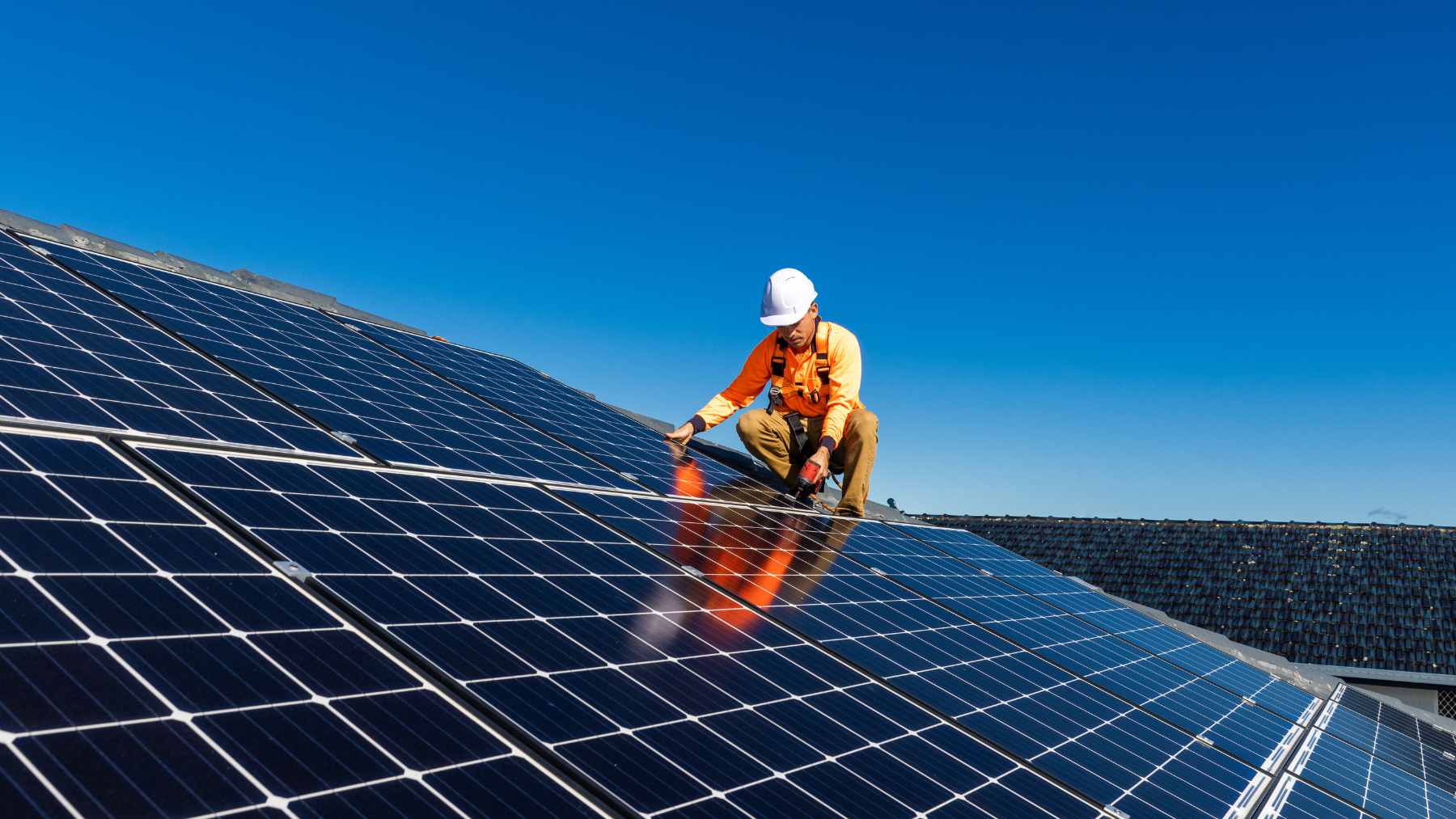
It sounds unlikely at first. Australia, a nation of 27.8 million people at the end of 2025, has turned ordinary rooftops into one of the most important energy stories on the planet.
The Australian Bureau of Statistics says the country now leads the world in per capita household solar, with more than 4 million homes, about one in three, equipped with solar panels.
This is not just a climate story, it is a technology story, a business story, and a very practical household story about power bills, air conditioners, batteries, and what happens when millions of families start producing electricity where they live. Australia did not build one giant solar machine. It built something stranger and, in some ways, more powerful.
The power plant on the roof
On paper, the numbers are striking. Clean Energy Regulator data current to May 31, 2026 shows roughly 4,437,000 small-scale solar PV systems registered across Australia, with about 29.7 GW of rated output. That is the kind of figure people used to associate with power companies, not neighborhood roofs.
In the grand scheme, a sunny afternoon can now look very different from the old electricity model. Instead of every home simply pulling power from big generators, many homes are pushing electricity back into the system while the dishwasher runs, laptops charge, and the air conditioner hums in the background.
That is the quiet revolution. No single ribbon-cutting ceremony explains it. Just millions of decisions made at kitchen tables, after bill shock, installer quotes, government incentives, and one obvious question: why let all that sun go to waste?
Why Australia moved first
Australia has a near-perfect mix of conditions. It has strong sunshine, high rooftop ownership in many suburbs, a culture of home upgrades, and electricity prices that made solar feel less like a luxury and more like common sense.
The economics changed quickly, too. The ABS says rooftop solar installation costs per kilowatt of installed capacity fell 75% from 2010 to 2025, while household solar electricity generation increased 20-fold over the same period. Retail electricity prices, meanwhile, doubled from 2009 to 2010 levels through 2024 to 2025.
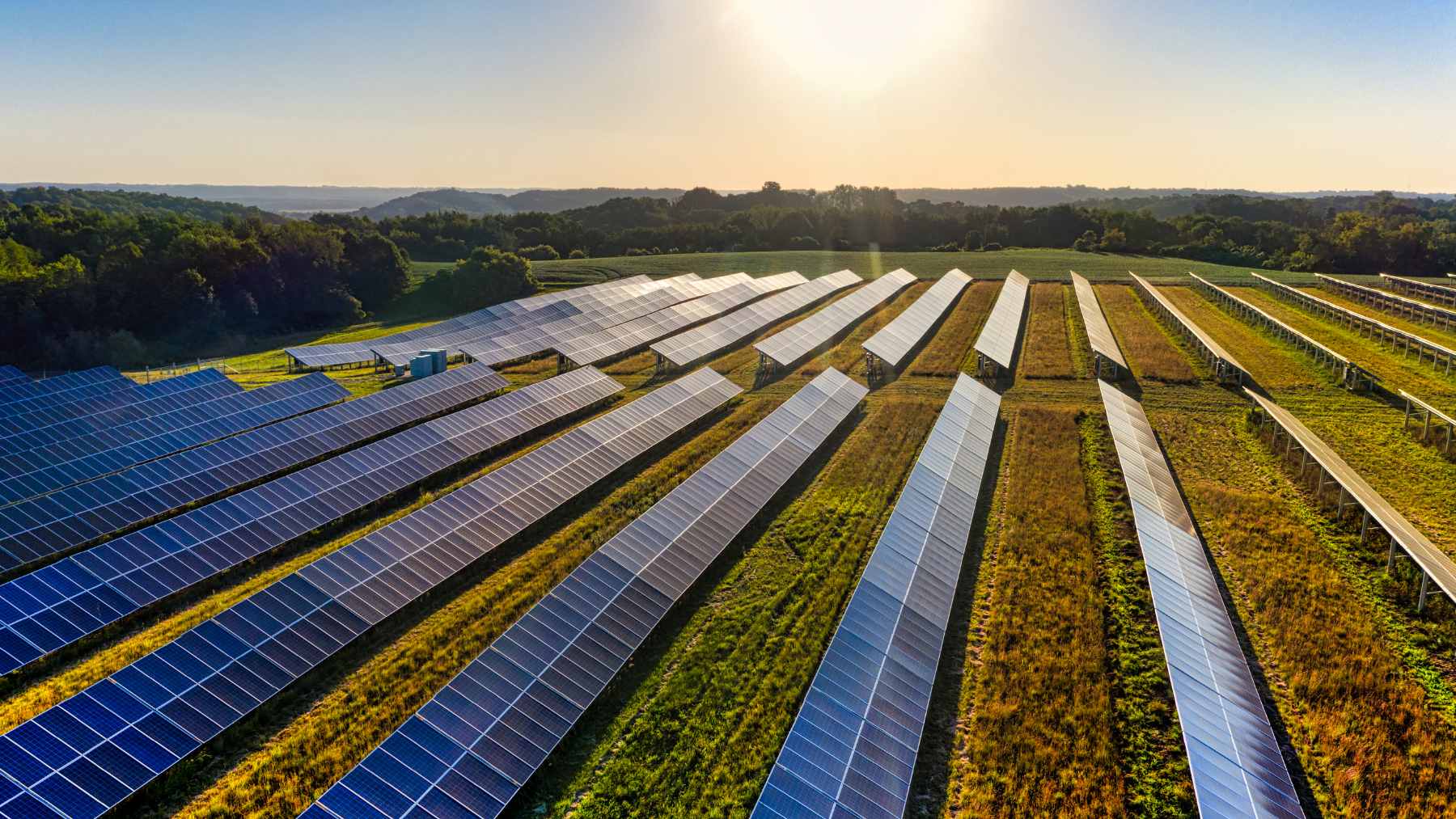
That combination matters. For the most part, people do not buy panels because they want to make an energy policy statement. They buy them because the math starts to work, the neighbor already has them, and the next summer bill feels a little less scary.
The grid now has a new rhythm
Success brings its own headaches. The Australian Energy Market Operator said rooftop solar reached an all-time quarterly high of 4,407 MW in the December 2025 quarter, cutting daytime operational demand and helping batteries charge. In the same quarter, renewables and storage supplied more than half of the National Electricity Market’s energy needs for the first time.
That is a huge milestone, but it also changes the job of grid operators. The old system was built around large power plants sending electricity one way. Now, on mild sunny days, the challenge is sometimes not too little electricity, but too much at the wrong time.
The Commonwealth Scientific and Industrial Research Organisation (CSIRO) researchers have described Australia’s solar-heavy grid as having “low-tide” and “high-tide” moments, with homes drawing power in the evening and exporting it in the middle of the day. In South Australia, CSIRO says rooftop solar can often supply the entire state’s demand during those high-tide periods.
Batteries are the next chapter
That is where batteries come in. A solar panel turns sunlight into power, but a battery turns that power into choice. It lets a household use lunchtime energy after work, when the TV is on, dinner is cooking, and the sun has already dropped.
The Australian government’s Cheaper Home Batteries Program is trying to push that next step along. The Department of Climate Change, Energy, the Environment and Water says the program offers around a 30% discount on eligible small-scale battery systems connected to new or existing rooftop solar.
The pace is already startling. A June 2026 ministerial release said 420,000 cheaper home batteries had been installed, amounting to more than 12 GWh of usable capacity, and that small-scale solar installations hit a first-quarter record of 791 MW in the three months to March.
The shine has a few shadows
Still, this solar boom is not equally shared. Homeowners with suitable roofs are in a very different position from renters, apartment residents, and families who cannot pay upfront for new technology. That gap matters because clean energy savings are most useful when they reach people under the most pressure.
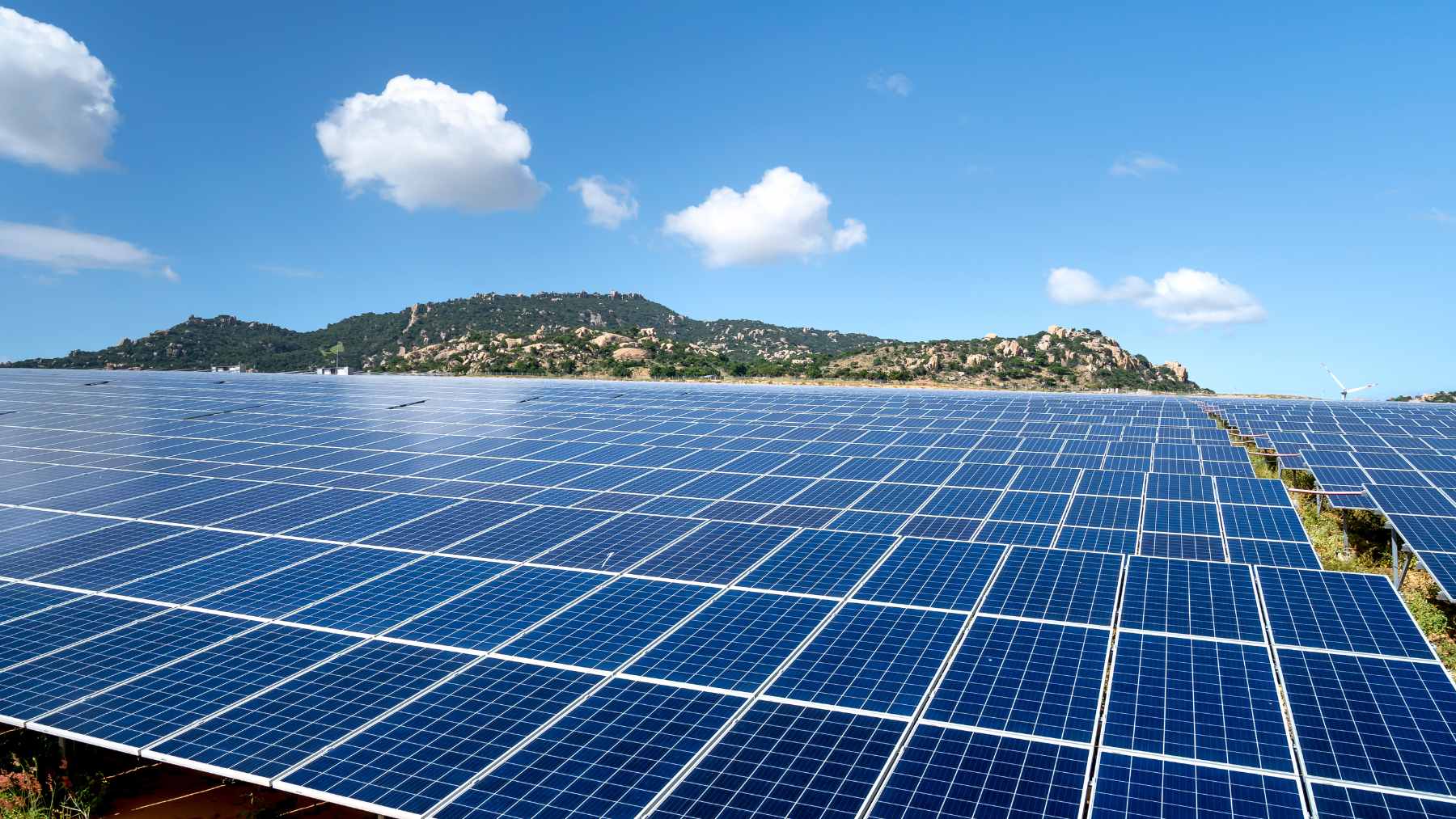
Businesses are another weak spot. A 2026 report from the Institute for Energy Economics and Financial Analysis found that commercial and industrial solar and storage still face major barriers, including investment hurdles, inconsistent network tariffs, and slow grid connection processes.
There are technical issues, too. Voltage management, export limits, installer quality, recycling, and fire-safety procedures all become more important as rooftop solar moves from “nice extra” to core infrastructure. The lesson is simple enough: a solar nation needs smart rules, not just more panels.
What the world can learn
Australia’s model cannot be copied everywhere exactly. Not every country has the same sunshine, housing pattern, or electricity market, but the broad idea travels well.
Make solar easy to install. Make standards clear. Help people store energy, not just generate it. Give renters and apartment dwellers a fair path in. Also, reward homes and businesses when their batteries help the wider grid at stressful moments.
At the end of the day, Australia’s biggest solar achievement may not be a number. It is the proof that clean power can become ordinary. A roof, an inverter, a battery, and a sunny afternoon can quietly reshape a national energy system.
The official press release was published on the website of Australia’s Minister for Climate Change and Energy.