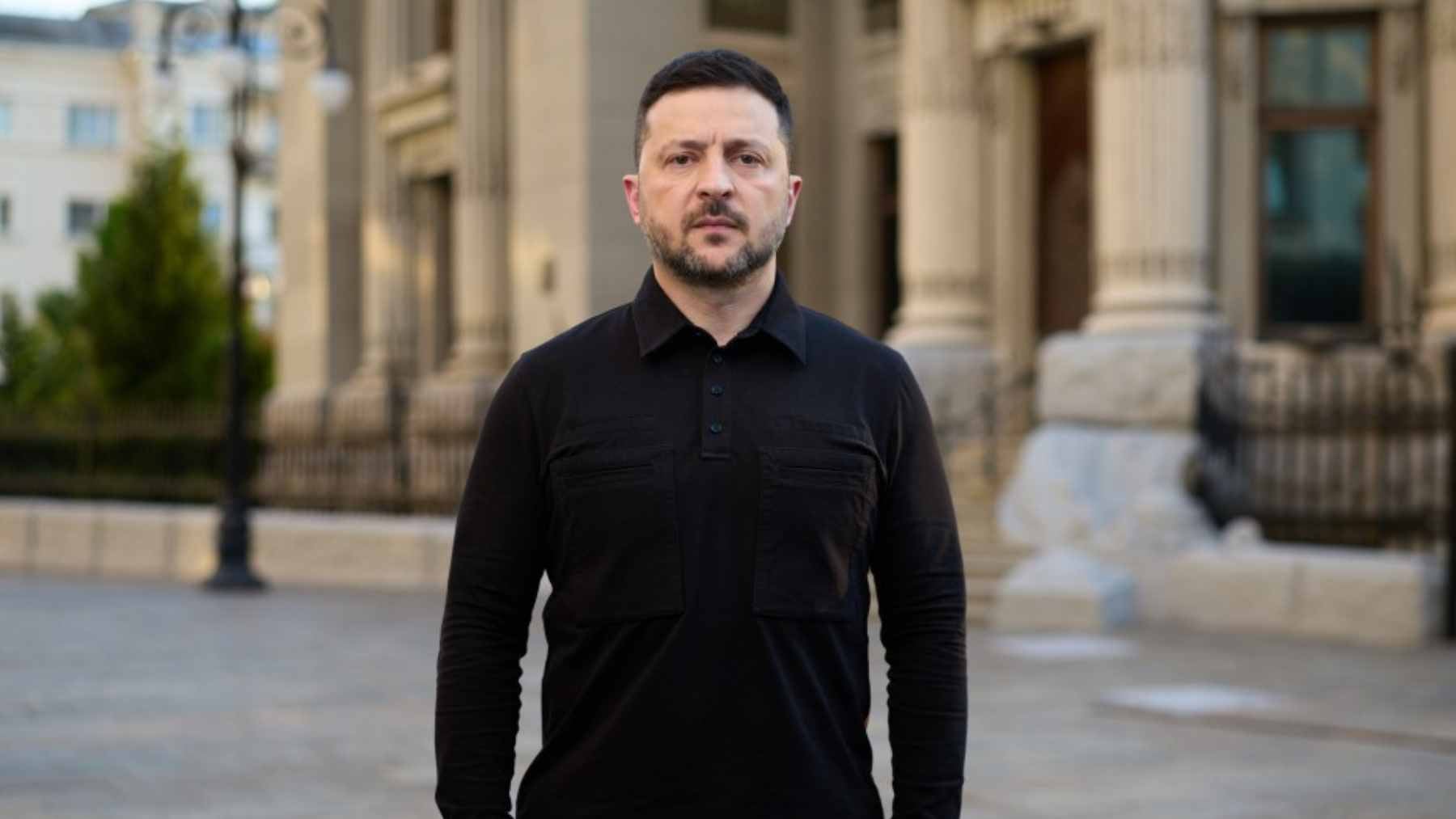
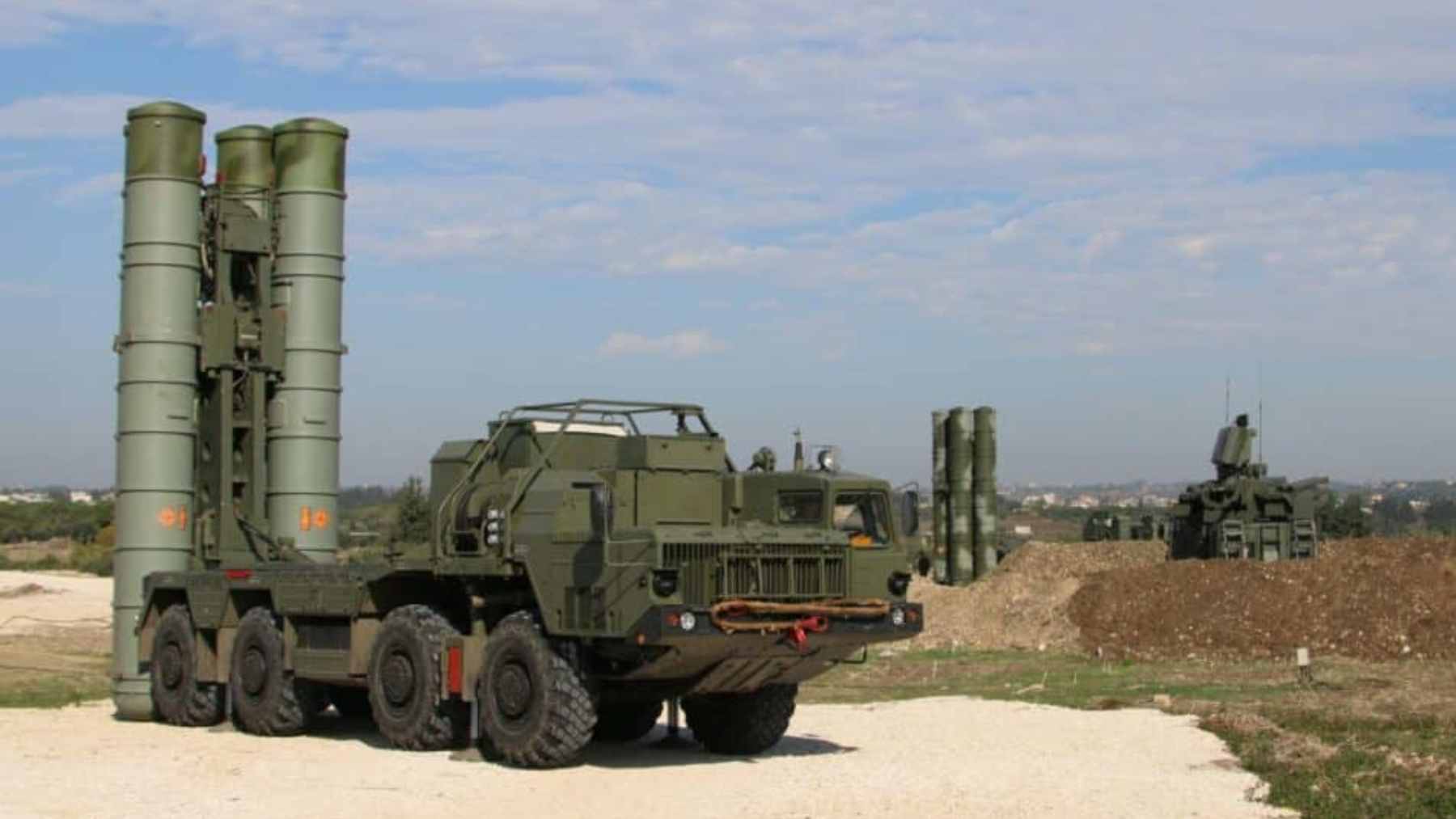
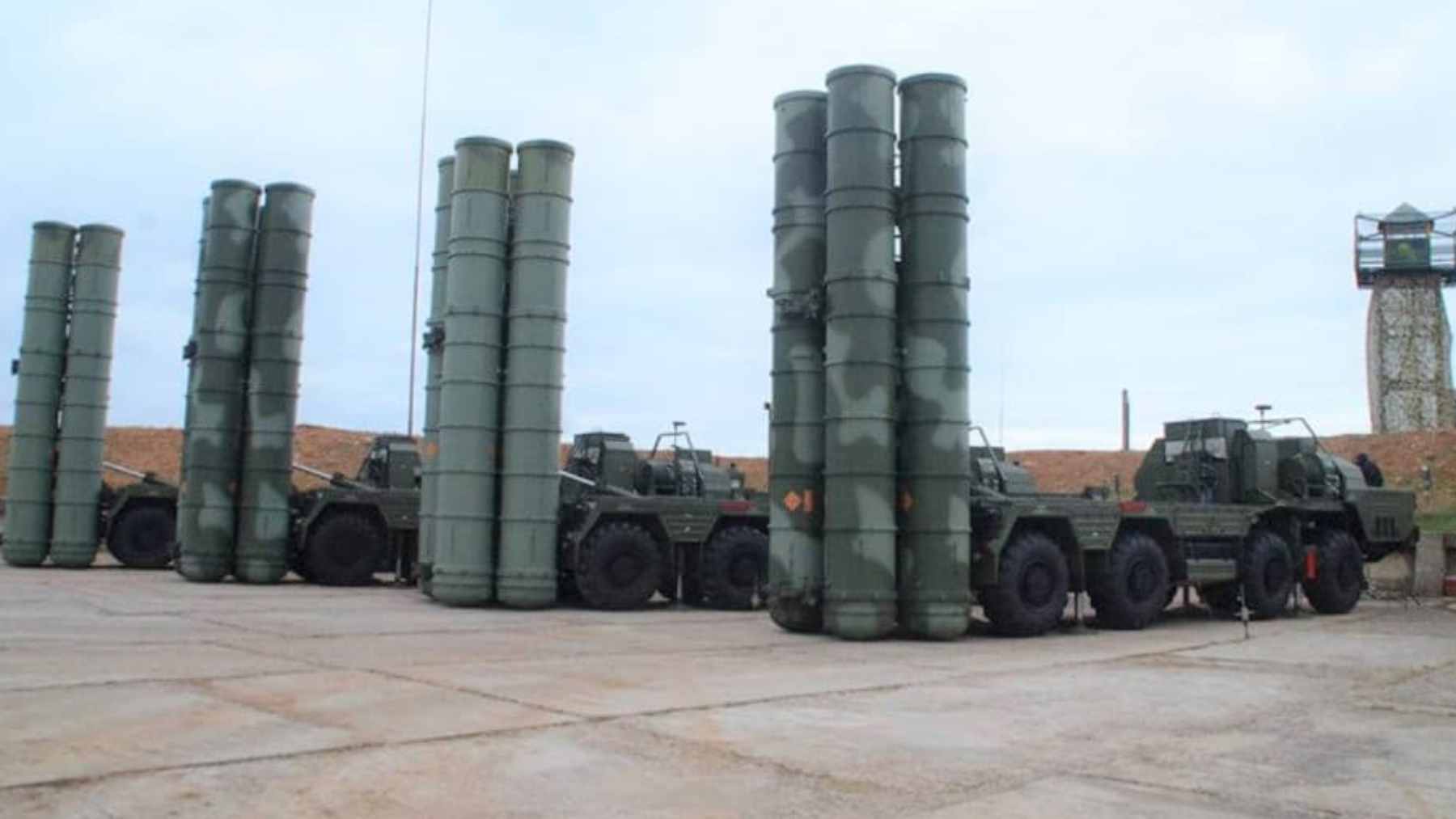
Russia’s capital is becoming one of the most heavily protected spaces in the country, at least according to Ukrainian President Volodymyr Zelensky. He says Moscow is now surrounded by “hundreds of launchers” for S-400, S-500, and Pantsir air defense systems, a sign that the Kremlin may be pulling its best protection toward the political center.
That matters far beyond the battlefield. Ukraine’s latest pressure campaign is aimed not only at missiles and radars, but also at the fuel network that keeps Russia’s war machine moving, from refineries to ports to oil depots.
In practical terms, modern drone and missile warfare is turning energy infrastructure into a military target, a business risk, and an environmental danger all at once.
A shield for the center
Zelensky said Russia has been shifting air defense assets toward Moscow, Valdai, and the Kerch Strait bridge, leaving fewer systems in other directions. He described the move as being made “at the expense of air defense elsewhere,” while also saying nearly 90 launchers had been moved to the Valdai area.
The numbers are striking, but they should be treated carefully. Kyiv Post noted that the deployment claims have not been independently verified, and wartime figures from either side often arrive before outside confirmation is possible. Still, the pattern Zelensky describes tells a clear story: protect the capital first.
Why fuel sites matter
Fuel is one of those things that looks ordinary until it runs short. It powers tanks, trucks, aircraft, generators, trains, and the daily rhythm of cities. That is why refineries and storage hubs have become high-value targets in a war increasingly shaped by long-range systems.
Ukraine’s Defense Ministry said its forces struck 11 Russian oil refineries in June 2026, along with eight defense industry and communications facilities. The ministry also said the maximum confirmed strike range exceeded 2,000 km., or 1,240 miles.
One example is the Tyumen Oil Refinery, formerly known as the Antipinsky refinery. Ukraine’s Defense Ministry described it as one of Western Siberia’s largest oil refining facilities, with annual crude capacity of about 8.3 million to 9.9 million tons.
The environmental shadow
Oil infrastructure is not just a balance-sheet asset. When fuel tanks, refinery units, or port terminals burn, the damage can move through the air people breathe and the soil and water around them.
The United Nations Environment Programme (UNEP) has warned in conflict settings that large oil fires and spills can cause extensive contamination and health risks from smoke, particulates, and toxic emissions.
Ukraine itself has already become a case study in how war leaves a toxic footprint. The European Commission’s Joint Research Centre found that the invasion has increased risks from toxic pollution, harmed soil, disrupted monitoring, and raised concerns for the Black Sea and the Sea of Azov.
It also reported that about 4.2 million acres of Ukrainian forest have been affected by war.
Crimea becomes the pressure point
The Kerch Strait area sits at the center of this pressure. Ukraine has reported strikes on sites on both sides of the Crimean Bridge, including maritime logistics in Russia’s Krasnodar region and an oil depot in occupied Kerch. Ukrainska Pravda also reported that Zelensky said four S-400 radar stations and two Pantsir systems had been hit.
Overnight on June 20 and 21, the strikes expanded to occupied Crimea and Krasnodar Krai, according to reporting based on Ukrainian military statements. The targets included the TES-Terminal-1 fuel facility in Kerch and infrastructure at Port Kavkaz, both tied to logistics between mainland Russia and occupied Crimea.
For Moscow, that creates a hard choice: put more air defenses near the bridge and around the capital, or accept more risk across a wider map? For people near those industrial sites, the question is more basic: what happens after the smoke rises?
Drones are changing the map
Zelensky framed Ukraine’s campaign as proof that modern technology makes occupation harder for the occupier. That is a big claim, but the basic point is easy to understand: a refinery hundreds of miles from the front can no longer assume distance is a wall.
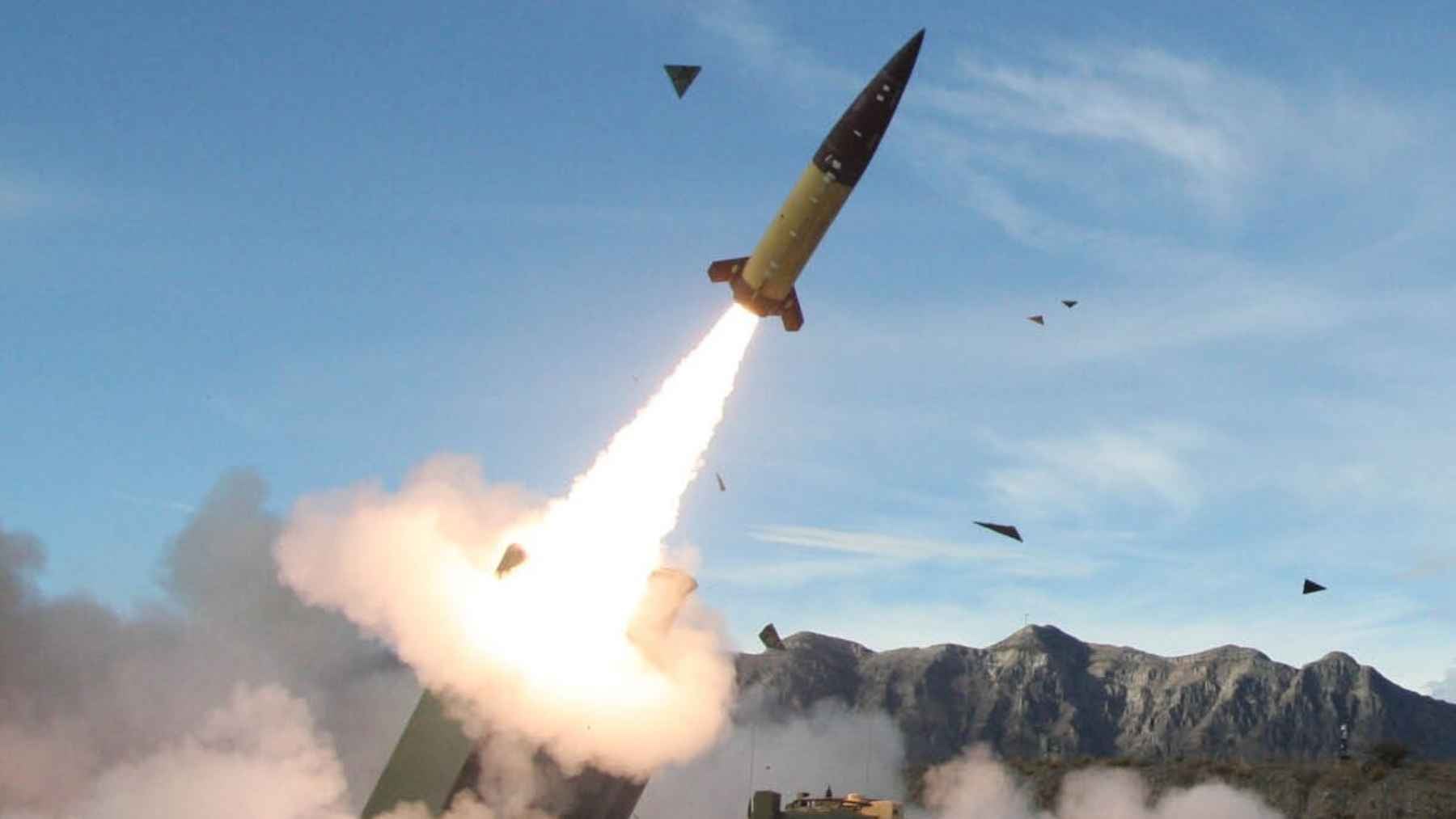
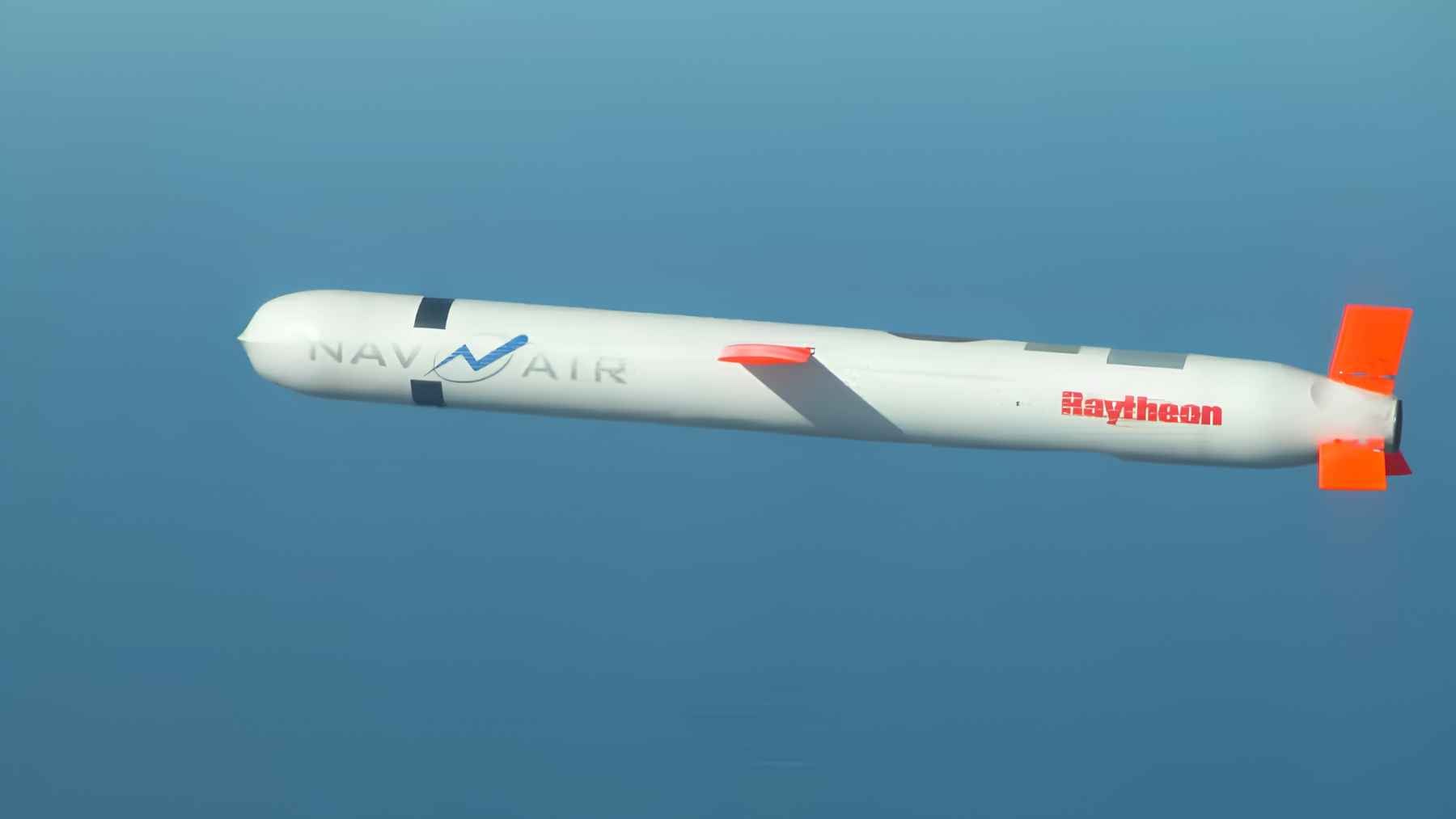
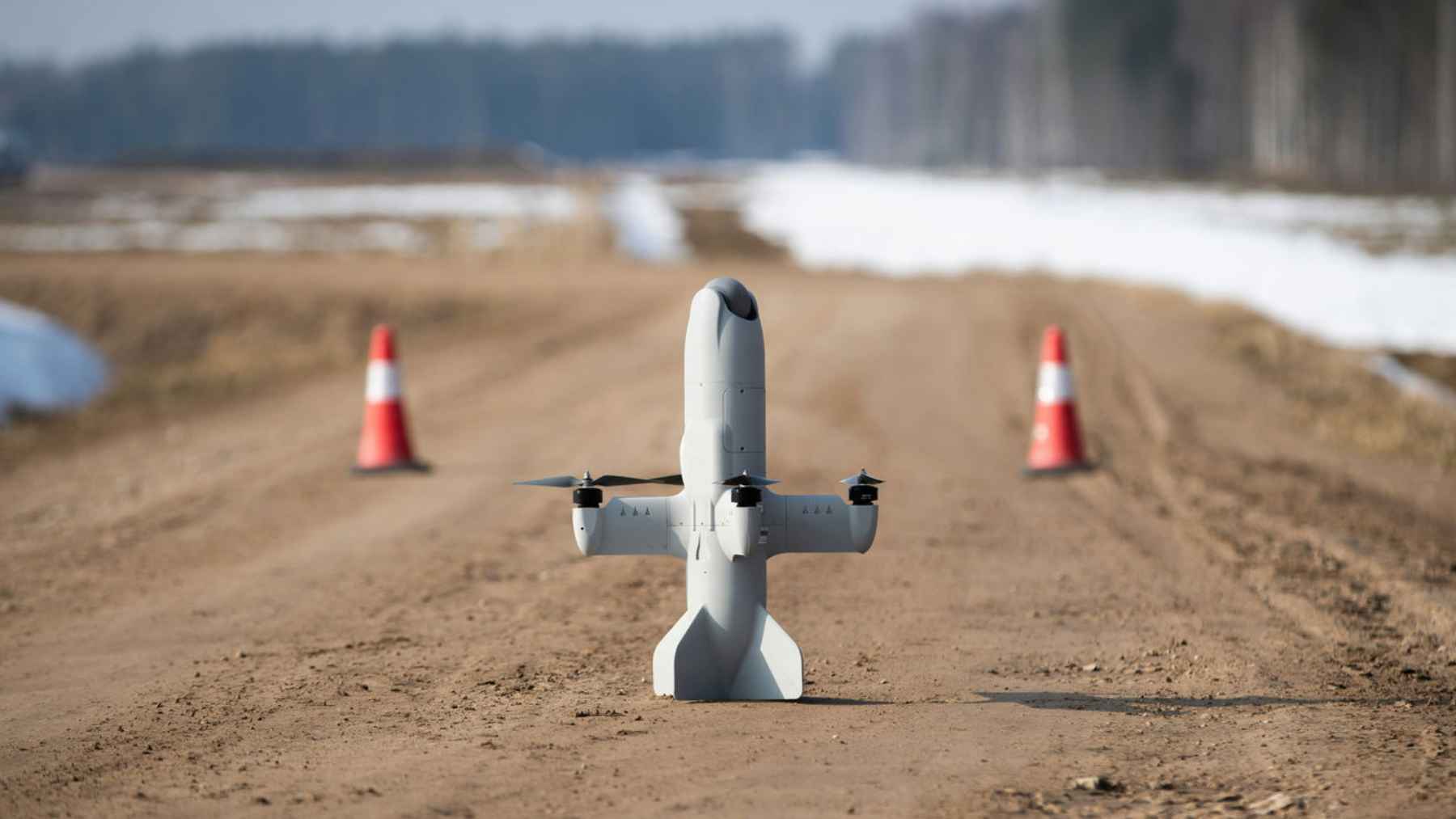
This is where the tech story meets the defense story. Long-range strike systems force Russia to spend scarce air defense assets on static protection, while Ukraine tries to make every launcher, radar, and fuel hub part of the cost of war. It is a chessboard, but with pipelines, ports, and neighborhoods on the squares.
The cost keeps growing
The wider economic bill is already staggering. The World Bank, the Government of Ukraine, the European Commission, and the United Nations estimated Ukraine’s direct damage at $195.1 billion as of December 31, 2025, with recovery and reconstruction needs at $587.7 billion over 10 years. Housing, transport, and energy were among the hardest-hit sectors.
Those figures do not settle every argument about strategy, and they do not verify every strike claim, but they show why attacks on energy systems cannot be viewed only through a military lens. At the end of the day, fuel networks connect the front line to power grids, food supply chains, factory output, and the air families breathe.
What to watch next
The key question now is whether Russia can keep stacking defenses around Moscow without exposing other regions. Zelensky’s claim, if accurate to any large extent, suggests the Kremlin is narrowing its protective umbrella around power centers and prestige targets. That would say plenty about its priorities.
The other question is environmental. Each attack on a refinery, depot, or port may weaken a military supply chain, but it can also leave behind fires, hazardous residue, and cleanup problems that last long after the headlines fade. War does not end neatly at the fence around an industrial site.
The official statement was published on Official website of the President of Ukraine.