Russia’s latest long-range bomber patrol over the Barents and Norwegian Seas was more than another military flight near NATO’s northern edge. According to Russia’s Defense Ministry, Tu-160 strategic bombers spent about 16 hours in the air, practiced air-to-air refueling, and flew with MiG-31 escort over neutral waters, while foreign fighters accompanied them at parts of the route.
That matters because the Arctic is no longer just a frozen buffer at the top of the map. It is warming fast, opening more space for shipping, resource projects, military sensors, and aircraft built for huge distances.
In practical terms, the MiG-31BM is not just an old interceptor with a new radar package, but a reminder that climate pressure and military planning are now sharing the same sky.
A signal over neutral waters
The Russian statement framed the operation as a “scheduled flight,” and the ministry said the aircraft operated over neutral waters and in compliance with international airspace rules.
Reuters reported that the aircraft flew in the neutral zone over the Barents Sea and Norwegian Sea, with MiG-31 fighter jets accompanying the Tu-160 bombers and foreign aircraft escorting them at some points.
That is still a signal. When strategic bombers, tanker practice, and interceptor cover appear in one package, the message is endurance and reach. For NATO, the route sits close to a northern flank that has grown more important since Finland and Sweden joined the alliance.
Why the MiG-31BM still matters
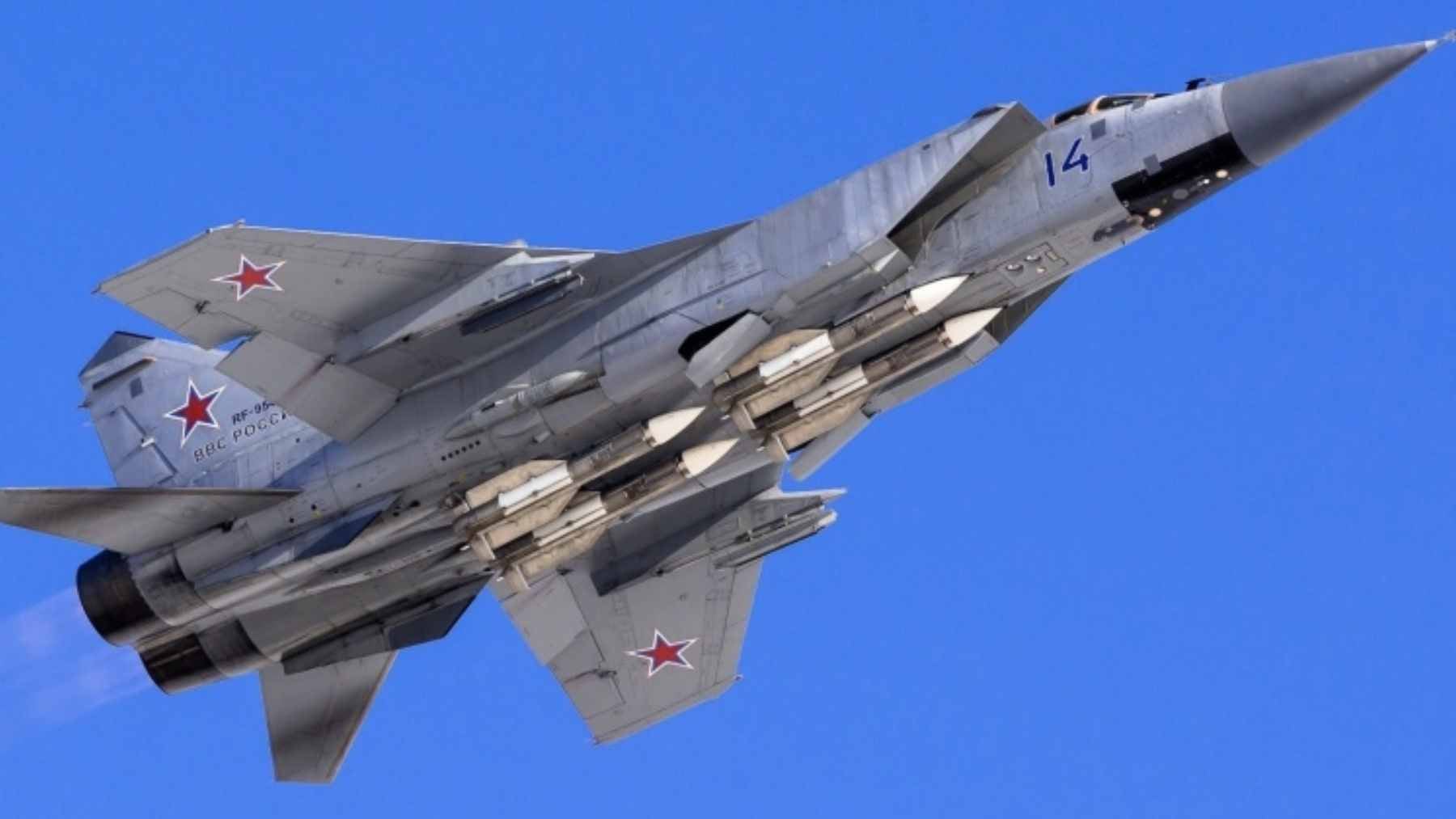
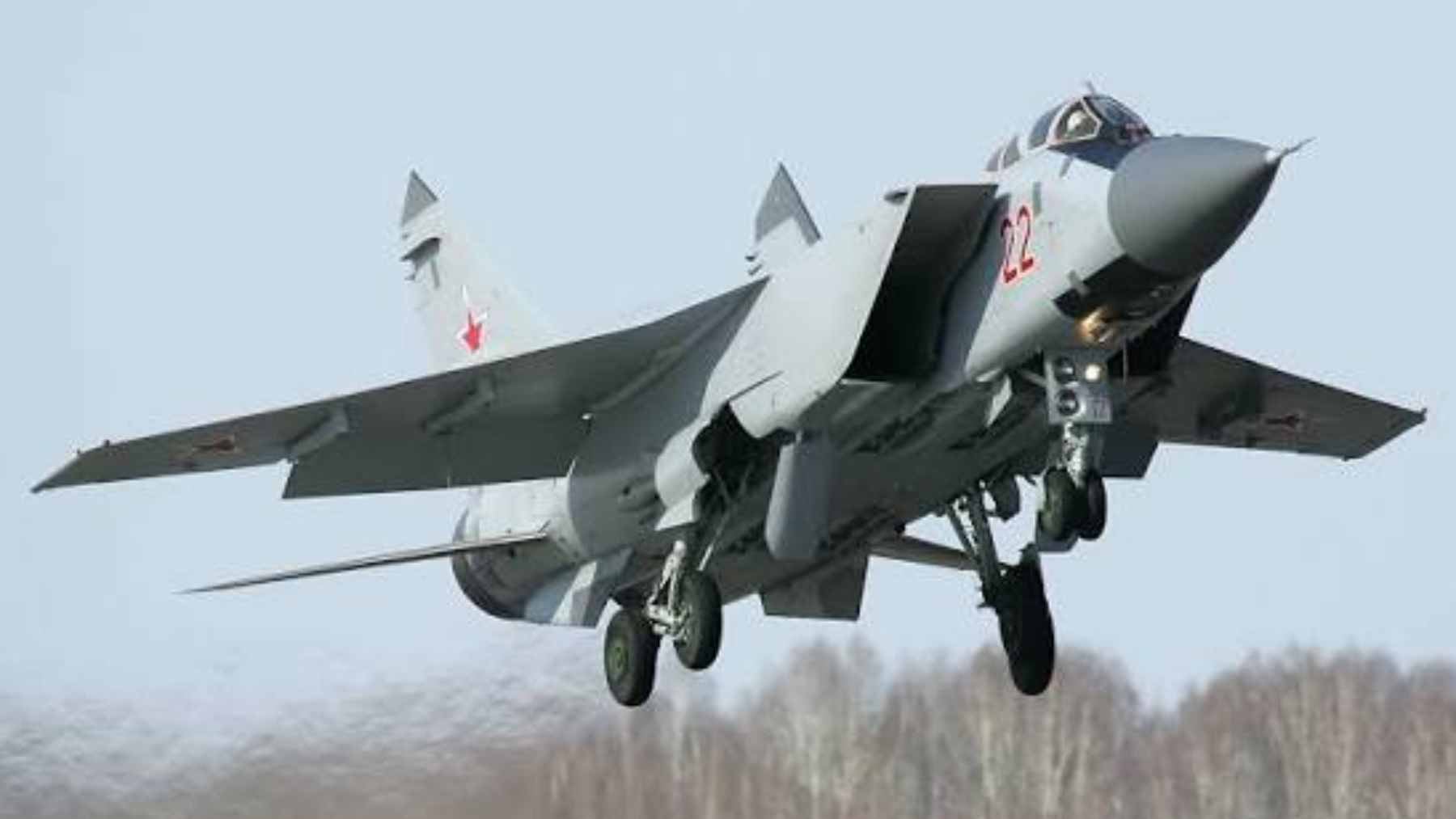
The MiG-31BM is not a sleek new stealth jet, but that is not the point. It was built for a different problem, which is how to cover remote airspace where runways, radar sites, and rescue infrastructure can be few and far between.
Its value comes from speed, altitude, radar power, and long-range weapons. Public specifications describe the modernized MiG-31BM as a two-seat long-distance interceptor with upgraded avionics, radar detection measured in the hundreds of miles, and a top speed up to Mach 2.83.
A missile threat with long reach
The aircraft’s reputation grew during the war in Ukraine, where analysts at the Royal United Services Institute described the MiG-31BM paired with the R-37 long-range missile as especially problematic for Ukrainian aircraft near the front lines. That does not mean every Arctic patrol is a combat mission, but it explains why NATO watches these flights closely.
The R-37M family is often discussed as a very long-range air-to-air weapon, with public estimates ranging from more than 186 miles to about 249 miles depending on version and launch conditions.
That kind of reach matters most against large support aircraft, including tankers and airborne radar planes, because those aircraft usually work behind fighter screens rather than in the middle of a fight.
The Arctic is changing underneath it all
Here is the part that can get lost in the defense talk. The environmental story is not the exhaust from one sortie, but the way a warming Arctic is making more activity possible in a place that is still hard to protect when something goes wrong.
NASA reported that Arctic sea ice reached its 2026 winter maximum on March 15 at 5.52 million square miles, statistically tied with 2025 for the lowest annual maximum in the satellite record.
NOAA’s 2025 Arctic Report Card also found that surface air temperatures from October 2024 through September 2025 were the warmest recorded since 1900, and that parts of the Arctic Ocean’s Atlantic sector were about 13 degrees Fahrenheit warmer than the 1991 to 2020 August average.
More ships, more risk
Less ice does not automatically mean easy access. Ask anyone who has seen footage of Arctic storms, low visibility, and drifting ice, and the idea of a simple northern shortcut quickly fades. Still, traffic is rising.
The Arctic Council said 1,812 unique ships entered the Arctic Polar Code area in 2025, a 40 percent increase from 2013, while total distance sailed rose 95 percent to 11.9 million nautical miles.
That can mean more business and more supplies for some communities, but it can also mean more noise, more emissions, more accident risk, and harder cleanup in cold, remote waters.
Technology is moving north
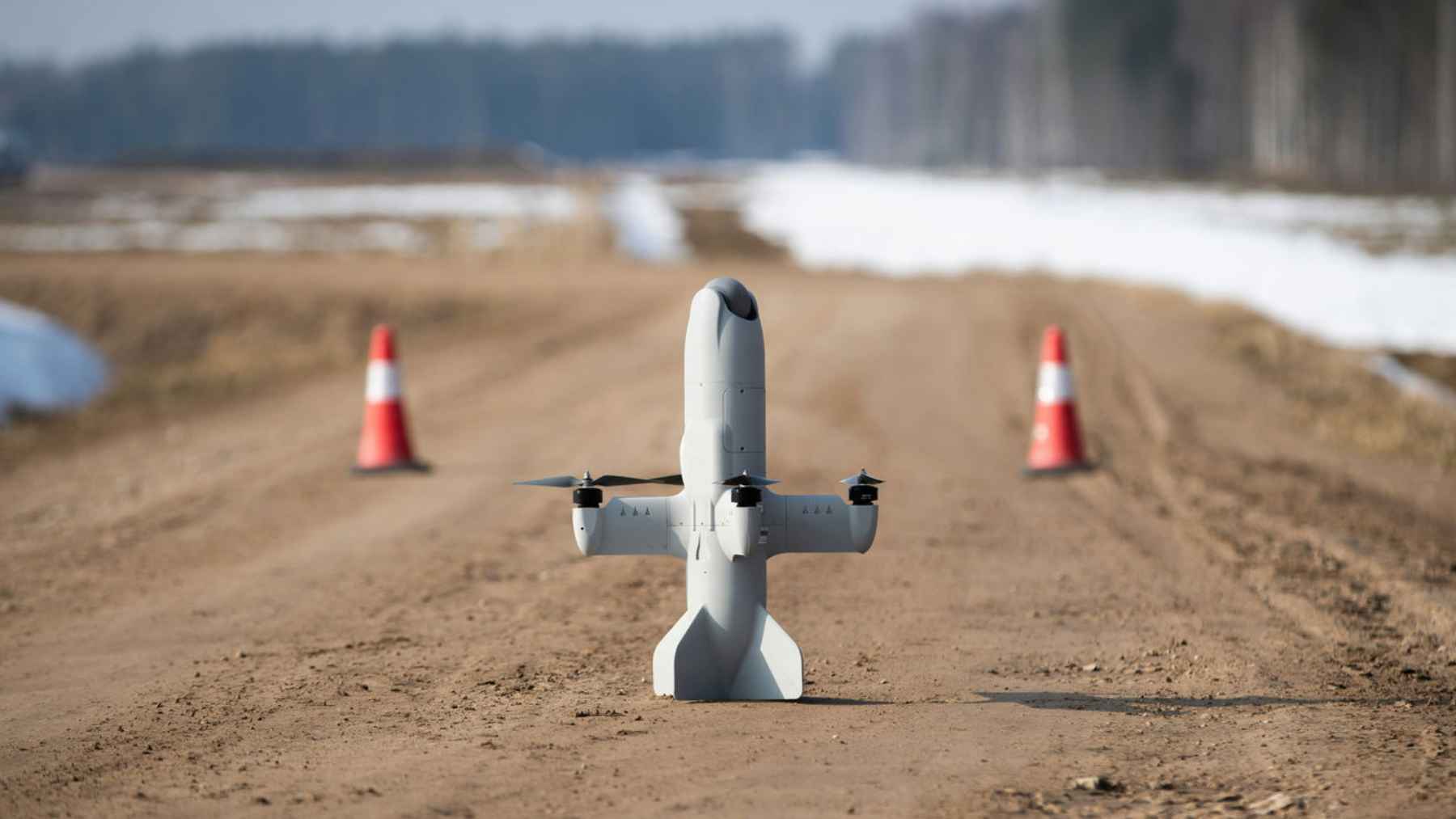
This is also a tech story. NATO launched Task Force X-Arctic in June 2026 to test networked uncrewed systems, with humans in control, for persistent awareness across the North Atlantic, the Arctic, and the High North.
Russia’s use of MiG-31BM escorts points to the same basic reality from the other side. Radar, satellites, autonomous systems, tankers, and interceptors are becoming the tools that shape who sees first and who can move safely. One day that data may guide a rescue or monitor an oil spill, and on another day, it may help track bombers.
What readers should keep in mind
There is a simple temptation here, which is to treat this as either a routine military flight or a dramatic escalation. The safer reading is more cautious. Russia says its long-range aviation regularly flies over neutral waters, while NATO has been strengthening its Arctic posture with Arctic Sentry and new northern structures.
At the end of the day, the Arctic is becoming a test case for how defense, climate, commerce, and technology collide. The MiG-31BM may be a Cold War-era design, but in a warming High North, it is operating in a very modern story.
The official statement was published on the Russian Ministry of Defense website.