One of Africa’s most watched business stories is no longer just about a refinery, a billionaire, or a splashy stock market debut. The planned listing of Dangote Petroleum Refinery & Petrochemicals has become a test of whether Nigeria can turn energy security into public wealth, while still answering hard questions about pollution, transparency, and the long life of oil.
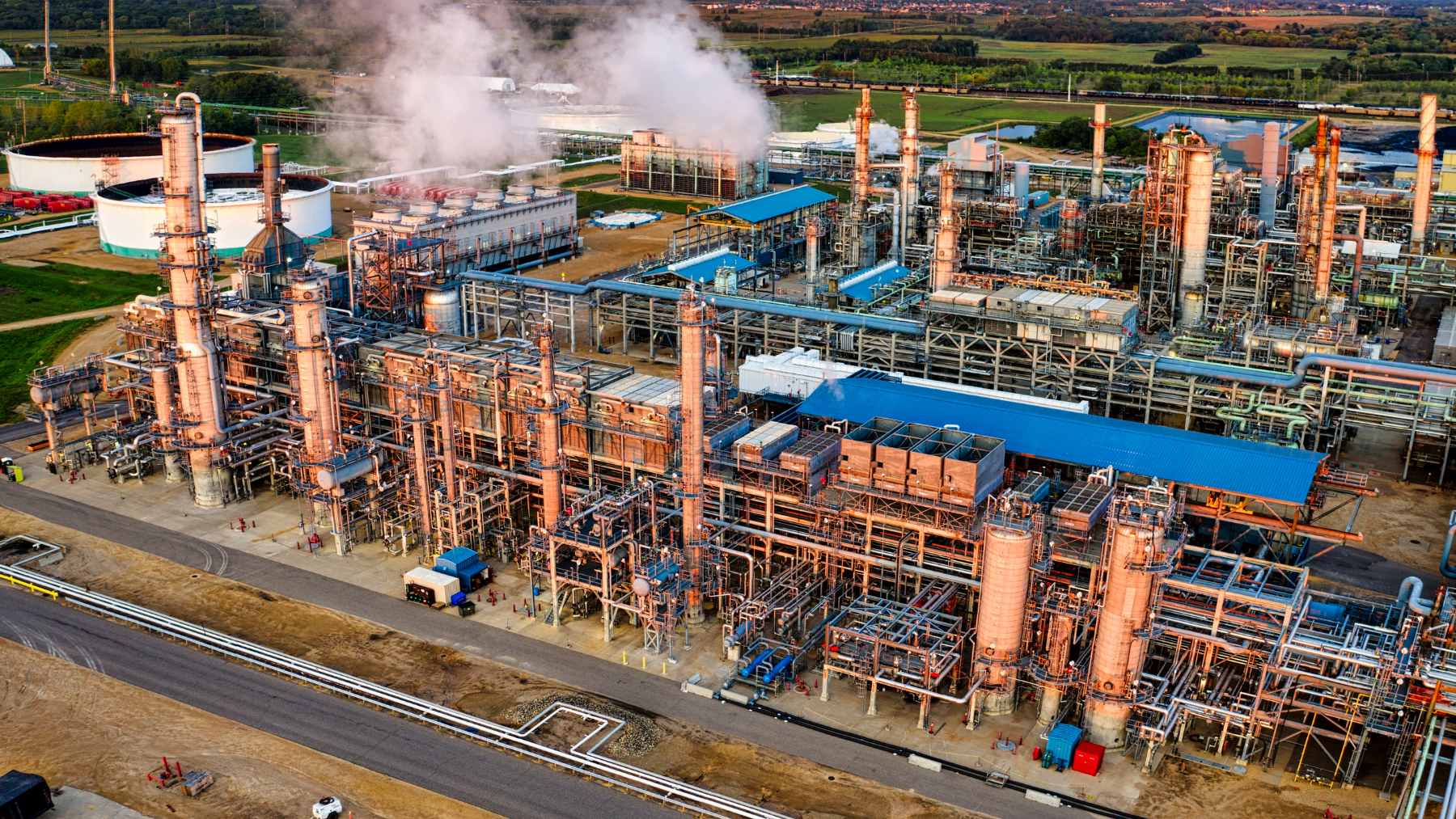
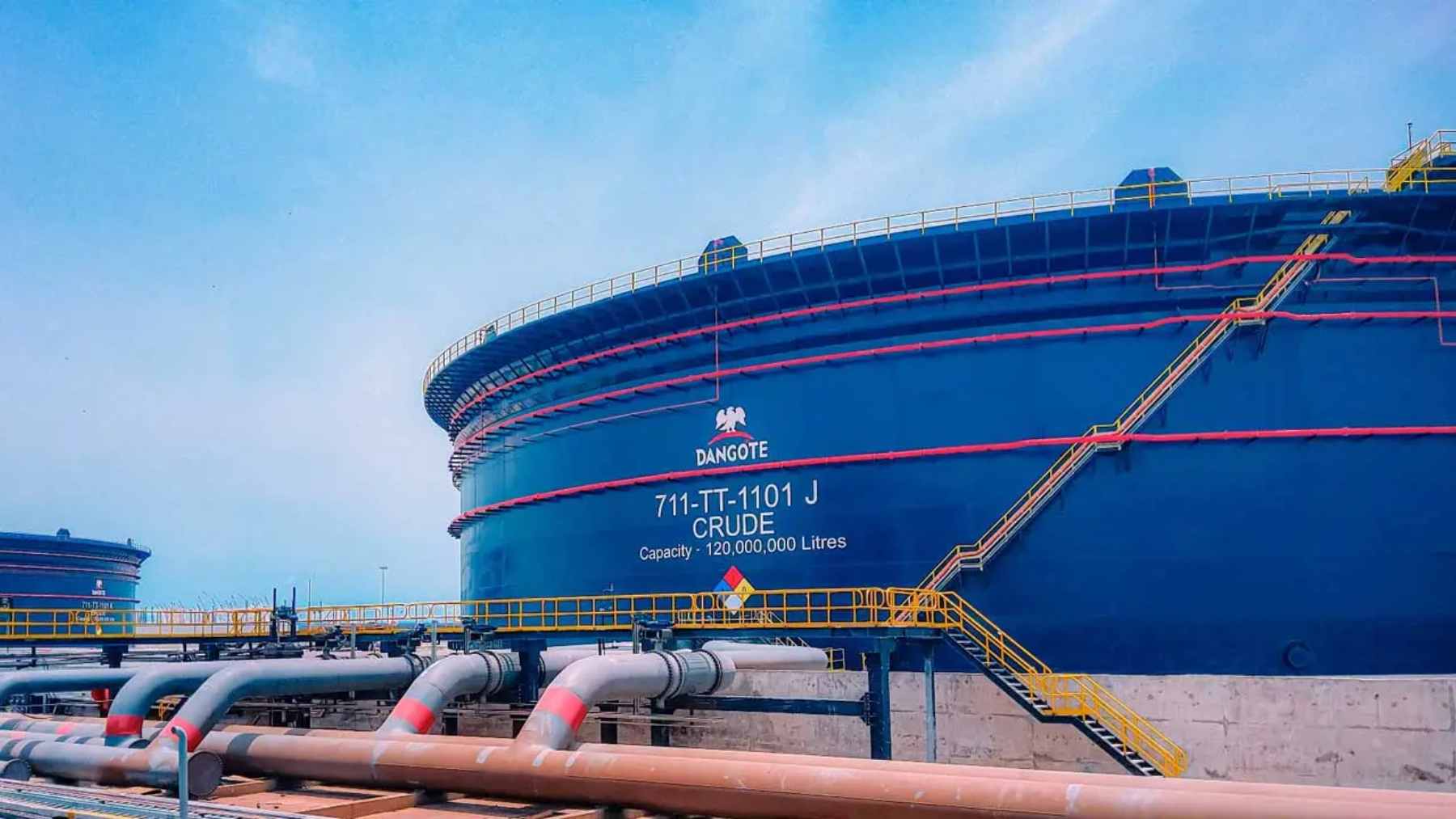
The excitement is easy to understand. A $20 billion refinery that can process 650,000 barrels of crude a day is not just another industrial asset.
For a country that spent years importing refined fuel while producing crude oil, it feels like a missing piece finally clicking into place. But here is the catch: the cleaner and safer future investors want will depend on what the refinery discloses, not just what it produces.
A refinery that changed the fuel map
Dangote’s refinery has already become a strategic force in Nigeria’s energy system. Dangote Industries cited an Economist Intelligence Unit assessment saying the plant’s ramp-up was reshaping the country’s downstream petroleum sector and reducing reliance on imported refined products.
That would mean fewer imported fuel cargoes, more local processing, and a stronger claim to energy independence. For drivers waiting in fuel lines, airlines buying aviation fuel, or small businesses running generators, that is not abstract economics, it is everyday life.
Can a refinery be both an energy security win and a climate problem? Yes. That tension is exactly why the planned IPO matters beyond the trading floor.
Investors are already circling
The planned offering aims to raise up to $2 billion and could value the business at more than $40 billion. Investor interest has stretched from Nigerian billionaire Femi Otedola, who is preparing to invest $100 million, to smaller buyers weighing $150 or $3,000.
That range says a lot. For wealthy investors, the refinery is a rare chance to buy into a giant industrial machine. For regular Nigerians, it can look like a once-in-a-generation shot to own a piece of the country’s energy future.
Enthusiasm can run ahead of paperwork, though. On June 23, Nigeria’s Securities and Exchange Commission ordered an immediate stop to marketing around a purported IPO, saying no application for an IPO or public offer had been filed with or approved by the regulator.
The warning signs matter
Nigeria has seen retail-investor excitement before, and not all of it ended well. The supplied background notes that the country’s stock market capitalization is only about 22% of GDP, far below markets such as India and South Africa, which shows how much economic activity still sits outside public markets.
A huge refinery listing could deepen the market. It could also reopen old wounds if ordinary buyers feel pushed into a deal before the rules, prospectus, risks, and valuation are clear. No one wants a national champion to become a cautionary tale at the kitchen table.
That is why the SEC’s intervention should not be read only as a brake. It is also a guardrail. If this offering eventually reaches the public, investors will need formal disclosures on debt, margins, crude supply, environmental controls, and expansion costs.
Pension money raises the stakes
Nigeria’s pension regulator has already signaled how important the refinery is to national economic planning. Reuters reported in May that the National Pension Commission gave fund managers a special, one-off waiver to invest in the planned IPO, while still requiring risk controls and fiduciary duties.
That is a big deal. Pension money belongs to workers and retirees, not to a national mood or a viral investment campaign. If retirement savings are allowed into this kind of asset, the bar for disclosure should be even higher.
Energy security is also a form of national resilience. Hospitals, airports, farms, security agencies, and emergency services all rely on steady fuel supply. Still, resilience should not mean blank checks.
The environmental test
Dangote Group says its sustainability framework includes environmental responsibility, emissions reduction, water conservation, wastewater treatment, and fuel-related measures such as Euro V fuels. Those are important promises, especially for a refinery that may influence fuel flows across West and Central Africa.
The bigger question is what public investors would actually be able to measure. Will they see clear data on carbon intensity, sulfur levels, air pollution controls, water use, waste handling, and community impacts around Lagos? A glossy paragraph is not the same as audited performance.
To a large extent, the refinery sits in the middle of Africa’s energy dilemma. The continent needs reliable fuel for transport, industry, food supply chains, and power backup. At the same time, locking in more oil infrastructure makes climate goals harder unless companies show credible plans to cut operational emissions and improve product quality.
Expansion makes disclosure harder to avoid
Dangote is not thinking small. Reuters reported in February that the group signed a $400 million equipment deal with China’s XCMG to speed refinery expansion toward a planned 1.4 million barrels per day within three years.
More output could mean more exports, more foreign exchange, and more regional fuel security. It could also mean more scrutiny from climate-focused investors and lenders. The bigger the machine gets, the louder the questions become.
Standard Bank Group has publicly backed the planned listing and said it is ready to support future growth initiatives. That kind of institutional support can bring credibility, but only if it comes with discipline. At the end of the day, markets reward trust.
What investors should watch next
The first thing to watch is simple. Has the SEC received and cleared an application, and has an approved prospectus been released? Until that happens, the public should be careful about pre-funding accounts or believing promises of guaranteed allocations.
The second thing is the environmental file. A modern refinery asking the public for money should explain how it manages emissions, water, safety, and nearby communities in plain English–not buried in fine print, and not after the shares are sold.
For Nigeria, the Dangote refinery may still become a landmark public listing and a symbol of industrial confidence. For investors, though, the smartest question is not only how big the IPO could be. It is whether the deal is clean enough, clear enough, and honest enough to deserve public money.
The official statement was published on the Securities and Exchange Commission, Nigeria website.