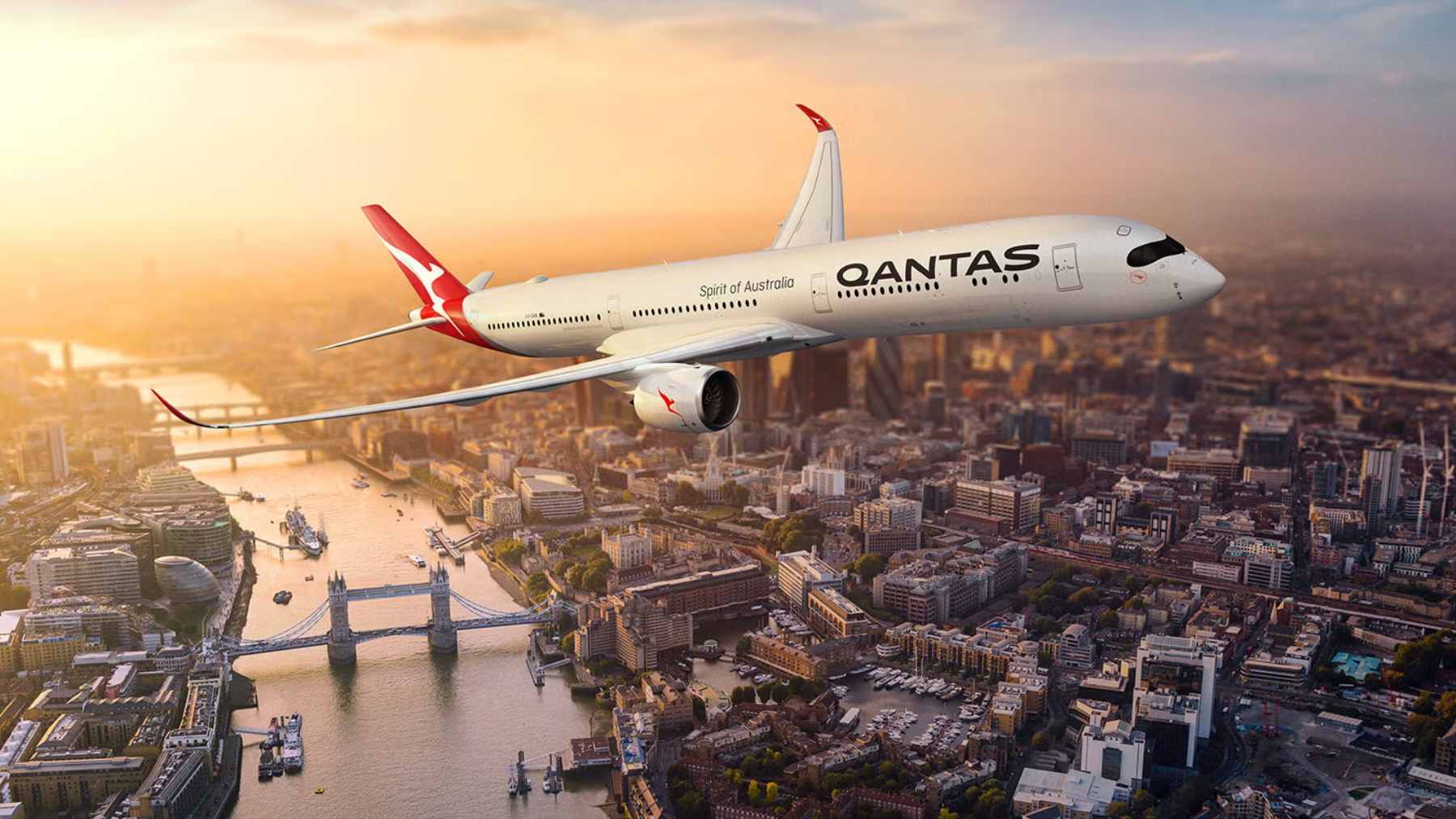
Qantas is preparing to launch a flight that sounds fantastical. A specially modified Airbus A350-1000ULR is being tested in France for “Project Sunrise,” the airline’s plan to fly nonstop from Sydney to London starting in October 2027, with tickets expected to go on sale in February 2027.
The pitch is simple enough. No stopover, less time lost, and a cabin designed to make nearly a full day in the air feel less punishing. But there is another question sitting quietly behind the luxury suites and wellness zones. What does the world’s longest commercial flight mean for aviation’s climate problem?
The last stop disappears
For Qantas, this is more than a new route. The airline has been flying between Sydney and London since 1947, when the trip took four days and required seven stops along the way. With Project Sunrise, the airline says it is removing the final stop and cutting up to four hours from current one-stop services.
That is a big deal for business travelers, tourists, and families trying to cross the world without the airport shuffle in the middle. Anyone who has wandered through a terminal at 3 a.m. with a half-dead phone understands the appeal. Qantas CEO Vanessa Hudson summed it up with a short line, saying, “Today, we’re taking out the last one.”
A jet built for distance
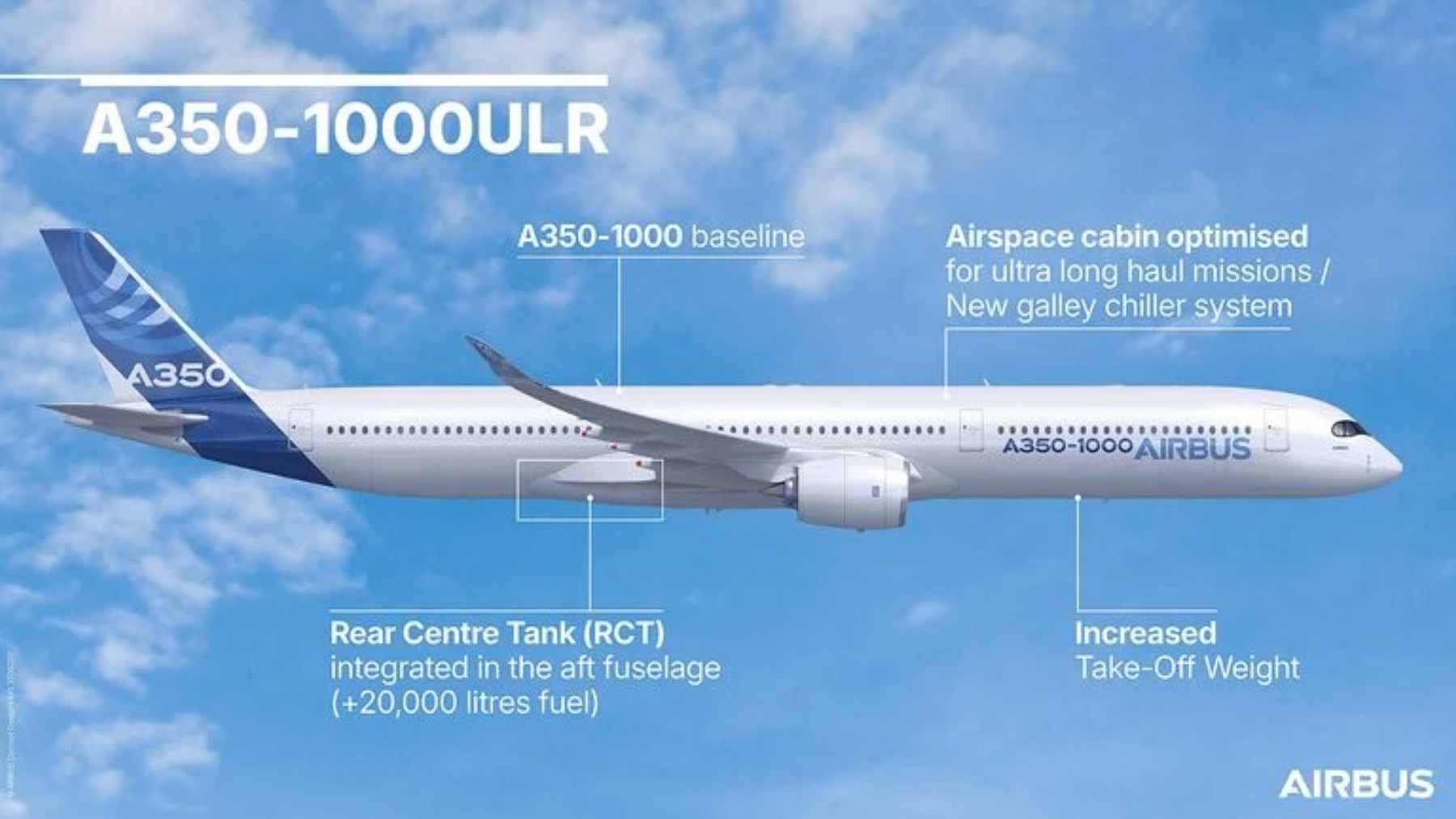
The aircraft at the center of the project is not a regular Airbus A350. Airbus has added a rear center fuel tank holding about 5,300 gallons, along with a modified fuel system and new certification work for ultra-long-haul service. That tank helps the jet fly more than 9,900 miles for up to 22 hours nonstop.
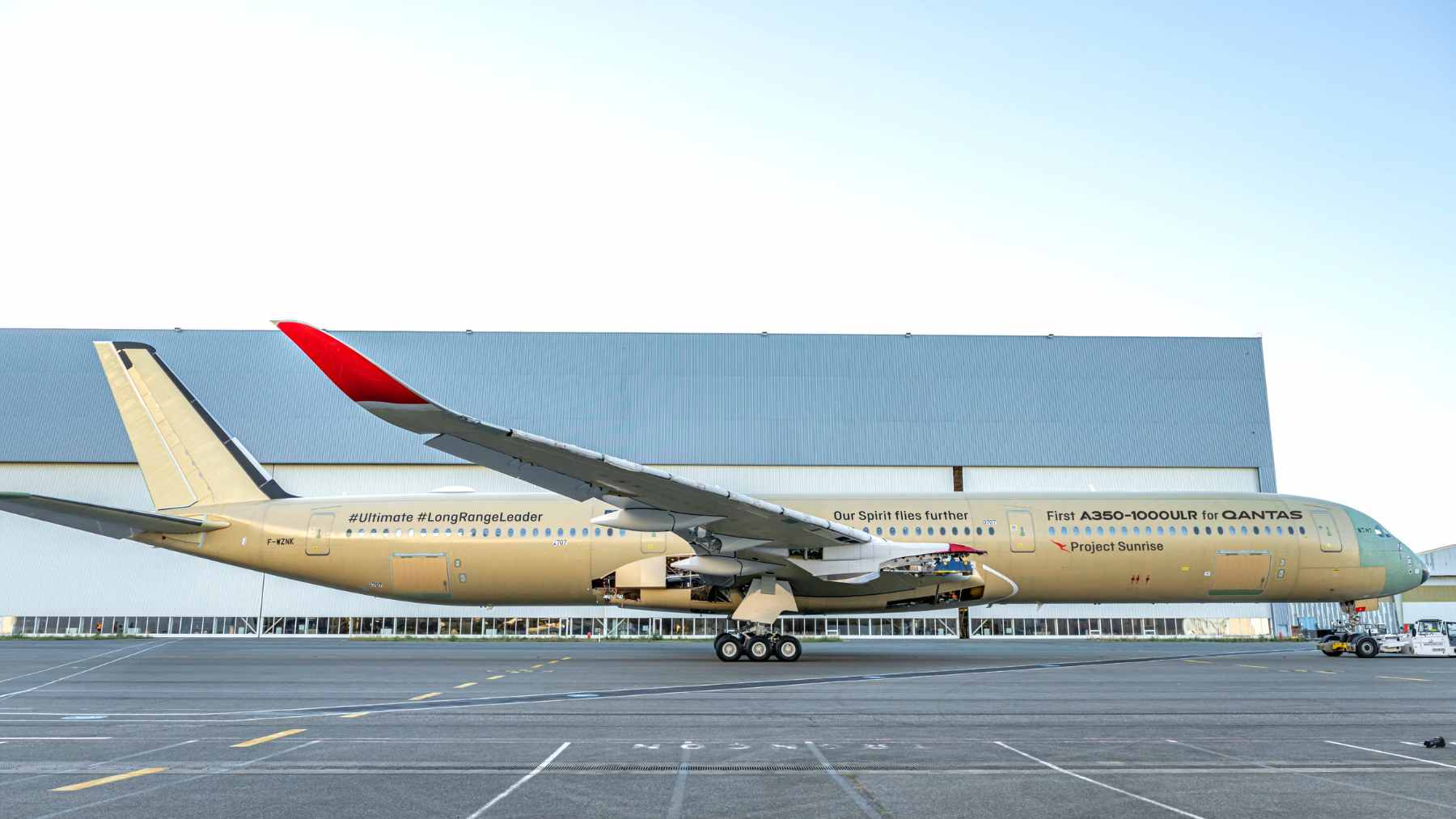
Airbus says the first A350-1000ULR production aircraft, known as MSN707, made its first flight on June 2, 2026, beginning a two-month certification campaign. Engineers installed about 11,000 pounds of custom monitoring equipment, including more than 1,000 sensors, to track systems such as fuel flow, temperature, and oxygen concentration.
Even the food system is being tested. The aircraft has a new galley cooling setup with lighter and more efficient refrigeration units, and Airbus is using “dummy” passengers that produce body heat to simulate a full cabin. It sounds odd, but it is practical. Before real travelers spend 22 hours onboard, engineers need to know how the cabin behaves.
Comfort becomes the product
Qantas is also making a business bet. The A350-1000ULR will carry just 238 passengers, which Qantas calls the lowest seat density of any A350 in the world. That is far below what a typical A350-1000 can carry, but the airline is trading volume for space, range, and premium comfort.
The cabin will include six enclosed First suites, 52 Business suites, 40 Premium Economy seats, and 140 Economy seats. First Class gets an 80-inch flat bed, a separate reclining chair, a wardrobe, and enough room for two people to dine together. In plain terms, it is closer to a tiny hotel room than a traditional airline seat.
The more interesting detail may be further back. Qantas is adding a wellness area where passengers can stretch, move, and hydrate during the flight. The airline has also designed lighting, meal timing, and seating around circadian rhythm research, hoping to reduce the foggy feeling that follows long-haul travel.
The climate math is harder to solve
Here is where the story gets more complicated. Aviation accounted for 2.5 percent of global energy-related carbon dioxide emissions in 2023, according to the International Energy Agency. The same agency says the sector is “not on track” and needs low-carbon fuels, better aircraft design, optimized operations, and some demand restraint to start cutting emissions this decade.
A nonstop flight can avoid the extra takeoff, landing, taxiing, and airport operations tied to a stopover. On the other hand, very long flights must carry huge amounts of fuel at the start of the journey, which makes the aircraft heavier.
Researchers and aviation analysts often describe this as “burning fuel to carry fuel,” and that is why the emissions benefit of nonstop flying depends on aircraft type, seating, load factor, routing, and weather.
That does not mean Project Sunrise is automatically better or worse for the planet than connecting routes. It means the details matter. A newer, efficient aircraft can help, but fewer seats and extra fuel capacity change the per-passenger equation.
Qantas has a green promise
Qantas says its broader climate plan includes net-zero emissions by 2050 and a 25 percent reduction in net Scope 1 and 2 greenhouse gas emissions by 2030, compared with 2019 levels. The airline also says it wants 10 percent of its fuel use to come from sustainable aviation fuel by 2030, although it notes SAF currently makes up about 1 percent of its fuel use.
That gap matters. Sustainable aviation fuel is one of the main tools airlines are counting on, but supply is still limited and expensive. So, for the most part, ultra-long-haul flying remains tied to the same difficult question facing the whole industry. Can airlines grow premium travel while cutting the climate impact of each trip?
A new era with old tradeoffs
Project Sunrise is impressive engineering. It brings together aircraft design, fuel management, cabin science, and a premium travel strategy aimed at people willing to pay more for time and comfort. For Australia, a country separated from many major markets by oceans and long flight times, the appeal is obvious.
Still, the environmental side cannot be treated like a footnote. A 22-hour flight may save time, and it may even be efficient compared with some connecting alternatives, but passengers, regulators, and investors will want clearer emissions data once the route is operating. That is the number to keep an eye on.
The official statement was published on Qantas Newsroom.