Tiny headphones have become part of everyday life. People use them on the train, at work, while gaming, during workouts, and sometimes just to block out the noise of a busy home. But there is a small detail many buyers miss when they shop for a new pair, not everything that goes in your ear works the same way.
The clearest split is between conventional earbuds and in-ear monitors, better known as IEMs. Earbuds usually sit closer to the outer ear, while IEMs use silicone or rubber tips to create a tighter seal inside the ear canal.
That seal can mean cleaner sound, stronger bass, and better isolation, but it also raises a bigger question in a world already drowning in electronic waste. Could the better-sounding option also be the more practical one to keep longer?
The seal changes everything
The biggest advantage of IEMs is not magic, it is fit. When an earbud rests loosely in the ear, outside noise can slip in and the sound can shift as the bud moves. That is why music may sound thin one minute and fuller the next, especially while walking or turning your head.
IEMs work more like a plug. Their ear tips seal the canal, helping the audio reach the ear more directly and reducing the need to crank up volume in loud places. For most listeners, that is the difference between just hearing a song and actually catching the small details inside it.
Why listeners hear more detail
A good IEM can make bass feel deeper without simply making everything louder. It can also make voices, instruments, and game effects sound more separated. That matters whether someone is listening to a podcast on the bus or trying to hear footsteps in a competitive tennis match.
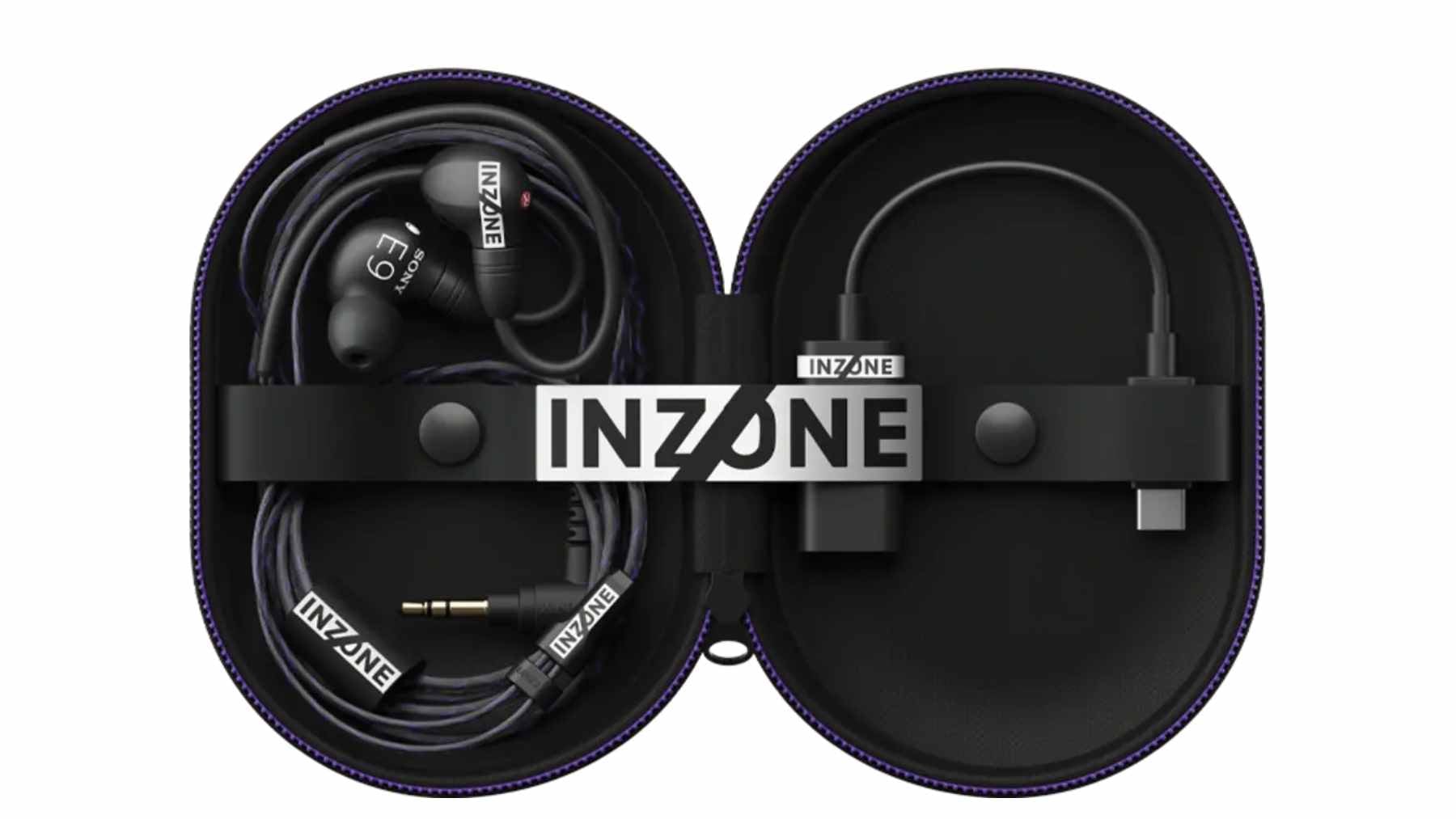
Sony’s INZONE E9 shows where the market is going. The company describes the wired gaming IEM as developed with Fnatic and tuned for first-person shooter awareness, with passive noise isolation, a fully sealed housing, a 5.9-ft. cable, and 360 Spatial Sound for Gaming when used with the supplied USB-C adapter.
That is a gaming product, of course, but the lesson applies more widely. A stable seal gives sound engineers, gamers, and casual listeners a more predictable starting point. In other words, less guessing and more listening.
Wired is not dead
For years, wireless earbuds looked like the future of personal audio. They are convenient, pocketable, and easy to pair with a phone. Still, convenience has a tradeoff.
Bluetooth audio has improved a lot. Sony says LDAC can transmit high-resolution audio over Bluetooth at up to 990 kbps, while Bluetooth’s LE Audio standard includes LC3, described as a high-quality, low-power codec.
Wireless sound still depends on codec support, connection stability, battery condition, and device settings. A wired IEM skips many of those variables. Plug it in, get the signal, and move on.
The e-waste angle
Here is where this becomes bigger than sound. Small electronics are part of a fast-growing waste problem.
The Global E-waste Monitor 2024 found that the world generated about 68.3 million tons of electronic waste in 2022. Only 22.3% was documented as formally collected and recycled, and global e-waste could reach roughly 90.4 million tons by 2030.
Wireless earbuds are not the whole problem, far from it. But they do contain tiny batteries, charging cases, chips, and other parts that can be difficult to repair or recycle. The EPA warns that lithium-ion batteries and products containing them should not be tossed into household trash or regular recycling bins.
Repairability matters
This is where some wired IEMs have a quiet advantage. Many models do not need batteries at all, and some use detachable cables.
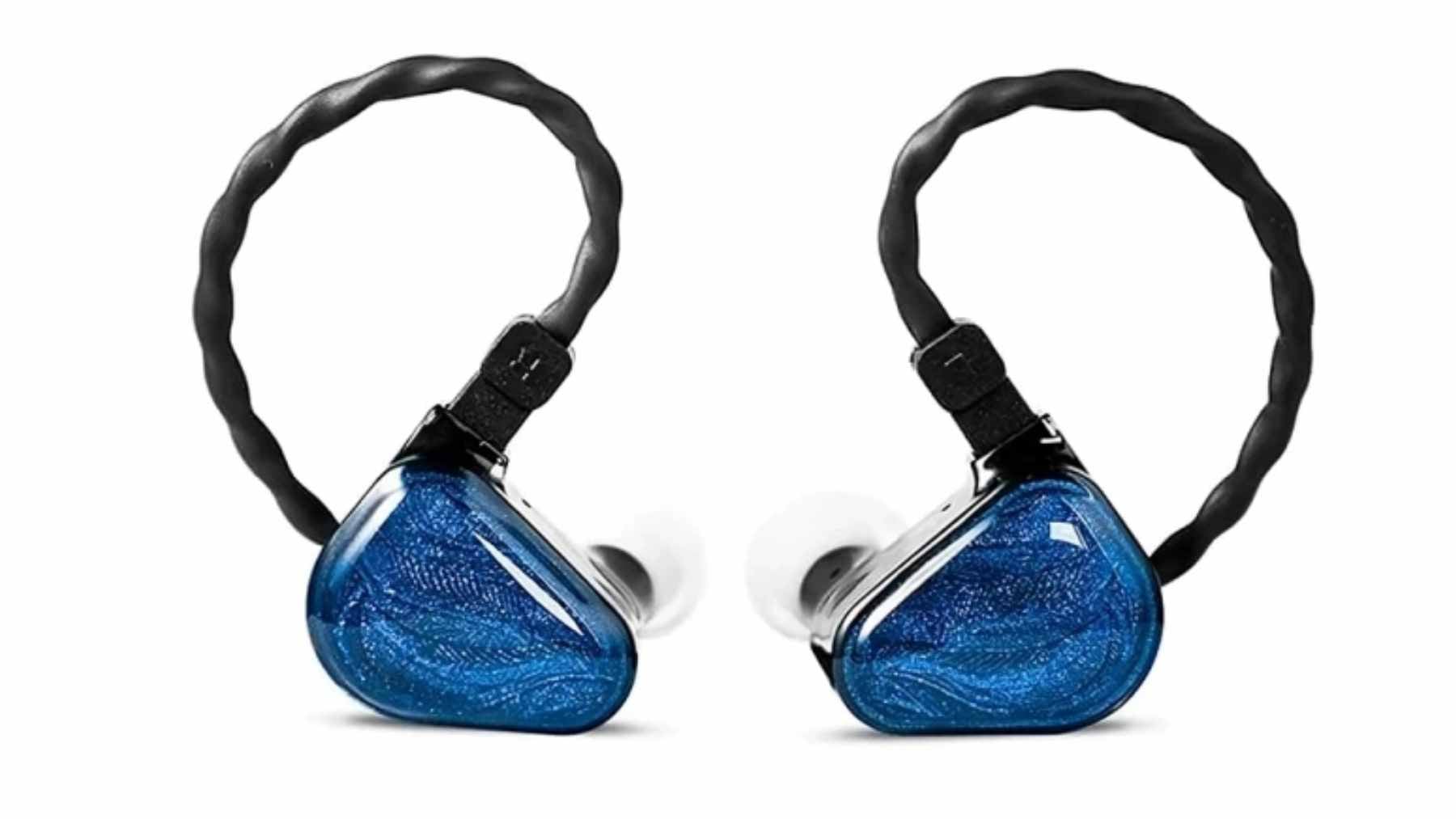
MOONDROP’s CHU II, for example, lists a 0.78 mm two-pin connection, a 3.5 mm plug, a 0.39-inch dynamic driver, and a frequency response of 15 Hz to 38 kHz. The company also lists replaceable acoustic filters, which gives users one more maintenance point before giving up on the device.
That does not make every IEM automatically green. Materials, shipping, packaging, and manufacturing still matter, but if a cable fails and the whole product does not have to be thrown away, that is a real difference.
Prices stretch from cheap to serious
The IEM market can be surprisingly wide. Some models are aimed at casual listeners who just want better audio than basic earbuds. Others are built for studio monitoring, stage use, or serious gaming.
MOONDROP’s CHU II sits near the affordable end, while Essonio lists its ES-C19 at $939.99, with five balanced armature drivers, a 5 Hz to 50 kHz range, a 4.4 mm balanced cable, and a detachable two-pin design.
That price gap matters. A commuter listening to music at work probably does not need a professional monitor. A musician, sound editor, or competitive gamer may see more value in a precise fit and stronger instrument separation.
What buyers should check first
The first thing to check is comfort. A great-sounding IEM is not useful if it hurts after 20 minutes. Ear tips come in different sizes, and the seal has to feel secure without pressure.
Next comes the use case. For calls, workouts, and quick errands, wireless earbuds can still make more sense. For focused listening, gaming, editing, or music practice, wired IEMs often offer better consistency.
Finally, look at the parts. A detachable cable, replaceable tips, available filters, and a sturdy case can help a pair last longer. That is good for the wallet, and it is better than sending another tiny gadget into the waste stream.
A small choice that adds up
IEMs are not a miracle fix for electronic waste, and they will not replace wireless earbuds for everyone. They do show, though, that better sound does not always mean more complexity.
At the end of the day, the smarter purchase may be the one that fits better, sounds clearer, and lasts longer. Small device, bigger impact.
The official product information was published on Sony’s INZONE E9 page.