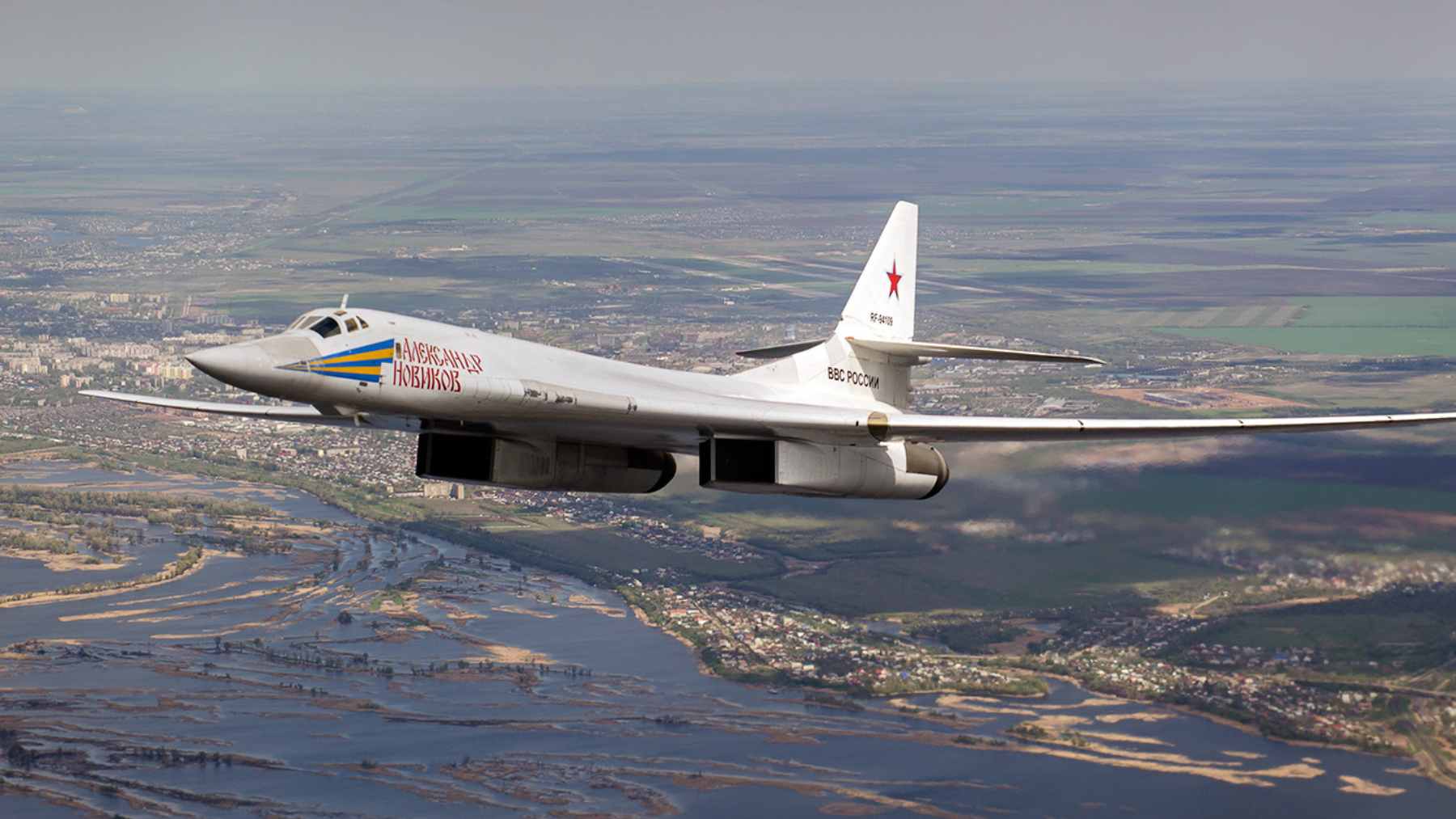
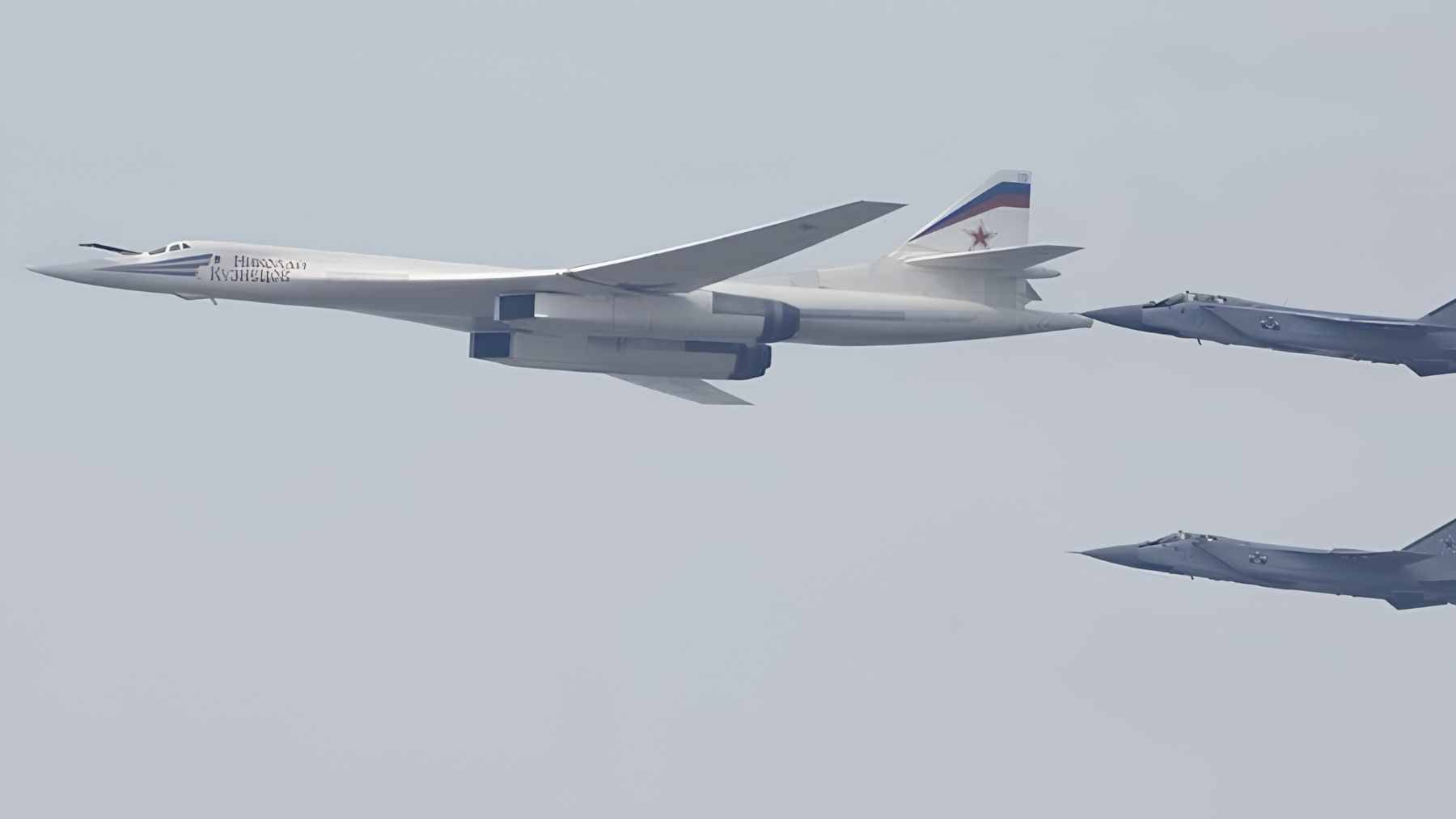
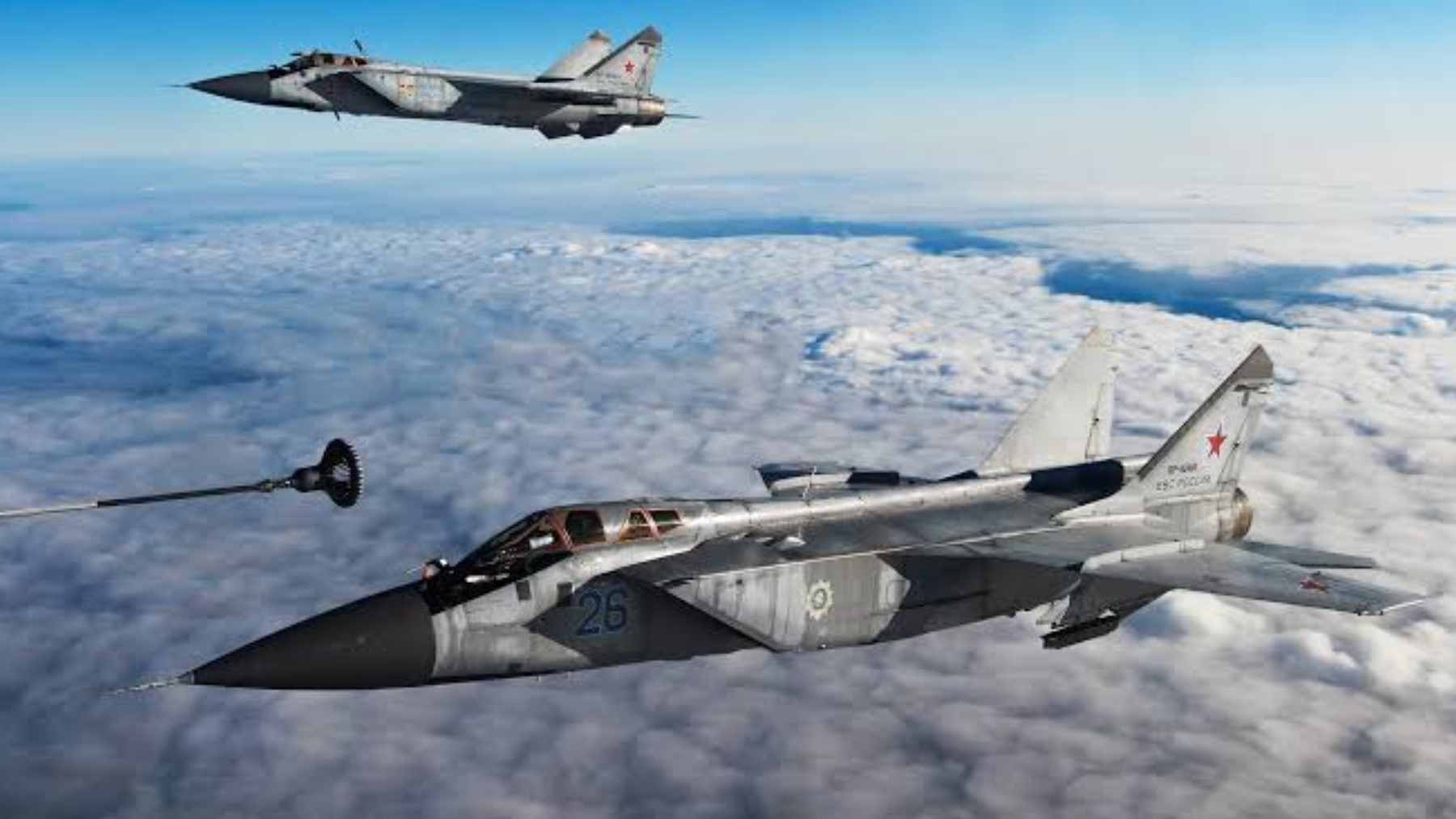
Russian Tu-160 strategic bombers spent about 16 hours over the neutral waters of the Barents and Norwegian Seas, escorted by MiG-31 fighters and supported by aerial refueling. Moscow called it a scheduled mission, but the flight quickly drew attention because Norwegian F-35s were also seen monitoring the aircraft near NATO’s northern edge.
At first glance, this looks like another chapter in the long-running military standoff in the High North, but there is another layer here. The Arctic is not just a strategic air corridor anymore. It is one of the fastest-changing environments on Earth, and every new show of military reach lands in a region already under heavy climate stress.
A long flight over fragile waters
According to Russia’s Defense Ministry, the Tu-160 crews practiced in-flight refueling during the mission, while MiG-31 aircraft provided fighter escort. The ministry said the aircraft remained over neutral waters and that Russian long-range aviation performs similar flights over the Arctic, North Atlantic, Pacific Ocean, Baltic Sea, and Black Sea on a regular basis.
That matters because the Arctic is no longer a remote blank space on the map. It is a busier military theater, a climate hotspot, and a future shipping corridor all at once. What happens there is increasingly tied to energy markets, defense budgets, and the everyday cost of security for NATO countries.
Norway’s F-35s, based at Evenes Air Station, regularly carry out Quick Reaction Alert missions when Russian aircraft approach areas of NATO concern. The Barents Observer reported that the Russian bombers were escorted by MiG-31 interceptors before continuing into international airspace over the Norwegian Sea.
Why the Arctic changes the story
Here is the uncomfortable part: the Arctic is warming much faster than the planet as a whole. A 2022 study in Communications Earth and Environment found that the region warmed nearly four times faster than the globe from 1979 to 2021.
The National Oceanic and Atmospheric Administration’s (NOAA) 2025 Arctic Report Card also warned that Arctic surface air temperatures from October 2024 through September 2025 were the warmest recorded since 1900. The last 10 years are now the 10 warmest on record in the Arctic, and the oldest, thickest sea ice has declined by more than 95% since the 1980s.
So when heavy military aircraft operate over the High North, the issue is not only who intercepted whom. It is also about how modern security planning is moving deeper into a region where ecosystems, ice, and coastal communities are already changing fast.
The military footprint problem
Militaries do not only move tanks, ships, and jets. They also burn fuel, build bases, maintain huge supply chains, and operate equipment that is hard to decarbonize. That is why the climate footprint of defense is getting more attention from researchers and governments.
The Conflict and Environment Observatory, working with Scientists for Global Responsibility, estimated in 2022 that the total military carbon footprint is approximately 5.5% of global greenhouse gas emissions. The same report warned that poor reporting and major data gaps make military emissions hard to measure with confidence.
That does not mean one Arctic patrol changes the climate by itself, but these missions are part of a much bigger pattern. At the end of the day, security in the Arctic is becoming more fuel-intensive at the same time the region is becoming more vulnerable.
NATO is watching the same risk
NATO has already framed climate change as a security issue, not just an environmental one. Its 2022 Strategic Concept describes climate change as a defining challenge with a profound impact on Allied security, and NATO says it now conducts annual climate and security assessments for its assets, missions, and operations.
In practical terms, air bases, runways, radar sites, ports, and logistics routes must be planned for a warmer and less predictable Arctic. Thawing permafrost, stronger storms, changing sea ice, and rising costs can all affect how militaries operate.
That is where this Tu-160 mission becomes more than a routine patrol. It shows how climate change is not reducing military competition in the north. In some ways, it is making the region more important.
Russia is protecting its bomber fleet
The patrol also comes as Russia appears to be taking steps to better protect its strategic bomber force on the ground. The War Zone reported that satellite imagery from June 20, 2026 showed major shelter construction at Engels Air Base in Russia’s Saratov region, with at least 17 large protective shelters visible.
Those structures are reportedly sized for large aircraft such as the Tu-95MS and Tu-160, two bombers associated with Russia’s long-range aviation branch. For Moscow, these aircraft are expensive, symbolic, and strategically important.
There is a simple reason this matters. When a country invests in protecting high-value aircraft, it is signaling that these platforms are expected to remain central to its military posture. More shelters, more patrols, more monitoring, more fuel–the cycle keeps turning.
What readers should keep in mind
No violation of NATO airspace has been confirmed in this case, and Russia described the mission as planned. Still, the image of Tu-160 bombers, MiG-31 escorts, an Il-78 refueling aircraft, and Norwegian F-35s in the same northern air picture says a lot about where Arctic security is heading.
The Arctic is becoming a test case for a difficult question. Can countries defend their interests in a region that is warming dramatically without making the environmental problem worse?
For now, the answer is still messy. The military logic points toward more readiness. The climate data points toward more restraint, better reporting, and cleaner technology wherever possible. Those two pressures are now meeting over some of the most fragile waters on Earth.
The official statement was published on Russia’s Ministry of Defense Telegram channel.