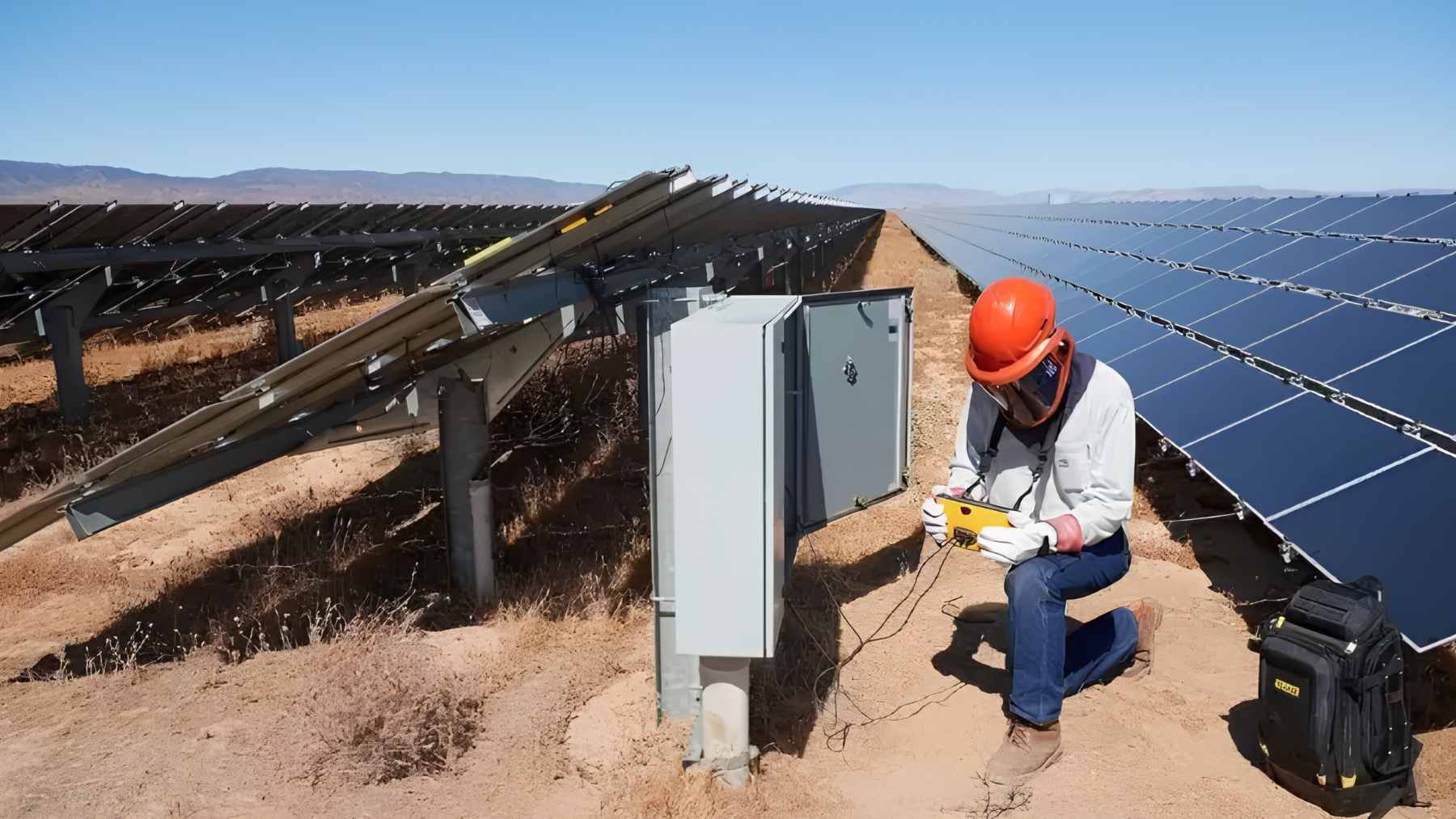
Drones have become one of the most awkward security problems of the modern battlefield. They can be cheap, small, and hard to spot, yet a single strike can threaten aircraft, power equipment, or a city’s basic services. Now a Czech company says the answer may start with something much simpler than radar: listening.
Neuron Soundware has introduced Sound Shield, a passive acoustic system that uses AI and small microphone units to recognize drones by their engine sound.
The idea is not to replace air defense radar, at least not yet, but to add a low-power warning layer around substations, industrial sites, solar facilities, and other critical infrastructure. In practical terms, it tries to turn the electric grid into a set of ears.
The drone problem got cheaper
The war in Ukraine has made one thing painfully clear: small drones can create damage far beyond their price tag, and traditional defenses are not always designed for swarms of low-flying machines.
One of the clearest examples came during Ukraine’s Operation Spiderweb in June 2025. Ukrainian officials said 117 drones were used in attacks on Russian air bases, while Reuters later reported U.S. estimates that about 20 aircraft were hit and roughly 10 were destroyed.
The Ukraine’s security service, SBU, put the damage at $7 billion, though that figure has been disputed and remains hard to verify independently.
How Sound Shield listens
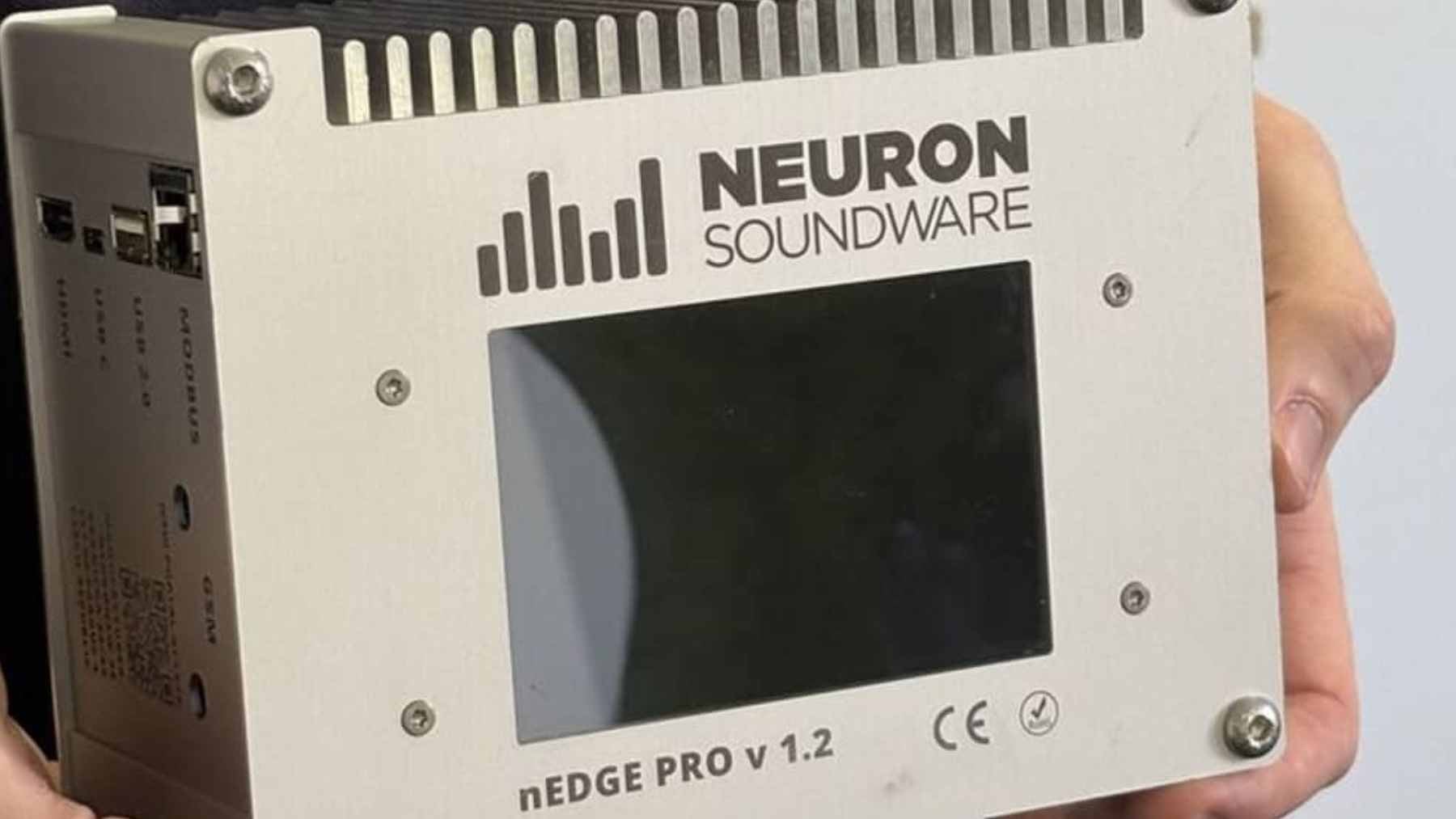
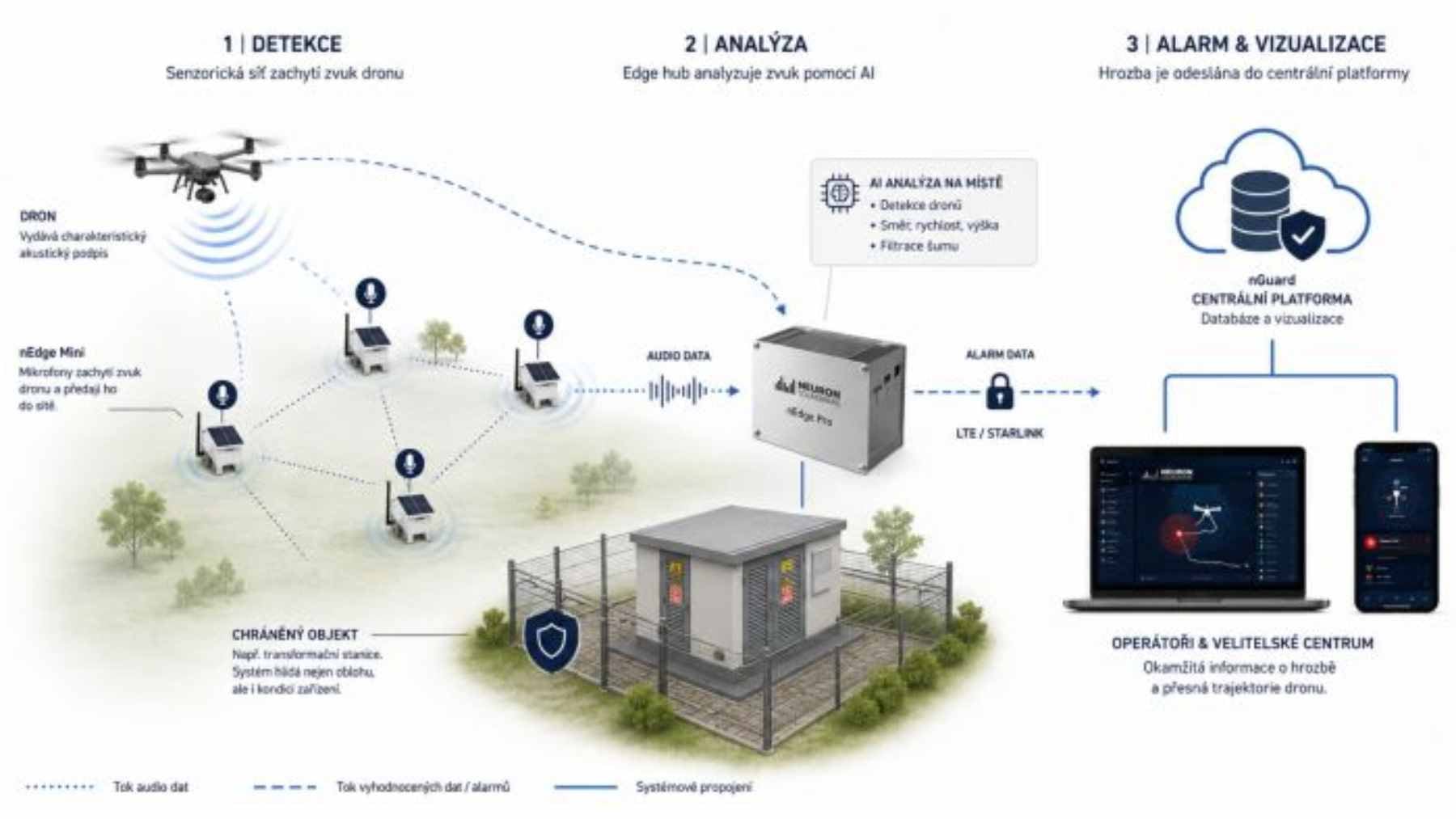
Sound Shield is built around small units called nEdge Mini sensors. These microphone-based devices listen for drone acoustic signatures, then pass relevant data to an nEdge Pro computing hub that uses AI to classify the sound, estimate the drone’s movement, and send alerts to a central platform.
The price is the hook. Neuron Soundware says each nEdge Mini costs about $115 to $170 to make, based on recent exchange rates, and uses only about one watt of power. That makes it possible, at least in theory, to place many sensors around a border, factory, power station, or city without building a radar network from scratch.
Why radar is not enough
Radar still matters. Nobody serious is saying that microphones alone can replace modern air defense systems, especially against fast aircraft, missiles, or complex battlefield threats.
Radar has two everyday problems in the drone age, though. It can be expensive, and because it emits signals, it can reveal itself. Sound Shield is passive, which means the sensors do not broadcast a signal while operating. They just listen, and that can matter in both military and civilian settings.
Pavel Konečný, founder and CEO of Neuron Soundware, summed up the basic idea in a line that feels almost too simple: “The sound of the engine cannot be hidden,” he said. For now, that is the weak spot Sound Shield is trying to exploit.
Power grids could become listening posts
The most interesting part of the plan may not be the battlefield at all. Neuron Soundware is pitching Sound Shield as a dual-use system that could sit on electrical transformer stations and monitor both equipment health and nearby airspace.
That matters because many utilities already need sensors to detect failures before they cause outages, fires, or expensive shutdowns. According to the company’s press-release material, the same acoustic units could detect internal discharges, oil leaks, and other transformer problems while also listening for drones overhead. Konečný described it more simply when he said the microphones “listen to the sky.”
There is an environmental angle here, too, though it should not be overstated. A one-watt sensor network is not a climate solution by itself, but using existing substations could reduce the need for duplicate installations and help protect energy infrastructure, including solar and industrial sites. That is the kind of practical green benefit that does not always fit neatly on a brochure.
The catch is noise
Sound is useful, but it is messy. Wind, rain, traffic, wildlife, construction work, and machinery can all make acoustic drone detection harder, especially in cities or near busy industrial sites.
Independent research has repeatedly found that acoustic systems tend to work best at relatively short distances. Some studies place practical detection ranges in the hundreds of yards under favorable conditions, while recent work also points to limited range, environmental noise, and multipath sound reflections as ongoing challenges.
That’s why Sound Shield is best understood as one more layer, not a silver bullet. A microphone may notice what radar misses, but radar, radio-frequency sensors, cameras, and human operators still have roles to play. Defense, like home security, usually works better when there is more than one lock on the door.
A fast-growing defense business
Counter-drone technology is becoming big business. MarketsandMarkets projects the global anti-drone market will grow from $4.48 billion in 2025 to $14.51 billion by 2030, pushed by military threats, airport security needs, and worries about critical infrastructure.
That growth gives startups a real opening. A country may not be able to place military-grade radar everywhere, but it might be able to add cheaper sensors to substations, factories, ports, and energy sites. The question is whether those systems can perform reliably when the air is noisy and the stakes are high.
Sound is hard to hide
For the most part, Sound Shield’s promise is not dramatic. It will not shoot down a drone, and it will not make traditional air defense obsolete.
What it could do is buy time. A few extra seconds or minutes can matter when a drone is approaching a transformer, a solar farm, a military vehicle, or a crowded area. Sometimes, early warning is the difference between a near miss and a very expensive morning.
The press release was published on Armádní noviny.