The green energy transition is often pictured as a field of spinning turbines, but the real story sometimes starts in a factory, with steel plates, bolts, welders, and young engineers learning on the job.
In New South Wales, Squadron Energy’s 414 MW Uungula Wind Farm has now reached a major construction milestone, with all 69 turbine anchor cages complete and the final units moving toward the project site near Wellington.
That may sound like a small detail in a very large wind farm. It is not. These massive steel cages sit at the base of each turbine, and the project is showing how renewable power can do more than cut emissions–it can also pull work back into local manufacturing, one heavy component at a time.
Steel with a local story
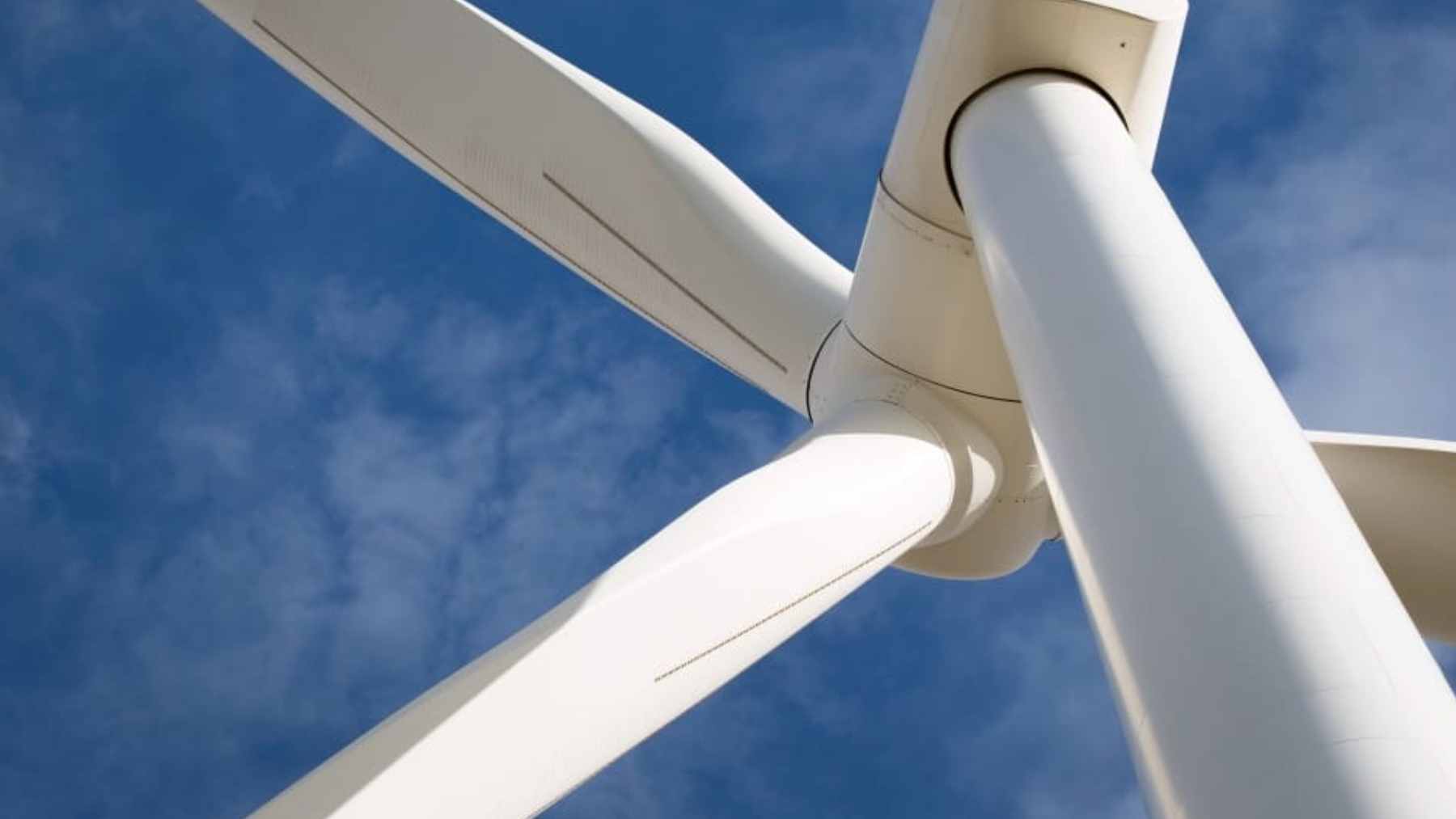
The Uungula Wind Farm will feature 69 GE 6 MW turbines and a maximum capacity of 414 MW. Once complete, Squadron Energy says it will generate enough electricity to power more than 220,000 homes and prevent more than 617,000 tons of carbon emissions from entering the atmosphere each year.
The project is located on Wiradjuri Country, about 8.7 miles east of Wellington, New South Wales. It is currently under construction, and its latest milestone is a very practical one. Before a turbine can rise into the sky, its foundation has to be ready to carry years of wind, weather, vibration, and heavy loads.
That’s where the anchor cages come in.
The hidden foundation
Precision Oxycut, a Western Sydney steel-cutting company, fabricated the steel plates for the anchor cages. Allthread Industries, based in nearby Regents Park, manufactured the bolts, while the cages were assembled at Oxycut’s Newcastle warehouse before delivery to the Uungula site.
Each cage uses 100% Australian steel supplied by BlueScope and produced at the Port Kembla Steelworks. In everyday terms, these are not decorative parts. They are the quiet, buried hardware that helps decide whether a clean energy project can stand securely for decades.
Squadron Energy Regional Economic Development Manager Bart Sykes said the partnership matters because of where the work is being done. “It’s fantastic to see Australian manufacturers, like Precision Oxycut in Western Sydney, playing a critical role in Uungula Wind Farm,” he said.
Six new jobs
The impact is not only measured in megawatts. According to Squadron Energy, demand from Uungula alone has led to six new jobs at Precision Oxycut, with staff hired specifically to support the cage production work.
That number may not sound huge beside a 69-turbine wind farm, but for a factory floor, it can be the difference between standing still and training the next generation. Precision Oxycut and Allthread Industries General Manager Simon Preston said the collaboration created “real jobs with real futures for Australian manufacturing.”
He also pointed to apprenticeship roles that had not existed in the factory for decades and an engineering team filled with young graduates working on major infrastructure projects straight out of university. For young workers, that is not just a climate policy headline. It is a paycheck, a trade, and a reason to stay in a skilled industry.
Why it matters
Renewable energy projects are sometimes criticized for relying too heavily on imported equipment. Uungula does not erase that concern, but it shows a more grounded possibility. Local companies can take on critical parts of the supply chain when project owners, steelmakers, and manufacturers line up early enough.
BlueScope says about 88 tons of steel are used for every MW of wind energy, which helps explain why the manufacturing opportunity is so large. For the Uungula anchor cages alone, BlueScope says about 1,543 tons of steel are being processed for the project.
Still, there is a catch. BlueScope notes that components such as anchor cages represent only a small percentage of the steel used in a wind project. In practical terms, the bigger prize may be expanding local steel use into towers and other structural parts, not just the foundations.
The bigger green economy
The Uungula example is also a reminder that climate infrastructure is not only about producing cleaner electricity. It is about building the industrial muscles needed to keep producing it, repairing it, and scaling it across regions.
For Australia, that matters. Large-scale renewable projects need roads, substations, transmission, towers, foundations, worker accommodation, training programs, and long delivery chains. The wind farm itself may be the headline, but the economic ripple spreads through workshops, transport companies, steel suppliers, and regional towns.
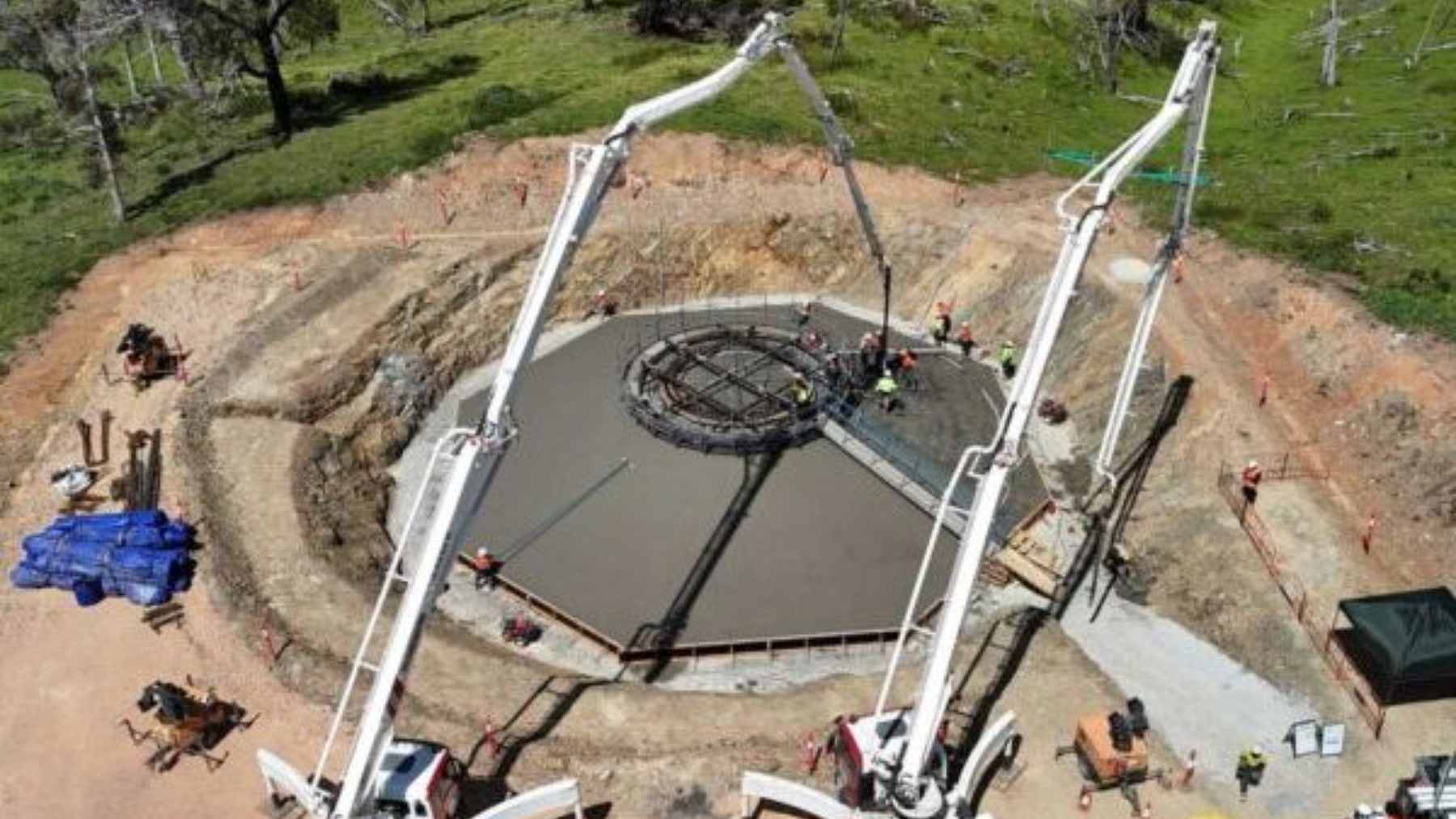
Squadron Energy says the project is creating 262 direct jobs and bringing AUS $41 million (USD $27 million at current exchange rates) in regional investment.
More than one project
Precision Oxycut is not new to this space. The company has previously built anchor cages for Bango Wind Farm, Crudine Ridge Wind Farm, Murra Warra Wind Farm, and Clarke Creek Wind Farm, according to Squadron Energy.
That track record matters because one-off contracts rarely rebuild a supply chain–repeated projects do. They help companies justify apprenticeships, hire engineers, improve tooling, and compete for the next job without starting from zero each time.
Could this become the model for more renewable projects? To a large extent, that depends on how much of the supply chain developers are willing and able to localize. Anchor cages are a start, but the real test will be whether factories can capture a larger share of the hardware behind future wind farms.
A foundation for the future
At the end of the day, Uungula’s 69 steel cages are doing two jobs. One is obvious: they will help hold up turbines that are expected to power hundreds of thousands of homes.
The other is easier to miss. They are giving local manufacturers a foothold in the clean energy buildout, proving that the road to lower emissions can pass through existing industrial towns and skilled workshops.
That does not solve every challenge facing renewable energy supply chains, but it does give the transition a more tangible shape. Steel in the ground. Jobs in the factory. Power on the grid.
The official statement was published on Squadron Energy.