A U.S. commercial satellite has found, approached, circled, and photographed another spacecraft in just 61 hours, completing a tightly timed Space Force exercise in low Earth orbit.
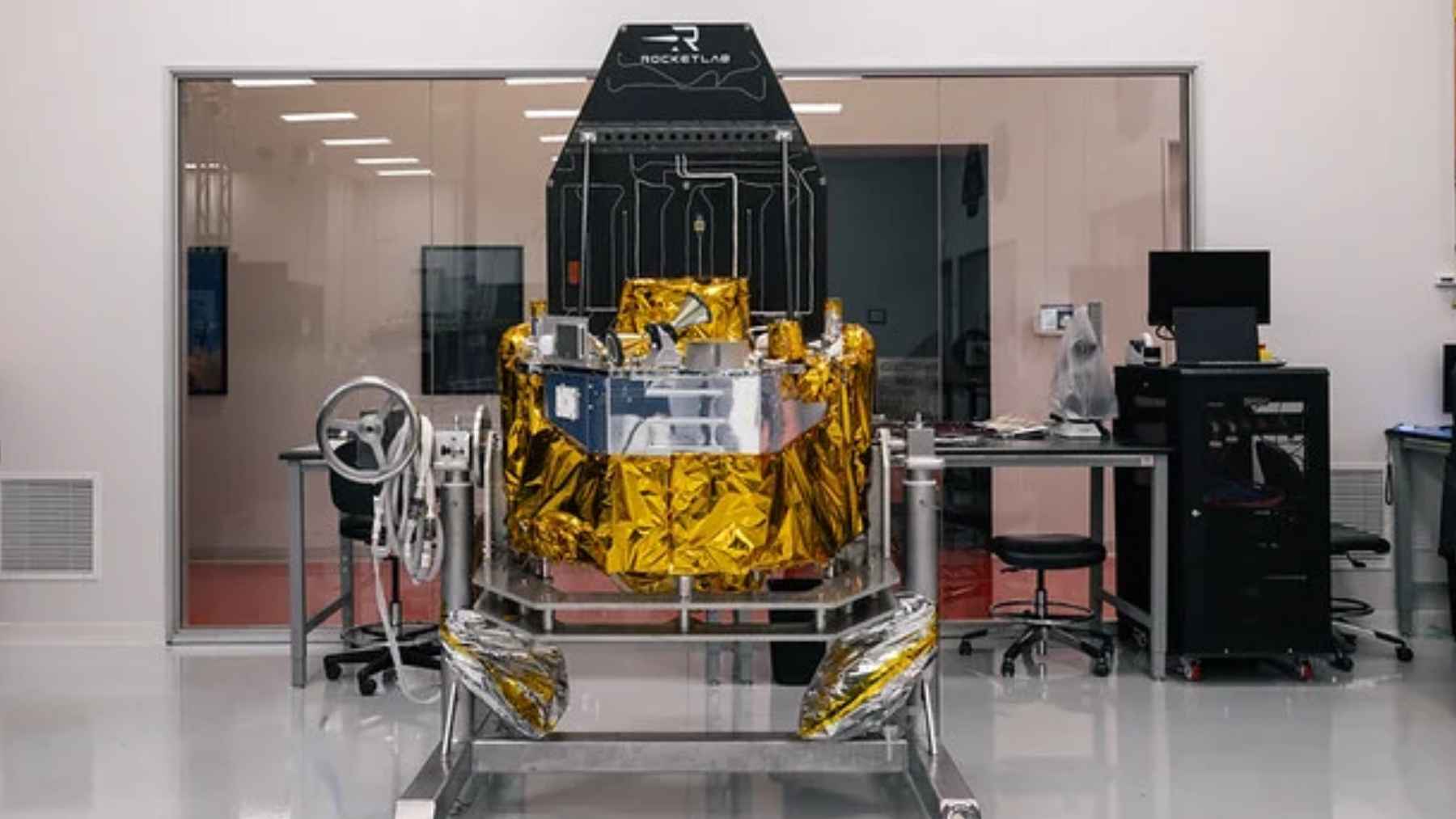
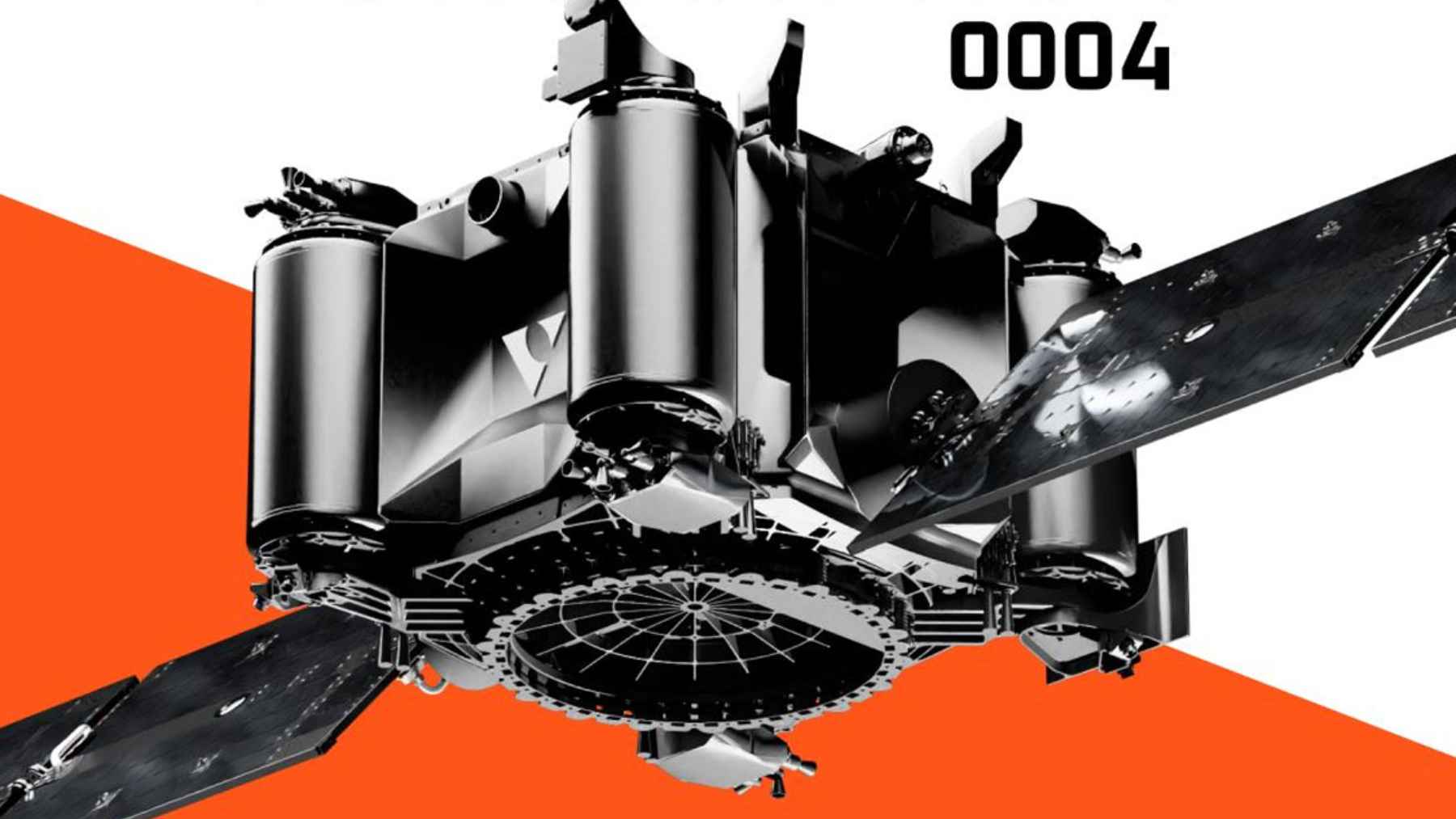
True Anomaly’s JACKAL-0004 pursued Rocket Lab’s Pioneer-class Puma spacecraft after it was launched into an orbit that had not been disclosed in advance, then delivered processed imagery to operators on the ground.
The result matters because VICTUS HAZE joined rapid launch, target detection, orbital pursuit, and data delivery into one continuous chain.
The United States essentially showed that a response once organized around long mission schedules can now unfold in a few days, although the same speed raises fresh questions about safety and sustainability in an already crowded orbital environment.
A 61-hour orbital chase
Rocket Lab launched Puma from Mahia, New Zealand, on June 19, 2026, only 16 hours and 42 minutes after receiving its notice to launch. The spacecraft was built on Rocket Lab’s Pioneer platform, while JACKAL-0004 had already reached orbit on a SpaceX Falcon 9 rideshare mission on May 3.
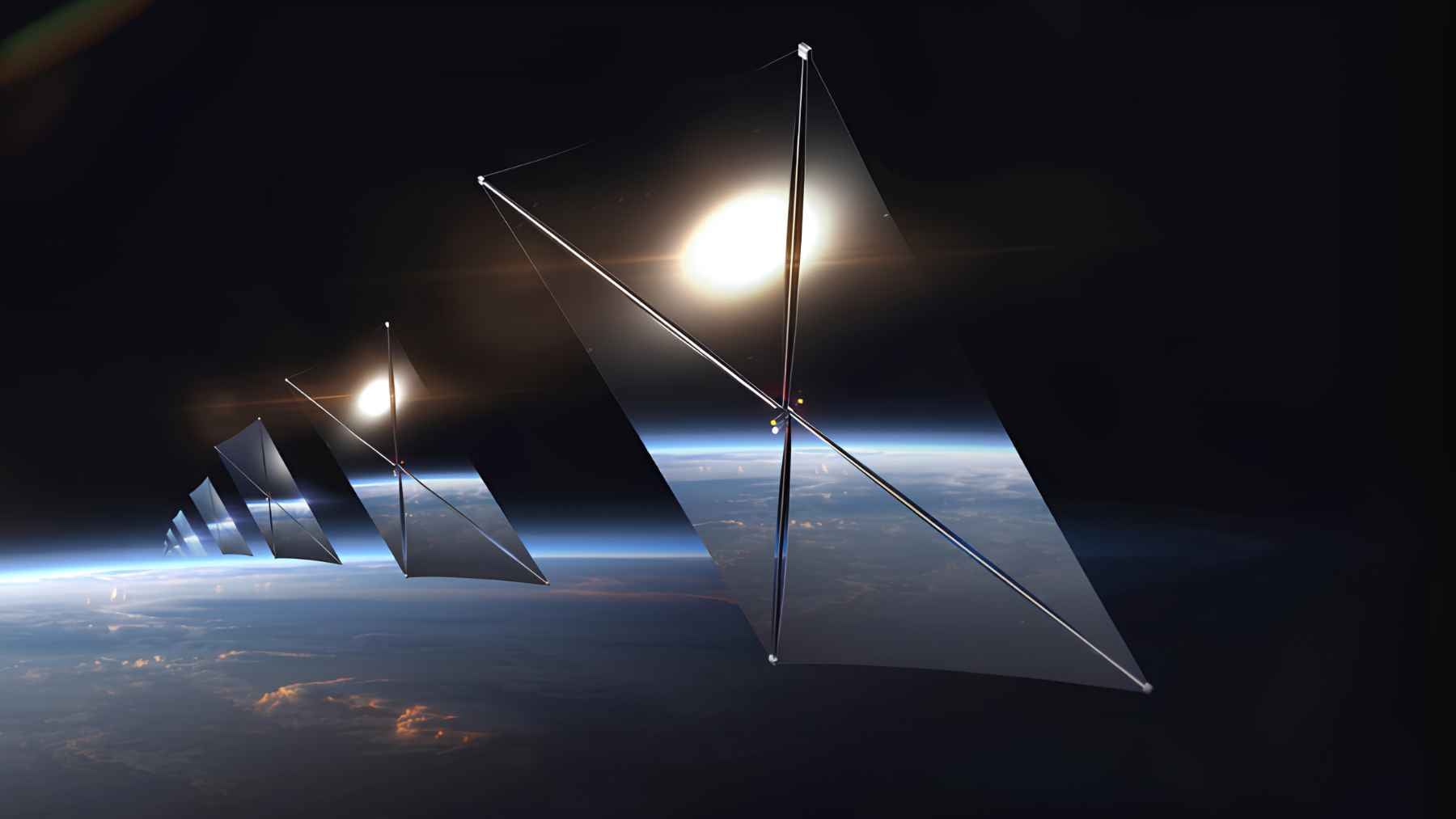
True Anomaly said its sensors acquired Puma within hours. Jackal then changed its orbit, closed the distance, made multiple relative circles around the noncooperative target, photographed it from several angles, and returned to its base orbit after the inspection.
“Custody came first. The sortie came next,” the company said. This was not a collision, docking, or physical seizure, but a controlled rendezvous and proximity operation designed to show that an unfamiliar spacecraft could be found and characterized quickly.
Why the clock matters
Why compress so much work into a few days? The Space Force created Tactically Responsive Space to acquire, launch, and operate spacecraft on timelines that could matter during an urgent orbital event, rather than waiting for a traditional program cycle.
The target orbit was selected on short notice, and Rocket Lab said its guidance team needed about four hours to calculate final trajectories, update flight software, and coordinate ground stations. That is the orbital equivalent of receiving a destination after the engine is already warm.
True Anomaly’s 61-hour sortie was only one half of the exercise. Rocket Lab later reported that Puma completed its own pursuit and imaging sequence in less than 59 hours, finishing 25 hours inside an 84-hour deadline and showing that both commercial teams could operate as the hunter rather than simply the target.
Software took the lead
True Anomaly’s Mosaic command-and-control software planned Jackal’s sortie, commanded maneuvers, and ran the imaging passes. The system also helped turn observations into products that could be processed and distributed, reducing the number of handoffs across the mission chain.
That is the quiet breakthrough. Software can shorten reaction time when communication windows are limited, but autonomy is not permission to improvise around other spacecraft.
Objects in low Earth orbit typically travel at roughly 15,700 to 17,900 mph, according to NASA. At those speeds, a small planning error can become a major safety problem, so automated maneuvering still depends on precise tracking, clear operating rules, and human oversight.
Business is reshaping space defense
VICTUS HAZE also shows how private capital is moving deeper into national security space. SpaceWERX said the True Anomaly effort totaled $60 million, split between $30 million in Space Force funding and $30 million in private investment, while Rocket Lab received $32 million through the Defense Innovation Unit.
This is not the government stepping away. It is changing how capability is bought and tested by combining military tasking with commercially developed spacecraft, software, factories, and launch infrastructure.
Rocket Lab went a step further by designing, building, launching, and operating Puma under one prime contract, which the company described as a first for the TacRS program. At the end of the day, procurement speed may be nearly as important as propulsion.
The environmental catch
Fast orbital response is useful, but the neighborhood is getting busy. The European Space Agency reported about 45,980 objects regularly tracked around Earth as of June 25, 2026, while only about 16,000 satellites were still functioning.
That leaves roughly 30,000 tracked objects that are not working satellites, including dead spacecraft, rocket hardware, and fragments. ESA’s latest environment report also says debris has outnumbered operational satellites since the start of the space age and warns that current global compliance is still too low to guarantee a sustainable orbital environment over the long run.
Nothing in the official VICTUS HAZE accounts indicates that the exercise involved contact or created debris. Still, the same family of rendezvous, inspection, and precision navigation skills can support civilian work such as checking damaged satellites, servicing spacecraft, or helping remove dead hardware from orbit.
What happens next
Rocket Lab plans to keep operating Puma for several more months under additional Space Force tasking, while True Anomaly says Jackal and Mosaic are ready for further sorties. The next rounds are expected to test more advanced rendezvous tactics and make rapid response a repeatable capability rather than a one-time demonstration.
VICTUS HAZE does not prove the United States can solve every orbital threat. It does show that commercial spacecraft can be launched, tasked, and maneuvered on a clock measured in hours rather than months.
The harder benchmark comes now: make that speed routine, transparent, and safe enough for a crowded sky.
The latest official press release was published on Rocket Lab.