















Latest Post

Rodrigo Arteaga, doctor: four benefits of walking that nobody tells you about, and the one for your brain arrives first
Published On: August 8, 2026 at 6:00 PM

Gabriel Garcia Marquez on life: it is nothing but a continuous run of chances to survive, and that is why people keep quoting it
Published On: August 8, 2026 at 3:45 PM

The old remedies for cleaning out your gut still work, and the one doctors do not object to uses two ingredients
Published On: August 8, 2026 at 1:45 PM

A nutrition researcher read thousands of studies and now eats by a three rule principle, and the first rule cancels most diets
Published On: August 8, 2026 at 12:30 PM

Dale Carnegie: when you deal with people, remember you are not dealing with rational beings, but with emotional ones
Published On: August 8, 2026 at 10:35 AM
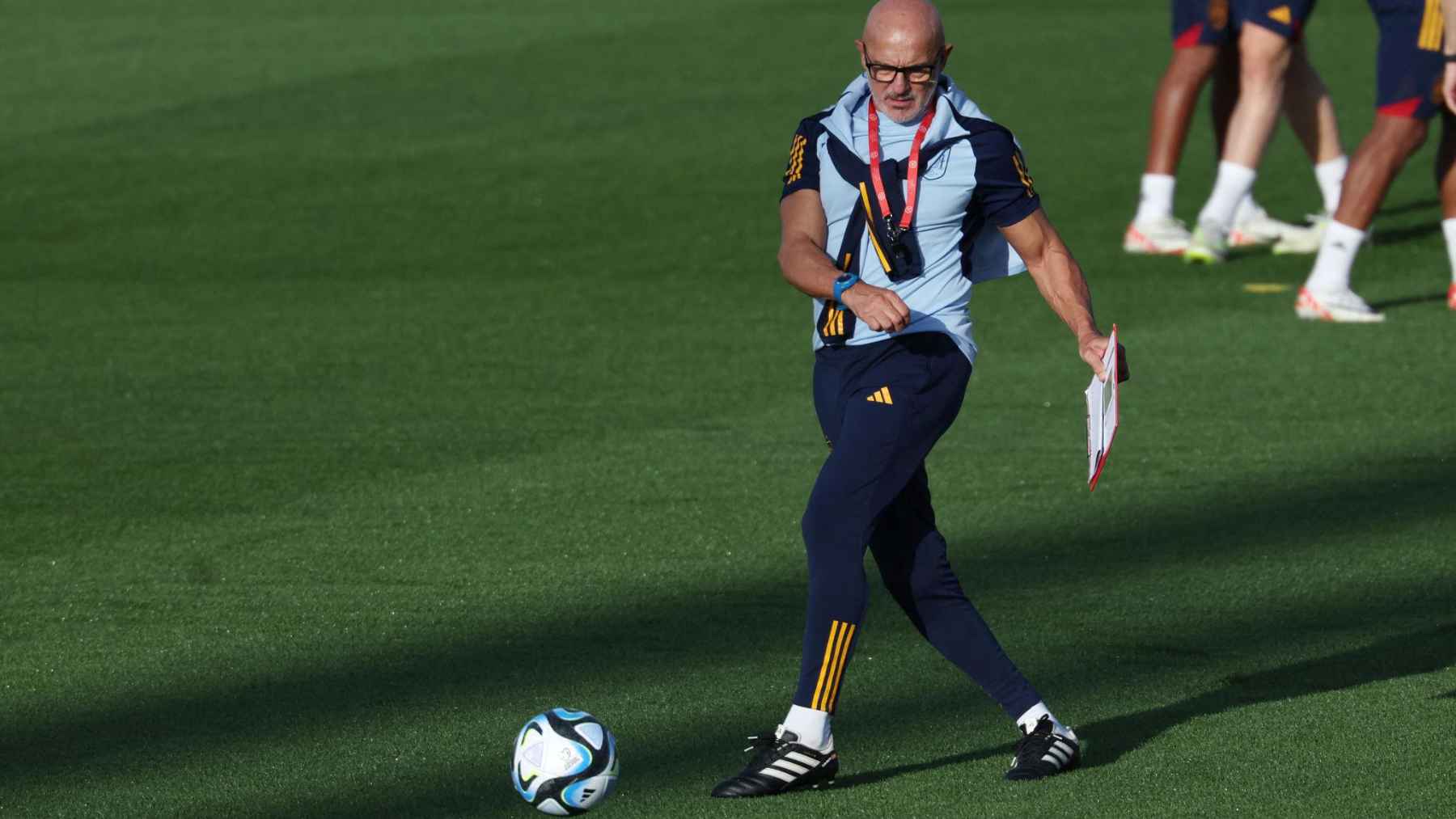
Luis de la Fuente, 65: I train an hour in the gym every single day, and I love fried eggs with potatoes
Published On: August 8, 2026 at 7:45 AM

Arnold Schwarzenegger: just remember, you cannot climb the ladder of success with something, and what he names is not talent
Published On: August 8, 2026 at 6:00 AM
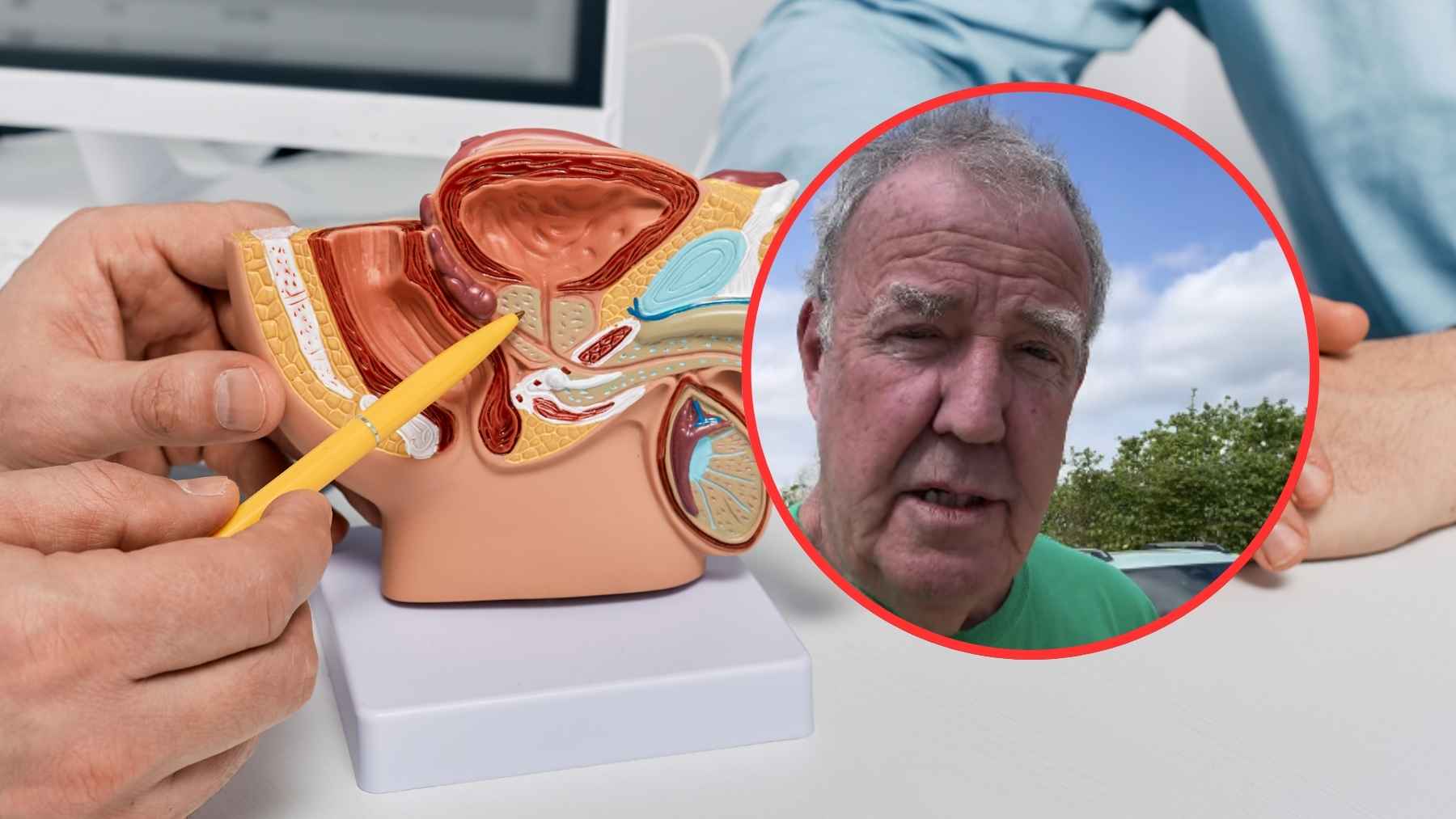
The prostate cancer treatment a famous presenter chose cuts the risk of side effects, and it is already available where most men are not offered it
Published On: August 7, 2026 at 6:00 PM
