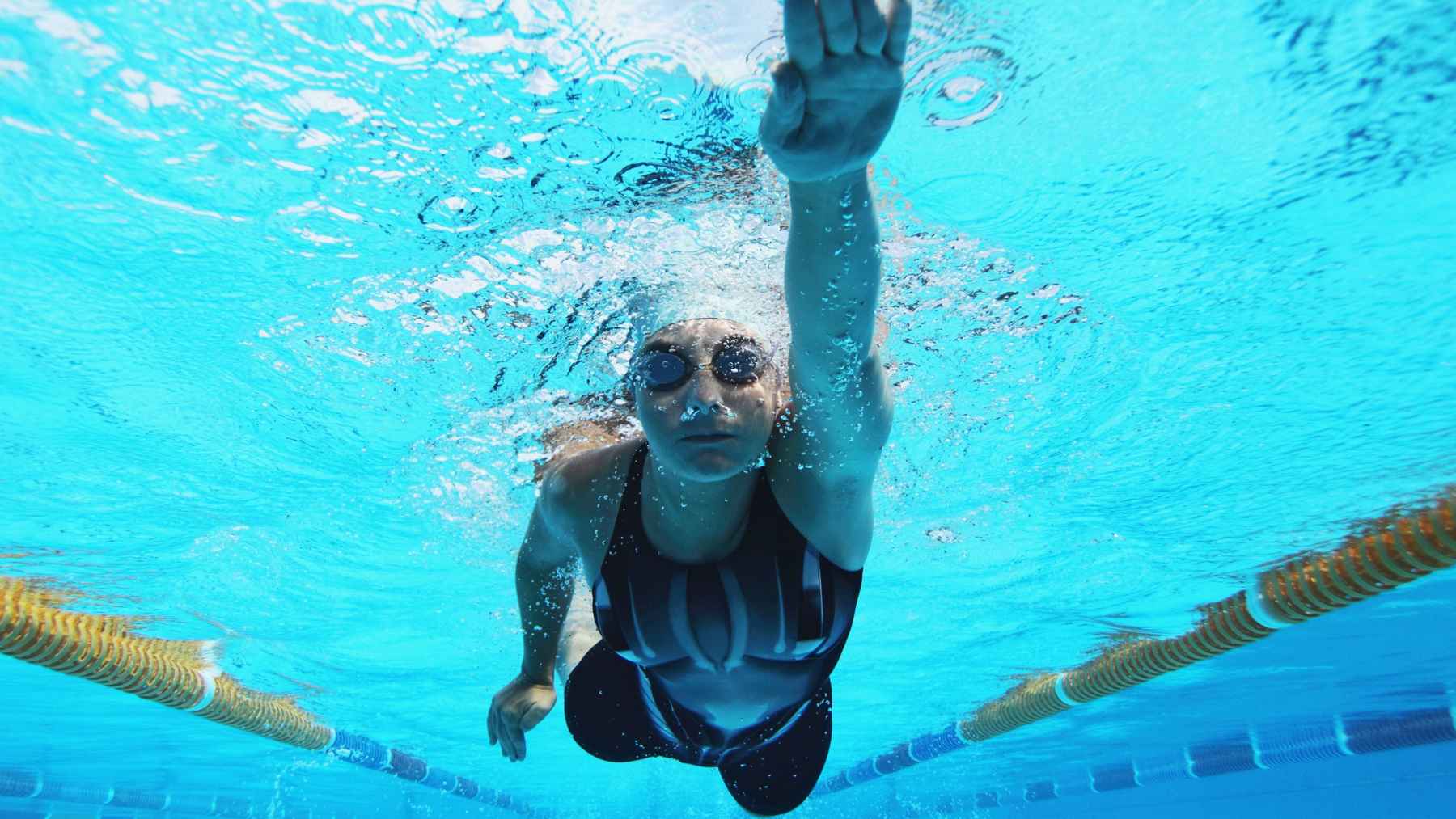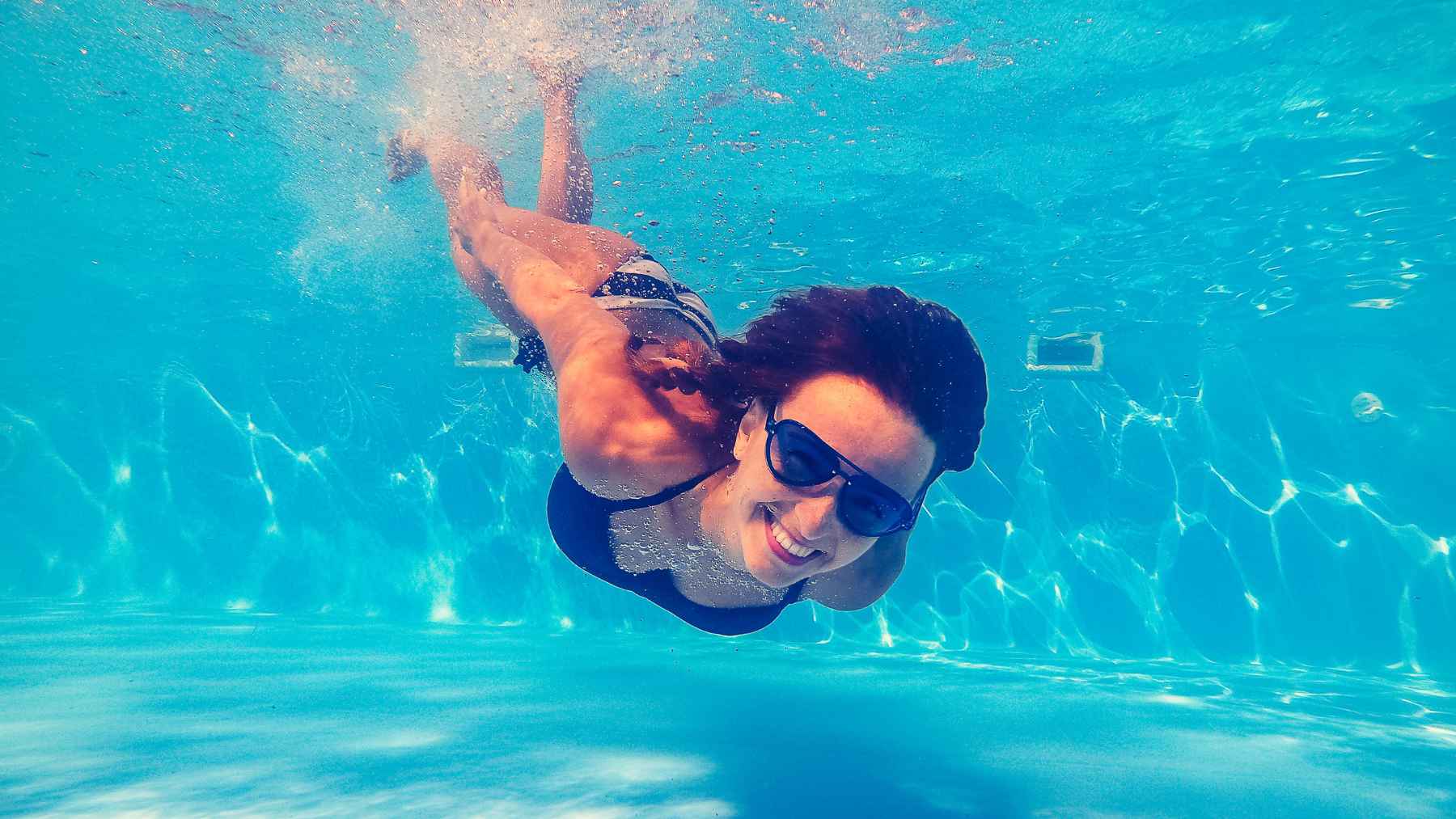
Swimming is getting new attention as people look for workouts that do more than burn calories. At a time when long workdays, screens, traffic, and stress can make movement feel like one more task, water offers something different.
The reason matters. The World Health Organization says 31 percent of adults worldwide did not meet recommended physical activity levels in 2022, while Peru’s Ministry of Health has reported that only 26 percent of Peruvian adults do regular physical activity.
That helps explain why swimming and aquatic exercise are being presented as practical tools for the heart, joints, muscles, and mood.
Why water changes the workout
Swimming is often described as “low impact.” In simple terms, that means the water supports part of your body weight, so your knees, hips, and spine do not take the same pounding they might during running or jumping.
That can be a big deal for people who are restarting exercise after a long break. It also helps older adults, people with joint discomfort, and anyone who wants to move without feeling beat up the next day.
A full-body routine
“The aquatic workout allows people to work the whole body, improve endurance, and reduce stress,” said María Eneyda Romero, Brand Manager of Swim World. That combination can make it easier to maintain a routine over time.
Each swim session activates the arms, legs, core, and back at the same time. The water pushes back against every movement, so even a simple lap becomes a kind of resistance workout.
Why joints tend to like it
Dr. Matthew Crowe, an orthopedic surgeon and sports medicine expert at Mayo Clinic, states it simply. “Swimming is easy on the joints, and it’s very good for both cardiac health and your core strength,” he said.
That does not mean swimming is risk-free. Competitive swimmers can develop overuse injuries, especially in the shoulders, but those problems are often linked to poor form, overtraining, or not using core muscles correctly.
The heart and lungs get involved
Swimming is an aerobic exercise, which means the body uses oxygen continuously while the heart and lungs keep working. Over time, that can improve endurance and help circulation.
The breathing pattern also matters. Coordinating a breath with each stroke forces swimmers to slow down, pay attention, and control effort instead of rushing through the workout.
The mental reset in each lap
There is also the emotional side. After a day of deadlines, noise, and that drained feeling many people know too well, the rhythm of swimming can feel like a reset button.
The CDC notes that swimming can improve mood and that people often report enjoying water-based exercise more than land-based workouts. It also says people can exercise longer in water without increasing joint or muscle pain, which is especially useful for people with arthritis.
What research says about stress
A 2022 review led by Zhengyan Tang at Tsinghua University looked at 18 original trials on aquatic exercise, mood, and anxiety symptoms. The researchers found that aquatic exercise was linked to improved mental health, though they also warned that larger, higher-quality studies are still needed.
That nuance is important. Swimming is not a cure-all, but for the most part, it can be one useful piece of a broader health routine, especially for people dealing with stress or poor sleep.
Technique matters more than speed
Romero also emphasized that technique is not just for athletes. Efficient strokes help swimmers use less energy, breathe better, and avoid unnecessary strain, especially when training in open water or during changing weather.
That is one reason countercurrent pools, sometimes known through systems like Endless Pools, are gaining interest. They create an adjustable current, almost like a treadmill for swimming, so people can train continuously without needing a large pool.
A practical path out of inactivity
For someone who has not exercised in months, the goal does not have to be dramatic. A short, steady swim two or three times a week can be more realistic than promising to overhaul an entire life overnight.
In practical terms, the biggest benefit may be sustainability. Swimming can be gentle enough for beginners, demanding enough for advanced athletes, and flexible enough for rehabilitation, fitness, or stress relief.
What happens when you keep showing up
With regular practice, the body adapts. The heart works more efficiently, breathing can feel easier, posture may improve, and muscles around the core, shoulders, hips, and legs become stronger.
The emotional payoff can be just as noticeable. Many swimmers describe feeling calmer after leaving the pool, partly because movement helps release endorphins, the brain chemicals often linked with a better mood.
Swimming’s biggest advantage
At the end of the day, swimming’s power is that it meets people where they are. You can move slowly, train hard, recover from discomfort, or simply clear your head after a long day.
That makes it one of the most complete forms of exercise available. Not perfect. Not magic. But for many people, it is a realistic way to get moving again.
The main systematic review cited in this article was published in Frontiers in Psychiatry.