Have you ever woken with your calf suddenly hard and painfully twisted? A nighttime leg cramp is a sudden, involuntary muscle contraction, usually in the calf, foot, or thigh, that often fades within seconds or a few minutes.
For most people, it is temporary and not a sign of dangerous illness, but frequent cramps, broken sleep, swelling, weakness, numbness, skin discoloration, or pain while walking deserve a closer look. A systematic review estimated that up to one in three people over 50 experience them.
What a nighttime cramp means
A cramp happens when muscle fibers tighten without conscious control. The muscle may feel like a hard knot, and soreness can linger after it releases. Typical episodes cause intense pain, interrupt sleep, and last from seconds to no more than 10 minutes.
The foot often points downward during sleep, which shortens the calf. After a day of standing, walking, hard training, or hours in one position, a tired muscle may be more irritable. One small movement can set it off.
Why legs cramp at night
Common contributors include overuse, a sudden jump in exercise, dehydration, sweating in hot weather, poor conditioning, and long periods of inactivity. The risk rises with age. Often, though, no single cause is found.
Some medicines are linked to cramps, including diuretics and certain cholesterol-lowering drugs, but never stop a prescription on your own. A clinician can review the dose, timing, and other symptoms.
Not the same as restless legs
Both problems appear around bedtime, but they feel different. A cramp causes sharp pain and a noticeably tight muscle, while restless legs syndrome usually creates an uncomfortable urge to move, sometimes with crawling, tingling, or throbbing sensations.
Why does that matter? The causes and treatments differ. Treating every nighttime leg sensation as a mineral shortage can delay the right evaluation.
Warning signs to take seriously
Seek medical advice when cramps are frequent, severe, last longer than about 10 minutes, or repeatedly leave you exhausted from lost sleep. Tingling, numbness, weakness, or muscle loss can point to nerve involvement.
Pain that begins while walking and eases after stopping may signal peripheral artery disease, meaning narrowed arteries are not delivering enough blood to working muscles. Cold or discolored feet and slow-healing sores add to the concern, according to American Heart Association guidance.
Sudden swelling in one leg, warmth, redness, and unexplained tenderness can be signs of a deep vein blood clot. CDC guidance calls for prompt care, and chest pain, fainting, or sudden breathing trouble requires immediate medical help. That is not a wait-and-see moment.
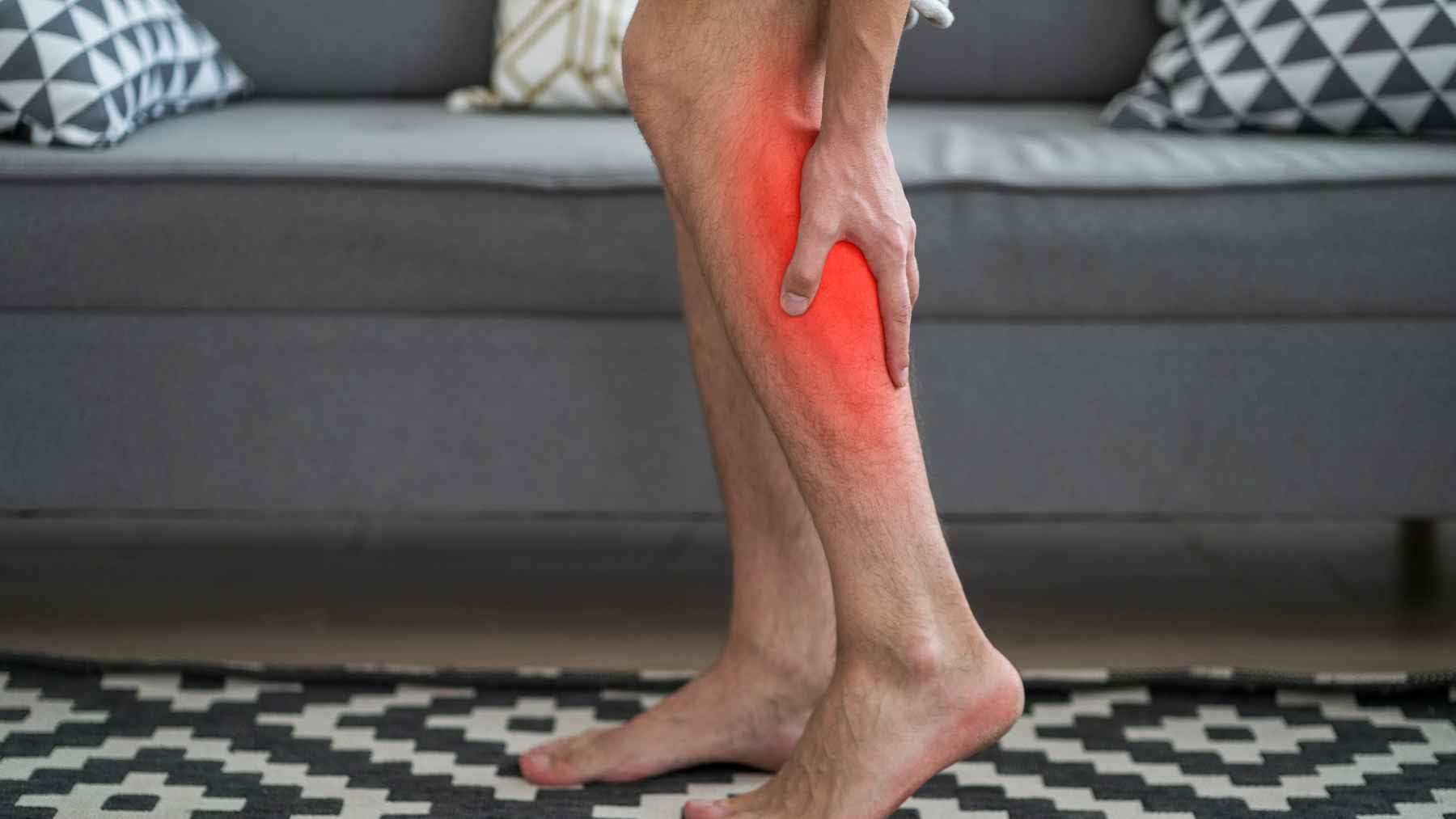
Nighttime calf cramps can strike without warning, causing intense pain and disrupting sleep, but gentle stretching may help relieve the muscle spasm.
What research says
Lead author Joannes Hallegraeff of Hanze University of Applied Sciences and colleagues reviewed eight randomized trials and 10 observational studies. They identified seven hallmarks, including intense pain, calf or foot involvement, lingering soreness, distress, and interrupted sleep.
In an American Family Physician review, Richard Allen and Karl Kirby of St. Mark’s Family Medicine Residency wrote that cramps are “probably caused by muscle fatigue and nerve dysfunction” more often than electrolyte problems. That helps explain why taking magnesium or potassium on your own may not solve the problem.
A 2026 randomized clinical trial led by Arno Kuusipalo and Juhani Laitila at Tampere University followed 121 adults ages 50 to 85. By the final week, participants reported a median of two weekly cramps with compression stockings, compared with three in both the magnesium and placebo groups.
The trial excluded people with suspected artery disease or severe nerve damage, so medical guidance matters.
What to do during a cramp
Straighten the leg and gently pull the toes toward the shin. Massage the tight area, then stand and take a few careful steps if it is safe. The muscle may stay tender afterward.
Mayo Clinic advice also suggests warmth, while some people prefer a wrapped cold pack after the spasm. Do not force the stretch–slow and steady is enough.
How to reduce the chances
Stay hydrated, especially after exercise or during hot weather. Increase walking, running, or weight training gradually rather than leaping from a quiet week into an all-out session. Gentle calf stretches before bed may help, although prevention research is mixed.
Heavy sheets can push the toes downward and keep the calf shortened, so loosening the covers may help. If cramps keep returning, note the timing, affected muscle, recent exercise, fluid intake, and medicines, then share the pattern with a healthcare professional.
The bottom line
Most nighttime leg cramps are painful but brief, not proof of serious disease or a simple mineral deficiency. The pattern matters more. Frequent attacks, walking-related pain, one-sided swelling, skin changes, weakness, or numbness should move the issue from home care to medical evaluation.
This article is informational and does not replace a medical exam. Supplements, compression garments, and prescription changes should be personalized.
The main review was published in BMC Family Practice.