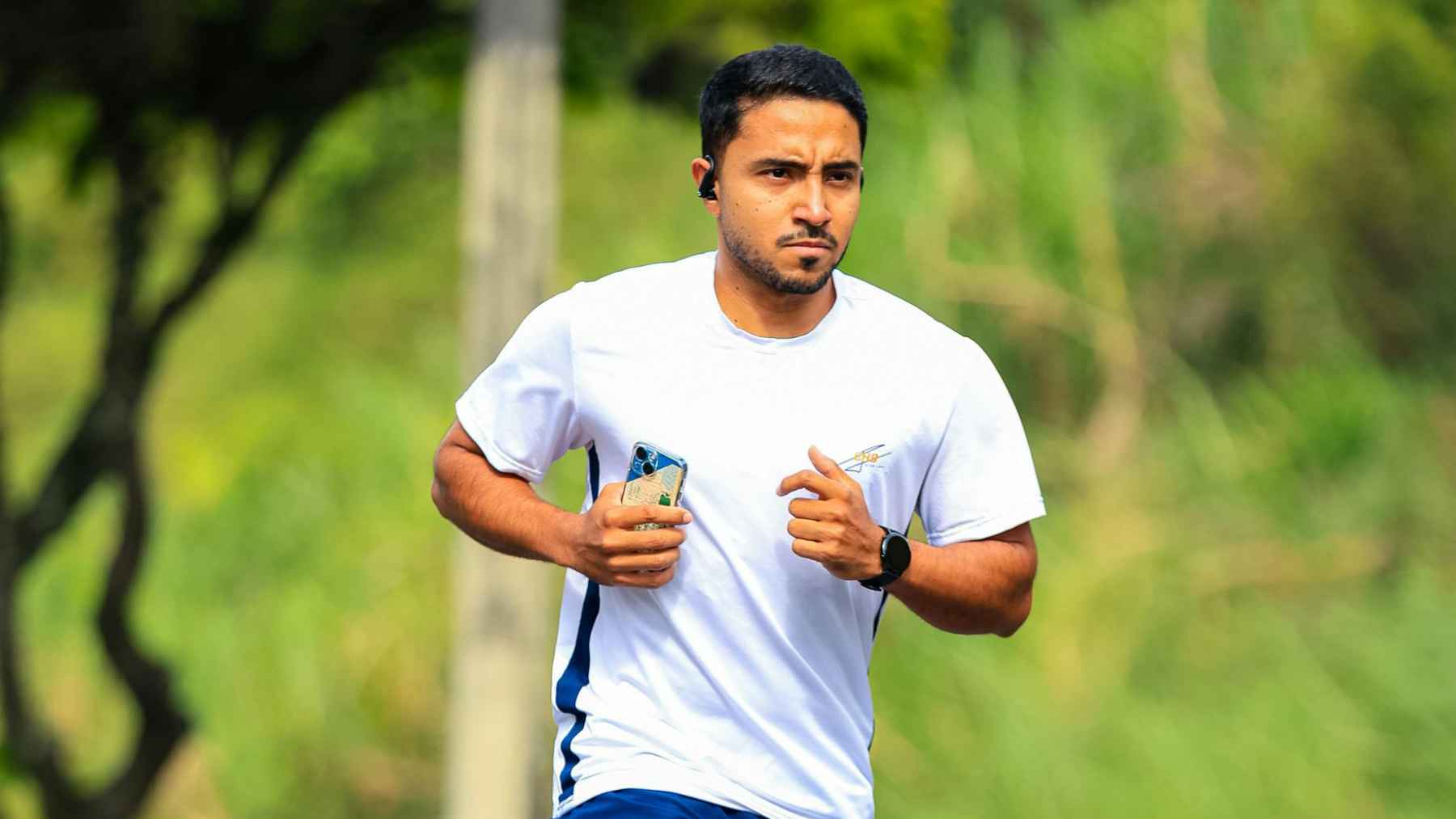
Runners on river paths, cyclists on bike lanes, tennis players chasing one more point at noon. It may look like discipline, but in extreme summer heat, that routine can turn dangerous fast.
Patrizio Sarto, director of Sports Medicine at Treviso Hospital and head of a regional center for young athletes with heart disease, is warning the most determined athletes not to gamble with their bodies when temperatures climb above 86°F.
“It makes no sense to tempt fate,” he said, stressing that nausea, headache, muscle weakness, or chills during exercise are signs to stop immediately.
Heat changes the workout
Exercise already asks a lot from the body. Add high heat and humidity, and the same run or bike ride becomes a very different challenge.
The CDC says people who exercise on hot days are more likely to become dehydrated or develop heat-related illness. Its guidance is blunt enough for anyone to understand: if you feel faint or weak, stop all activity and get to a cool place.
That is not about being soft, it is about physics and biology meeting on a hot sidewalk.
Your heart works harder
Sarto’s main warning is about the heart. In hot weather, it must help move heat away from the body while also pumping blood to the muscles doing the work.
In other words, your heart is doing two jobs at once. One job is cooling you down, the other is keeping your legs moving, your arms swinging, and your pace alive.
For people with an undiagnosed heart condition, that extra strain can be risky. Sarto said it can raise the danger of a heart attack during exertion, especially when someone refuses to slow down.
Humidity makes it worse
The thermometer does not tell the whole story. That familiar sticky summer heat can make a workout feel much harder than the number on the weather app suggests.
The National Weather Service explains that the heat index combines air temperature and humidity to show how hot it feels to the body. When sweat cannot evaporate well, the body has a harder time cooling itself.
That is why running at 86° in dry air is not the same as running at 86° with heavy humidity. The second version can feel like a wall.
Thirst comes late
Many athletes wait until they feel thirsty before drinking. Sarto says that is a mistake.
By the time thirst arrives, the body has already lost a meaningful amount of fluid. During intense exercise, sweating also drains salts such as sodium and potassium, which help muscles and nerves work properly.
Trained athletes may sweat more efficiently and retain some minerals better. Still, Sarto said fitness does not cancel out dangerous weather.
Morning is safer
For people who really want to keep moving, timing matters. Sarto’s advice is to go very early, ideally before 6 a.m., when the day has not yet stored heat in streets and buildings.
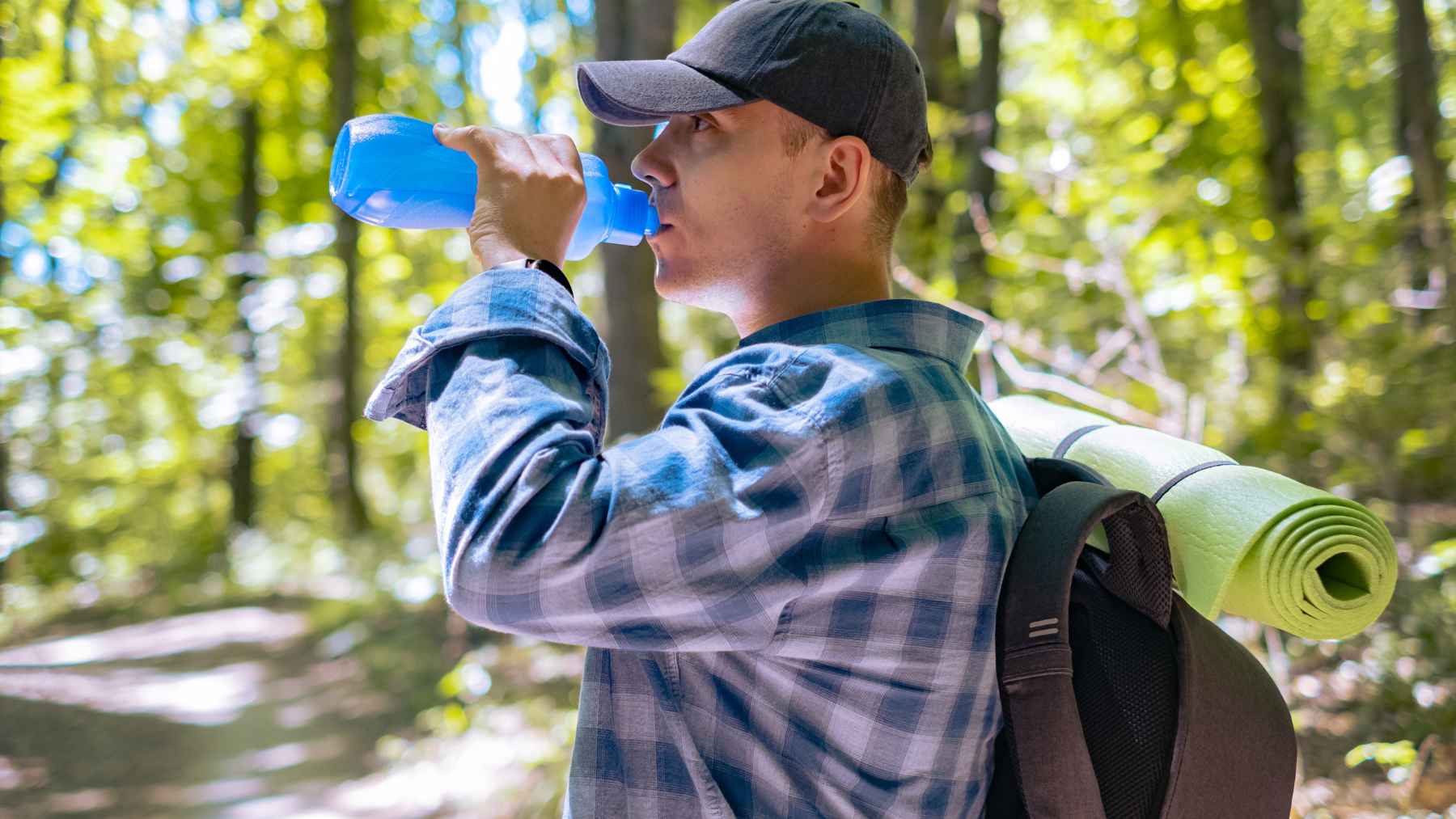
The American Heart Association gives similar advice, saying people should avoid exercising outside in the early afternoon, usually the hottest part of the day between noon and 3 p.m. They also recommend drinking water before, during, and after activity, even before thirst shows up.
Evening is not always the easy answer. Asphalt can hold heat for hours, and that warmth rises back at runners, walkers, and cyclists long after the sun starts to drop.
Warning signs matter
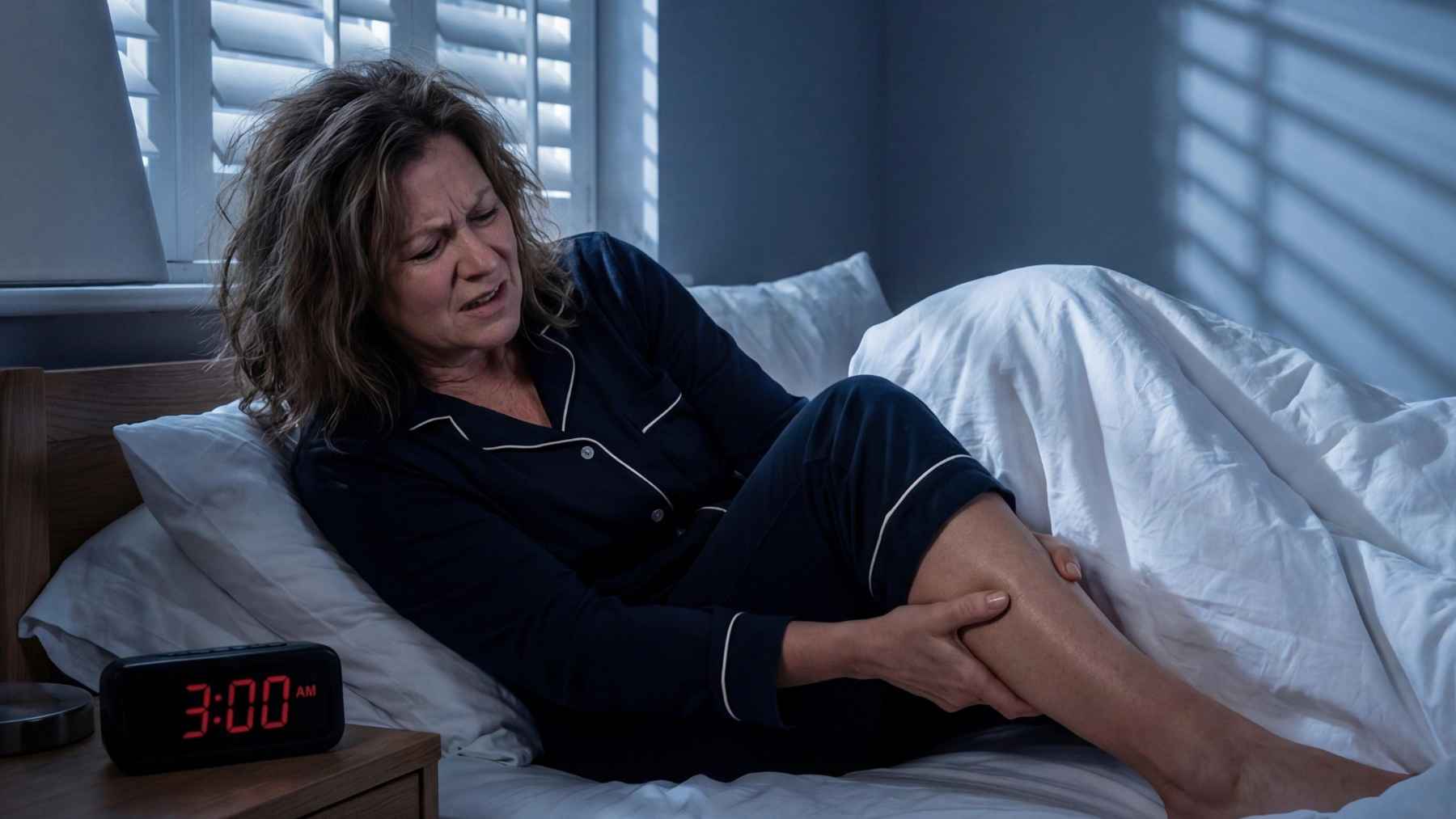
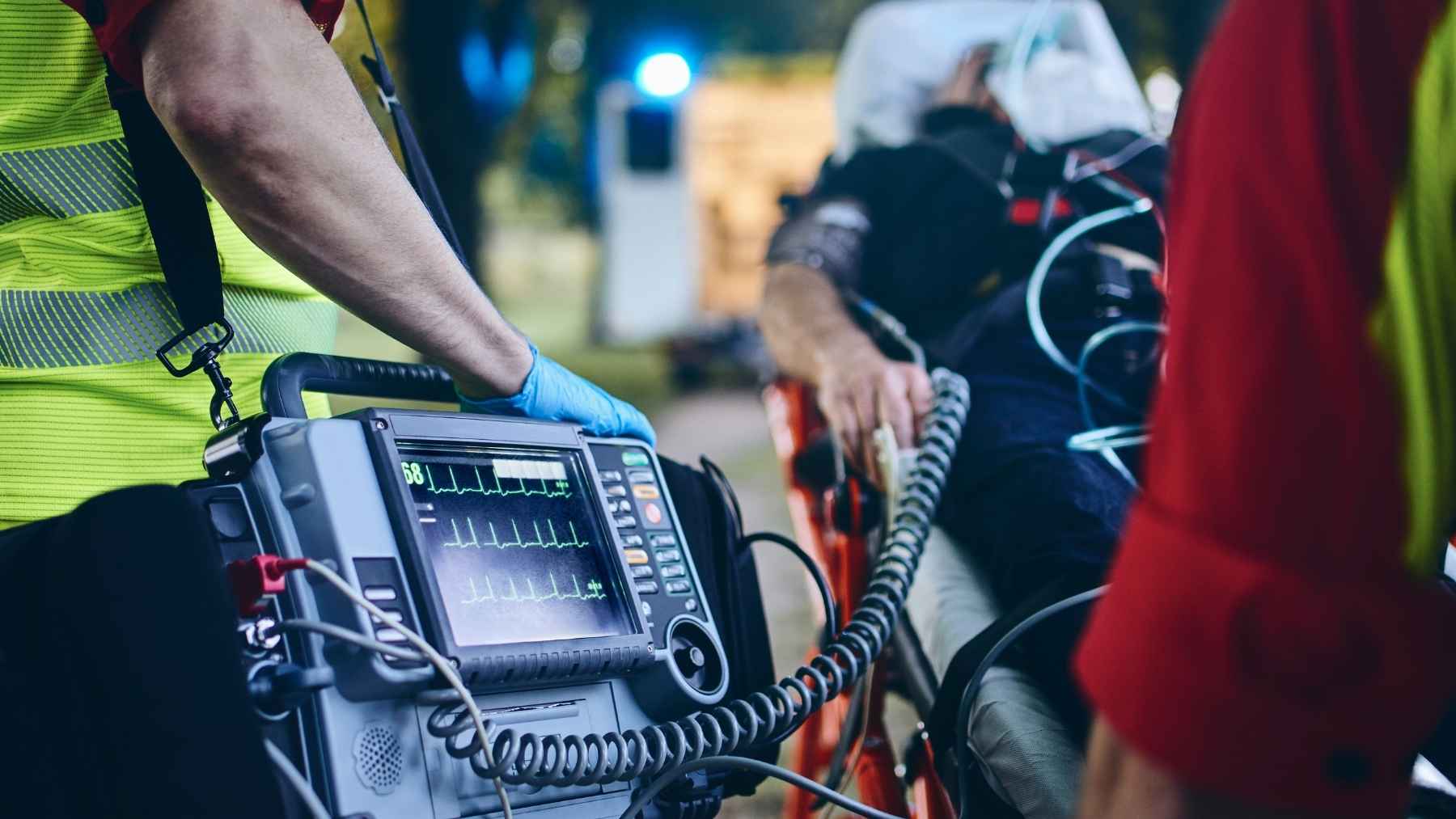
Heat exhaustion does not always announce itself with drama. Sometimes it begins with a headache, nausea, dizziness, weakness, thirst, heavy sweating, or muscle cramps.
The CDC’s workplace heat guidance lists many of those symptoms as warning signs of heat exhaustion. For athletes, the message is simple enough: do not try to “push through” them.
Chills during a hot workout can be especially confusing. But Sarto included them among the signs that the body may be struggling, not adapting.
Rest can help
One common fear among dedicated runners, cyclists, triathletes, and weekend competitors is losing fitness. Can one week off really hurt that much?
Sarto’s answer is no. For endurance athletes who already train a lot, a short pause can even be beneficial, especially when heat is pushing the body toward risk instead of progress.
A walk may be better than a run. An indoor session may be better than a midday ride. At the end of the day, fitness is supposed to protect health, not test how much danger a person can ignore.
Listen to your body
The lesson is not that summer exercise is forbidden, it is that heat changes the rules.
If the body says no, Sarto’s advice is to listen. That may mean slowing down, stopping, drinking water, cooling off, or saving the workout for another day.
The official heat-safety guidance referenced in this article has been published by the CDC, the National Weather Service, and the American Heart Association.