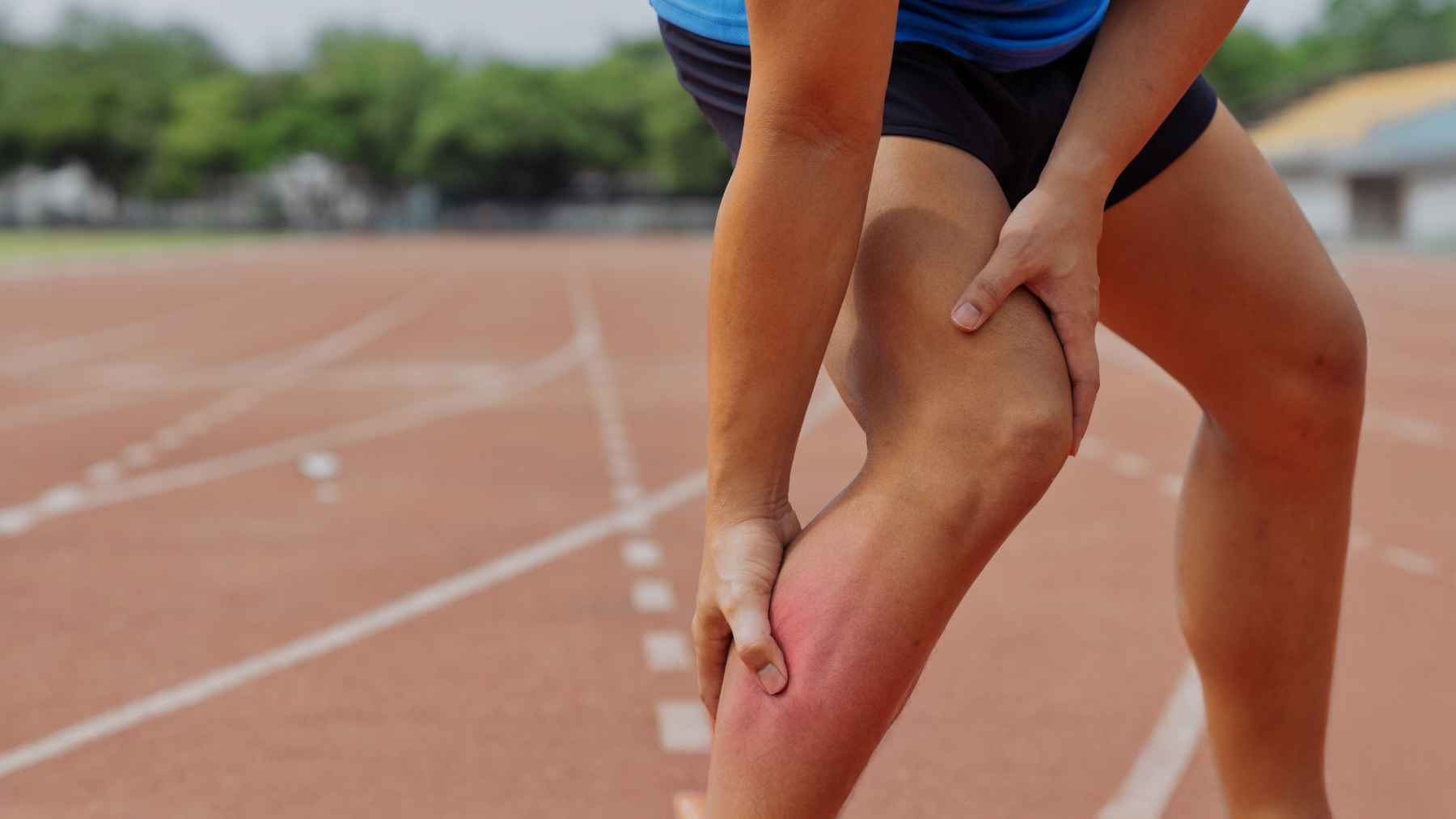
Have you ever climbed a flight of stairs and felt your legs complain before you reached the top? That small moment says a lot. Strong legs are not just for athletes, heavy lifters, or people chasing a new personal record.
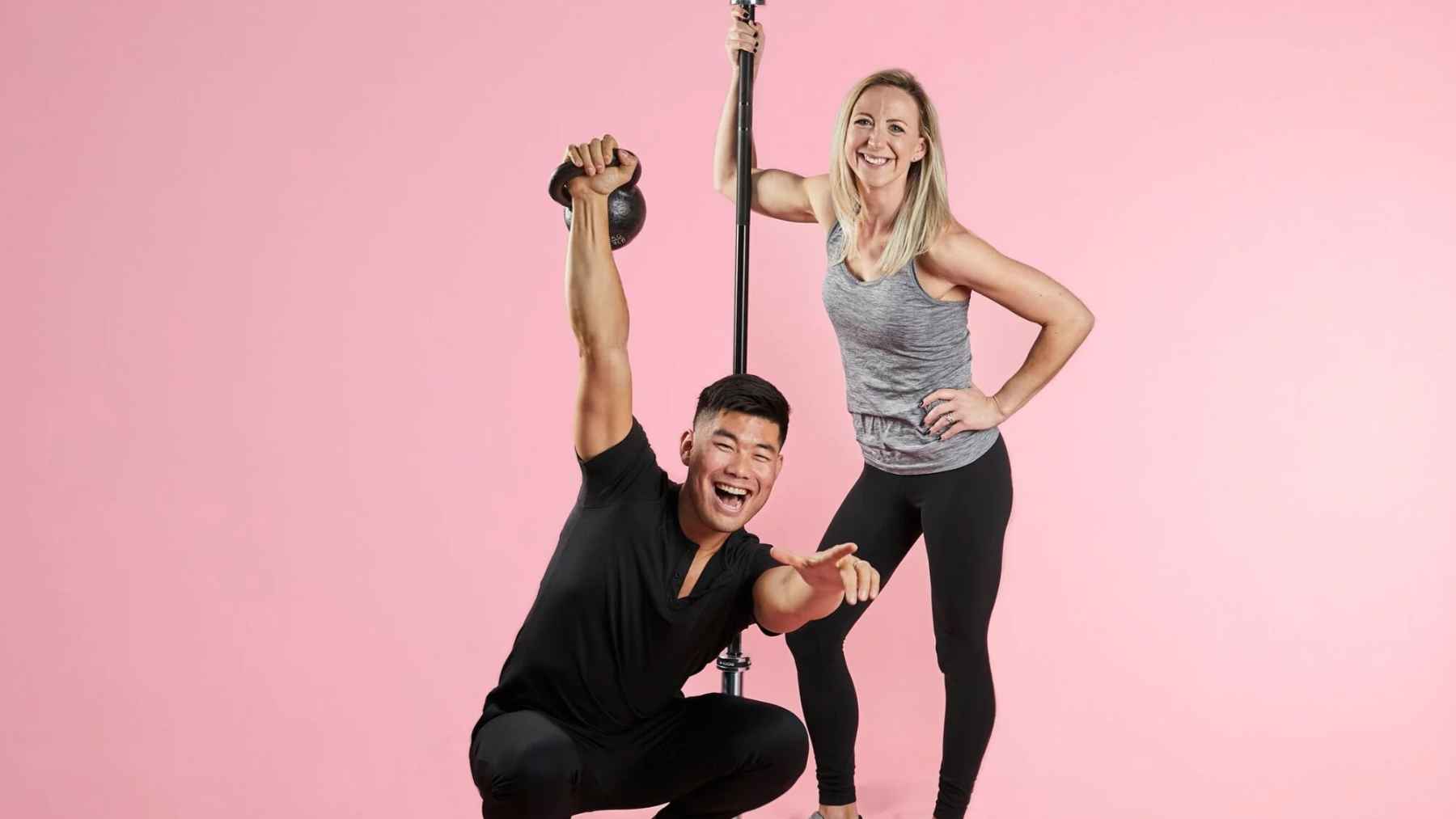
An exercise list shared by trainer Lauren Pak puts the focus on a smarter mix of power, isolation, and functional work. The idea is simple enough: train the glutes, hamstrings, and quadriceps in different ways, and your lower body can become stronger, steadier, and better prepared for everyday movement.
Why stronger legs matter
Leg training is easy to reduce to squats and deadlifts. Those classics matter, but they do not cover every angle, especially if your goal is to move better in real life.
The Centers for Disease Control and Prevention advises adults to do muscle-strengthening activities on two or more days a week, working all major muscle groups, including the legs and hips. That does not mean every session has to be brutal, but consistency matters.
The muscles to watch
The list is built around three major lower-body areas. The glutes are the muscles of the hips and buttocks, and they help you stand tall, jump, sprint, and stabilize your pelvis.
The hamstrings run along the back of the thigh. They help bend the knee, extend the hip, and slow the leg down when you run or change direction. The quadriceps sit at the front of the thigh, powering knee extension in movements like climbing stairs, standing up, and stepping onto a curb.
Glute moves with control
Pak’s glute-focused choices are the lateral broad jump, the 45° back extension, and the angled barbell curtsy squat. Together, they hit the glutes from more than one direction, which is useful because the hips do not move in only one straight line.
The lateral broad jump trains power side to side, the kind you need when cutting, landing, or avoiding a puddle on the sidewalk. The 45° back extension teaches the hips to drive the movement, while the curtsy squat adds a balance challenge that can expose weak spots quickly.
Hamstrings need attention
For hamstrings, the list includes tantrums, the Nordic curl, and the elevated single-leg deadlift. These are not filler exercises. They ask the back of the thigh to work hard while the rest of the body stays controlled.
The Nordic curl has especially strong research behind it. A systematic review listed by the National Library of Medicine found that injury-prevention programs including the Nordic hamstring exercise cut hamstring injury rates roughly in half.
That is a big deal for runners, soccer players, and anyone who has felt that sudden pull in the back of the leg.
Quad work you can feel
The quadriceps section includes scissor jumps, the Spanish squat with a hold, and step-ups. These moves are more than leg-burners. They train the front of the thigh to produce force, absorb impact, and help the knee track smoothly.
Step-ups may look almost too simple, but that is the point. Every stair, bus step, and steep sidewalk uses a similar pattern.
Harvard Health notes that lower-body exercises such as split squats target the quadriceps, glutes, and hamstrings while supporting everyday actions like getting out of a chair, climbing stairs, and kneeling.
How to use the list
The key is not to throw all nine exercises into one exhausting workout. Instead, pick one or two from each muscle group and rotate them through the week.
A simple plan could pair a power move, such as lateral broad jumps or scissor jumps, with one controlled strength move, such as an elevated single-leg deadlift or Spanish squat. Then add a glute exercise like the 45° back extension, and you have a session that is short but not random.
The American College of Sports Medicine says resistance training can be adjusted for strength, muscle growth, or power, and that bodyweight exercises, bands, and home routines can still produce meaningful benefits. That is good news if the gym is not always realistic.
Strength without rushing
There is one catch, and it matters. Exercises such as Nordic curls, barbell curtsy squats, and elevated single-leg deadlifts demand patience, especially if your balance or hamstrings are not ready yet.
Start with easier versions, use a stable surface, and keep the movement clean before adding weight or speed. Sharp pain is not a badge of honor, it is a reason to stop, reset, and, for many people, ask a qualified coach for help.
At the end of the day, this list works because it does not treat leg day like a single movement repeated forever. It gives the lower body variety, and variety can be the difference between going through the motions and actually getting stronger.
The main fitness guidance behind this list has been published by GQ.