A trip to the dentist can turn into a bill you were not expecting. One appointment may end with a recommendation for a filling, while another could bring up a crown, a root canal, or a wait-and-watch plan.
That uncertainty does not mean dentistry is guesswork. It means tooth decay moves in stages, and the best answer can depend on how deep the damage is, how clean the mouth is, and how a dentist weighs prevention against drilling.
In the United States, one in five adults ages 20 to 64 has at least one untreated cavity, so this is not a rare decision.
Why dentists may disagree
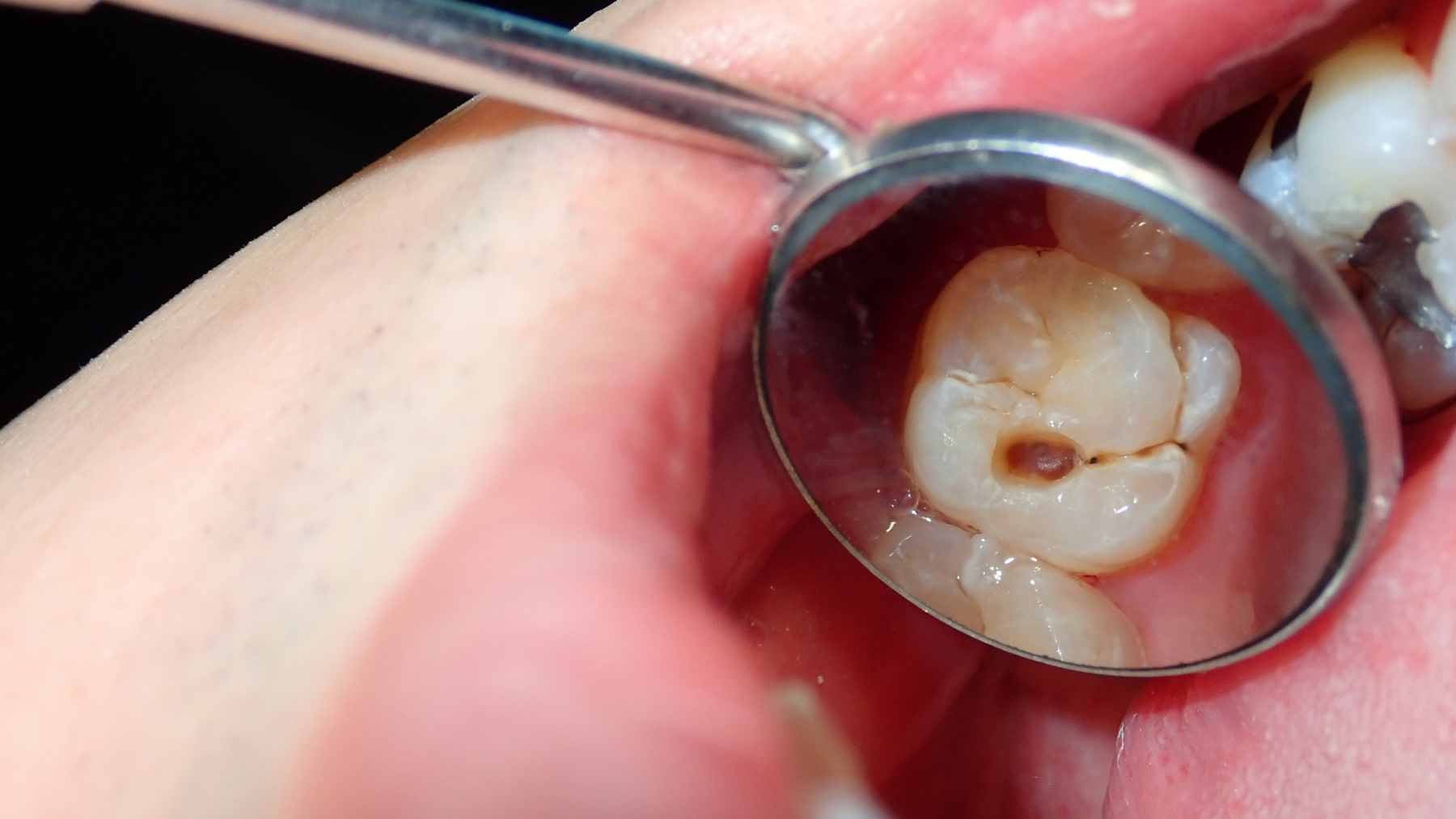
A cavity is damage on the surface of a tooth caused by acids made by bacteria in the mouth. Those acids are fed by sugars and starches, which is why snacks, sweet drinks, and slow sipping habits can matter.
The tricky part is depth. If decay is still in the enamel, the hard outer coat of the tooth, a dentist may see room to act without a drill. If it reaches dentin, the softer layer underneath, many dentists move toward a filling.
But the line is not always drawn in the same place. “A dentist who graduates in 2026 and another who graduates in 1999 could have completely different treatment plans,” said Shelbey Arevalo, executive director of the National Dental Advocacy Program.
Early decay can sometimes reverse
This is the part many patients never hear. The National Institute of Dental and Craniofacial Research says tooth decay can be stopped or reversed at the earliest white-spot stage, before permanent damage forms.
Fluoride helps because it replaces minerals in enamel and makes it harder for bacteria to produce acid. Better brushing, flossing, and fewer sugar hits during the day can also give saliva time to repair the surface.
Dr. Diana K. Nguyen, a clinical associate professor of dentistry at the University of California, San Francisco, put it plainly, saying that many patients do not realize that an early cavity can sometimes be turned around.
Dentistry is getting more conservative
For the most part, modern dental care is moving away from drilling as the automatic first step. The American Dental Association released a 2023 guideline saying conservative tooth-decay treatment can lead to better outcomes when used with fillings or caps.
That approach is called minimally invasive dentistry. In everyday language, it means saving as many healthy teeth as possible, even when repair is needed.
Dr. Margherita Fontana, a dentistry professor at the University of Michigan, said dentistry has become much more conservative over the last 50 or 60 years. That shift matters because every drilled tooth may need more repairs later.
Options before the drill
A prescription fluoride toothpaste or mouth rinse may be enough for some early lesions. Dentists can also apply fluoride varnish in the office, especially for patients at higher risk.
Sealants are another tool. They are thin coatings that fill the grooves of back teeth where food and germs get stuck, and the association says they can help prevent and slow some early lesions.
Newer products are appearing, too. Curodont Repair Fluoride Plus, for example, is listed for professional office use to help prevent cavities, restore enamel, and treat white spots.
Money is part of the visit
Dental care is medicine, but it is also a business. Fillings, crowns, and root canals bring in more revenue than monitoring a small spot or prescribing a fluoride product.
That does not mean your dentist is acting badly. It does mean patients should ask clear questions, especially when a plan feels sudden, expensive, or more aggressive than expected.
The business pressure has become a policy issue, too. California’s new SB 351, effective January 1, 2026, bars private equity firms and hedge funds from imposing patient quotas or interfering with dentists’ clinical judgment.
How to ask better questions
Start with simple wording. “How deep is the decay?” “Is it in the enamel or dentin?” “Can I see the X-ray or image?” “What happens if we watch it for three months?”
Dr. Sara Stuefen, a dentist in Vinton, Iowa, and a spokesperson for the group, said there are times when patients still have an opportunity to stop damage before it becomes bigger.
You can also ask about cheaper materials, preventive choices, and what would make the dentist change the plan. A rushed answer is not automatically wrong, but it is not reassuring either.
When to get a second opinion
If you are in pain, swollen, feverish, or dealing with a broken tooth, do not delay care. But if there is no urgent symptom and you feel unsure, a second opinion can be reasonable.
Bring your X-rays, which you have the right to request. She recommends not sharing the first treatment plan right away, so the second dentist can make a cleaner judgment.
At the end of the day, the goal is not to avoid all fillings. It is to understand when prevention may work, when a filling is truly needed, and when a larger treatment is being recommended because the tooth has crossed a point of no return.
The main clinical guidance on restorative tooth-decay treatment has been published in JADA.