What do people who live past 100 have in common? No single meal, gene, or daily habit explains extreme longevity, but several large studies point to a recurring clue inside the gut.
Many centenarians appear to carry a microbial community that is unusually diverse, stable, and in some ways more like that of younger adults.
Fermented foods may help support that ecosystem, yet scientists have not shown that yogurt, kimchi, or any one bacterium can make a person live longer. The finding is promising, but it is not a recipe for immortality.
What researchers found
A 2023 Nature Aging study analyzed stool samples from 1,575 people ages 20 to 117 in Guangxi, China, including 297 centenarians. Forty-five of those centenarians were sampled again during the next 18 months.
The team included Shifu Pang and Xiaodong Chen, and the project involved the Guangxi Academy of Sciences.
Compared with other older adults, the centenarians had a more even mix of microbes, more potentially helpful groups, and fewer microbes that can become harmful under the wrong conditions. Their microbial pattern also remained relatively stable over time.
The researchers did not test whether centenarians absorbed more iron. The safer conclusion is that long-lived people in this study showed distinctive microbial balance and stability, not a proven boost in one nutrient.
What youthful means
The gut microbiota is the community of bacteria, viruses, fungi, and other tiny organisms living in the digestive tract. The word microbiome is often used for that community and its genetic activity.
Think of it as a busy neighborhood where different residents handle digestion, produce useful compounds, and communicate with the immune system.
A youthful pattern does not mean a 100-year-old has the gut of a teenager. It means certain features, such as microbial balance and stability, resemble patterns seen more often in younger people. The study found an association, so it cannot prove that the microbiome caused longer life.
The hidden viral layer
A second 2023 study examined the gut virome in 195 people from Japan and Sardinia. The virome is the collection of viruses living in the gut, most of which infect bacteria rather than human cells.
Joachim Johansen and colleagues at the University of Copenhagen and the Broad Institute found that centenarians carried a richer and more varied viral community.
Those viruses may help shape which bacteria thrive. The researchers also found viral genes linked to sulfur metabolism, a process that could help bacteria support the gut’s mucus lining and resist troublesome microbes. That is a plausible biological pathway, not final proof of why anyone reaches 100.
Why bifidobacteria matter
Bifidobacteria are a group of microbes that are especially common early in life and often decline with age. They can break down certain fibers and produce compounds that support other gut bacteria, the intestinal barrier, and immune activity.
Some studies have found particular bifidobacterial species in higher amounts among exceptionally old people, but the pattern is not universal.
Human nutrition and dietetics expert Júlia Farré says these bacteria can be “surprisingly present in high amounts in centenarians” and identifies them as bifidobacteria.
Her advice to eat a healthy diet that includes fermented foods fits with broader microbiome research. Still, science does not support the claim that every centenarian shares one bacterium.
Fermented foods and evidence
A Stanford Medicine clinical trial assigned 36 healthy adults to a 10-week diet rich in either fermented foods or fiber. People in the fermented-food group gained microbial diversity and showed lower levels of several inflammatory signals.
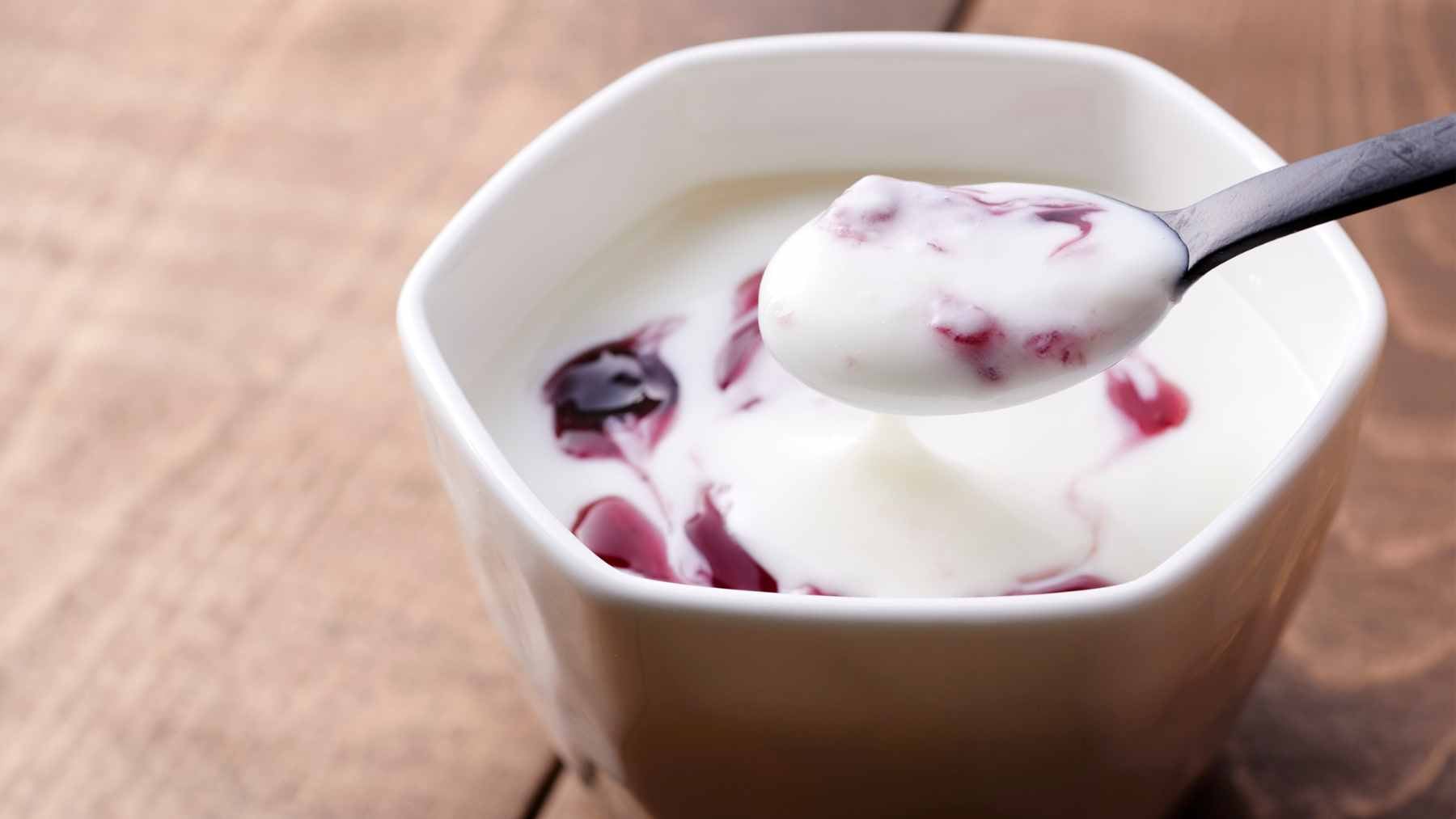
The trial did not include centenarians, measure lifespan, or prove that fermented foods prevent age-related disease.
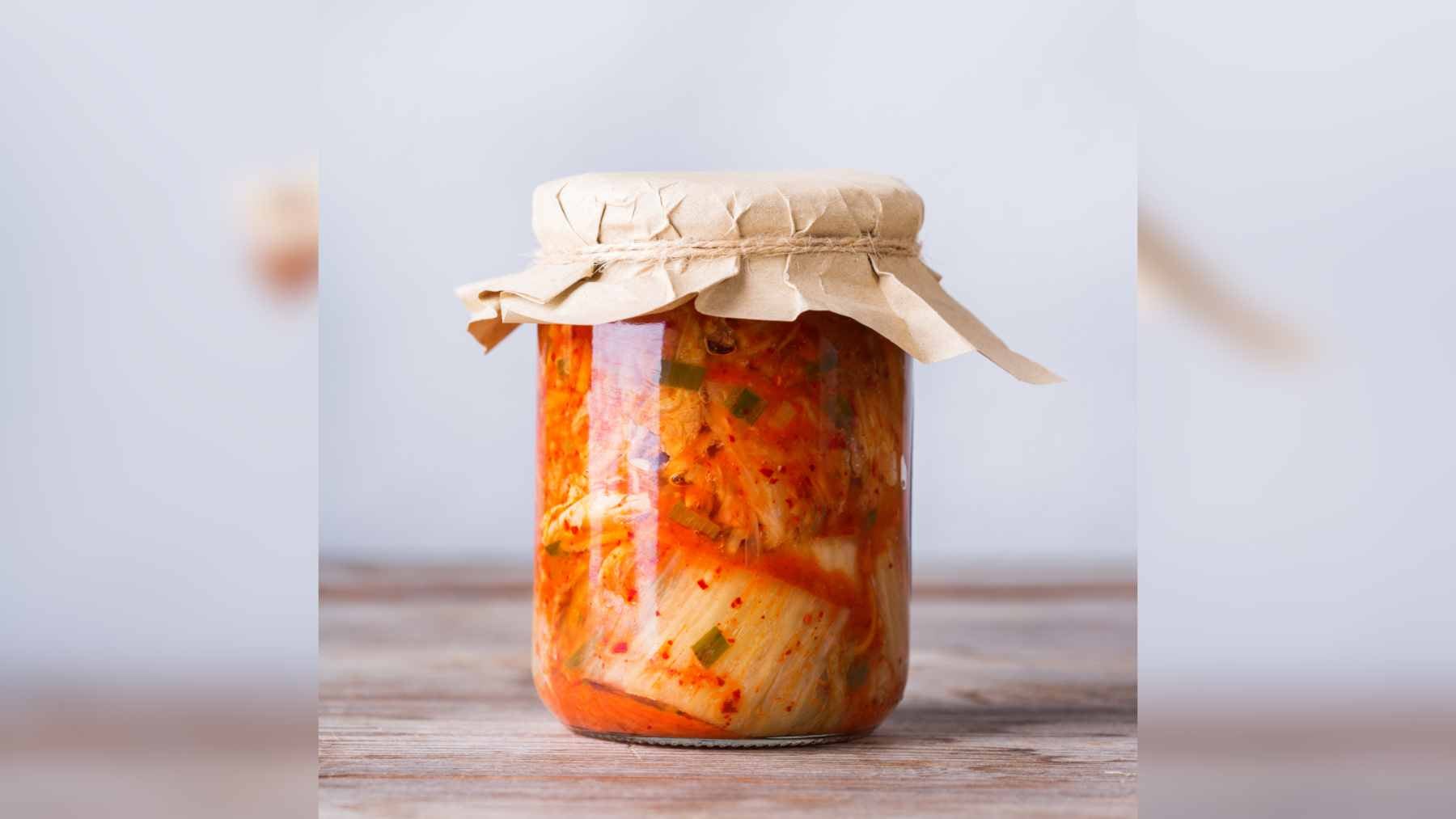
Useful options can include yogurt, kefir, kimchi, sauerkraut, miso, and tempeh, but the label matters. Heat-treated products may no longer contain live cultures, while many supermarket pickles are preserved with vinegar and were never fermented by microbes.
Fermented foods are only one part of the picture. Gut bacteria also need fiber from beans, whole grains, vegetables, fruit, nuts, and seeds. A simple bowl of plain yogurt with oats and berries brings both ideas together without turning breakfast into a science project.
No magic longevity food
Centenarian research keeps returning to resilience, not one miracle organism. Diet can shape the gut, but genetics, medications, illness, physical activity, and the wider living environment also matter.
Different countries can produce different microbial signatures, which is one reason scientists avoid declaring a universal centenarian microbiome.
So, should fermented foods be on the menu? For most people, they can be a practical part of a varied diet, not a treatment or a guarantee of longer life. The honest takeaway is simpler: feed the whole microbial community, rather than chasing one supposed longevity bacterium.
The main study was published in Nature Aging.