Psyllium is best known as the fiber in many constipation products, but its reach may extend beyond the bathroom cabinet.
A 2025 analysis of 41 randomized clinical trials, which assigned participants to groups by chance, found that adults taking it had an average drop of about 8.6 mg/dL in LDL, often called “bad” cholesterol. Total cholesterol fell by about 9.1 mg/dL.
That is a modest change, not a medical miracle. Still, for a low-cost fiber sold in pharmacies and grocery stores, the result points to a practical supporting role for some people with high cholesterol. The catch is that psyllium works best within a larger plan and must be taken with enough liquid.
How psyllium traps cholesterol
Psyllium comes from the seed husk of Plantago ovata. It is a soluble, gel-forming fiber, which means it absorbs liquid and becomes thick inside the digestive tract. Think of oatmeal sitting in water, only more pronounced.
The gel can bind some bile acids in the intestine. Because the liver makes bile acids from cholesterol, losing more of them in stool may push the liver to pull additional LDL from the bloodstream. In practical terms, the fiber acts a little like a sponge in the gut.
Psyllium may also change how fats and sugars are absorbed and how gut bacteria process fiber. Researchers still consider increased bile acid removal one of the main explanations for its cholesterol-lowering effect.
What 41 trials showed
Nutrition researchers Zeinab Gholami and Zamzam Paknahad at Isfahan University of Medical Sciences combined results from 2,049 adults. A meta-analysis pools many studies to estimate an overall effect instead of relying on one experiment. The trials lasted from two weeks to about six months and used widely different doses.
LDL fell by an average of about 8.6 mg/dL, while total cholesterol dropped by about 9.1. Changes in HDL, known as “good” cholesterol, and triglycerides, another type of blood fat, were too uncertain to rule out chance. The clearest signal involved LDL and total cholesterol, not every number on a cholesterol blood test.
The result broadly agrees with a 2018 meta-analysis of 28 randomized trials that also found improvements in LDL and related markers. However, the 2025 review found major differences among trials in dose, duration, diet, participant health, and study methods.
Some subgroup findings looked stronger above roughly one-third of an ounce daily, yet there was no reliable rule that more psyllium produced a larger benefit.
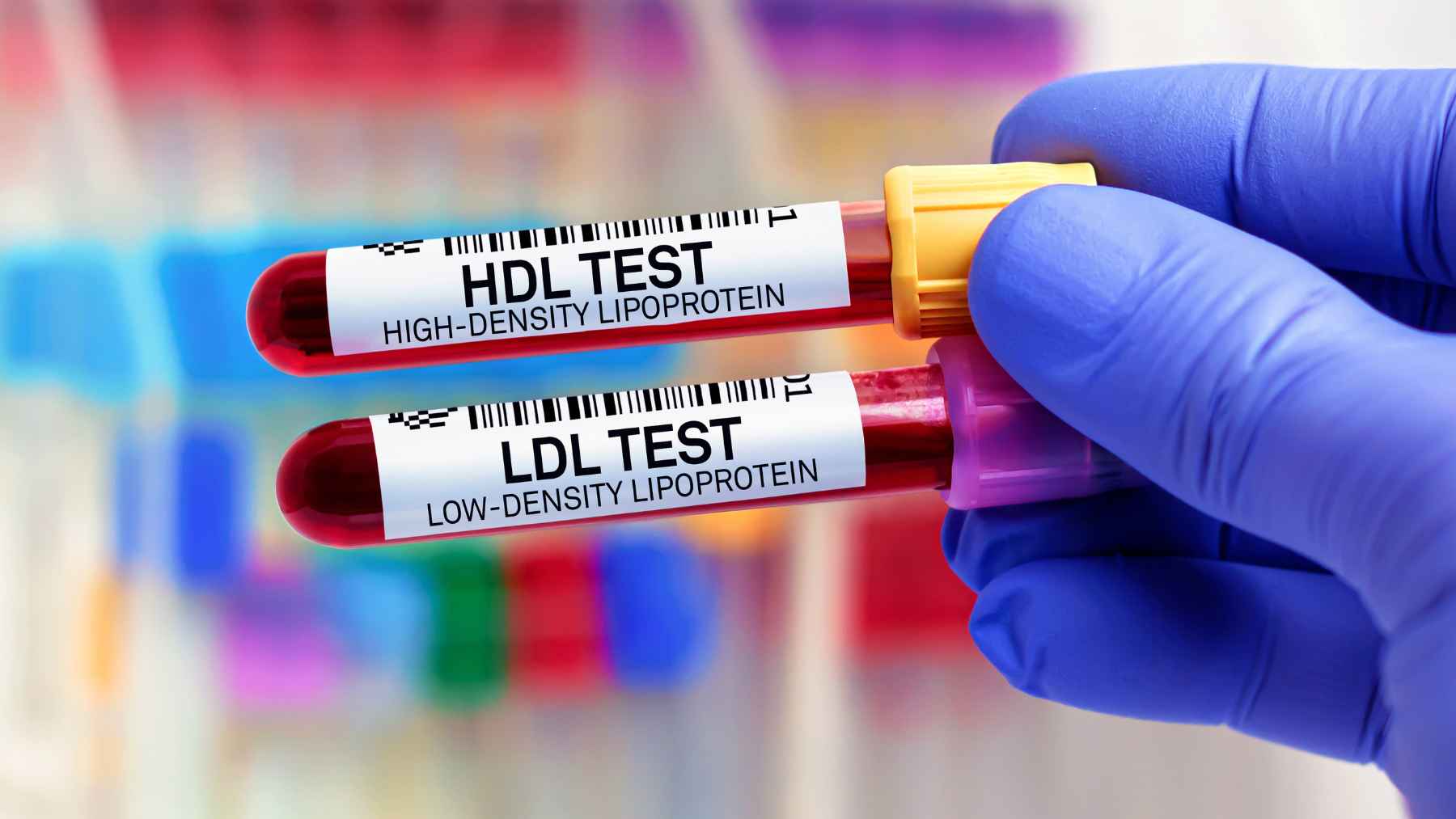
Blood samples labeled HDL and LDL illustrate laboratory testing used to measure cholesterol levels and assess cardiovascular health.
Who may benefit most
Psyllium may be most relevant for adults with mildly or moderately elevated LDL who also fall short on fiber. People with constipation may gain a second practical benefit, though any cholesterol effect should be checked with a blood test. High cholesterol usually causes no obvious symptoms.
A person’s LDL target depends on age, family history, diabetes, blood pressure, smoking, and any previous heart or blood vessel disease.
Psyllium is unlikely to be enough on its own for people with very high LDL, familial hypercholesterolemia, an inherited condition that drives LDL upward, or a high risk of heart attack or stroke. It should never be used as a reason to stop a prescribed statin or another cholesterol medicine.
How to take it safely
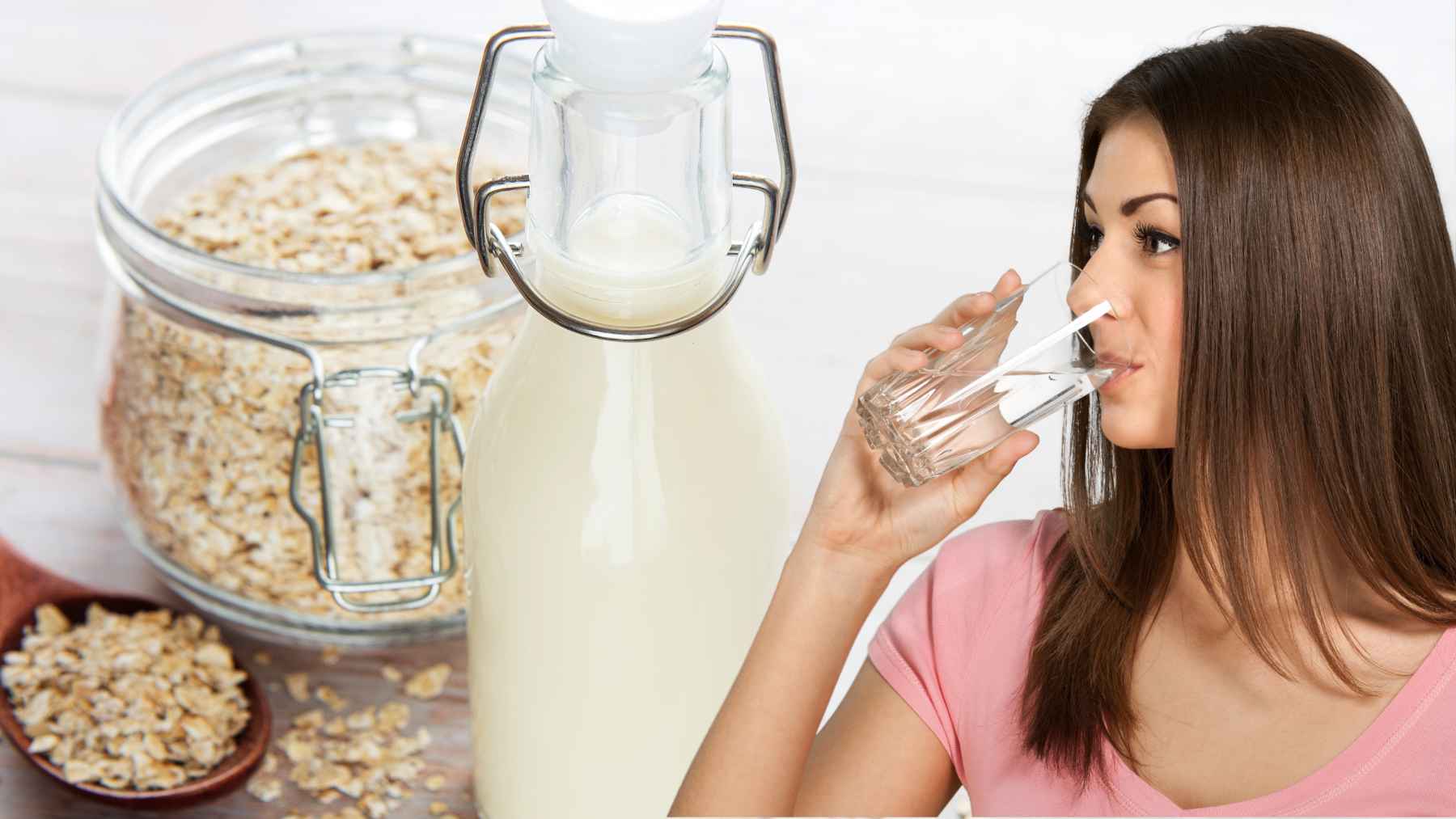
The most important rule is simple: mix psyllium powder or granules with at least eight fluid ounces of water or another liquid, then drink it immediately before it thickens. Taking it dry or with too little fluid can cause choking or worsen an intestinal blockage.
Follow the product label or a clinician’s instructions rather than guessing. Gas, bloating, cramps, and bowel changes can occur, especially when fiber intake rises quickly. Drinking water throughout the day can make the adjustment easier.
Psyllium can affect how some medicines are absorbed. MedlinePlus warns about timing with medicines including digoxin, aspirin products, and nitrofurantoin, so a pharmacist should check each prescription. People with swallowing difficulty, an intestinal blockage, or active bowel disease should seek medical advice before using it.
It cannot erase a poor diet
A daily scoop cannot cancel out a routine built around fried food, ultra-processed snacks, smoking, and little movement. For the most part, cholesterol improves when the whole pattern changes. That means choices visible on the grocery receipt, the dinner plate, and the walk after dinner.
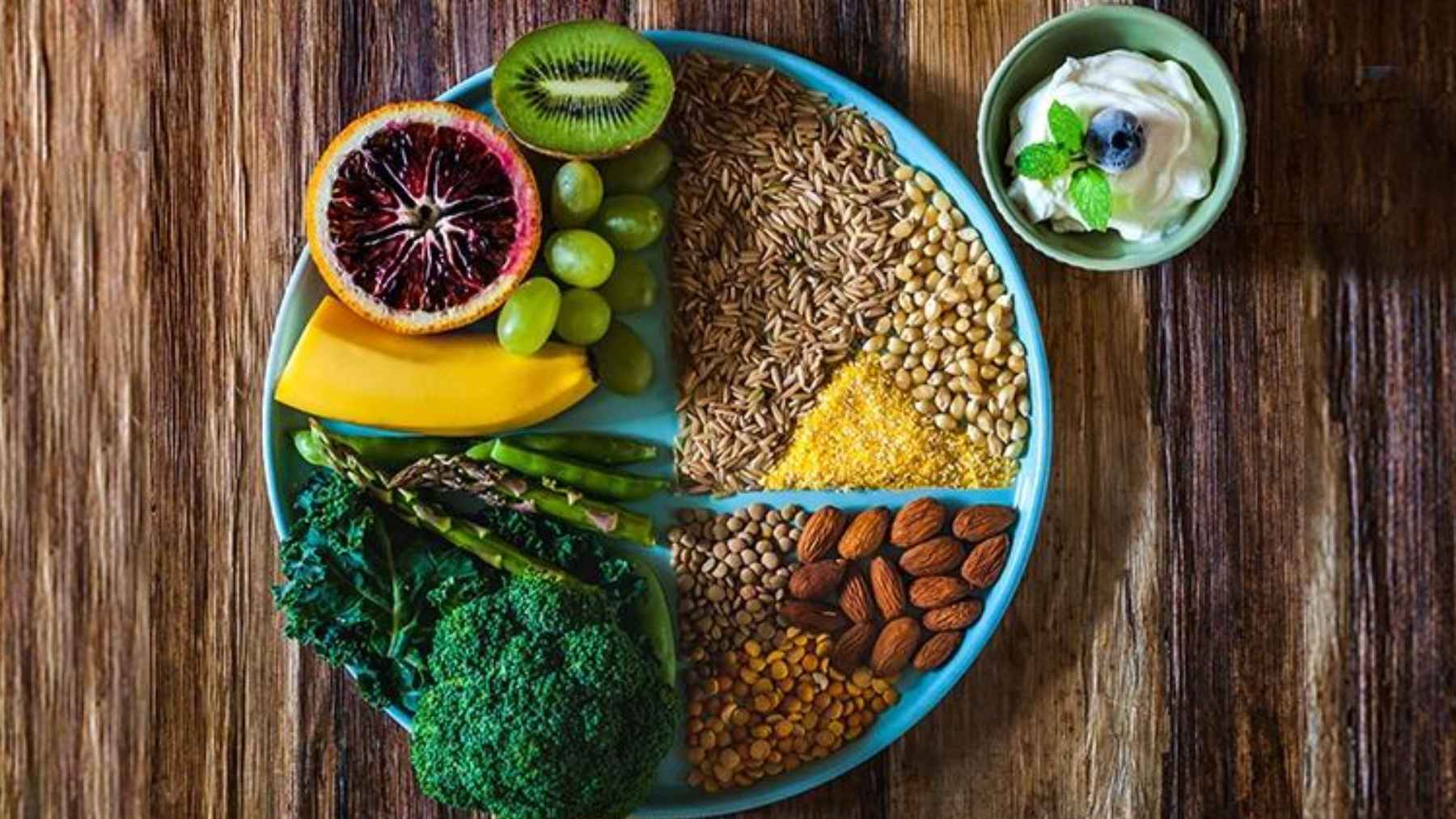
Federal guidance favors foods lower in saturated and trans fats, plus naturally high-fiber choices such as oatmeal, beans, fruits, and vegetables. Psyllium can fill a fiber gap, but whole foods bring a wider mix of nutrients.
The FDA includes psyllium husk in its authorized health claim framework for soluble fiber and coronary heart disease.
A modest tool, not a cure
Could a low-cost fiber move a cholesterol number? The evidence says yes, on average, but by a modest amount. LDL and total cholesterol showed the strongest results, while HDL and triglycerides did not change reliably.
Psyllium may be a useful add-on when a health professional agrees it fits. A balanced high-fiber diet, regular activity, weight management, repeat blood tests, and prescribed treatment still do most of the heavy lifting.
This information does not replace medical evaluation.
The official study has been published in Genes & Nutrition.