High cholesterol does not usually make a sound. It does not beep like a smoke alarm or show up in the mirror after breakfast, yet too much LDL cholesterol can build plaque inside blood vessels and raise the risk of heart disease and stroke.
About 1 in 4 adults in the United States have high LDL, according to the American Heart Association.
That is why a plain bowl of oatmeal keeps coming up in heart-health advice. The idea is not that oats “cure” cholesterol. It is that their soluble fiber can help lower LDL when eaten regularly and when the bowl is not turned into a dessert before 8 a.m.
Why LDL matters
LDL stands for low-density lipoprotein, often called bad cholesterol because it can leave deposits on artery walls. Over time, that buildup can narrow the path blood uses to reach the heart and brain. The Centers for Disease Control and Prevention notes that high LDL raises risk for heart disease and stroke.
Here is the frustrating part. High LDL usually has no symptoms, so many people learn about it only through a blood test. A quiet problem needs quiet daily habits too, and breakfast is one place where small changes can add up.
The fiber in oats
The main helper in oats is beta-glucan, a soluble fiber that thickens in the gut. Think of it like a soft gel that can trap some bile acids, substances the body makes from cholesterol to help digest fat. When more bile leaves the body, the liver has to pull cholesterol from the blood to make more.
A meta-analysis led by Anne Whitehead of Lancaster University, with researchers from the University of Wollongong, Agriculture and Agri-Food Canada, and the University of Toronto, reviewed 28 randomized controlled trials.
It found that people eating at least 3 grams a day of oat beta-glucan saw LDL cholesterol fall by about 10 milligrams per deciliter, while total cholesterol fell by about 12 milligrams per deciliter.
This is not a dramatic overnight drop. It is more like cleaning a window little by little. By the Food and Drug Administration’s standard, diets low in saturated fat and cholesterol that include soluble fiber from whole oats or barley may reduce heart disease risk, with 3 grams or more per day of beta-glucan tied to the claim.
The mistake in the bowl
The problem often starts in the breakfast aisle. Flavored instant packets sound harmless, especially when the label says apple cinnamon, maple, or vanilla. But that sweetness can turn a useful whole grain into a sugary convenience food.
Candida Rebello, who directs nutrition and chronic disease research at Louisiana State University’s Pennington Biomedical Research Center, put the advice simply in a health news interview.
“Just eat regular oatmeal,” she said. She also noted that instant oats are more processed and can raise blood sugar faster than rolled or steel-cut oats.
So what should shoppers look for? Plain oats, no added sugar, no candy-like flavoring, and a short ingredient list. The minute saved in the morning is not worth much if the bowl stops working like the heart-friendly breakfast you meant to make.
What to add instead
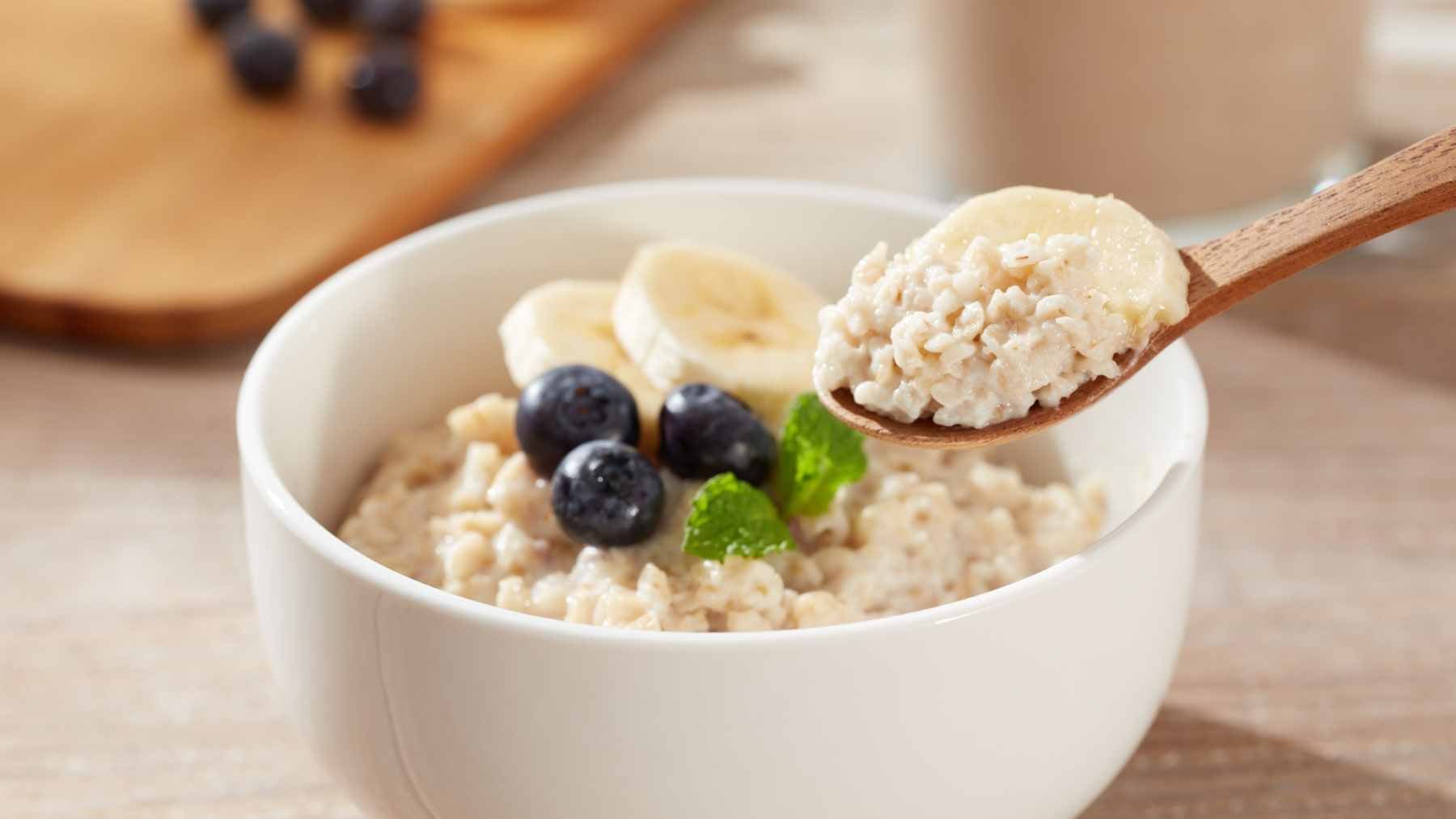
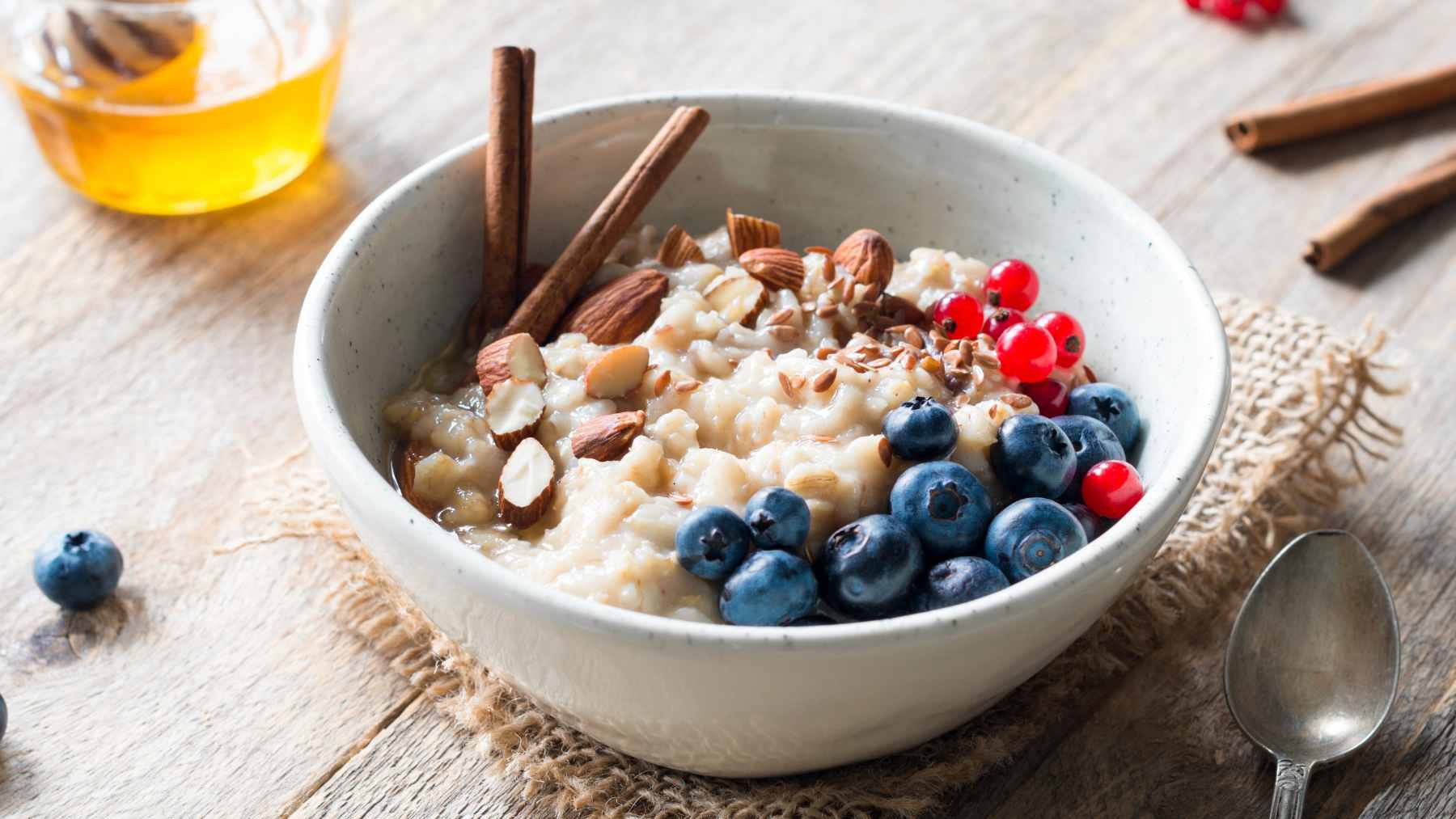
Plain does not have to mean dull. A bowl of oatmeal can still taste sweet if the sweetness comes from fruit. Blueberries, sliced apples, or banana add flavor, texture, and extra fiber without turning breakfast into a cookie.
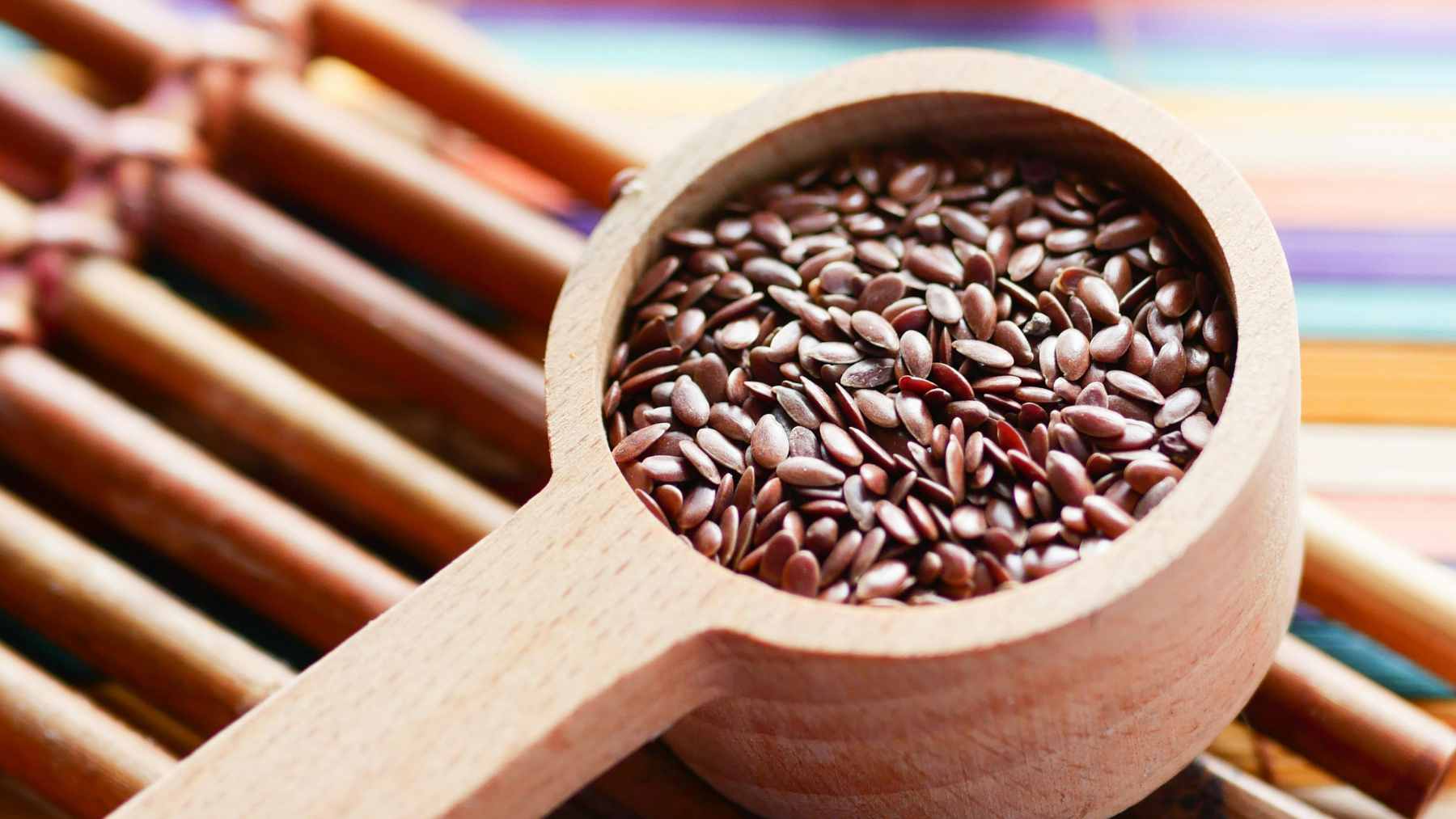
Mayo Clinic says 5 to 10 grams or more of soluble fiber a day can help decrease LDL, and oatmeal or oat bran can provide 3 to 4 grams of fiber in a serving. Add chia seeds or ground flaxseed, and the fiber rises. Add walnuts, and the bowl gets healthy fats that make it more filling.
Oats also contain avenanthramides, plant compounds found in oats that may have antioxidant and anti-inflammatory effects. Those benefits are considered secondary to the better-studied beta-glucan cholesterol effect, but they add another reason to choose whole oats over highly sweetened versions.
Oats are not medicine
It is worth saying clearly. Oatmeal is not a miracle cure, and it should not replace cholesterol medication prescribed by a doctor. The group says lifestyle changes sometimes are not enough, and medication may be needed to reach healthy levels.
For most people, the smarter takeaway is practical. Eat plain oats often, prepare them with fruit, nuts, or seeds, and keep the rest of the day from undoing the work with too much saturated fat and added sugar. A good bowl is a habit, not a hack.
The main study has been published in The American Journal of Clinical Nutrition.