Have you ever wondered why two people with the same birthday can seem to age at completely different speeds? One may be hiking, cooking, and chasing grandkids, while another is juggling medications and constant fatigue.
Scientists call that gap biological aging, and it is becoming one of the most watched ideas in health research.
The newest takeaway is surprisingly practical. Daily multivitamins, better heart and lung fitness, and plant-forward eating may all help the body age more slowly, at least by some measures. Not magic, but the signals are hard to ignore.
The clock inside the body
Chronological age is simple: it is the number of years since you were born. Biological age is different, and more like the body’s maintenance record, shaped by genes, stress, food, sleep, movement, disease, and countless small choices.
Researchers now use tools called biological clocks to estimate how fast the body is aging inside. Some clocks track tiny chemical marks on DNA, while others combine blood pressure, cholesterol, insulin, inflammation, and other markers into one overall estimate.
In plain terms, they are trying to answer one big question: is the body aging faster or slower than the calendar says?
“Although everyone ages over time, there may be simple ways to delay the aging process and help us live not only longer but also better,” Sidong Li, a postdoctoral researcher at Brigham and Women’s Hospital, said in a previous interview.
A daily multivitamin signal
In a 2026 COSMOS analysis, a team with senior author Howard D. Sesso studied 958 healthy older adults with an average age of about 70. Researchers from Harvard and Mass General Brigham tested whether a daily multivitamin-mineral supplement could affect five DNA-based aging clocks over two years.
The participants took different combinations of a multivitamin, cocoa extract, or placebo, a look-alike pill without the active ingredients.
Compared with the placebo-only group, people who took the multivitamin showed slower movement on the clocks, equal to roughly four months less biological aging over the two-year period.
That finding is promising, but it is also small. Researchers still want follow-up work to see whether the change lasts after the trial ends. In other words, a pill is not a time machine.
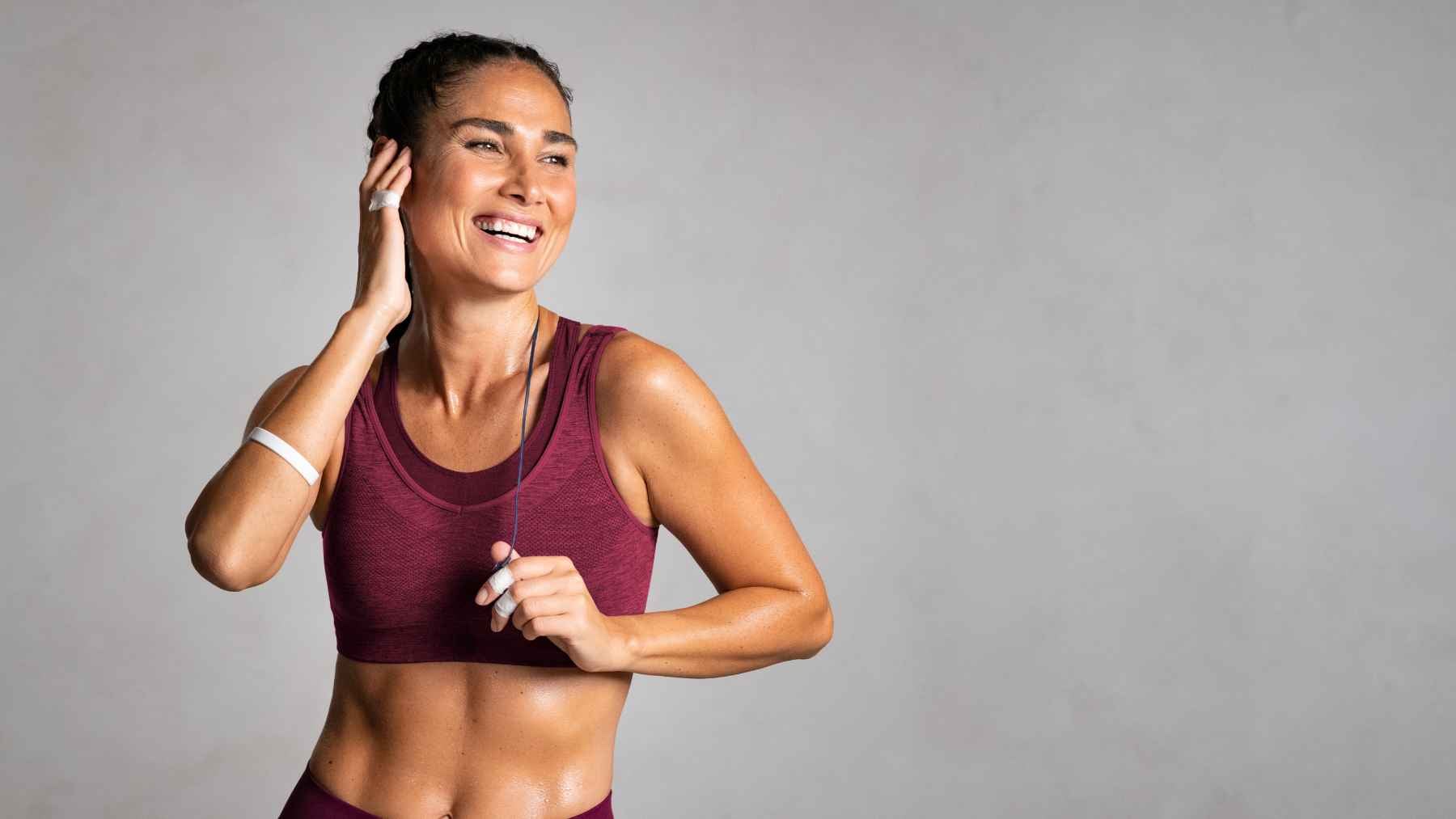
Regular exercise is one of the lifestyle habits researchers say may help slow biological aging when combined with a healthy diet and proper nutrition.
Fitness in midlife matters
Cardiorespiratory fitness is a long phrase for something simple. It means how well the heart and lungs deliver oxygen to the muscles when you move. You feel it when climbing stairs, walking fast to catch a bus, or getting through a workout without gasping too soon.
In another 2026 study, Clare Meernik and colleagues analyzed 24,576 U.S. adults who were healthy through age 65. Their fitness had been measured earlier in adulthood with treadmill tests, and researchers later tracked Medicare records for 11 major chronic conditions.
The highest-fit men had a 2% longer health span, 9% fewer major diseases, and a 3% longer life span than the lowest-fit men, with similar patterns seen in women.
They also developed each chronic condition at least 1.5 years later on average. That does not mean everyone needs a marathon plan. A brisk walk that leaves you breathing harder still counts as movement in the right direction.
A four-week diet test
Food may also move the aging markers faster than many people expect. A University of Sydney team led by Dr. Caitlin Andrews studied 104 adults ages 65 to 75 during a controlled four-week diet intervention. The volunteers were assigned to diets that varied by fat, carbohydrates, and how much protein came from plants.
The group eating a high-fat omnivorous diet, which was closest to what many participants were already eating, showed no meaningful change in biological age. But the high-carbohydrate omnivorous group and both semi-vegetarian groups showed reductions in the gap between biological age and calendar age.
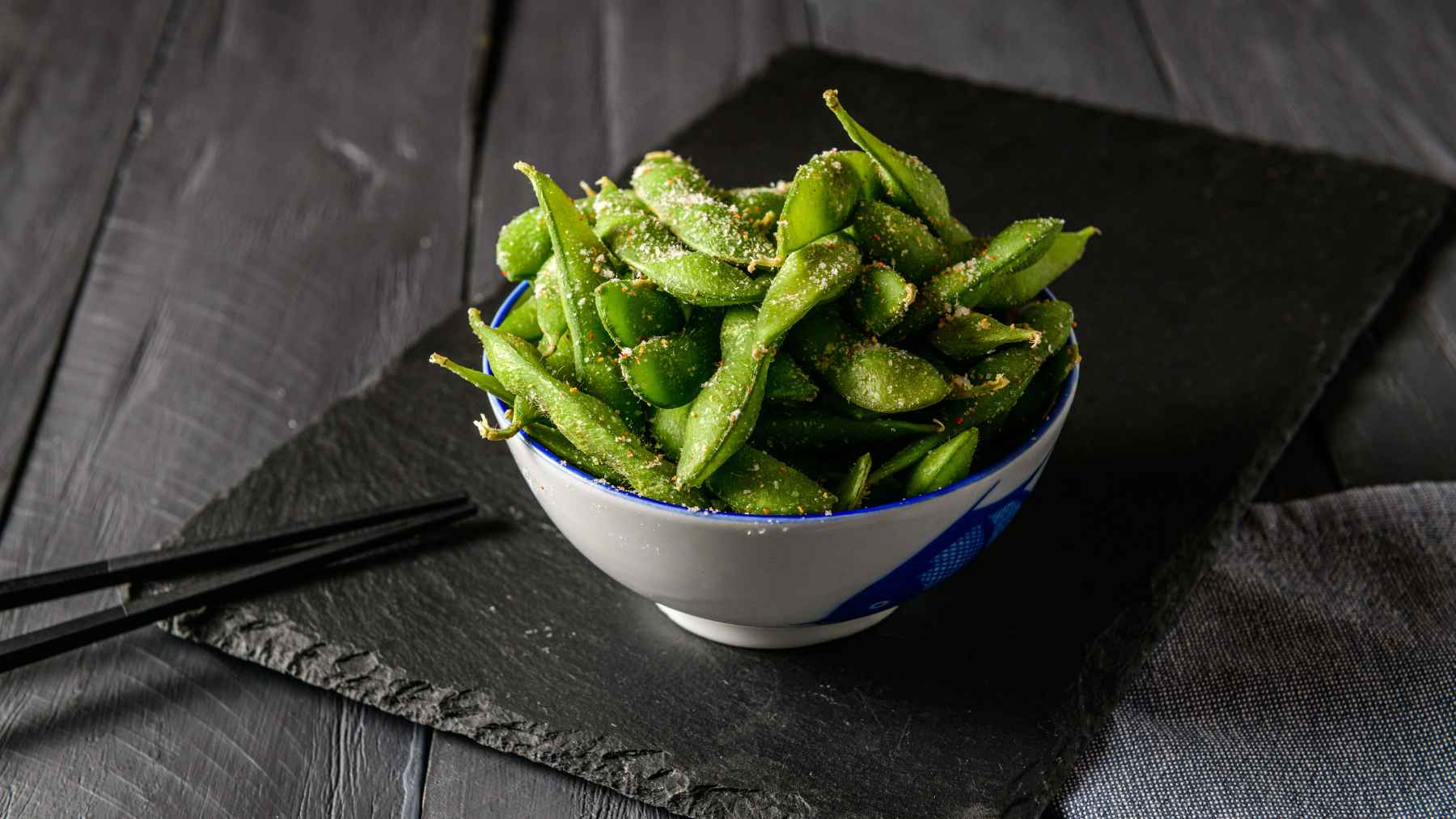
The strongest signal came from diets richer in complex carbohydrates and plant-based foods. Think beans, vegetables, whole grains, and other foods that look more like a meal than a product label.
Still, the researchers were careful. “It’s too soon to say definitively that specific changes to diet will extend your life,” Andrews said.
What people can do now
So, what does all this mean when you are standing in a grocery aisle or deciding whether to take the stairs? For the most part, the evidence points in a familiar direction: eat more whole plant foods, keep moving, and do not expect supplements to erase years of poor sleep, inactivity, or ultra-processed meals.
Multivitamins may help some older adults, especially if their nutrition is not ideal, but experts warn that biomarkers are not the same as fewer heart attacks, cancers, or deaths.
Fitness and diet, on the other hand, touch many systems at once. They affect blood pressure, blood sugar, energy, inflammation, and the everyday stamina needed to enjoy life.
The main study on multivitamins has been published in Nature Medicine.