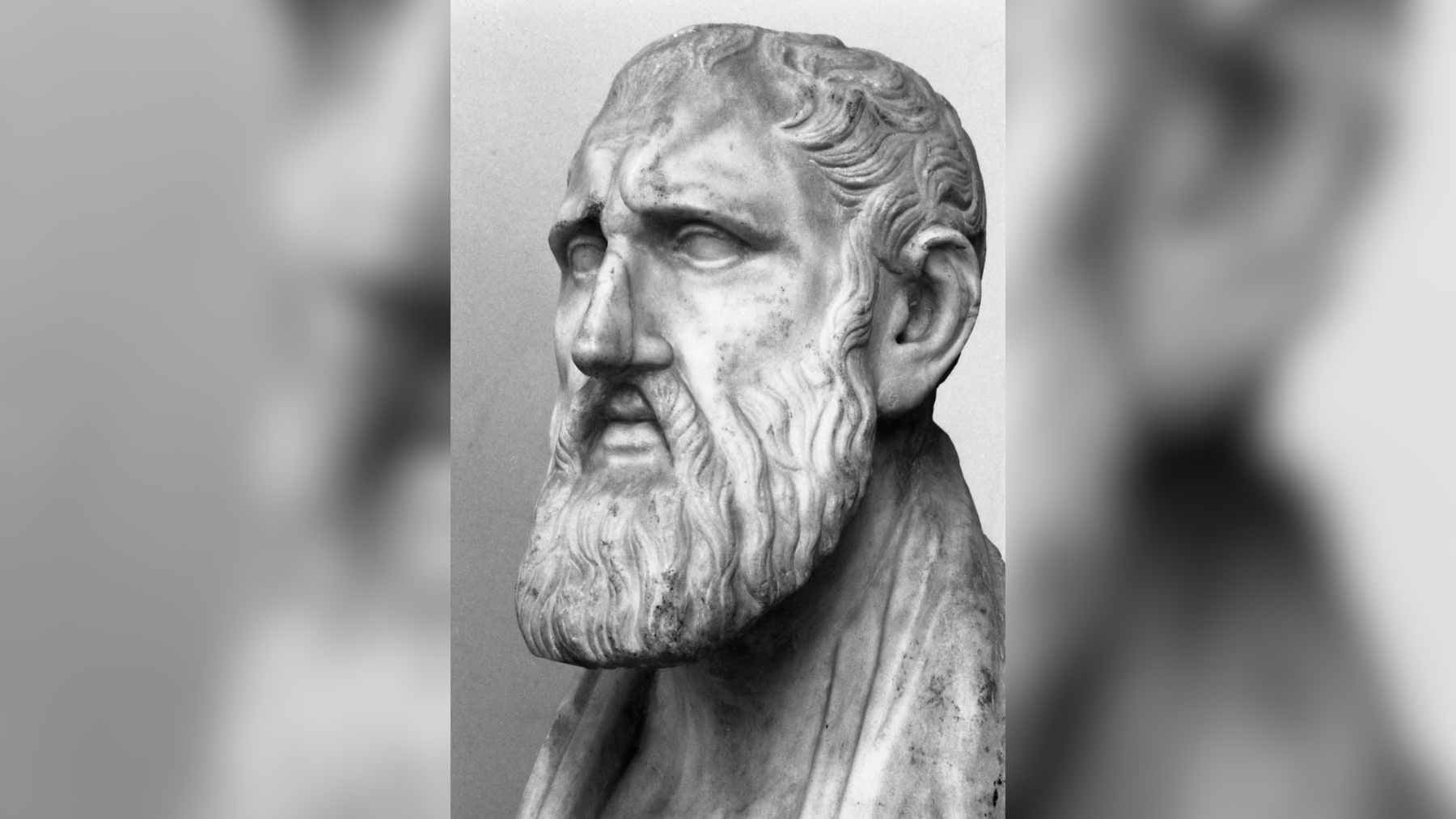
An ancient Stoic idea is finding fresh attention at a time when people are drowning in posts, opinions, and carefully edited versions of real life. The quote associated with Zeno of Citium is blunt enough to stop a scroll, “Nothing is more harmful to a sound understanding of knowledge than self-deception.”
The line matters because it turns the spotlight inward. For the Stoics, the biggest threat to truth was not always a lack of facts, but the very human habit of bending reality until it feels easier to live with.
Why this warning matters now
Self-deception sounds like a heavy term, but most people know the feeling. It can be the student who says an exam went badly only because the teacher was unfair, or the adult who insists a bad habit is not really a problem.
That is why the old warning still lands. In practical terms, it asks a simple question: are we trying to understand what is true, or only trying to protect the story we already like?
What Stoicism taught
Stoicism was founded in Athens around 300 B.C. by Zeno, who came from Citium in Cyprus. The school later shaped Roman thinkers such as Seneca, Epictetus, and Marcus Aurelius, whose writings made Stoic ideas easier to carry into daily life.
Complete works by the earliest Stoic leaders have not survived, so the quote is safest to read as a clear summary of Zeno’s school, not as a preserved line from one of his books.
At the heart of Stoicism was a demanding but useful idea. People should train their judgment, live with reason, and focus on what they can control. That does not mean ignoring pain, but it does mean not letting every fear or impulse become a false story.
Self-deception in simple terms
Self-deception happens when a person clings to a belief because it feels safer than the evidence in front of them. Philosophers still debate the exact definition, but a basic version is clear enough. Emotion or desire can push someone toward a false belief, even when reality points the other way.
The Stoics had their own way of describing that problem. They believed first impressions needed to be examined before being accepted. In everyday language, they were saying, “do not believe every thought just because it arrived loudly.”
Zeno and the painted porch
The story often told about Zeno begins with a shipwreck. After losing wealth from maritime trade, he ended up in Athens and moved toward philosophy instead of commerce.
He did not begin with a fancy campus or a private academy. He taught in a public painted porch known as the Stoa Poikile, which eventually gave Stoicism its name. The setting fits the message, because this was a philosophy meant for crowded streets, daily pressure, and real human trouble.
What psychology adds
Modern psychology gives the ancient idea a new frame. Core Psicólogos describes self-deception as a defense mechanism that can soften pain, guilt, fear, or uncertainty by creating a more bearable story.
That can help for a moment. Who has not tried to sleep better by telling themselves that everything is fine? The trouble comes when comfort becomes a blindfold, because the problem remains while the person becomes less able to face it.
The mind protects itself
Research on self-deception also treats it as a form of emotional coping. One review in Consciousness and Cognition argued that self-deception is often driven by the need to reduce distress, even if the easier belief may cause problems later.
That is where the Stoic and modern views partly meet. Both suggest that the mind is not a neutral camera. It filters, edits, and sometimes hides the parts of life we least want to see.
The danger of comfortable stories
Self-deception can look harmless because it often begins softly. A person minimizes a mistake, rewrites a conversation, or blames every setback on someone else. Little by little, the story becomes more important than the truth.
The damage is not only intellectual. For the Stoics, bad judgment could disturb emotional balance and weaken self-control. Today, the same pattern can affect relationships, work, school, and mental health, because honest change usually starts with an honest look.
A Stoic test for daily life
So what would a Stoic response look like? Not shame, and not pretending to be emotionless. A better first step is to pause and ask whether the belief in your head is supported by facts, or whether it only feels good because it protects your pride.
That small pause can matter. Before sending the angry text, avoiding the hard conversation, or blaming the traffic jam for everything that went wrong, a person gets one chance to check the story. Sometimes that is where wisdom begins.
Why Zeno still speaks
The renewed interest in Zeno’s phrase says something about the present moment. People have more information than ever, but more information does not automatically bring more clarity. Sometimes it only gives self-deception better tools.
At the end of the day, the Stoic message is simple and uncomfortable. To know the world better, we first have to stop lying to ourselves about what we already see.
The main work referenced in this article has been published in Clarín.