A summer trip to the coast feels healthy almost by default. Sunlight, salty air, a swim in the sea, a long walk on the sand. It is easy to believe that the beach itself is doing something special for your bones.
The truth is more practical. The sea may support bone health indirectly, mostly by getting people outdoors, moving, and exposed to some sunlight. But seawater does not appear to strengthen bones on its own, and swimming is not a complete replacement for weight-bearing exercise.
Sunlight helps, with limits
When sunlight reaches the skin, the body can make vitamin D, a nutrient that helps the gut absorb calcium. Calcium is one of the main building blocks bones need to stay strong over time.
The International Osteoporosis Foundation says many people can get enough vitamin D with about 10 to 20 minutes of sun on bare face, hands, and arms outside peak sunlight hours, while avoiding sunburn.
But age, season, latitude, skin tone, smog, sunscreen use, and time spent indoors can all change how much vitamin D the skin makes.
So yes, that short walk by the water can help. Still, lying in the sun for hours is not a bone health plan. At the end of the day, the useful part is moderate exposure, not burning.
Vitamin D is not magic
Vitamin D often gets treated like a simple fix for fragile bones, but the evidence is not that tidy.
A Cochrane review found that vitamin D alone was unlikely to prevent hip fractures or new fractures in older adults in the doses tested. The same review found that vitamin D combined with calcium produced a small reduction in hip fracture risk and other fractures, especially among people at higher risk.
That matters because bones are not protected by one nutrient alone. For the most part, they need a steady mix of calcium, vitamin D, protein, movement, and fall prevention. A pill cannot carry all of that weight.

Seawater is not a bone treatment
What about the water itself? Despite the old belief that saltwater “does the bones good,” there is no strong evidence that bathing in the sea directly raises bone density or prevents osteoporosis.
Thalassotherapy means the therapeutic use of the marine environment, including seawater and coastal climate.
A review by Michele Antonelli and Davide Donelli found that research has focused mainly on skin conditions such as psoriasis and rheumatic conditions such as fibromyalgia, not on proving a direct bone-building effect from seawater baths.
That does not mean the beach has no value. It means the minerals in seawater are not absorbed through a casual swim in a way that meaningfully changes bone metabolism. The benefit is more likely to come from what you do there.
Swimming is good, but not enough
Swimming is excellent for the heart, lungs, and muscles. It is also gentle on painful joints, which is why many people with arthritis, balance problems, or fear of falling find the water more inviting than a gym floor.
Bones respond strongly to mechanical loading, which means the body working against gravity. In water, buoyancy supports much of your weight. That makes movement easier and safer, but it also reduces the kind of impact that tells bones to grow stronger.
A 2023 review in Frontiers in Physiology, led by Eileen Schinzel, found that aquatic exercise can have favorable effects on bone mineral density in older adults compared with doing no training. Even so, the paper noted that land-based, weight-bearing exercise often provides a stronger bone stimulus.
What actually protects bones
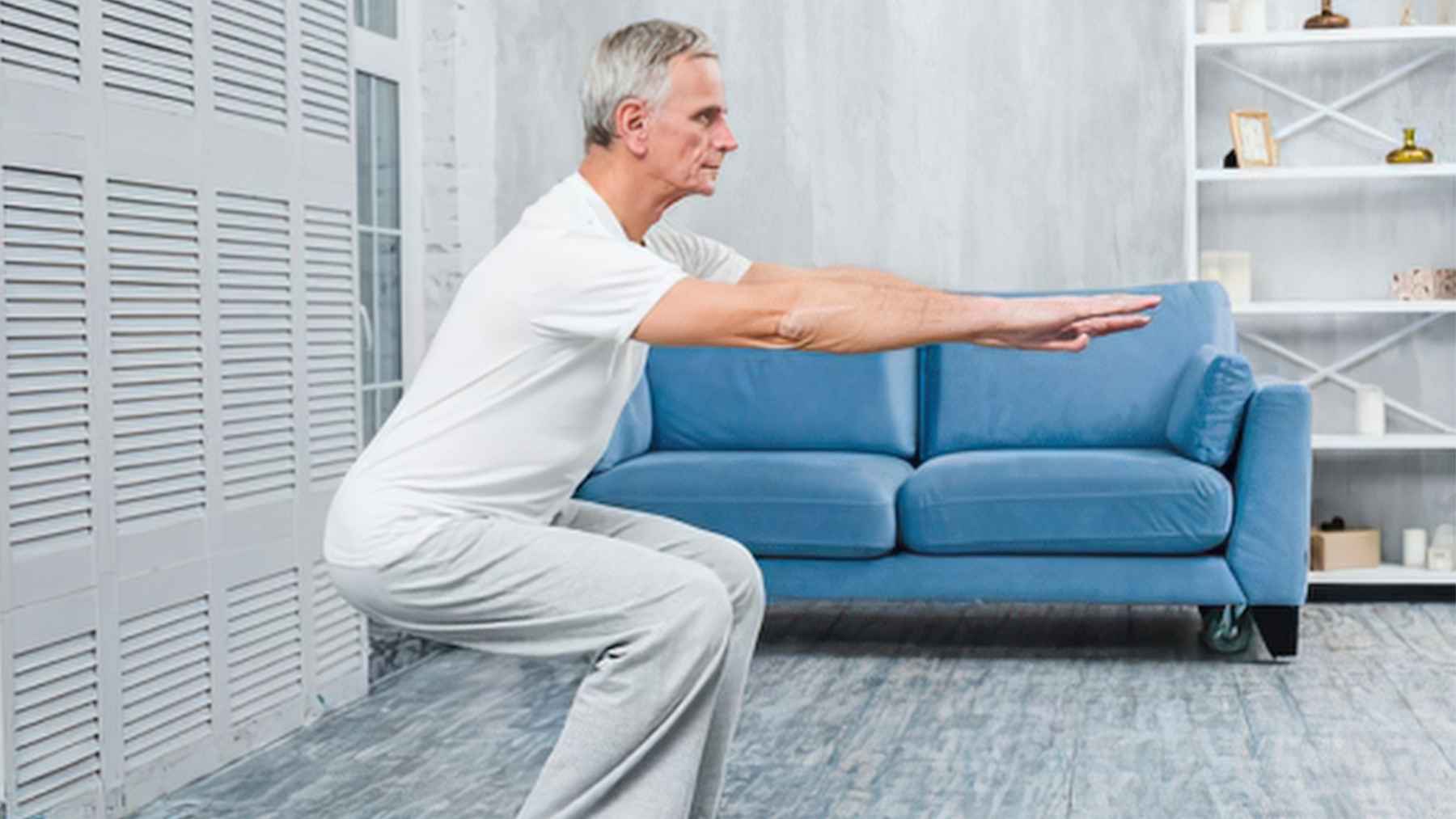
In practical terms, stronger bones come from a routine, not a beach myth. Brisk walking, climbing stairs, dancing, jogging, tennis, and resistance training all ask the skeleton to work against gravity.
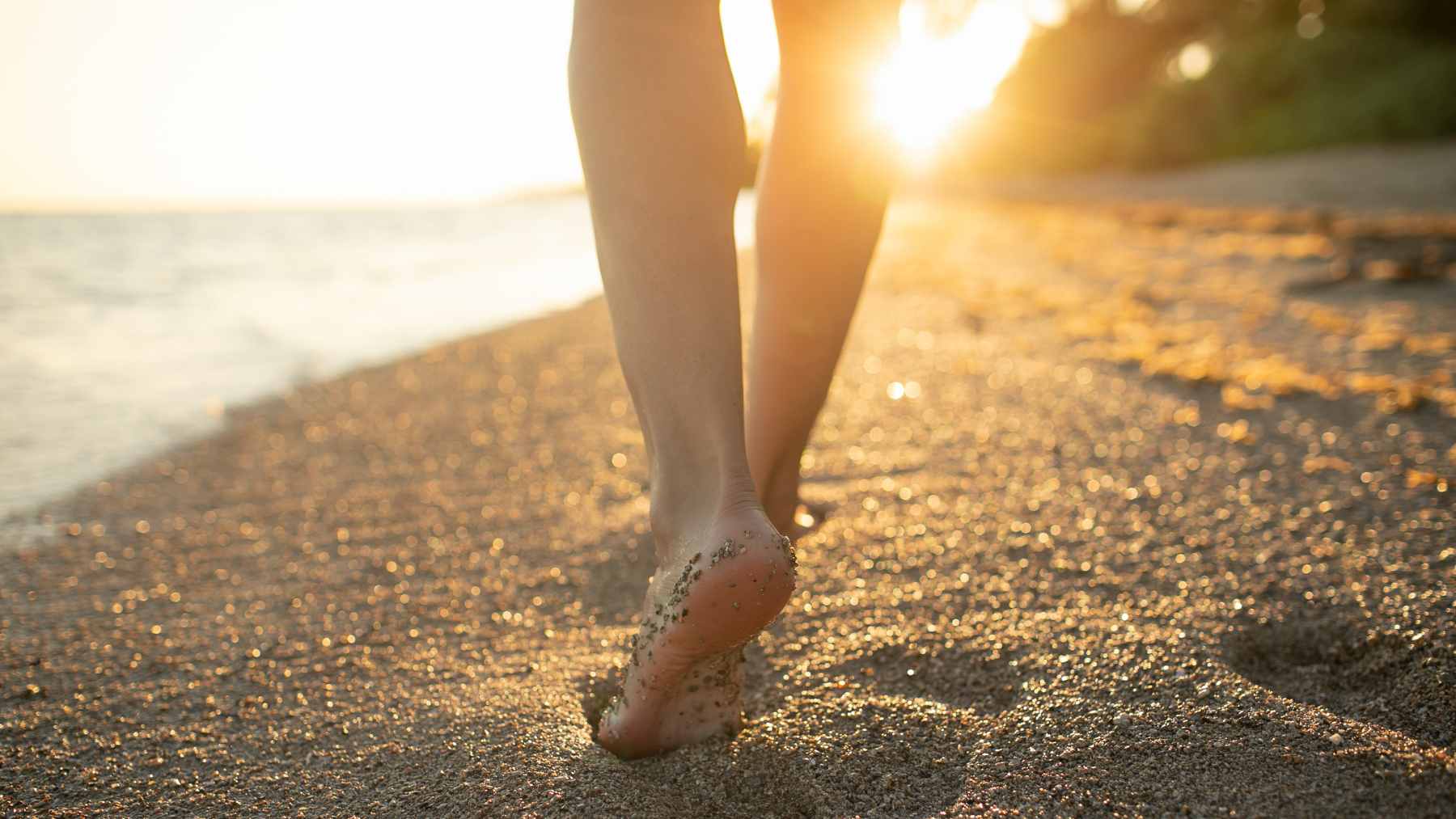
The CDC recommends at least 150 minutes of moderate-intensity physical activity each week, plus muscle-strengthening activity on two days. For bones, that weekly movement should include weight-bearing exercise and strength work, not only low-impact exercise.
Food matters, too. The International Osteoporosis Foundation lists calcium, protein, and vitamin D as key nutrients for bone health, while the National Institute of Arthritis and Musculoskeletal and Skin Diseases also points to weight-bearing exercise, not smoking, moderate alcohol use, and a diet rich in calcium and vitamin D.
Falls are the real danger
Osteoporosis is often called a silent disease because people may not know they have it until a bone breaks. The fracture is the crisis, and many fractures happen after a fall.
That is why balance, vision checks, safe shoes, clear floors, and muscle strength matter so much, especially for older adults. A loose rug at home can be more dangerous than a missed swim.
So, is the sea good for bones? It can be, in a roundabout way. Go outside, move, get sensible sunlight, eat well, and talk with a doctor if you are older, postmenopausal, have family history, or worry about fracture risk.
The main review on thalassotherapy cited here has been published in the International Journal of Biometeorology.