Could a handful of nuts make your vitamin D supplement work better? For many people, the answer appears to be “yes.” The latest practical advice is not about choosing mornings over nights, but about building a routine that is easy to repeat.
In guidance reported by EatingWell, registered dietitian Roxana Ehsani and physician David Davidson point to a simple message: the best time to take vitamin D is the time you will actually remember, ideally with a meal that contains healthy fat.
Timing is not the star
There is no universal “best” hour for taking vitamin D. Morning, afternoon, and evening can all work, as long as the habit is consistent and the supplement fits into real life.
That matters because forgotten doses do not help much. At the end of the day, the body does not care whether the pill came with breakfast or dinner as much as it cares that the routine keeps happening.
Why fat helps
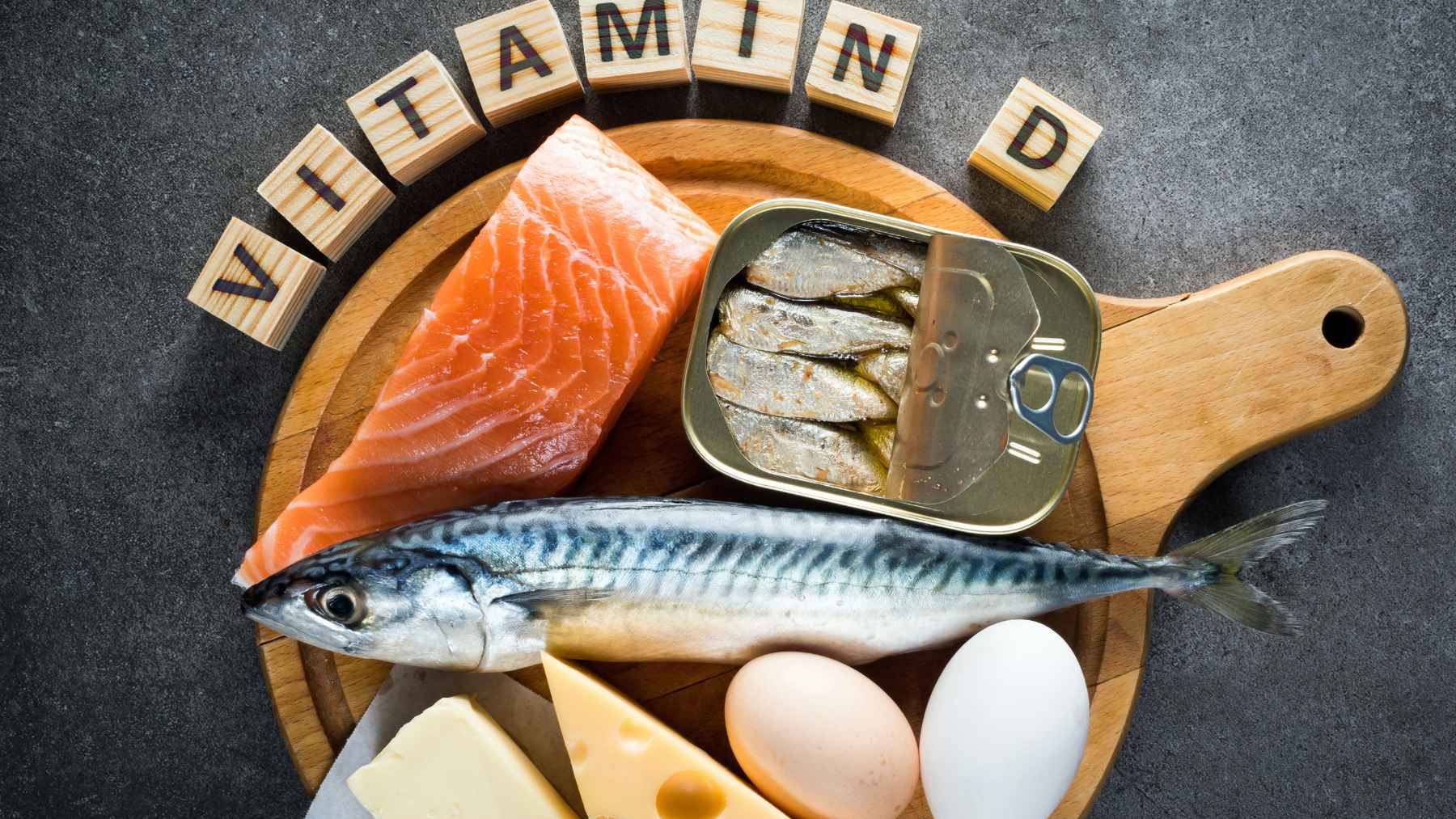
Vitamin D is fat-soluble, which means it is absorbed better when fat is present in the gut. The National Institutes of Health says vitamin D is found in some foods, added to others, made by the skin in sunlight, and available as a supplement, but fat in a meal helps the body take it in more effectively.
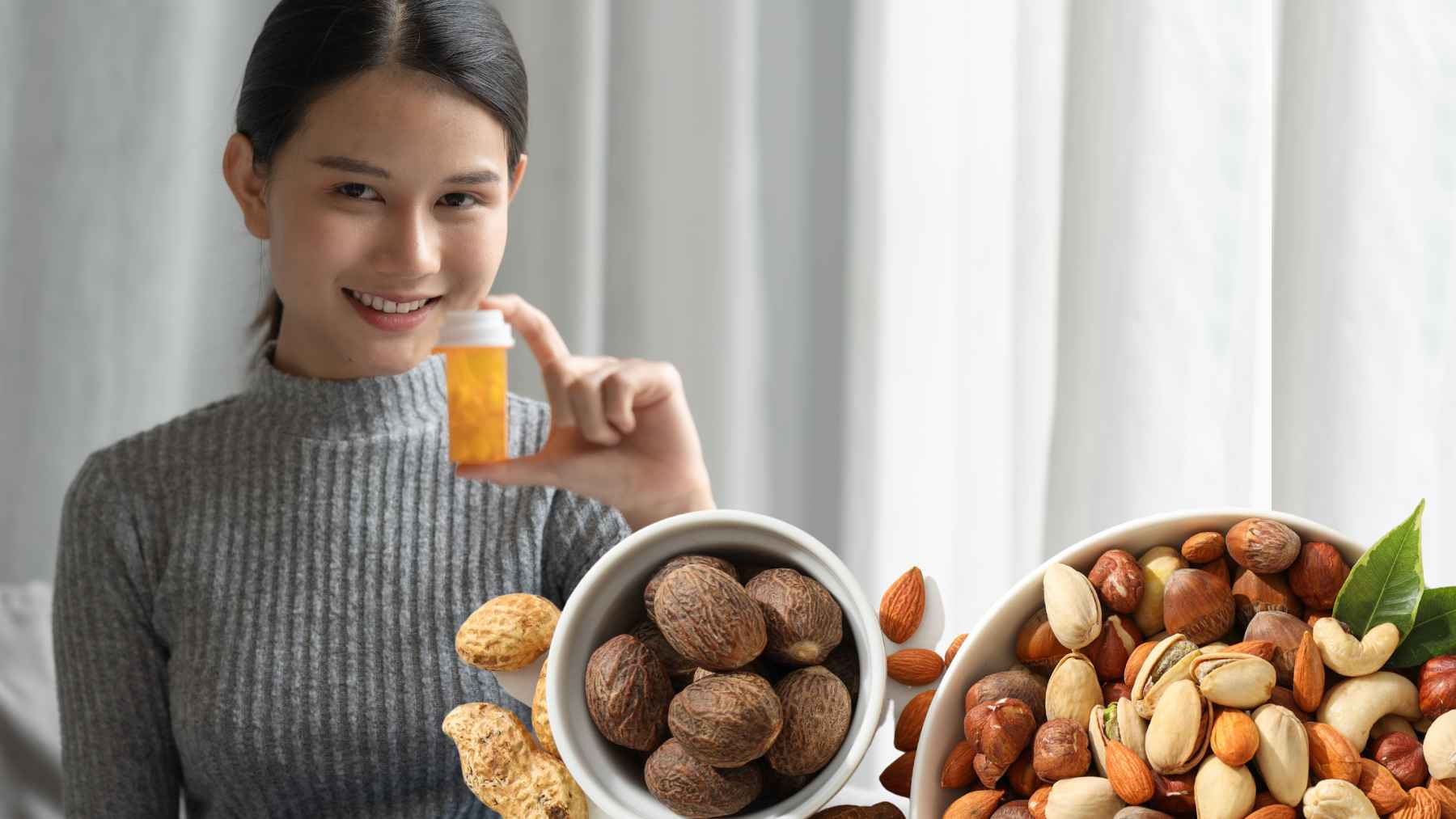
In practice, the supplement may pair better with foods like nuts, seeds, avocado, olive oil, salmon, whole milk, or yogurt. It does not need to be a fancy meal. Sometimes the most useful health habit is the one that fits next to your coffee mug or dinner plate.
What the study found
A Tufts University study led by Bess Dawson-Hughes, director of the Bone Metabolism Laboratory at the Jean Mayer USDA Human Nutrition Research Center on Aging, tested this idea in 50 healthy older men and women.
Participants took a large vitamin D3 dose with different breakfasts, some fat-free and some with fat from corn oil or olive oil.
By the end of the day, blood tests showed that people who ate meals containing fat absorbed 32% more vitamin D than those who ate a fat-free meal. That does not mean everyone needs a high-fat breakfast, but taking vitamin D on an empty stomach may leave some benefit on the table.
Why vitamin D matters
Vitamin D helps the body absorb calcium, a mineral needed to build and maintain bones. Mayo Clinic also notes that vitamin D supports immune health and helps muscles and brain cells work properly.
When vitamin D stays low for a long time, bones can become weaker and more fragile. The National Institutes of Health (NIH) also links vitamin D to muscle function and immune activity, though experts warn that supplements are not a cure-all for every health problem.

People enjoy a morning walk in a tree-lined park, illustrating how regular, moderate exercise can improve overall health and long-term wellness.
D2, D3, and dose
Most vitamin D supplements come as D2 or D3. MedlinePlus, a service of the National Library of Medicine, says both forms can raise vitamin D in the blood, but D3 may raise it higher and keep it there longer.
Still, more is not automatically better. Vitamin D can build up in the body, so high doses should be handled with care, especially for people who already take other supplements or medicines.
Who needs a tailored plan
Some people need more individualized advice. Mayo Clinic says older adults, people with darker skin, people with obesity, those who have had gastric bypass surgery, and people with conditions that affect fat absorption may be more likely to have low vitamin D.
The Endocrine Society’s 2024 guideline also adds nuance. Healthy adults under 75 generally do not need extra vitamin D above standard intake or routine testing, while children, pregnant people, adults older than 75, and adults with high-risk prediabetes may benefit from different guidance.
How to make it stick
So what should someone do tomorrow morning? Pick the moment that is hardest to forget, then connect it to a meal or snack with some fat. A spoonful of nut butter, a few walnuts, or yogurt can be enough to turn a loose intention into a steady habit.
This is not about chasing the perfect wellness trick. It is about making a small daily action easier, safer, and more likely to support bones and muscles over time.
The main study was published in the Journal of the Academy of Nutrition and Dietetics.