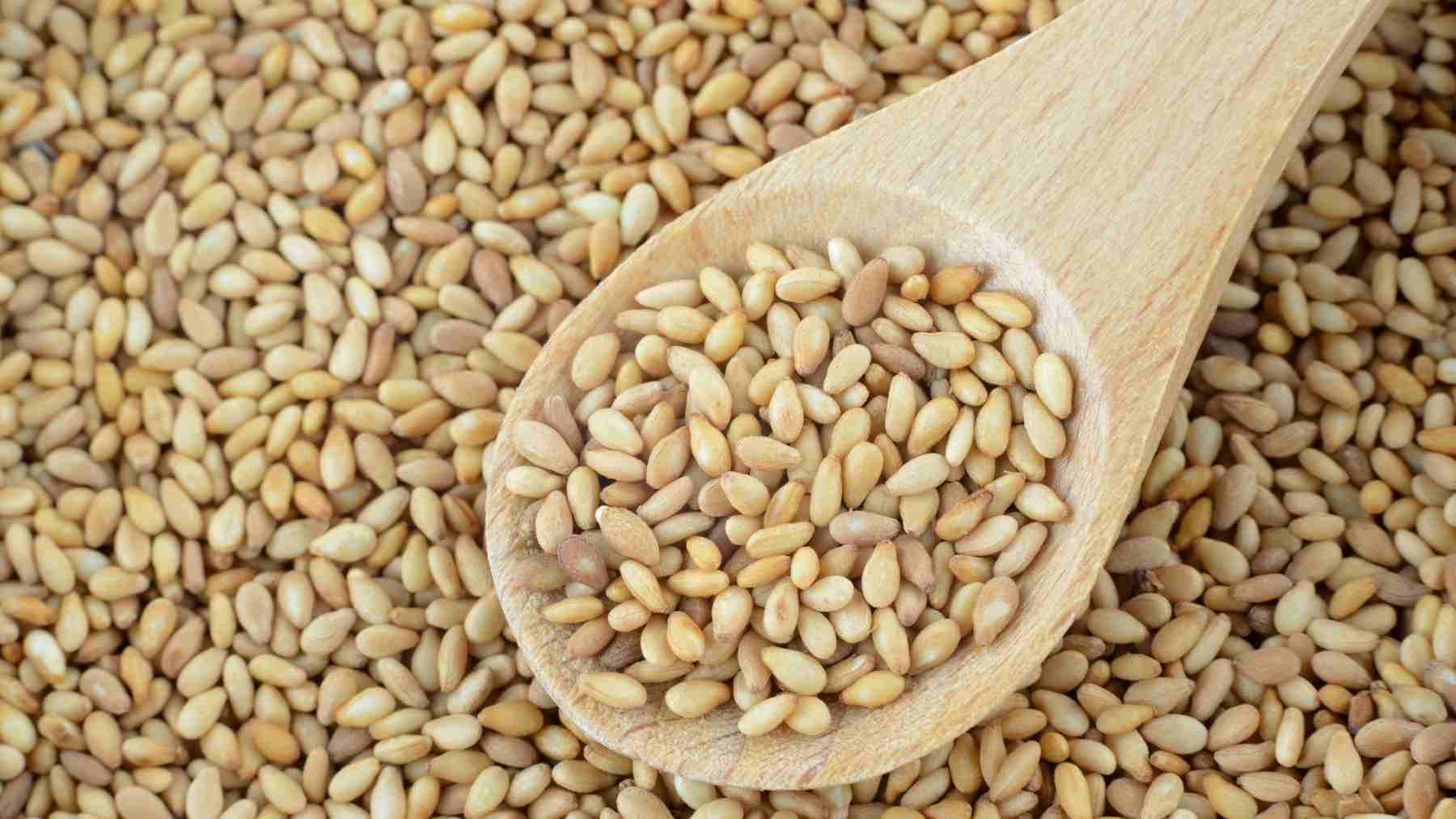
Could one of the most interesting calcium foods be hiding in plain sight? Sesame seeds, the tiny specks many people barely notice on bread or mixed into hummus, can supply a serious amount of calcium, a mineral the body needs to build and maintain strong bones. That sounds surprising because dairy still dominates the conversation about bone health.
Not getting enough calcium over time can raise the risk of osteoporosis, a disease that makes bones weaker and more likely to break. That is why this little seed deserves a closer look, especially for people trying to build a more varied diet. And that is where the story gets more interesting.
Why sesame stands out
The first reason is simple. Data from the U.S. Department of Agriculture show that one ounce of whole roasted sesame seeds has about 280 milligrams of calcium, which comes surprisingly close to the roughly 305 milligrams in a cup of 1% milk. That does not make sesame a copy of milk, but it does make it a serious contender.
But there is a catch, and it matters a lot. Those same tables show whole dried sesame seeds at 1,404 milligrams of calcium per cup, while hulled sesame kernels drop to 90 milligrams per cup, which suggests much of the calcium sits in the outer layer of the seed. In plain language, removing the hull can strip away a big part of what makes sesame impressive for bones.
The same split appears in tahini. A tablespoon of the most common roasted tahini has about 64 milligrams of calcium, so sesame paste can still help, but it does not match the calcium punch of whole seeds. That difference helps explain why two sesame products can look similar on the shelf but act very differently in a nutrition chart.
More than calcium
Bones do not run on calcium alone. Guidance from the National Institutes of Health says phosphorus is part of bones and teeth, magnesium is essential for bone health, and zinc helps with protein and DNA work throughout the body, with much of it stored in bone and skeletal muscle. In other words, strong bones depend on a team effort.
Sesame helps on that front too. Federal health guidance lists sesame seeds as a source of phosphorus with 57 milligrams in one tablespoon, and federal nutrient tables show whole dried sesame seeds also provide magnesium and zinc. In practical terms, that means sesame brings more to the table than a single nutrient headline.
Bone density, which means how packed and strong bones are, depends on more than what you sprinkle over lunch. Federal health experts also stress that vitamin D, protein, and weight-bearing exercise such as walking or climbing stairs are part of the picture too. That is why even a very good food cannot do the whole job by itself.
What the research says
Researchers are also looking beyond minerals. A 2023 review led by Ammara Arooj at the University of Agriculture Faisalabad said sesame contains bioactive compounds such as sesamin and sesamol and argued these may matter for postmenopausal bone health, a time when lower estrogen can speed bone loss. Postmenopause matters because bone loss often accelerates after hormone levels shift.
There is some human evidence, but it is not the same thing as proof that sesame prevents fractures. A controlled study in The Journal of Nutrition found that 50 grams of sesame seed powder a day improved some blood lipid and antioxidant measures in postmenopausal women and may have affected hormone-related markers. The study was not designed to show fewer broken bones, though, so the results need context.
So what should readers take from that? For the most part, sesame looks promising as part of a bone-friendly diet, especially for people who want more plant-based calcium, but experts still treat it as supportive nutrition rather than a standalone answer to osteoporosis. That is a useful distinction.
Easy ways to eat more of it
The easiest move is also the least dramatic. Whole sesame seeds can be toasted and scattered over salads, soups, rice, roasted vegetables, noodles, or stir-fries, where they add crunch and a mild nutty taste without taking over the dish. It is the sort of small pantry habit that can actually stick.
They also work in smoothies, homemade bread, yogurt, fruit bowls, snack mixes, and sesame paste spreads. Just keep an eye on the form you buy, because whole seeds and hulled tahini can look similar on the shelf while offering very different calcium totals. That small detail can change the nutrition story quite a bit.
At the end of the day, sesame is not a miracle seed. But it is an easy food that can quietly help support bone health over time, especially when it joins a diet with enough calcium and vitamin D and the kind of daily movement most people can actually stick with. For teens building bone mass and for older adults trying to protect it, that kind of steady habit can matter.
The main official sources behind this article were published by the U.S. Department of Agriculture, the National Institutes of Health, and the journal Food & Function.