Olive oil has always been more than a drizzle over toast or salad. For Emilio Lara, a doctor in Anthropology and author of Un mar de oro verde, it is part food, part culture, and part living history. He recently described olive oil as “the petroleum of Antiquity” and “the closest thing” in nature to a fountain of youth.
That last phrase is catchy, but it needs a careful reading. Extra virgin olive oil is not magic, and it will not stop aging. Still, modern nutrition research does support a practical idea that Mediterranean cultures have understood for centuries. When used regularly and in place of less healthy fats, extra virgin olive oil can be one of the simplest upgrades in an everyday diet.
Why extra virgin matters
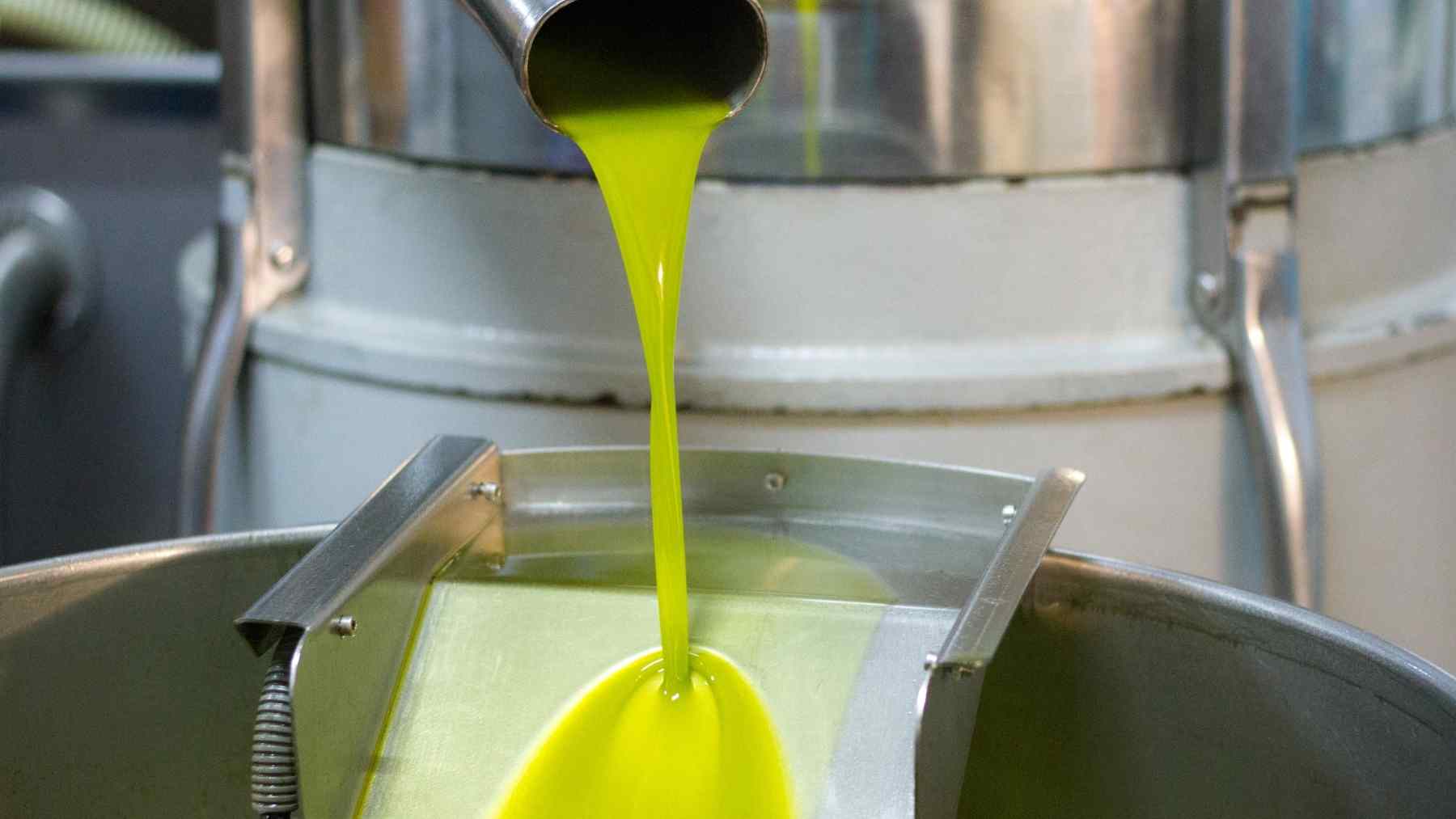
The key detail is not just “olive oil.” It is extra virgin olive oil, often called EVOO. This is the least processed form, made from olives through mechanical methods, which helps preserve its flavor, aroma, and many of its bioactive compounds.
Those compounds include polyphenols such as hydroxytyrosol, oleocanthal, and oleuropein. In practical terms, they help explain why EVOO is so often linked with antioxidant and anti-inflammatory effects. That does not mean every bottle has the same strength, though.
Refined oils usually lose many of these delicate compounds during processing. So the advice from many nutrition experts is simple enough for a grocery run. Look for “extra virgin” on the label, keep it away from heat and light, and use it as a replacement for butter, margarine, or highly saturated fats.
What the science supports
The strongest evidence is around cardiovascular health. The U.S. Food and Drug Administration says there is “credible evidence” for a qualified health claim that oils high in oleic acid, including olive oil, may reduce the risk of coronary heart disease when they replace fats higher in saturated fat. The amount named by the FDA is about 1.5 tablespoons a day, or roughly 0.7 ounces.
That replacement part matters. Adding olive oil on top of a diet already high in calories is not the same thing as swapping it in for less healthy fats. A spoonful over vegetables or beans? That is a different story than pouring it freely over everything and hoping for the best.
Brain health is also drawing attention. A 2024 study in JAMA Network Open found that adults who consumed more than about half a tablespoon of olive oil per day had a 28 percent lower risk of dementia-related death compared with people who rarely or never consumed it.
The study followed 92,383 U.S. adults, making it a notable piece of evidence, although it still shows association rather than proof of cause and effect.
A small dose can go far
One reason olive oil is so easy to underestimate is that the useful amount is not dramatic. We are not talking about drinking it from a cup. For most people, it is closer to what you might use to dress a salad, roast vegetables, or finish a bowl of soup.
A 2025 randomized clinical trial looked at people with hyperlipidemia, a condition involving high blood fat levels. Researchers compared two extra virgin olive oils with different phenolic concentrations and found that EVOO consumption improved markers such as HDL cholesterol and lipoprotein(a) in hyperlipidemic patients.
The higher-phenolic oil, even at a lower dose of about 0.28 ounces per day, showed a more favorable effect on total cholesterol than a lower-phenolic oil taken at about 0.7 ounces per day.
The catch is that the study lasted only four weeks and included a limited number of participants. So it is promising, not final. Still, it points to an important message for shoppers. Quality may matter as much as quantity.
Spain’s green gold
Lara’s historical angle also helps explain why olive oil carries so much cultural weight. In the ancient Mediterranean, it was used not only for food, but also for lighting, body care, perfumes, and ritual life. That is why calling it the “petroleum of Antiquity” is more than a poetic line.
Spain remains central to the story. The International Olive Council estimated global olive oil production at about 3.79 million U.S. tons for the 2025/26 crop year, down 4 percent from the previous season. In the provisional 2024/25 crop year, Spain was expected to produce about 1.56 million U.S. tons, far ahead of Italy and Greece.
That leadership also explains why olive oil prices get so much attention in Spanish households. When harvests are weaker or costs rise, the change shows up fast at the supermarket. The bottle in the kitchen cabinet suddenly feels less like a basic staple and more like a premium product.
How to use it wisely
So, should everyone start using more olive oil? For the most part, the smarter move is to use it better. Replace some saturated fats with EVOO, add it to vegetables, legumes, whole grains, and fish, and keep portions reasonable.
It can also fit into beauty and self-care routines, especially because olive oil has a long history in soaps and skin products. But for skin conditions, acne, or irritation, food-grade olive oil is not a medical treatment. The kitchen and the bathroom shelf are not always the same thing.
At the end of the day, olive oil’s real power may be its simplicity. It is not a supplement, a trend, or a complicated wellness hack. It is a familiar food that becomes more useful when paired with a balanced diet, movement, sleep, and the boring habits that quietly protect health.
Olive oil and healthy aging
Lara’s “fountain of youth” phrase works best as a metaphor. Olive oil will not make cells immortal, but extra virgin olive oil does contain compounds that scientists continue to study for their role in oxidative stress, inflammation, heart health, and cognitive aging.
That is the real takeaway. A little extra virgin olive oil, used consistently and in the right context, may help turn an ordinary meal into a more protective one. Small habit. Big potential.
The study was published on MDPI in the journal Nutrients.