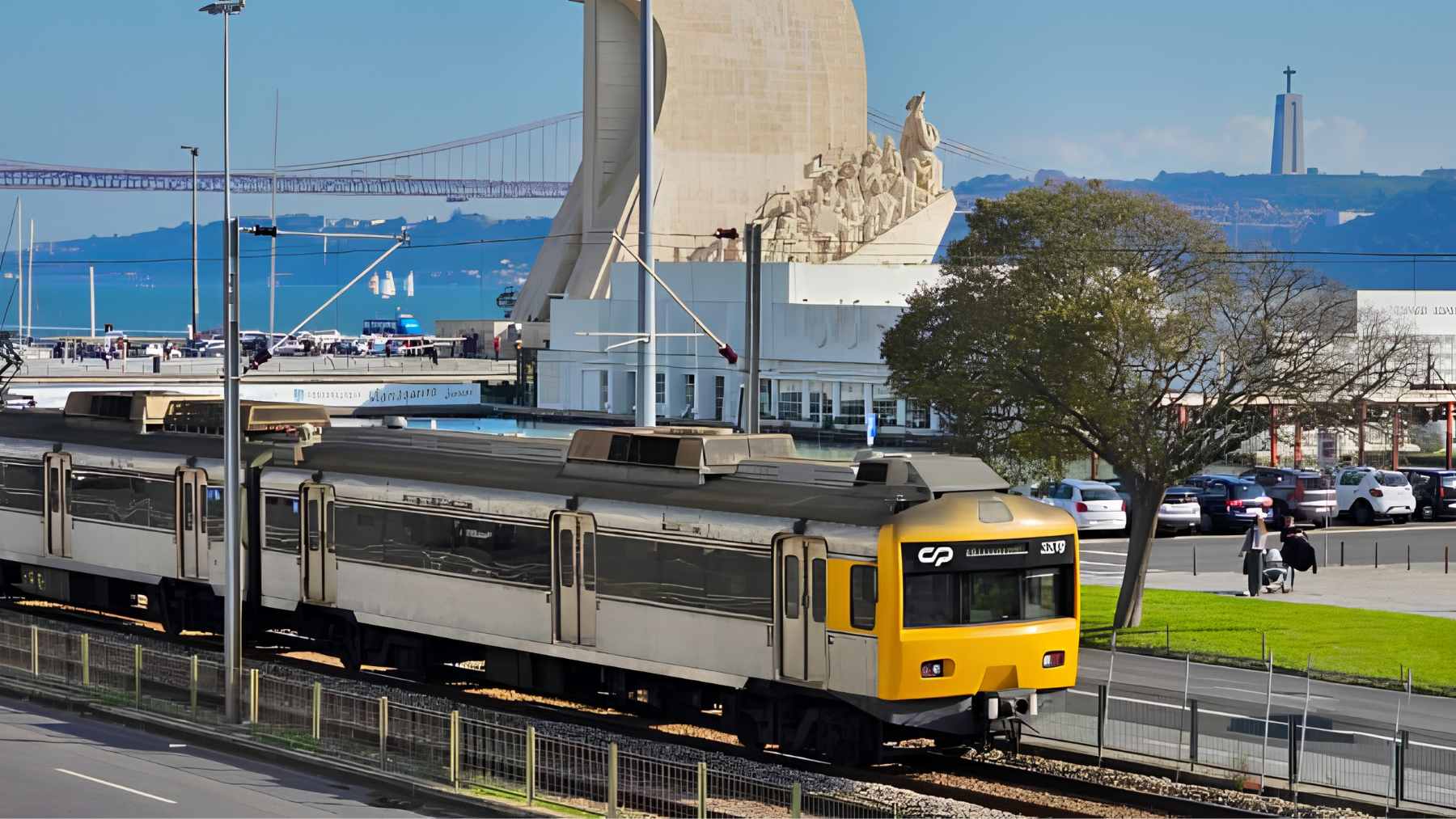
Lisbon is moving again on a rail project that has been sitting in the background for years. Infraestruturas de Portugal is updating the execution design for burying the Alcântara rail junction, a move that could finally let Cascais Line trains run directly toward Entrecampos, Roma-Areeiro, and Lisbon Oriente by 2034.
This is not just a commuter shortcut. Essentially, it is one of those unglamorous infrastructure fixes that can decide whether people choose a train, a car, or a frustrating mix of both on a normal weekday morning.
The official National Rail Plan frames the Alcântara link as a way to turn Lisbon’s rail map from a set of mostly radial routes into cross-city services with higher capacity.
Lisbon’s rail knot is back
The project focuses on the “Nó de Alcântara,” a rail knot where the Cascais Line and the Cintura Line sit close to each other but still do not function as one clean passenger corridor. Today, the existing connection is mainly used for freight and crosses busy roads at surface level, forcing interruptions in traffic when trains move through the area.
Carlos Fernandes, vice president of Infraestruturas de Portugal (IP), said the company’s technical teams are already revising and updating the execution project. The next major step is environmental review, with the current working calendar pointing to possible service in 2034 if everything stays on track.
The old investment estimate in Portugal’s PNI 2030 program was about $228 million at recent exchange rates. Fernandes has warned that the final bill will be higher, but IP has not yet said by how much or how the full project will be financed.
What riders get
The big passenger change is simple enough to understand. Cascais Line trains would be able to enter the Cintura Line and continue across Lisbon instead of leaving riders to make awkward transfers around Alcântara.
The National Rail Plan says earlier studies indicate the Alcântara link could support at least four trains per hour in each direction during peak periods. It also says future services could connect Cascais or Oeiras with Castanheira do Ribatejo or Azambuja, tying western and northern parts of the Lisbon metropolitan area through the city center.
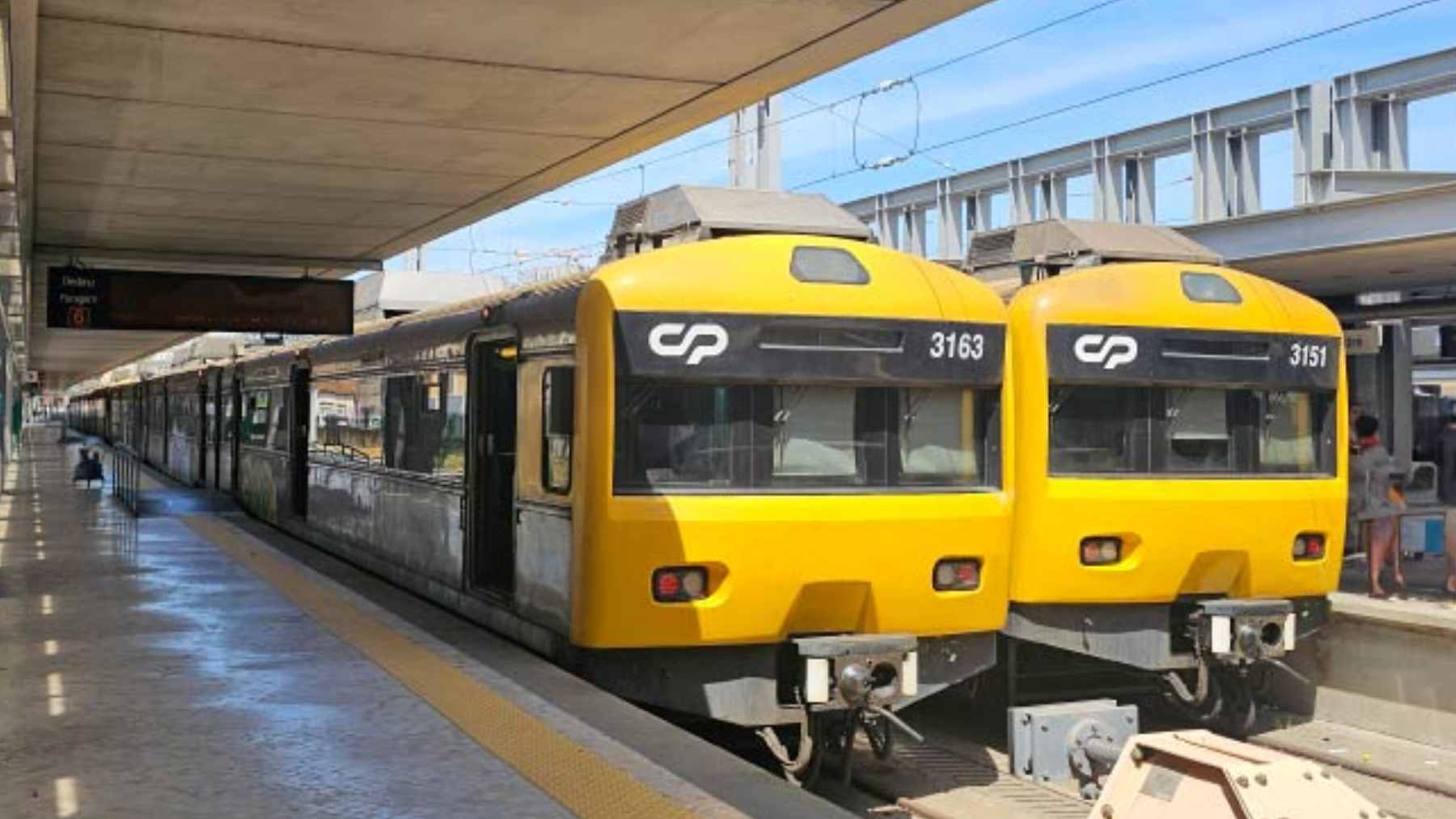
That matters for everyday travel. A passenger coming from the coast could get closer to Avenidas Novas or Parque das Nações without treating Cais do Sodré as the only realistic gateway into the city.
Why it matters for emissions
Rail projects do not cut emissions by magic. They help when the service is frequent, reliable, and easy enough to beat the car for normal trips, like going to work, school, or a doctor’s appointment without building the whole day around transfers.
The PNI 2030 fiche for the Cascais to Cintura connection lists shorter travel times, new services, and better service levels as key benefits. It also presents the wider rail investment program as part of a mobility strategy that includes greenhouse gas reduction, even though the Alcântara tunnel itself does not yet have a separate public carbon-saving estimate.
The nearby Red Line Metro expansion gives a sense of the wider environmental logic. Metro de Lisboa says the 2.5-mile extension to Alcântara, with four new stations, is expected to remove 3,700 private vehicles from daily circulation and avoid about 6,800 tons of CO2 in its first year of operation, rising to roughly 193,600 tons over 30 years.
The Metro connection
The new underground Alcântara-Terra rail station is expected to connect with the future Alcântara Metro station. That could turn the neighborhood into a stronger interchange instead of a place where passengers feel like the network almost connects, but not quite.
Metro de Lisboa says the Red Line extension will add Campolide/Amoreiras, Campo de Ourique, Infante Santo, and Alcântara. Its Alcântara station page also notes that the site has to account for future reserved space, including the IP rail tunnel that would integrate the Cascais Line with the Cintura Line.
That is where the environmental story becomes practical. When a rider can step off a suburban train, switch to the Metro, and avoid a taxi or a second car trip, cleaner transport stops being a slogan and starts working like a normal part of the day.
Ports and freight
There is another side to this project that commuters may not notice at first. The PNI 2030 plan includes a new access to the Port of Lisbon with an underground receiving yard, which means the Alcântara project is also tied to logistics and freight capacity.
That could reduce surface disruption in one of Lisbon’s most pressured transport zones. For drivers, it may mean fewer moments spent waiting at crossings. For port operators, it could mean a cleaner and more efficient way to move goods, depending on how the final design and rail operations are delivered.
The Port of Lisbon said the recent Info Day at Gare Marítima de Alcântara was meant to present major developments in the port infrastructure and support projects linked to sustainable port activity and economic competitiveness. The rail tunnel fits neatly into that conversation, even if its engineering challenges are anything but neat.
A difficult build
The idea is not new. The original study was commissioned in 2009 by REFER, which was later integrated into Infraestruturas de Portugal, but the financial pressures of the troika period helped freeze the plan for more than a decade.
Now comes the hard part. The tunnel has to fit around existing rail lines, future Metro works, road plans, port needs, and a dense urban fabric where every construction decision affects someone’s street, commute, or business.
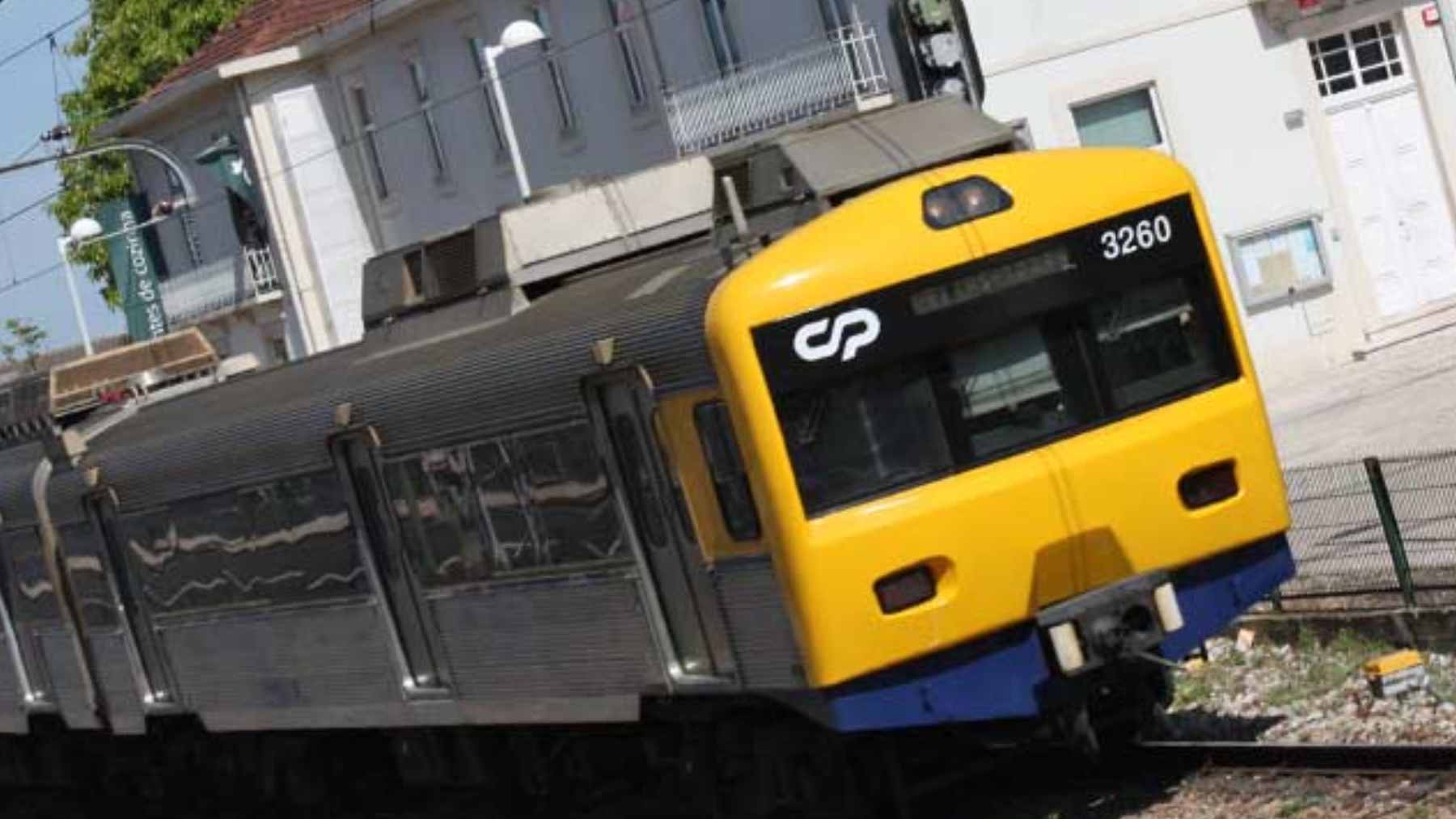
That is why the 2034 date should be treated as a target, not a guarantee. Big infrastructure often moves slowly, and this one is trying to untangle a junction that has shaped Lisbon mobility for generations.
What to watch next
Three checkpoints matter now. The first is whether IP finishes the revised execution project on schedule. The second is how the environmental assessment handles construction impacts, urban disruption, and long-term mobility benefits.
The third is money. The last public estimate was already about $228 million, and officials now say the real cost will be higher. That does not kill the project, but it does make financing one of the most important questions still unanswered.
For now, the Alcântara tunnel is best understood as a missing piece in Lisbon’s cleaner transport puzzle. Not flashy, not simple, but potentially decisive.
The official resolution was published on Diário da República.